This site is supported by our readers. We may earn a commission, at no cost to you, if you purchase through links. This content is for general informational and educational purposes only and is not a substitute for professional medical, dermatological, or nutritional advice.

Your face wash used to feel fine. Now it stings, and your cheeks feel tight enough to crack when you smile.
Here’s the thing: your skin isn’t being dramatic. It’s sending a signal. The outer layer works like a brick wall, with fats and water-binding molecules holding everything together. Scrub too hard, wash too hot, or layer too many acids, and that mortar crumbles. Moisture escapes, and irritants sneak in.
Spotting the signs your skin barrier needs healing early saves you weeks of frustration. Here are six clues your skin is waving a white flag, plus what to do about each one.
Table Of Contents
- Key Takeaways
- 6 Signs Your Skin Barrier Needs Healing
- Common Causes of Skin Barrier Damage
- Skin Barrier Damage or Another Skin Condition?
- How to Help Your Skin Barrier Heal
- Skin Barrier Healing: Timeline and Recovery Signs
- When Skin Barrier Symptoms Need Medical Care
- Frequently Asked Questions (FAQs)
- How can I tell if my skin barrier is healed?
- What is the fastest way to repair a skin barrier?
- How long do skin barriers heal?
- What are some signs that my skin is getting better?
- Can a damaged skin barrier cause breakouts?
- Is it safe to wear makeup with a damaged barrier?
- Does drinking more water help repair the skin barrier?
- Can sunscreen be used while the barrier heals?
- How can you prevent future skin barrier damage?
- Conclusion
Key Takeaways
- Tightness after cleansing, stinging from products you used to tolerate, flaky or rough patches, itching, and patchy redness all signal that your skin barrier is losing moisture and letting irritants in.
- Harsh cleansers, over-exfoliating, stacking actives like retinoids and acids, hot showers, and skipping moisturizer are the everyday habits that usually cause the damage.
- You can repair it by pausing actives and scrubs for two to four weeks and sticking to a lukewarm-water wash, a ceramide moisturizer applied soon after, and a daily mineral SPF 30+.
- Mild damage calms within days to a few weeks and severe damage can take eight weeks or more, but see a dermatologist if symptoms last past six weeks or you notice blistering, infection signs, or a rapidly spreading rash, and seek emergency care for throat swelling or trouble breathing.
6 Signs Your Skin Barrier Needs Healing
Your skin has ways of telling you when its protective barrier is struggling, and they’re easy to miss if you don’t know what to look for. Below are six common signals, from the obvious to the sneaky. Once you spot them, you’ll feel a lot more in control of your skin.
If tightness, stinging, or flaking keep showing up, a step-by-step guide on how to repair a damaged skin barrier can help you calm things down.
Dry, Flaky, or Scaly Skin
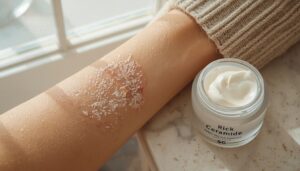
A patch of dry, scaly, or flaky skin is often your barrier waving a tiny white flag. Transepidermal water loss rises, so skin hydration escapes faster than it returns. Normally, the barrier works like bricks and mortar, with skin cells held together by ceramides, cholesterol, and fatty acids that lock in moisture.
It can feel like:
- Sandpaper where silk used to be
- Makeup clinging to every flake
- Sweaters feeling scratchy
- Itchy, tight patches you can’t ignore
Try a barrier repair moisturizer with ceramides.
Persistent Tightness After Cleansing

Dry patches are one thing. But if your face feels tight right after washing, that’s your barrier talking too.
That "squeaky clean" pull usually means your cleanser stripped lipids and water-binding factors. Harsh chemicals and high-pH formulas make it worse. Switch to a pH balanced cleanser, skip overexfoliating, and follow with a barrier repair moisturizer.
Stinging or Burning From Skincare
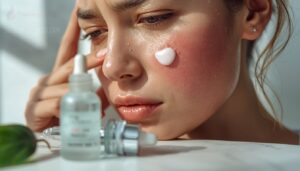
Tight skin often comes with a second clue: stinging. When your usual moisturizer suddenly burns, your barrier is leaking. That’s product stinging as a TEWL indicator (water escaping too fast). Inflammation and irritation follow when harsh chemicals reach nerves.
Common culprits:
- Water or toner
- Gentle serums
- Fragrance-heavy creams
- Your favorite moisturizer
Switch to fragrance-free skincare and let things calm down.
Itching That Keeps Coming Back

Once stinging settles, itchiness often takes over. Scratching adds skin irritation and skin inflammation, which sharpens skin sensitivity and keeps the cycle going. (Annoying, isn’t it?)
If the itch keeps coming back despite your best efforts, it may be worth checking for signs of an unhealthy scalp before it starts affecting your hair.
Here’s how to spot barrier itch:
| Clue | Barrier itch |
|---|---|
| Location | Dry, flaky areas |
| After washing | Worse |
| After moisturizer | Better |
| Early rash | None |
Skin barrier recovery time varies, so stay patient and keep moisturizing daily.
Redness or Changes in Skin Color

You might notice your face looks pink or blotchy, especially after washing. That’s inflammation from a weakened barrier, where extra TEWL lets irritants slip in.
Unlike rosacea, the redness is patchy and your skin looks dull.
Stick to your barrier repair timeline and be patient. Redness fades without flaring back once your skin stops reacting to products it used to tolerate.
Rough Patches and Tender Skin
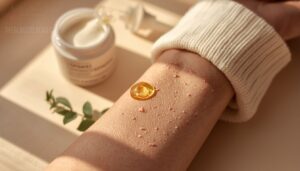
Why does your skin feel like sandpaper one day and sting the next? Blame your skin barrier lipids. When they run low, dead cells pile up unevenly, and you get rough patches. Higher skin barrier permeability and TEWL also leave nerve endings exposed, so even a soft sleeve can cause tenderness or sensitivity. (Yes, really.)
Common Causes of Skin Barrier Damage

Your skin barrier doesn’t usually break down overnight, and the culprits are often sitting right in your bathroom. Most of them look like everyday habits (the kind you’d swear were helping). Here are the six most common causes, so you can spot what’s been working against you.
Harsh Cleansers
Ever notice that squeaky-clean feeling after washing? That’s not clean, that’s stripped. Harsh cleansers loaded with sulfates like SLS pull out the lipids holding your barrier together, so water escapes faster and tightness sets in.
Switch to a soapfree cleanser or a pHbalanced gentle cleanser. A fragrancefree cleanser helps too. Irritantfree cleanser selection means your skin finally gets a break.
Over-Exfoliation And Scrubbing
Your skin barrier is a brick wall, and scrubbing is sandpaper on the mortar. Coarse grains cause micro-tears, and a chemical exfoliant layered on top deepens them.
Scrubbing your skin barrier is like sanding the mortar between bricks, and harsh acids only deepen the damage
Practice physical exfoliation avoidance for now. Spot your barrier disruption triggers: scrubs, pressure, daily acids.
Follow an irritant removal protocol: cleanser and moisturizer only. Barrier repair timeline adherence means waiting weeks. Patience pays.
Overusing Active Ingredients
Think your skin needs more power? Overuse of certain topicals is one of the sneakiest barrier disruption triggers. Retinoids, high-concentration acids, and any chemical exfoliant can outpace your skin’s lipid production when stacked or used nightly.
Here’s an irritant removal protocol: stop the actives, keep it bland, and moisturize. "Less is often more, so let your poor skin catch up.
Hot Water Exposure
Love a steaming shower? Your skin doesn’t.
Hot water strips ceramides and fatty acids from the stratum corneum, so moisture escapes faster. That’s higher TEWL, and it leaves skin tight, red, and cranky.
Go lukewarm instead, keep showers short, then pat dry and apply moisturizer or a barrier repair cream within minutes. Consider it locking the door right behind you.
Environmental Stressors
Even with a perfect shower routine, the world outside has opinions. Environmental stressors like UV, pollution, and wind chip away at barrier function year-round.
Dry air and cold winds raise TEWL, while pollution and sunlight spark oxidative damage (even on cloudy days). Add skin microbiome balance and lipid replenishment to your routine, and wear sunscreen daily.
Skipping Moisturizer
Outside stressors are only half the story. Skip moisturizer, and your skin faces them unprotected, losing water faster through TEWL.
Here’s what that can feel like:
- Tight, uncomfortable skin after every wash
- Dry, scaly or flaky skin that won’t settle
- Products that suddenly sting or burn
- Oily shine alongside dehydration
Moisturizer seals in skin hydration. Use it nightly.
Skin Barrier Damage or Another Skin Condition?

Not every dry patch is a barrier problem. Barrier damage usually follows a new product or heavier exfoliating, and brings dry, scaly, or flaky skin plus tightness after cleansing. Eczema itches relentlessly, often in elbow or knee creases. Rosacea favors central-face redness and flushing. Seborrheic dermatitis prefers oily zones, and psoriasis forms thick, sharp-edged plaques.
Try simplifying your routine for two weeks. If products no longer sting or burn, flaking and peeling reduces, and moisturizer absorbs differently, it’s your barrier.
How to Help Your Skin Barrier Heal
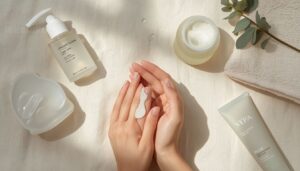
So it’s your barrier? Good news: it heals, and you’re in charge. Build a barrier-safe skincare routine (boring is the goal):
- Gentle cleansing: lukewarm water, fragrance-free cleanser, 30 seconds, pat dry.
- Moisturize on damp skin within three minutes, using a ceramide-containing moisturizer.
- Wear mineral SPF 30+ daily.
Pause actives and scrubs for two to four weeks. Comfortable, less tight skin is a handy TEWL reduction proxy, and it shows lipid-rich moisturizer efficacy. Patience pays off, so keep things beautifully simple.
Skin Barrier Healing: Timeline and Recovery Signs
Timelines depend on how deep the damage goes.
Mild cases feel calmer within days, and barrier function recovery usually finishes in two to four weeks. Moderate damage needs two to four weeks to feel resilient. Severe damage can take eight weeks or longer.
Less tightness after cleansing is a handy TEWL reduction proxy. Smoother skin means desquamation normalization is underway, and a healthier ceramide cholesterol fatty acid ratio helps. Fewer flare-ups mean inflammatory breakout reduction. Be patient (your skin’s rebuilding).
When Skin Barrier Symptoms Need Medical Care

Most barrier trouble clears up with a gentler routine, but some symptoms are your skin’s way of asking for backup. Knowing which ones need a professional takes the guesswork (and the late-night worry) out of it. Here are the five signs that mean it’s time to call your dermatologist or get care right away.
Persistent Or Recurrent Symptoms
Still struggling after weeks of gentle care? Don’t push through alone. See a dermatologist if you notice:
- Dry, scaly, or flaky skin lingering past six weeks
- Tightness after cleansing that moisturizer still won’t fix
- Flaking as a desquamation marker that keeps returning
- Redness relapse prevention failing, with flare-ups returning
- Sensitivity to environmental triggers never really decreases
Treatment can truly help.
Severe Pain Or Blistering
Picture a sunburn that never fades, every touch like sandpaper on raw skin. That’s severe pain territory.
Blistering and deep inflammation mean your skin barrier has failed badly, letting transepidermal water loss soar.
| What You Feel | What To Do |
|---|---|
| Stinging, tender | Pause actives |
| Blisters forming | Call us |
| Pain with fever | Urgent care |
Don’t tough this out. Please get it checked.
Signs Of Skin Infection
Picture a cracked heel that suddenly oozes yellow crust. That’s infection, not dryness. Watch for:
- Pus or cloudy drainage
- Honey-colored crusting
- Growing warmth and swelling
- Red streaks from the area
- Fever or chills
Acne vulgaris, driven by Cutibacterium acnes, and inflammatory acne can mimic this, as can inflammatory skin conditions. Spot any of these? Call your doctor today, no waiting.
Rapidly Spreading Rash
Barrier trouble creeps; it doesn’t sprint. If redness races outward over hours, suspect infection or contact dermatitis, not simple dryness.
Product stinging is a TEWL indicator, but a rash that keeps spreading is different. Healing barriers calm down: sensitivity to environmental triggers decreases, and any barrier-dependent microbiome shift settles.
Spreading fast instead? Don’t wait; get seen promptly by a clinician.
Emergency Allergic Reaction Signs
Most skin barrier flare-ups are annoying, not dangerous. But some reactions are different. If you develop throat or tongue swelling, trouble breathing, wheezing, fainting, or confusion after a new product, food, or sting, call your local emergency services immediately. (Hives aren’t required.)
Contact dermatitis is merely itchy; anaphylaxis is urgent. Antihistamines won’t replace emergency care, so don’t wait it out.
Frequently Asked Questions (FAQs)
How can I tell if my skin barrier is healed?
Think of your skin barrier as a brick wall, finally patched and standing tall. You’ll know it’s healed when moisture stays put, stinging stops, and products feel comfortable again. That’s functional barrier assessment, no lab needed.
What is the fastest way to repair a skin barrier?
Strip your routine down to a gentle cleanser, moisturizer, and sunscreen. Topical ceramide application plus petrolatum helps lipid matrix repair and transepidermal water loss prevention. Moisturize within 60 seconds of cleansing, and pause your actives.
How long do skin barriers heal?
Think of your skin barrier as a brick wall that needs time to dry. Mild damage heals in 7-14 days, moderate takes 2-4 weeks, and severe can need 8+ weeks. Over 50? Add about half again.
What are some signs that my skin is getting better?
Funny how "nothing happening" is the best news. Less stinging means lower TEWL, flaking fades as desquamation settles, and your moisturizer stops feeling waxy. Corneocyte turnover normalizes while barrier lipid synthesis catches up. Comfort returns.
Can a damaged skin barrier cause breakouts?
Yes, it absolutely can. A weakened barrier invites barrier dependent sensitivity, upsets your skin microbiome, and fuels inflammation. Support pH rebalancing of skin and inflammatory response normalization, and your breakouts decrease even without antiacne products.
Is it safe to wear makeup with a damaged barrier?
Can you really cover redness with foundation and call it a day? Usually, yes. Choose fragrance-free mineral formulas, press them on gently, and skip anything that stings. Your skin barrier will heal underneath just fine.
Does drinking more water help repair the skin barrier?
Think water’s a cure-all? Not quite, sadly. It may modestly boost skin hydration if you’re running low, but it won’t lower transepidermal water loss. For moisture retention, use a ceramide-containing moisturizer and essential fatty acids.
Can sunscreen be used while the barrier heals?
Yes, you can, and you should. Pick a mineral sunscreen that rests on your stratum corneum. If product stinging shows up, that’s a TEWL indicator of barrier dependent sensitivity, so go fragrance-free. Don’t skip it.
How can you prevent future skin barrier damage?
Think of your skin barrier as a brick wall, and prevention is regular mortar upkeep. Keep skin pH balance steady with a gentle cleanser, lukewarm water, and a protective moisturizer routine. Add one new active at a time.
Conclusion
Your skin barrier is a loyal bodyguard that’s finally clocked out. Tightness, stinging, and flaky patches are the signs your skin barrier needs healing, and they’re easier to fix than you’d think.
Simplify your routine, choose a gentle cleanser, moisturize like you mean it, and give your skin a few weeks to rebuild. If redness, pain, or rashes stick around, call a dermatologist. (Yes, even if it feels minor.) Treat it kindly, and it’ll hold.