This site is supported by our readers. We may earn a commission, at no cost to you, if you purchase through links. This content is for general informational and educational purposes only and is not a substitute for professional medical, dermatological, or nutritional advice.

You peel off a cool, dewy sheet mask, expecting glowing skin. Two days later, a cluster of bumps shows up along your jawline. It’s frustrating, and it leaves you wondering whether that "calming" treatment backfired.
So can sheet masks cause breakouts? Sometimes, yes. Pore-clogging oils, fragrance, and a sealed, humid environment can all tip sensitive or acne-prone skin toward trouble. But not every new pimple is a bad reaction. Some are purging, which looks different and follows its own timeline.
Here’s how to tell the two apart, and how to pick masks that treat your skin kindly.
Table Of Contents
- Key Takeaways
- Can Sheet Masks Cause Breakouts?
- Which Sheet Mask Ingredients Clog Pores?
- How Do Sheet Masks Irritate Skin?
- Is It Purging or a True Breakout?
- How Often Should You Use Sheet Masks?
- How to Choose an Acne-Friendly Sheet Mask
- Frequently Asked Questions (FAQs)
- Why do I breakout after wearing a sheet mask?
- What are the downsides of using sheet masks?
- Do dermatologists recommend sheet masks?
- What happens if I wear a sheet mask every day?
- Should you wash your face after removing a sheet mask?
- Do overnight sleeping masks cause breakouts too?
- Is it safe to use sheet masks during pregnancy?
- How long should a sheet mask stay on?
- Conclusion
Key Takeaways
- Sheet masks can cause breakouts when pore-clogging oils, fragrance, or a sealed, humid mask irritate your skin, so you’re most at risk if your skin is already acne-prone.
- Keep masking to one to three sessions a week and wear each one for 10 to 20 minutes, since going past 25 to 30 minutes or masking more often raises your risk of overhydration and congestion.
- Choose fragrance-free cotton sheets with soothing ingredients like centella, aloe, or niacinamide, never reuse a sheet, and patch test first, including on your jawline for 7 to 10 days if you break out easily.
- You can tell purging from a true breakout by looking at where and how the spots appear: purging shows up in your usual trouble areas as small whiteheads and blackheads that settle within 4 to 6 weeks, while spots in new areas, inflamed bumps, or anything lasting longer mean you should stop the mask.
Can Sheet Masks Cause Breakouts?
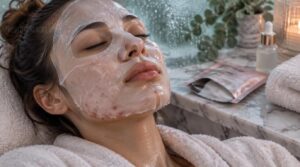
A sheet mask can cause breakouts, especially if your skin is already acne-prone. Most people use them for a quick hydration boost, so it’s easy to overlook the risks.
If you’re wondering how often is too often, this guide on whether you can use sheet masks every day explains why a weekly routine usually protects your skin barrier best.
Three things usually drive the problem. Comedogenic ingredients can clog pores and trap oil. Skin irritation from fragrance or preservatives can inflame your skin and show up as red bumps. Occlusion matters too, since a sealed, humid mask can encourage bacteria and throw off your skin barrier. This is similar to mask acne from humidity, where bacteria thrive in a damp environment and cause small pimples around the nose, cheeks, mouth, and chin.
Frequency plays a role as well. Dermatologists suggest 1-2 times weekly for acne-prone skin, and more than three weekly sessions raises your risk noticeably.
Mask hygiene adds to it. Leave a mask on too long, or apply it with unwashed hands, and you may invite trouble. Small adjustments help.
Which Sheet Mask Ingredients Clog Pores?

Not every ingredient in a sheet mask is a problem, but a few deserve a closer look. Most of the concern centers on comedogenic ingredients, which can contribute to skin congestion when they sit on your face for 20 minutes.
Watch for these common poreclogging ingredients on the label:
- Coconut oil, cocoa butter, and wheat-germ oil
- Isopropyl myristate, myristyl myristate, and ethylhexyl palmitate
- Lanolin and some lanolin derivatives
- Oleic acid and oleate-rich ingredients
Keep some perspective, though. Comedogenicity ratings often come from older tests on concentrated ingredients, not finished masks, so they don’t predict your skin’s reaction. A noncomedogenic label isn’t a guarantee either. Ingredient lists also don’t show concentration, so use them as a guide, not a verdict. Your own skin response matters most.
How Do Sheet Masks Irritate Skin?

Even a gentle sheet mask can irritate your skin without you realizing it. Irritation usually comes from a few specific sources, and knowing them puts you back in control. Here are the three to watch for, so you can spot trouble early and choose your masks with more confidence.
Leaving a mask on too long is one common culprit, so check how long you should leave a sheet mask on before you start.
Occlusion and Overhydration
You might think a mask that’s mostly water can’t cause breakouts. But occlusion changes that.
A mask that’s mostly water can still cause breakouts, because sealing moisture against your skin changes everything
A sheet traps moisture against your skin, and past 25 to 30 minutes, overhydration can weaken your skin barrier and create a humid setting where bacteria thrive.
Trapped sebum and sweat can plug follicles too, so keep sessions short and use skin barrier repair products afterward.
Fragrance and Active Ingredients
Water isn’t the only thing in a sheet mask. The formula matters too, especially for acne-prone skin.
Fragrance is a common culprit, and ingredient sensitivity can build with repeated use. Watch for:
- Added fragrance or "aroma"
- Essential oils like lavender or citrus
- Alcohol, which boosts irritation
- Strong active ingredients like retinol
- Menthol or cinnamon extracts
Skipping them helps prevent breakouts.
Mask Material and Hygiene
While most people blame the serum, your mask material can matter just as much. Synthetic fibers like polyester trap heat and moisture, which can encourage P. acnes and raise your breakout risk. Cotton breathes better.
Never reuse a sheet, since used masks hold bacterial contamination.
Clean your skin before applying one, and patch test any new mask first.
Is It Purging or a True Breakout?
While a sheet mask can sometimes trigger purging, it isn’t always the culprit behind a new breakout. The difference matters, because it changes what you should do next.
Purging happens only where you usually get pimples, like your jawline or T-zone. It’s mostly tiny whiteheads and blackheads that surface faster, and it should settle within 4 to 6 weeks. A true breakout can show up in new spots, such as your cheeks or forehead, and often brings inflamed bumps or cysts.
Try this to sort it out:
- Note where the spots appear.
- Check what type of lesions they are.
- Track how long they last.
- Run an ingredient analysis on the mask.
If your skin sensitivity rises or things worsen past six weeks, stop using the mask. Smart breakout prevention starts with knowing which pattern you’re seeing.
How Often Should You Use Sheet Masks?
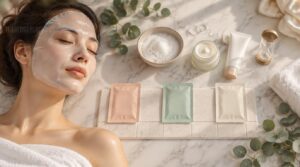
Wondering whether more masking means better skin? Not necessarily. No research sets an ideal schedule, so frequency moderation is your safest starting point.
Begin with one to three sessions a week, then adjust based on how your skin responds. Daily use may suit a simple, well-tolerated hydrating formula, but it’s harder to justify if your routine already includes exfoliating acids or retinoids.
Good skin preparation helps: cleanse gently, skip harsh actives beforehand, and follow the package’s wear time, usually 10 to 20 minutes.
Afterward, keep postmask skincare simple: If breakouts are a concern, a lightweight non-comedogenic moisturizer hydrates without clogging pores, so it makes a gentle final step after your mask.
- Press in any leftover essence.
- Seal with a light moisturizer.
- Use sunscreen the next morning.
For breakout prevention, cut back right away if you notice stinging, itching, or new bumps. Your skin barrier needs recovery days too.
How to Choose an Acne-Friendly Sheet Mask
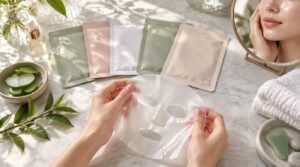
You don’t have to give up sheet masks to keep your skin clear. The right pick comes down to a few simple checks you can make before you buy. Here are five that help you choose a mask your skin can tolerate.
Check for Comedogenic Ingredients
Start with the label, not the packaging. Scan the ingredient list for isopropyl myristate, isopropyl palmitate, coconut oil, and cocoa butter. These can rank higher on the comedogenic scale, though a rating isn’t a verdict.
Placement matters, since ingredients near the top are more concentrated. A poreclogging ingredient listed last matters less, but your own ingredient sensitivity still counts, too.
Choose Breathable Cotton Sheets
Your mask’s fabric matters as much as the serum soaking it. Look for breathable materials like cotton sheets, which hold essence evenly without sealing your skin under a damp film.
Synthetic sheets can create an occlusive environment that traps heat and encourages poreclogging. Cotton lets air move, keeps friction low, and helps protect your skin balance, even with sensitive skin.
Limit Weekly Mask Frequency
If you have acne-prone skin, frequency matters more than you’d think. Stick to two or three masks a week.
Picture your skin after too many sessions:
- Pores sealed under a damp, tight layer
- A surface that feels soft but looks congested
- Fresh breakouts appearing along your jaw
Rotate your mask material, rest between sessions, and don’t confuse purging with overuse.
Pick Soothing Ingredients
Once you’ve set your frequency, look at what’s actually on the sheet. For acne-prone skin, calming ingredients matter most. Centella asiatica helps ease redness and helps your barrier, while aloe vera and chamomile soothe irritation without weighing skin down.
Niacinamide is a gentle partner too. Choose a fragrance-free formula, and skip tea tree oil or salicylic acid if your skin already feels raw.
A lightweight fragrance-free niacinamide serum can help refine pores and balance oil without adding irritation.
Patch Test First
Even a well-chosen mask can surprise you, so run a patch test first. Dab a bit of the product on your inner forearm or behind your ear for 15 to 30 minutes, then check at 24 and 48 hours for skin irritation.
For acneprone skin, repeat it on your jawline for 7 to 10 days to catch a delayed breakout.
Frequently Asked Questions (FAQs)
Why do I breakout after wearing a sheet mask?
You might blame the serum, but the real culprit is often occlusion. A sheet mask traps heat, sweat, and oils against acneprone skin, and a rough mask material adds friction, so a breakout follows.
What are the downsides of using sheet masks?
A patient once told me her "relaxing" nightly mask left her with new chin bumps by Friday. The main downsides are maskrelated acne, pore clogging, irritation, bacterial contamination, ingredient safety concerns, and skin reactivity.
Do dermatologists recommend sheet masks?
Dermatologists accept sheet masks as an occasional hydration boost, not a primary acne treatment. Before adding one, book a dermatologist consultation, prioritize skin type matching and product formulation, and follow with a light noncomedogenic moisturizer.
What happens if I wear a sheet mask every day?
Daily masking means 365 exposures a year. That occlusive barrier can hold trapped sweat, inviting frictional acne or comedonal acne, and disrupt sebum regulation. You’ll notice irritation first, so stop if burning or breakouts recur.
Should you wash your face after removing a sheet mask?
Usually, no. Washing right after a sheet mask rinses away the serum your skin needs. Pat it in gently, wait 5 to 10 minutes, then moisturize. Save face wash just for your pre-mask skin prep.
Do overnight sleeping masks cause breakouts too?
Picture a rich cream sitting on your face all night. Overnight sleeping masks can cause breakouts, especially when the formula is heavy.
Unlike a sheet mask, they stay put. Watch for inflammatory acne, not purging.
Is it safe to use sheet masks during pregnancy?
Think of your skin as a garden in pregnancy: tender and easily disturbed. Hydrating sheet masks with glycerin or hyaluronic acid are generally safe, but skip retinoids, hydroquinone, and fragrance. Check labels, patch test first.
How long should a sheet mask stay on?
Leave a sheet mask on for 10 to 20 minutes, or whatever the package says. Take it off before it dries or feels tight, since a dry sheet can pull moisture from your skin.
Conclusion
A sheet mask feels like a treat, yet your skin may read it as a stressor. Can sheet masks cause breakouts? Yes, when oils, fragrance, or trapped moisture crowd sensitive pores. But a new bump isn’t always a bad sign. Purging often looks different.
Choose breathable cotton sheets, skip heavy fragrance, and patch test first. Use masks once or twice a week, and stop if irritation lingers. Your skin will tell you what it needs.