This site is supported by our readers. We may earn a commission, at no cost to you, if you purchase through links. This content is for general informational and educational purposes only and is not a substitute for professional medical, dermatological, or nutritional advice.
You peel off the mask, and your face feels tight instead of dewy. That’s the moment most people realize they stayed in the bathroom scrolling a few minutes too long.
A sheet mask works only while it stays wet. Once the fabric dries, it starts pulling moisture back out of your skin, which erases the hydration you just gained.
So how long should you leave a sheet mask on? Generally, 15 to 20 minutes for cotton and bio-cellulose, while hydrogel and overnight versions follow their own clock. Here’s how to time each type and what to do the second the mask comes off.
Table Of Contents
- Key Takeaways
- How Long Should You Wear a Sheet Mask?
- Does Sheet Mask Type Change The Wear Time?
- Can You Leave a Sheet Mask on Too Long?
- How Do You Apply and Time Sheet Masks?
- What Should You Do After Removing Sheet Masks?
- Frequently Asked Questions (FAQs)
- Can you leave a sheet mask on too long?
- Is it better to use a sheet mask at night or in the morning?
- Am I supposed to rinse my face after a sheet mask?
- Are sheet masks really effective?
- How often can you use sheet masks weekly?
- Can sheet masks be used on oily skin?
- Should you wash your face before applying a sheet mask?
- Can you reuse a sheet mask or leftover serum?
- Is it safe to use sheet masks daily?
- Conclusion
Key Takeaways
- You’ll get the most from a standard cotton or bio-cellulose sheet mask by wearing it for 15 to 20 minutes, since that’s the window most formulas are designed around.
- You should take the mask off while it’s still damp, because once it dries it pulls moisture back out of your skin and can leave you drier than when you started.
- Hydrogel masks can stay on much longer, generally 2 to 8 hours, and overnight masks are made for sleeping in, but you should follow the label for any other type.
- You’ll lock in the benefits by patting in the leftover essence instead of rinsing it off, then sealing everything with a moisturizer.
How Long Should You Wear a Sheet Mask?

How long should a sheet mask actually stay on your face? Generally, 15 to 20 minutes is the sweet spot, and it’s the window most formulas are built around. Setting a gentle sheet mask timer helps you remove the sheet while it’s still damp, so you never overshoot that 20-minute window.
If you prefer mixing your own treatment, a DIY vitamin E face mask follows the same 15 to 20 minute rule for soaking in nourishing ingredients.
During that time, the sheet creates an occlusion effect, holding essence against your skin so it can absorb instead of evaporating. That’s what drives hydration retention, and it’s why this contact time optimization matters. Once the sheet starts to dry, the benefits stop.
Past 20 minutes, a dry mask can pull moisture back out and work against your barrier function. Dermatologist Shari Marchbein advises against letting sheet masks dry on your face, since even seemingly harmless ingredients can irritate skin when left on too long. Check the packaging first, since some brands recommend shorter wear. When in doubt, take it off while the sheet still feels damp. That habit keeps your skin plump, calm, and comfortable.
Does Sheet Mask Type Change The Wear Time?
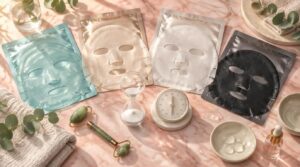
Yes, the type of sheet mask you choose changes how long you should wear it. Material and formula decide how quickly a mask dries out, so your timing generally shifts from one style to the next. Here’s how the main mask types compare, so you can set your timer with confidence.
Standard Cotton and Bio-Cellulose Masks
A standard sheet mask works best for 15 to 20 minutes, before the cotton or bio-cellulose dries out. Generally, you’ll want to:
If you’re still wondering whether the results justify the time, this guide on whether facial sheet masks actually work breaks down what they can realistically do for your skin.
- Remove it while it’s still damp.
- Pat in leftover essence for better moisture retention.
- Skip rinsing.
- Seal with moisturizer as an occlusive barrier.
Staying within this window helps your skin barrier function and keeps hydration firmly working for you.
Hydrogel and Overnight Sheet Masks
Hydrogel masks play by different rules. Their gel clings to your skin and stays moist far longer than cotton, so you can generally wear them for 2 to 8 hours. Results tend to peak around 4 to 6 hours.
If your skin runs dry, pairing a weekly hydrogel mask with a skin care routine for dry skin helps lock in that moisture for longer.
Overnight sheet masks are the longest option. They deliver steady skin hydration and moisture retention while you sleep, creating a gentle occlusive barrier.
Can You Leave a Sheet Mask on Too Long?

Yes, you can, and it’s a surprisingly common mistake. Once you pass the 15–20 minute window, your skin has generally absorbed what it can, so extra time adds no benefit.
The real trouble starts with evaporation. When the serum runs out, the sheet dries and the reverse osmosis effect begins, pulling water out of your skin instead of delivering it. You can end up drier than when you started.
If you want a cooling boost without the drying risk, try the benefits of rubbing ice cubes on your face, which can leave skin looking calmer, smoother, and fresher by morning.
When a sheet mask dries out, it pulls water from your skin instead of giving it, leaving you drier than before
Longer wear carries other risks too. Trapped serum can encourage bacteria and breakouts, and active ingredients like acids or tea tree oil may irritate. Hours of occlusion can also cause skin barrier damage.
Remove the mask, pat in any leftover serum, and moisturize right away to limit a post-mask TEWL increase.
How Do You Apply and Time Sheet Masks?
Prep your skin first, then follow this routine so you get the most from every sheet mask.
- Cleanse and tone, leaving your skin slightly damp for better adhesion.
- Place the mask on your forehead first, align the eye, nose, and mouth holes, then smooth downward and outward.
- Set a timer for 15-20 minutes, or follow the package directions, since formulas generally vary.
- Remove the mask before it dries out.
Timing matters more than you’d think. Once the sheet starts feeling dry, it can pull moisture back out, which undermines hydration delivery. If that happens, rehydrate it with leftover serum from the packet.
Skip sleeping in a sheet mask unless the product is designed for overnight wear.
What Should You Do After Removing Sheet Masks?

Pat in the residue left on your face once you peel the mask away. Don’t rinse it off, because that essence is still working, and tapping it in with your fingertips helps it absorb rather than go to waste.
Follow with toner if you like, then moisturizer. Skipping moisturizer is the most common mistake, since a sheet mask can cause a postmask TEWL increase, meaning water may evaporate faster once the sheet comes off.
A cream with moisture-lock technology generally seals in hydration and helps barrier normalization. Want extra benefits? Layer a treatment serum after massaging in the essence, before your cream.
Your skin should feel plump, soft, and calm, and the glow generally lasts well into the next morning.
Frequently Asked Questions (FAQs)
Can you leave a sheet mask on too long?
Yes. Past the 15-20 minute window, mask drying reversal begins, pulling water from your stratum corneum and raising transepidermal water loss.
Generally, it can also act as an occlusive dressing, so remove it while damp.
Is it better to use a sheet mask at night or in the morning?
Masking two to three times weekly matters more than timing. Skip daily use and overnight sheet masks.
Morning suits hydration before makeup, so consider waiting before applying foundation; your nighttime routine generally favors skin repair.
Am I supposed to rinse my face after a sheet mask?
That leftover essence is liquid gold, so don’t rinse it off.
Cleansing first sets the stage. Pat in the residue while lying down. Waiting before applying moisturizer isn’t necessary, and it generally suits daily use.
Are sheet masks really effective?
Yes, they’re effective for hydration. The occlusion effect traps moisture, so active absorption improves and your skin barrier holds more water. Hydration generally peaks within 15 to 20 minutes, which is when ingredient penetration works best.
How often can you use sheet masks weekly?
Generally, use sheet masks 1-3 times weekly; dry skin can go higher. Keep sessions to 15-20 minutes so the hydration gradient holds, supporting serum absorption, barrier repair, and product efficacy.
Oily skin usually needs less.
Can sheet masks be used on oily skin?
Think of oily skin as a thirsty sponge wearing a slick raincoat. Yes, sheet masks suit it.
Lightweight mask materials boost serum absorption, limit sebum interference, and lower pore-clogging risk. Use once weekly for balance.
Should you wash your face before applying a sheet mask?
A sheet mask is a blank canvas, and makeup is the smudge. Cleaning first matters.
Use a gentle cleanser, then leave slightly damp skin for the initial saturation phase, supporting skin hydration and moisture equilibrium.
Can you reuse a sheet mask or leftover serum?
Refrigerated leftover serum generally keeps for about 48 hours, but you shouldn’t reuse a sheet mask. It’s absorbed skin oils and bacteria.
Pat extra serum onto your neck for skin hydration, and follow manufacturer instructions.
Is it safe to use sheet masks daily?
Ironically, a mask meant to pamper can sabotage your skin. Daily use is generally safe if the formula is gentle, boosting skin hydration.
Skip acids, and avoid overnight wear, since ingredient absorption weakens barrier protection.
Conclusion
Think a longer soak means better results? It doesn’t, because a dry mask pulls moisture back out of your skin. So how long should you leave a sheet mask on? Generally, 15 to 20 minutes for cotton and bio-cellulose, and whatever the label says for hydrogel or overnight types.
Peel it off while the fabric is still damp, pat in the leftover serum, and seal everything with moisturizer. Then let the glow do the rest.