This site is supported by our readers. We may earn a commission, at no cost to you, if you purchase through links. This content is for general informational and educational purposes only and is not a substitute for professional medical, dermatological, or nutritional advice.

I used to stack a fresh sheet mask on my face every night, convinced more soaking meant better skin. Then a client showed up with tight, stinging cheeks and a nightstand drawer full of masks.
So, can you use sheet masks every day? Often, yes. Studies show hydration gains by day 14, and a gentle formula can calm redness while it plumps. But your skin type, your other products, and a few sneaky ingredients change the answer fast.
Here’s what I tell clients before they open another packet: how often to mask, what belongs in the formula, and the warning signs to stop.
Table Of Contents
- Key Takeaways
- Can You Use Sheet Masks Every Day?
- Does Daily Sheet Masking Improve Your Skin?
- How Often Should Each Skin Type Mask?
- Which Sheet Mask Ingredients Suit Daily Use?
- How Do You Use Sheet Masks Safely?
- When Should You Reduce or Stop Masking?
- Frequently Asked Questions (FAQs)
- Do dermatologists recommend sheet masks?
- How frequently should you use a sheet mask?
- Is it better to use a sheet mask at night or in the morning?
- Are sheet masks really effective?
- Can you wear a sheet mask overnight?
- Are reusable sheet masks better than disposable ones?
- Should you use a sheet mask before makeup?
- Is it okay to reuse a sheet mask?
- Can you use sheet masks while pregnant?
- Conclusion
Key Takeaways
- You can mask daily if your formula is gentle (think hyaluronic acid, aloe, or cica) and your skin stays calm, but oily, acne-prone, or sensitive skin does better with once or twice a week.
- Masks boost hydration noticeably within about two weeks, but the results are temporary, so you still need cleanser, moisturizer, and SPF to do the real work.
- Keep each session to 10 to 20 minutes and skip acids or retinol underneath, since a mask traps whatever’s on your skin and can turn a treat into irritation.
- If you notice tightness, stinging, redness, or raw patches, cut back or stop until your barrier heals, because more masking isn’t better masking.
Can You Use Sheet Masks Every Day?
Most people can use a daily sheet mask without trouble, as long as the formula stays gentle. Think hydrating, not exfoliating. Hyaluronic acid, aloe vera, and centella asiatica are the safe bets. Dermatologist advice backs this up: daily use is fine when your mask skips glycolic and salicylic acids and your skin tolerates it.
If you’re expecting, the same gentle approach applies, and this guide to sensitive skin care during pregnancy explains which ingredients to skip while your skin is extra reactive.
Here’s the catch. Skin sensitivity changes the answer. If you’re oily, acne-prone, or easily irritated, once or twice weekly is smarter.
Planning a one day one pack routine? Watch for ingredient overlap. Your serum, moisturizer, and mask might all carry the same actives, and doubling up gets irritating fast. Start slow, and let your skin set the pace. Stop if stinging or redness ever shows up. Keep in mind that sheet masks boost hydration but don’t replace moisturizer, so you’ll still need to follow up with one to seal in the benefits.
Does Daily Sheet Masking Improve Your Skin?

Short answer? Yes, with limits. A daily sheet mask can noticeably boost skin hydration, and clinical trials tracking Corneometer readings found significant gains by day 14.
Here’s what consistent masking can do:
- Plump and soften skin by slowing water loss.
- Support skin barrier repair, so redness and sensitivity fade.
- Boost ingredient efficacy, since niacinamide and peptides need regular contact.
Sounds great, right? Here’s the reality check. Results are mostly temporary, and a mask doesn’t replace cleansing, treatment serums, or sunscreen. Dermatologist advice is consistent on that point. Keep each session to 20 minutes, too. Leave a mask on longer and you can disrupt your barrier instead of helping it. Choose gentle, hydrating formulas and your skin will really thank you.
Once your mask is off, lock in the hydration with one of these dermatologist-tested moisturizers for dry skin that rebuild your barrier with ceramides.
How Often Should Each Skin Type Mask?

So, does "daily" mean the same thing for everyone? Not even close. Your skin type sets the pace, and the knowledge says so plainly.
Dry or dehydrated skin can handle the most: three to five masks a week, and daily use is fine with hyaluronic acid or ceramides. Normal skin needs just one a week.
Here’s how the rest shake out:
- Oily skin management: once weekly, with salicylic acid or green tea.
- Combination skin: hydrating masks on dry patches once or twice weekly, balancing ones on the T-zone once.
- Sensitive skin: once or twice weekly, fragrance-free and soothing.
- Flare-ups: cut back further until things calm down.
- Dry cheeks, shiny nose: try multi-masking.
More isn’t always better. Over-masking can compromise your barrier, so start low.
If your skin already feels tight or reactive, a gentler approach like these dermatologist-recommended sensitive skin care routines can help you rebuild tolerance before adding actives back in.
Which Sheet Mask Ingredients Suit Daily Use?
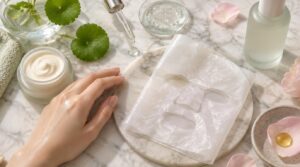
Daily masking only works if the formula plays nice. So what belongs in your routine every single day?
Stick with gentle hydrators and soothers. Hyaluronic acid, ceramides and squalene feed your barrier, while niacinamide evens tone without drama. For sensitive skin care, reach for cica or panthenol.
| Ingredient | How it feels | Daily? |
|---|---|---|
| Hyaluronic acid | Plump, cushioned, finally comfortable | Yes |
| Cica | Calm, cooled, redness fading | Yes |
| Low-dose retinol | Smoother, but easy to overdo | Cautiously |
Retinol deserves a pause. Derivatives like retinyl palmitate work only at gentle maintenance doses, never as treatment. Check the label before you commit.
If you’re unsure where retinol belongs in your nightly steps, this step-by-step facial skincare routine guide shows how to layer toner, serum, and moisturizer in the right order.
Not sure about a formula? Skip strong acids and heavy fragrance for daily use. Your skin will thank you, and your barrier stays intact.
How Do You Use Sheet Masks Safely?
How do you keep daily use from turning into daily irritation? Start with clean hands, cleansed skin, and a swipe of toner. Trying a new mask? Patch test it on your jawline first.
Then follow these steps:
- Set a timer for 10 to 20 minutes.
- Peel it off before it dries out.
- Pat in leftover essence and skip the rinse.
- Seal with moisturizer, plus SPF 30 in the morning.
- Hold off on extra serums to avoid ingredient overlap.
Why the fuss? Because masks are occlusive, and occlusion amplifies everything underneath. Stack a mask on top of exfoliating acids or retinol and you’re asking for trouble.
Masks trap everything beneath them, so layering one over exfoliating acids or retinol is asking for irritation
Keep your mask frequency realistic, and let skin comfort lead. Gentle habits support barrier repair.
When Should You Reduce or Stop Masking?
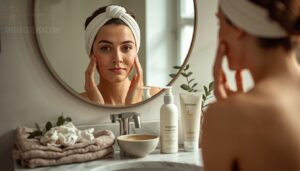
I tell clients the same thing: your skin talks, so listen. Daily use only works while your face stays calm.
| Signal | What It Means | Your Move |
|---|---|---|
| Tightness, stinging | Early irritation | Mask less often |
| Raw skin, breaks | Damaged barrier | Stop until healed |
If redness, flaking, or sensitivity lingers, pause everything and focus on barrier repair with a simple sensitive skin routine: gentle cleanser, moisturizer, sunscreen. Skip acid masks for daily use, too.
Why push through? Skin irritation prevention beats damage control. Once your hydration boost feels necessary just to get through the day, you’re leaning on masks too much. Cut back, and reassess if nothing improves.
Your skin isn’t being dramatic, and a week off won’t undo any of your progress.
Frequently Asked Questions (FAQs)
Do dermatologists recommend sheet masks?
Are sheet masks worth it? Mostly, yes. A dermatologist recommended hydrating sheet mask helps your skin barrier, though a sensitive skin routine needs caution.
Treat it as a weekly boost, not a daily skincare ritual.
How frequently should you use a sheet mask?
Most people do well with a sheet mask once or twice a week. Dry skin can go 2-5 times weekly, even daily with hydrating formulas. Oily or acne-prone skin should stick to once weekly.
Is it better to use a sheet mask at night or in the morning?
Night wins for repair. Your night skincare routine boosts active ingredient delivery, and a sheet mask aids moisture retention and evaporation prevention.
Mornings suit hydrating or antioxidant masks, though. Puffy? Chill one in the fridge.
Are sheet masks really effective?
Yes, with a caveat. The sheet mask benefits are real: the sheet traps moisture, boosting skin hydration and active ingredient delivery. But ingredient penetration varies by formula, so check with a dermatologist if you’re unsure.
Can you wear a sheet mask overnight?
Tempted to doze off in a sheet mask? Don’t.
Once it dries, it pulls moisture from your skin barrier, and occlusive skincare traps irritants. Choose a hydrogel overnight mask instead, and keep hydration essentials simple.
Are reusable sheet masks better than disposable ones?
Does going reusable automatically make you the better, greener mask wearer? Not quite. Reusable sheet masks cut single-use waste, but only if you wash them well and actually use them. Disposable masks win on convenience.
Should you use a sheet mask before makeup?
A sheet mask before makeup is basically a glow-up shortcut. Press it on after cleansing, wait 15 minutes, pat in the leftover essence, then seal with a noncomedogenic moisturizer.
Is it okay to reuse a sheet mask?
Think of a used sheet mask as a damp washcloth left in a gym bag. Reusing sheet masks invites bacteria onto your face. Skip it. Sheet mask hygiene means one mask, one use, then toss.
Can you use sheet masks while pregnant?
Picture your friend Mia, three months into pregnancy, panicking over her favorite sheet mask. Relax. Choose preservativefree skincare with hydrating essence, skip retinoids, and protect your skin barrier. Ask your doctor first, then enjoy it.
Conclusion
But isn’t daily masking just harmless pampering? Not always, and that’s the point. So, can you use sheet masks every day? Yes, if your skin is calm, your formula is gentle, and you stop at the first sting.
Think of a mask as a treat, not a treatment plan. Start slow, watch your face, and let it set the pace. Your skin will tell you what it needs. Your job is simply to listen closely.