This site is supported by our readers. We may earn a commission, at no cost to you, if you purchase through links. This content is for general informational and educational purposes only and is not a substitute for professional medical, dermatological, or nutritional advice.

A dirty clipper blade doesn’t look dangerous. It looks like a bit of trimmed hair tucked between the teeth. But that buildup traps bacteria, dulls the cutting edge, and pulls hair instead of slicing it.
Barbers clean their clippers after every client, sometimes a dozen times a day. You don’t need that pace, but you do need a schedule that matches how often you cut. This daily vs weekly blade cleaning routine for clippers comes down to two jobs: a quick brush and disinfect after each use, and a full teardown once a week.
Here’s exactly how to run both, oil the blades, and store them right.
Table Of Contents
Key Takeaways
- Brush, oil, and disinfect your clippers after every use, then take them apart for a 10 to 15 minute deep clean once a week, because daily upkeep can’t reach the buildup that dulls blades and pinches skin.
- Disinfect for the right contact time, dry every part completely, and never skip this step, since leftover moisture rusts blades fast.
- Finish every cleaning with 2 to 3 drops of clipper oil on the teeth, pivot points, and rails, run the blades for 5 to 20 seconds, and wipe off the excess, and never use WD-40 as lubricant.
- Store detached blades dry in a case or pouch, never cardboard, and pull them from service if they pull hair, run hot, or lose alignment after a clean and oil.
Daily Vs Weekly Clipper Cleaning Schedules
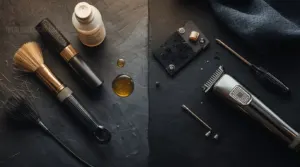
Always clean your clippers on a schedule that matches how much you use them. Professional barbers clean after every client, which means several times a day. If you cut hair at home every day, clean after every use. If you cut weekly, you still need a thorough cleaning each week.
Pairing that routine with one of the best professional hair clippers can help your blades stay sharp and last years longer.
A quick clean between uses takes 1 to 2 minutes. Brush the blade, add a drop of oil, and apply disinfectant spray. At closing, spend 3 more minutes on a full brush-down, a blade check, and a cord inspection.
Weekly deep cleaning is a different job. It takes 10 to 15 minutes and goes beyond surface debris. You’ll remove the blades, clean the housing, and check alignment.
Don’t skip the deep clean. Daily maintenance only controls what you can see. Left unchecked, hair build-up between blades dulls the cutting edges and can pinch skin during haircuts.
Daily Blade Cleaning and Disinfection
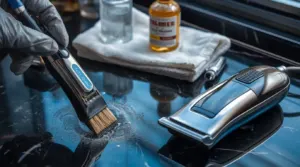
Here’s how to run that quick clean between uses. Power off and unplug your clippers first.
For a deeper clean when the blades need more than a quick oil, this step-by-step blade cleaning guide for hair clippers walks you through the whole process.
Brush the blade from heel to tip, then brush behind the blade where hair packs in. Remove loose hair before you apply anything wet. A small clipper blade cleaning brush with stiff bristles reaches the tight gaps between the teeth better than a fingertip or cloth.
Next, apply disinfectant spray liberally to the blades and head. Cover every surface. Let it sit for the manufacturer’s contact time, usually 10 minutes. An alcohol wipe of 70% isopropyl also works, but keep the blades wet for 10 to 20 seconds.
Wipe the blades dry with a microfiber cloth. Leftover moisture causes rust. Then oil the blade with 1 to 2 drops and run the clippers briefly to spread it. Wipe off any excess oil, since it clogs blades.
Weekly Deep Cleaning for Clipper Blades

Once a week, the quick clean isn’t enough. Hair and residue build up where daily brushing can’t reach, so take the clippers apart.
If you’re still getting to know your tools, this beginner’s guide to choosing hair clippers explains which blades and attachments are easiest to take apart and keep clean.
Unplug the unit and remove the blade assembly per the manufacturer’s instructions. Brush hair and dust from the blade set, housing, and motor area. Handle drive area debris removal gently, and clear the motor vents so air keeps flowing. Don’t open the motor.
Scrub stubborn buildup off detached blades with warm water and mild soap. Then disinfect: Barbicide for 10 minutes maximum, or 70% isopropyl alcohol for 3 minutes. Rinse and dry every part completely to stop rust.
Reassemble, follow your blade inspection protocol: check blade alignment, power on. If it pulls hair, pull it from service.
Blade Oiling After Daily and Weekly Cleaning
Disinfectants strip the oil off your blades, and so does disassembly. Every cleaning, daily or weekly, ends with fresh oil.
Cleaning and taking apart a clipper blade wipes away its protective film, so always finish by restoring it with fresh oil
Use only professional-grade clipper oil. Never use WD40 or motor oil. They cause buildup and damage the blades.
Apply 2-3 drops after each daily clean. Place them on the teeth, the pivot points, and the rear rails. After a weekly teardown, oil all four points on reassembly: both rear rails, the cutter groove, and the teeth. A precision-tip clipper blade oil makes it much easier to place each drop exactly on the rails, pivot points, and teeth.
Run the clippers for 5-20 seconds so the oil spreads across every friction surface. Then wipe off the surplus. Excess oil attracts hair and debris.
Don’t skimp. Too little oil raises friction, heat, and wear, and dulls the blade early. Done right, the oil also blocks rust.
Drying and Storing Clippers After Cleaning
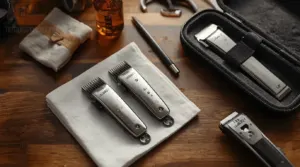
A damp blade is a rusting blade, so dry every part before it goes anywhere. Wipe the blades with a clean cloth, shake off excess water, and let detached pieces air dry fully. Don’t reassemble until they’re bone dry.
Once dry, wipe off the excess oil with a light touch, using the excess oil wiping technique of one pass with a clean cloth. Then wrap the blades in a slightly oiled rag for a protective barrier against moisture.
Detach blades from the clipper body before storage. Trapped moisture inside the assembly causes corrosion. Keep them parallel and aligned so tension stays true.
Store dry with guard on, in a case or pouch. Never store blades in cardboard. It holds moisture. Choose a warm, dry, dust-free spot, and inspect every blade for wear before long-term storage. A hard-shell clipper blade storage case with foam slots keeps each blade separated, dry, and protected from nicks while it sits on the shelf.
Frequently Asked Questions (FAQs)
Why are my clippers pulling hair instead of cutting?
Ever wonder why your clippers tug instead of cut? Hair and residue clog the teeth.
Clean after every use, check blade alignment, and oil the teeth and pivot points with 2-3 drops. Dirty blades pull.
What causes clippers to overheat during haircuts?
Dull blades rank as the number one cause of overheating, according to the University of Tennessee. They force extra passes and friction. Skimp on oil, let hair pack in, or run nonstop, and heat builds.
Can I use WD-40 on my clipper blades?
Use WD-40 only as a rust inhibitor for storage, never as blade lubrication. It’s a water displacer and thin solvent, so it strips protective film and leaves blades dry. Always apply clipper blade oil instead.
How do I know when to sharpen blades?
A dull blade will wreck your cut faster than anything. If it pulls hair, runs hot, grinds loudly or needs multiple passes, book a blade sharpening service.
Clean and oil first, though. Residue mimics dullness.
How often should clipper blades be replaced?
Replace clipper blades every 6 to 12 months with proper care. Store them damp, and you’ll replace them every 2 to 3 months. Stop using warped blades. Check blade teeth monthly for pitting, rust, or dullness.
Can I use clippers on wet hair?
Don’t use clippers on wet hair. Towel-dry it completely first. Wet hair tugs, clumps and stretches, so your cut ends up uneven. It also strains the motor and invites rust on the blades.
Conclusion
Cleaning takes two minutes. Neglect costs you a ruined cut and a dead blade. That’s the whole trade. Your daily vs weekly blade cleaning routine for clippers is simple: brush and disinfect after every use, then strip, clean, and oil the blades once a week.
Never skip blade oil. Dry blades run hot and wear fast. Wipe them dry, store them in a ventilated spot, and your clippers will cut clean and last for years.