This site is supported by our readers. We may earn a commission, at no cost to you, if you purchase through links. This content is for general informational and educational purposes only and is not a substitute for professional medical, dermatological, or nutritional advice.
Most clipper blades don’t dull from cutting hair. They dull from the way people clean them. Soaking in water-based disinfectant, skipping the drying step, or scraping between the teeth with a metal pick all chip away at the edge.
Steel corrodes fast when moisture sits on it, and even a few micro-scratches on the teeth make blades pull instead of glide. That means more passes, more heat, and a rougher finish on every head.
Maintaining sharpness while cleaning clipper blades comes down to the right tools, the right liquids, and a disciplined drying routine. Here’s how to do each one.
Table Of Contents
Key Takeaways
- Your blades dull from careless cleaning, not from cutting hair, so skip water-based disinfectants, metal picks, and any routine that leaves moisture on the steel.
- Brush off loose hair while it’s dry, wipe the blades with clipper spray or 70% isopropyl alcohol on a cloth, and save alcohol soaks and a soft toothbrush for stubborn buildup only.
- Dry the blades fully with a microfiber cloth, then oil the teeth while the clippers run and store them in a low-humidity spot, since this coat cuts friction, heat, and rust.
- If your blades still pull after cleaning and oiling, send them for professional sharpening as a matched cutter and comb set, and replace any with chips, deep pitting, or heavy rust.
Prepare Clippers and Blade-Safe Cleaning Tools
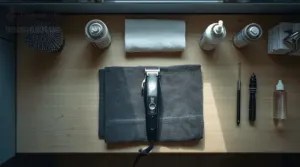
Set up a clean, well-lit workspace before you touch a blade. Lay a towel or mat down to catch hair and debris, and make sure you have good ventilation, since sprays and alcohol put off fumes. Keep everything within reach so you’re not hunting for tools mid-job.
Once your space is ready, these facial hair removal tips can help you choose the right method and keep your skin comfortable.
Gather a blade brush, compressed air, a soft cloth or paper towels, and a microfiber cloth for wiping housing without leaving lint. Add 70% isopropyl alcohol or a clipper spray that cleans, cools, and lubricates in one step. A small screwdriver comes in handy if your blades need to come off.
Prepare your clippers next. Unplug corded models or power off cordless ones, then remove the guards and attachments. Check the blades for damage, buildup, or misalignment before you clean. Skipping this step matters, since poor cleaning habits cause nearly 70% of clipper problems such as hair pulling and skin irritation.
Clean Clipper Blades Without Dulling Edges
Clean blades keep their edge longer, but the wrong method can wear it down fast. You’ll learn two approaches here, one for everyday upkeep and one for stubborn buildup. Each protects the teeth while giving you more control over how your clippers cut.
Routine Cleaning After Each Use
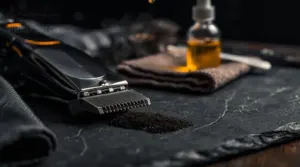
Brush off loose hair and debris the moment you finish cutting, while the clippings are still dry. Use a small soft brush, and sweep from the blade’s spine toward the teeth so you don’t catch the edges.
If you’re caring for an Andis T-Outliner, this Andis T-Outliner trimmer review shows how its blades perform and hold up between cleanings.
Then spray clipper cleaner onto a cloth, not the blades, and wipe them down. Oil comes next, so your blades stay protected.
Deep Cleaning Stubborn Blade Buildup
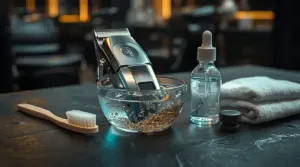
Sometimes a wipe-down won’t cut it, and caked-on gum and oil start to drag through hair. Here’s how to reset your blades safely:
- Soak them in 70-90% isopropyl alcohol for 5 to 10 minutes.
- Scrub between the teeth with a soft toothbrush, never a harsh scraper.
- Rinse with distilled water, dry fully, and oil them.
Your edges will stay sharp.
Disinfect and Dry Blades Without Causing Rust

Once your blades are clean, disinfect them before you put them away. Cleaning removes hair and debris, but it doesn’t kill bacteria, and skipping this step puts you and anyone you cut at risk.
For a full routine that covers brushing, disinfecting, and storing your tools, see this guide on how to maintain hair clippers for long life.
Wiping away hair isn’t the same as killing germs, so sanitize your blades before storing them to protect yourself and your clients
Use an aerosol clipper spray with isopropanol while the blades run. The motion spreads the liquid evenly and pushes moisture out from between the teeth. Let it sit for the contact time on the label, then wipe off the excess. If you’d rather use a liquid, choose 70% isopropyl alcohol. Skip water-based solutions like Barbicide, which corrode steel fast.
Clean, dry blades also glide better through textured hair, so it helps to pair this routine with the right hair clippers for curly hair.
Drying matters as much as disinfecting. Shake off extra liquid and wipe the blades with a clean microfiber cloth. Then let them air dry fully in a low-humidity spot, away from the bathroom.
Oil and Store Blades to Preserve Sharpness
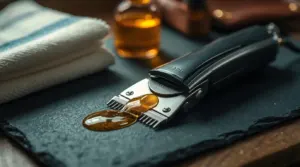
Apply a few drops of clipper-specific oil along the blade teeth while the clippers run. The motion spreads the oil evenly and works it between the cutting surfaces. Wipe off the excess with a clean cloth, since extra oil attracts dust and hair.
Oil your blades before each use, and again after cleaning and drying them. This light protective coat cuts friction, limits heat, and keeps rust away. During heavy use, add oil every 5 to 10 minutes.
Before you store the blades, make sure they’re completely dry. Slip them into a case, cover, or pouch, or wrap them in greaseproof paper. Keep them away from heat and direct sunlight, which break down oil and can damage the blade temper.
Check Clipper Blade Sharpness and Wear
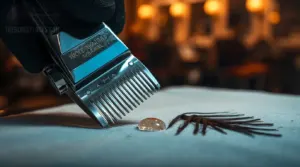
Clean, oiled blades can still cut poorly if the edge itself is worn. Checking sharpness and wear lets you catch the problem before it pulls hair or leaves uneven patches. Next, you’ll learn how to troubleshoot those cutting issues and how to decide between professional sharpening and replacement.
Troubleshoot Pulling and Uneven Cutting
Pulling usually points to one of five causes. Check for trapped hair and debris first, then look for gaps that signal poor blade alignment.
Add oil if the clipper runs hot or loud, since dry blade friction drags hair.
If problems remain, suspect dull edges or worn blade drive parts, which cause dragging even on sharp blades. Retest each fix.
Choose Professional Sharpening or Replacement
A dull blade and a damaged blade look alike on the head, but they need different fixes.
If your blades pull hair yet cut cleanly after cleaning and oiling, the edge is worn, so send them for professional sharpening.
Replace blades with chipped teeth, deep pitting, heavy rust, or ones sharpened many times already. Always sharpen the cutter and comb as a matched set.
Frequently Asked Questions (FAQs)
Can I use isopropyl alcohol to clean clipper blades?
Yes, you can. Use 70% isopropyl alcohol, which stays wet long enough to kill bacteria and cuts through oil and hair residue. Wipe the blades, let them air dry, then oil them.
Can I use WD-40 on clipper blades?
No, skip the WD- It evaporates fast, so it won’t keep your blade lubrication going, and the extra friction heats the edges and dulls them. Use dedicated blade oil instead, which stays put and protects against corrosion.
Can ultrasonic cleaners damage clipper blades?
You might think sound waves are too gentle to hurt metal. They aren’t always. Ultrasonic cleaners can lift weak or worn plating off blades, and water-based solutions can cause rust. Use mild soap, short cycles, then dry and oil.
Does blade material affect how often cleaning is needed?
Yes, but less than you’d think. Ceramic and titanium-coated blades resist wear and rust, so they need less upkeep. Steel needs drying and oiling. All types still need a brushing after every use and a monthly deep clean.
How often should clipper blades be replaced overall?
Most home users should replace blades every 12 to 24 months. Pros cutting daily need new ones every 4 to 12 months. Rust, chips, or constant pulling mean replace them now.
Why do new clipper blades feel sharper than sharpened ones?
New blades have a factory edge ground to exact specifications, so every tooth cuts the same way. Sharpening removes steel and can leave uneven angles, burrs, and thinner teeth, which makes cutting feel less crisp.
Conclusion
Cutting hair doesn’t ruin a blade; careless cleaning does. Every shortcut, from a wet soak to a metal pick, costs you edge. Maintaining sharpness while cleaning clipper blades takes only a few habits: soft brushes, the right liquids, and thorough drying.
Follow them every time and your clippers will glide instead of pull, run cooler, and leave a cleaner finish. Add a light oil film and dry storage, and that sharp edge lasts far longer.