This site is supported by our readers. We may earn a commission, at no cost to you, if you purchase through links. This content is for general informational and educational purposes only and is not a substitute for professional medical, dermatological, or nutritional advice.

Your jaw doesn’t grow hair in one direction. Neither does your neck. Run a finger across your cheek and you’ll often find the grain flips halfway down, like a cowlick with a grudge.
That’s why the old rule of thumb fails so many guys. Pick wrong, and you’re trading a clean finish for tugging, razor burn, and ingrown hairs that make your jawline look like a bad pizza.
So shave with or against the grain? The answer depends on your face, not a rule. Map your growth first, and every pass afterward gets easier, smoother, and a lot less painful.
Table Of Contents
- Key Takeaways
- Should You Shave With or Against The Grain?
- How to Map Hair Growth Before Shaving
- How to Shave With, Across, and Against The Grain
- How to Prevent Razor Burn and Ingrown Hairs
- Top 10 Products for a Smoother Shaving Routine
- 1. La Roche-Posay Gentle Face Cleanser
- 2. Harrys Exfoliating Face Wash Men
- 3. Baxter of California Exfoliating Face Scrub
- 4. Jack Black Face Buff Energizing Scrub
- 5. Cremo Sensitive Ultra Slick Shave Cream
- 6. Art of Shaving Sandalwood Pre Shave Oil
- 7. The Shop Aftershave Toner For Men
- 8. Bevel Aftershave Balm For Men
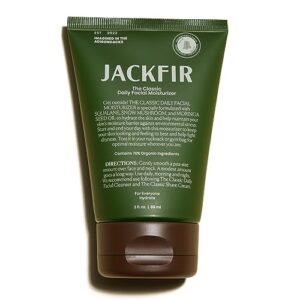
- 9. Jackfir Classic Daily Facial Moisturizer
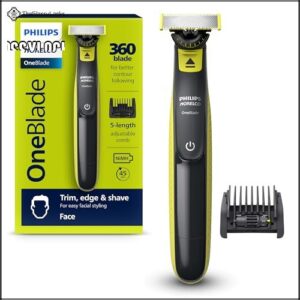
- 10. Philips Norelco OneBlade 360 Trimmer Shaver
- Frequently Asked Questions (FAQs)
- What is the difference between shaving with the grain and against the grain?
- Shave With or Against the Grain: Which is Better?
- What are the risks of shaving against the grain?
- What are the benefits of shaving with the grain?
- How can I avoid razor burn when shaving with the grain?
- How can I avoid razor burn when shaving against the grain?
- What are some other tips for avoiding razor burn?
- Can I shave immediately after working out?
- How often should I replace my razor blade?
- Whats the difference between wet and dry shaving?
- Conclusion
Key Takeaways
- Start with the grain, since it’s the gentlest route and cuts tugging, razor burn, and ingrown hairs, and only go across or against it if your skin handles it.
- Map your growth first by lightly stroking each zone on clean, dry stubble (smooth means with the grain, catchy means against) because your hair direction changes from cheek to jaw to neck.
- Closer isn’t always better, so go with the grain, then across it, and save against-the-grain passes for stubborn spots, since that’s the closest cut but the most likely to irritate, especially if your hair is curly or coarse.
- Prevent irritation by shaving after a warm shower with a slick cream, light pressure, a fresh blade, and no repeat strokes, then exfoliate gently a couple of times a week and moisturize afterward.
Should You Shave With or Against The Grain?

You probably want the short answer, so here it is: start with the grain. Shaving with the grain follows the direction your hair grows, and it’s the gentlest option for your skin. You’ll get less tugging, less skin irritation, and fewer ingrown hairs. The tradeoff? A bit of stubble might hang around.
Keeping your blade clean matters just as much as your direction, so sanitizing your razor to avoid bumps helps keep that smooth, irritation-free glide going shave after shave.
Shaving against the grain cuts closer, no question. But it pulls harder on each hair, which invites razor burn and bumps, especially if your hair is curly or coarse (those hairs love curling back into skin).
Want a middle path? Go with the grain first, then across it. Use a fresh blade, light pressure, and plenty of lubrication. Save against-the-grain passes for tough spots, if you need them at all.
How to Map Hair Growth Before Shaving
So how do you know which way "with the grain" actually is? Guessing won’t cut it, because facial hair direction changes from cheek to jaw to neck (sometimes within a single patch).
Start with clean, dry stubble. Lightly stroke each area in a few directions. Smooth means with the grain, and rough or catchy means against it. Keep your touch light, since pressing hard irritates skin and hides the true lay.
Then use your eyes. Short stubble shows its hair shaft orientation under bright, angled light. A hand mirror helps under the jaw and along the neck.
- Split your face into small zones.
- Sketch a face and neck, then add arrows.
- Mark swirls and cowlicks separately.
- Trust your eyes when touch and sight disagree.
- Redo your hair growth mapping after any big length change.
How to Shave With, Across, and Against The Grain

Got your map? Good. Now put it to work, because shaving with the grain is where every proper shave on the daily begins.
Warm up your face, lather up, and keep your blade angle and pressure light (the razor does the work, not your wrist).
Here’s the sequence:
- With the grain: short, gentle strokes, rinsing the blade often.
- Across the grain: re-wet, reapply cream, then go perpendicular for extra closeness.
- Against the grain: optional, last, and only if your skin tolerates it.
Shaving against the grain cuts closest, but it’s the likeliest to irritate, especially on bony spots like your jawline. Plenty of guys stop after the across pass and feel fine. Closer isn’t always better (your skin votes too).
If your beard is thick and coarse, these shaving techniques for men with thick hair can help you get a smooth finish without going against the grain.
Shaving against the grain cuts closest but irritates most, and a slightly less close shave is often the better deal for your skin
How to Prevent Razor Burn and Ingrown Hairs

So you’ve mapped your grain and kept the pressure light. Great. Now let’s keep your skin from paying for it later.
Razor burn and ingrown hairs mostly come from friction and a too-close cut, so stack the odds in your favor:
- Shave after a warm shower, never dry.
- Use a water-based cream so the blade glides.
- Skip repeat strokes over the same spot.
- Rinse often, and swap out a dull blade.
- Wear a loose collar afterward (tight ones rub fresh skin).
Curly hair is the sneaky one. Cut too close, and a hair tip can curl back into the skin and start a fight.
Exfoliate gently, a couple of times a week, not like you’re sanding a deck. Bumps with pus or spreading redness? Get them checked.
Top 10 Products for a Smoother Shaving Routine
You know the technique now, but even a perfect pass won’t save you if your skin’s unprepared. Here’s the gear I’d put on your counter, from cleansers and scrubs to creams, oils, and balms (plus one trimmer). Think of it as your smoother shaving lineup, built to work with everything you just learned.
1. La Roche-Posay Gentle Face Cleanser
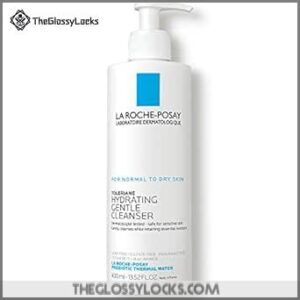
Ever wonder why your face feels tight before the blade even touches it? A harsh cleanser, usually.
The La Roche-Posay Gentle Face Cleanser fixes that. Its pH of 5.5 matches healthy skin, and mild surfactants lift oil and debris without stripping your lipids. Niacinamide and glycerin help the skin barrier, so you’re less prone to skin irritation and razor burn.
Work it into damp skin in circles for 30 to 60 seconds. The lather softens hair, and it rinses clean, so nothing interferes with razor glide, whether you’re going with the grain or against the grain.
It’s fragrance-free and costs around $20 for 13.5 ounces. Cheap insurance.
2. Harrys Exfoliating Face Wash Men
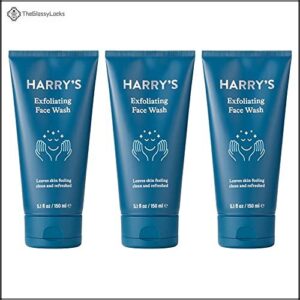
Most guys skip the prep step, then wonder why their razor snags.
Harry’s Exfoliating Face Wash fixes that. Volcanic rock lifts dead skin and trapped hairs, so fewer ingrown hairs show up later.
Use it two or three times a week, not daily (your face will thank you). It’s sulfate-free and made for sensitive skin, so skin irritation stays low whether you’re shaving with the grain or against it.
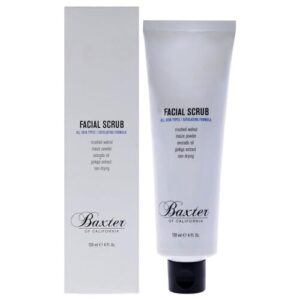
3. Baxter of California Exfoliating Face Scrub
Imagine this: you shave against the grain on Monday, and by Tuesday three stubborn bumps are camping on your jawline. Sound familiar?
Dead skin is often the culprit. It blankets follicles, so hairs can’t break through cleanly. That’s where Baxter of California Exfoliating Face Scrub earns its spot in your shaving routine.
Walnut shell powder and corn kernel meal handle the exfoliating, while avocado oil, aloe, and bisabolol (a soothing compound) take the edge off redness. Both ingredients are natural, plastic-free mechanical exfoliants that physically buff away dead skin. For skin preparation, massage a small amount onto damp skin in light circles before you shave. Once or twice a week is plenty.
Sensitive skin? Start weekly. Over-exfoliating invites razor burn, and nobody wants that.
4. Jack Black Face Buff Energizing Scrub
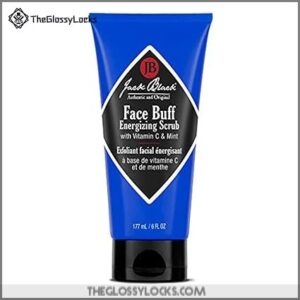
Picture a cool, minty gel turning into a light lather while tiny bamboo granules sweep away dead skin. That’s Jack Black Face Buff at work, and it’s a smart first move in your daily shaving routine.
The biodegradable bamboo powder is a gentle exfoliating agent, so it clears follicles without plastic microbeads or harsh acids. Licorice extract and allantoin calm things down as you work, which helps sensitive skin tolerate the scrub and cuts the odds of razor burn.
Use it three to four times a week:
- Apply to wet skin in light circles.
- Skip the pressure and rinse thoroughly with warm water.
- Treat it as skin preparation, not just personal grooming.
5. Cremo Sensitive Ultra Slick Shave Cream
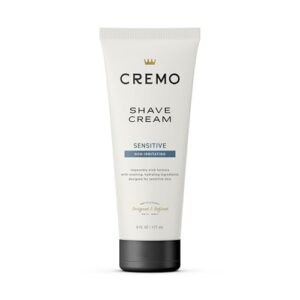
Ever slap on a shave gel and still end up looking like you lost a fight with a cat? (It happens.) The fix might be slickness, not more product.
Cremo Sensitive Ultra Slick Shave Cream is built for sensitive skin. Macadamia seed oil and aloe hydrate, while allantoin and vitamin E calm redness. It’s fragrance-free, so no synthetic perfumes, parabens, or sulfates stirring up trouble.
Here’s the trick. Wet your face for 30 seconds first, because water activates the slick molecules. Then work in an almond-sized dab. Add a splash of water mid-shave if it starts to drag. That’s good shaving technique, and the blade glides with less pressure. Pretty impressive for one tube of shaving cream.
6. Art of Shaving Sandalwood Pre Shave Oil
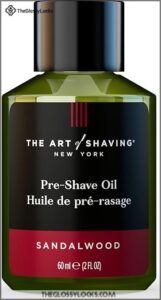
Ever feel like your razor is fighting your face? Blame skipped prep.
When you’re prepping the skin, Art of Shaving Sandalwood Pre Shave Oil is a smart first move. It blends castor seed oil and olive fruit oil, so it softens whiskers and hydrates without leaving an oily residue.
Here’s how to use it. After rinsing with warm water, put a few drops on your fingertips and massage them into your beard area and neck. Skip the rinse. Spread shaving cream right over the top.
The oil creates a thin protective layer, so your single blade razor glides instead of tugging, which helps against razor burn. Your aftershave finishes the job nicely, too.
7. The Shop Aftershave Toner For Men
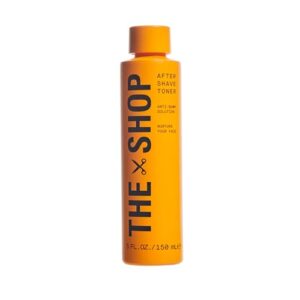
Your rinse is done, but your skin isn’t. That’s where aftershave earns its spot.
The Shop Aftershave Toner For Men pairs witch hazel with a light, non-sticky feel, so it calms razor burn without leaving residue. (Yes, your face will thank you.) At around $9.99 for 5 fl oz, it’s an easy habit to keep. It also hydrates, so tight, dry skin after a close shave becomes a thing of the past.
Here’s how to get the most from your postshave care:
- Cleanse first, then shave.
- Pat the toner on with your hands. Don’t rub.
- Use it morning and night.
- Watch for skin irritation, and cut back if it stings.
Simple, right?
8. Bevel Aftershave Balm For Men
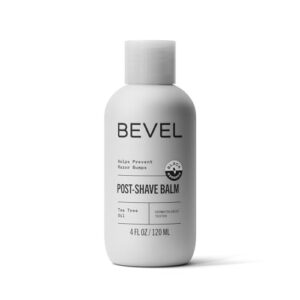
Toner done? Good. Now seal it in with a balm, especially if skin irritation is your regular souvenir.
Bevel Aftershave Balm is built for coarse, curly hair that loves to curl back into the skin. (Ingrown hairs affect up to 83% of Black men, according to clinical research.) Shea butter and jojoba oil moisturize without grease, while lactic acid gently exfoliates. Niacinamide helps repair your skin barrier, and there’s no drying alcohol to sting.
Fair warning: a brief tingle is possible. Most users report softer skin after four weeks.
Postshave care? Use a nickel-sized amount every time, after shaving with the grain and a fresh blade. Razor burn hates skipped days. Around $12 for four ounces.
9. Jackfir Classic Daily Facial Moisturizer
Balm on? Good. Now give your face a proper moisturizer.
Jackfir Classic Daily Facial Moisturizer suits sensitive skin, and it’s friendly after shaving with the grain or shaving across the grain. Why does it work? Skin barrier protection, mostly.
- Squalane softens without a greasy feel
- Niacinamide calms redness and shrinks the look of pores
- Snow mushroom pulls in hydration
- Moringa seed oil shields against environmental stress
- Aloe and licorice root soothe irritation
Use a pea-size amount on face and neck, morning and night. Smooth it on gently, no scrubbing required, champ. It’s lightweight, so even acne-prone skin usually copes (patch test if you’re nervous). At $46 for three ounces, it’s pricey, but a little goes far.
10. Philips Norelco OneBlade 360 Trimmer Shaver
Skin’s moisturized. Now meet the tool that makes the whole routine easier on you.
The Philips Norelco OneBlade 360 Trimmer Shaver cuts at up to 12,000 movements per minute, and its 360 Blade flexes with your jaw and neck, so you need fewer passes. Fewer passes means less irritation, whether you’re going with the grain or against the grain.
It’s waterproof (IPX7), so shave dry or in the shower. Charge it for eight hours and you get about 45 minutes of runtime.
Closeness? Not razor-level, honestly. But that’s why nicks are rare.
Swap the blade every four months, because blade sharpness fades and shaving technique can’t fix a dull edge. Seriously, mark your calendar.
Frequently Asked Questions (FAQs)
What is the difference between shaving with the grain and against the grain?
Shaving with the grain means your razor travels the way your hair grows. It’s gentler, so you get less skin irritation and a lower risk of razor burn. Against the grain trades comfort for closeness, and a dull blade makes it worse.
Shave With or Against the Grain: Which is Better?
Shaving with the grain can cut skin irritation and razor burn by about half. So shave with the grain first, following your follicle direction.
Shave against the grain only for touch-ups. It’s closer, but riskier.
What are the risks of shaving against the grain?
Up to 83% of men with curly beards battle razor bumps. Shave against the grain and you’re tugging hairs, inviting razor burn, skin irritation, ingrown hairs, and an inflammatory skin response. Ouch, and sometimes infection.
What are the benefits of shaving with the grain?
Shaving with the grain is the gentle route. You’ll tug less, so skin irritation and razor burn drop, and bumps are less likely. Use warm water and a sharp blade. Sensitive skin will thank you. Close shave? Slightly less.
How can I avoid razor burn when shaving with the grain?
Start with warm water to soften your stubble, then use a fresh blade and plenty of cream. Pull the skin taut, glide lightly, and skip repeat passes. Want a close shave without razor burn? Moisturize afterward.
How can I avoid razor burn when shaving against the grain?
Does shaving against the grain always cause razor burn? Not necessarily.
Soften stubble with warm water, use a sharp razor and minimal pressure, and keep strokes short. Rinse cool, then moisturize with an alcohol-free balm.
What are some other tips for avoiding razor burn?
Your face has survived worse than a dull razor, but it’ll still stage a full-blown revolt. Swap blades often, use minimal pressure and warm water, and skip irritated skin. You’ll get a close shave without the fire.
Can I shave immediately after working out?
Short answer: don’t. Sweaty skin is sensitive skin, and a razor on top of it invites razor burn and bumps. Cool down, shower, then shave with the grain using warm water. Your skin will thank you.
How often should I replace my razor blade?
Ever feel your razor tugging instead of gliding? That’s your cue.
Swap in a fresh blade every 5 to 7 shaves. Razor blade sharpness fades fast, and a blade tugging hair invites irritation, so your shaving technique suffers.
Whats the difference between wet and dry shaving?
Ah, lathering up at 6 a.m. Pure glamour. Wet shaving cuts closer, but costs time.
Dry shaving’s faster, though some stubble lingers. Shaving with the grain stays gentler; shaving against the grain invites razor burn.
Conclusion
Your razor wants speed, but your skin wants patience. Patience wins every time.
So when you wonder whether to shave with or against the grain, remember the answer lives on your face, not in a rulebook. Map your growth, start with the grain, and go across it next. Save the reverse pass for stubborn patches, and only if your skin plays nice.
Prep, rinse cold, moisturize. Smooth skin is earned, one pass at a time.