This site is supported by our readers. We may earn a commission, at no cost to you, if you purchase through links. This content is for general informational and educational purposes only and is not a substitute for professional medical, dermatological, or nutritional advice.
That sharp, tingling sensation under your beard isn’t something you imagined—and you’re not alone in feeling it. Beard pain affects countless men, ranging from mild irritation to uncomfortable burning that makes even touching your face unpleasant.
The culprit is often hiding beneath the surface: ingrown hairs curling back into the skin, dryness that turns your beard wiry and stiff, or inflammation triggered by products you thought were helping. Your skin barrier weakens when stripped of natural oils, leaving nerve endings exposed and hypersensitive.
Understanding why your beard hurts is the first step toward relief, and most causes have straightforward solutions that work quickly once you know what you’re dealing with.
Table Of Contents
- Key Takeaways
- Why Does My Beard Hurt?
- Common Causes of Beard Pain
- Beard Care Mistakes That Cause Pain
- How to Relieve Beard Pain Quickly
- Preventing Future Beard Discomfort
- When to Seek Medical Advice for Beard Pain
- Frequently Asked Questions (FAQs)
- How can I grow a beard without it hurting?
- When does a beard stop hurting?
- Should I grow a beard?
- Why does my beard feel sore?
- Why does my beard hurt when I touch it?
- Can beard dye or coloring cause pain?
- Does beard length affect pain and discomfort?
- Can stress or hormones trigger beard pain?
- Is beard pain worse during cold weather?
- Do certain foods worsen beard inflammation?
- Conclusion
Key Takeaways
- Beard pain typically stems from ingrown hairs (especially in men with curly hair), dryness that weakens your skin barrier, or inflammation triggered by harsh grooming products and poor shaving techniques.
- Most discomfort resolves within two to four weeks by hydrating daily with beard oil, exfoliating weekly to prevent ingrown hairs, washing less frequently with gentle cleansers, and avoiding dull blades or shaving against the grain.
- Common grooming mistakes like overwashing, using regular shampoo instead of beard-specific products, excessive heat styling, and skipping moisturizers actively strip natural oils and damage your skin’s protective barrier.
- Seek medical attention if you notice persistent redness lasting over 7-10 days, pus-filled lesions with fever, spreading inflammation, or chronic conditions like seborrheic dermatitis that don’t respond to home care—these can lead to permanent scarring or hair loss.
Why Does My Beard Hurt?
If your beard hurts, you’re not alone—and there’s usually a clear reason behind it. The discomfort you’re feeling often comes down to what’s happening with your hair follicles, skin, or grooming habits.
Let’s look at the most common culprits so you can figure out what’s causing your beard pain.
Ingrown Beard Hairs
Curly hair dramatically increases your risk of ingrown beard hairs—the top culprit behind beard pain. When hair curls back and pierces your skin, inflammation follows. You might notice painful bumps, redness, or even infection. One way to combat this is to address the blockage of hair follicles.
- Men with tightly coiled hair face up to 83% risk when shaving close
- Regular exfoliation benefits by clearing pathways for proper hair growth
- Trimming techniques that avoid cutting too short prevent folliculitis risk
Dry and Dehydrated Skin
Dry skin beneath your beard steals moisture through transepidermal water loss (TEWL increase)—your skin literally can’t hold hydration. Environmental factors like indoor heating and water quality (hard water leaves residue) worsen beard dryness. Poor grooming practices strip natural oils, while inadequate systemic hydration leaves skin parched. The result? Flaking, tightness, and pain. Moisturizing dry skin requires both external care and drinking enough water. Using a quality beard balm can help, but it’s also important to avoid harsh grooming products that strip away natural oils.
| Cause | How It Creates Skin Dryness | Quick Fix |
|---|---|---|
| Low humidity | Accelerates water evaporation from facial skin | Use a humidifier indoors |
| Hard water | Leaves mineral residue that blocks moisture absorption | Install a water softener or rinse with filtered water |
| Overwashing | Strips protective lipids from under-beard skin | Wash beard 1-2 times weekly with gentle cleanser |
| Dehydration | Reduces moisture available to stratum corneum | Drink adequate water, eat omega-3–rich foods |
Skin Conditions Under The Beard
Beyond dryness, several skin conditions turn your beard area into a pain zone. Folliculitis barbae—pustules from bacterial infection—affects freshly shaved areas. Pseudofolliculitis barbae hits 45-83% of black men who shave, causing painful bumps on the neck.
Choosing the right razor for Black men can break that cycle, reducing irritation and protecting sensitive skin with every shave.
Seborrheic dermatitis creates flaking “beard dandruff,” while acne under beard traps sebum and bacteria.
Contact dermatitis from grooming products doubled recently, causing facial skin inflammation worth investigating.
Shaving and Grooming Mistakes
Your shaving routine might be the culprit. Poor shaving techniques cause 65% of men to experience pain, and 70% of irritation stems from dull razor blades. Watch for these shaving mistakes:
- Shaving direction errors – going against the grain raises ingrown hair risk
- Dull razor blades – forcing multiple passes that traumatize skin
- Inadequate skin preparation – only 33% prep properly before shaving
- Skipping post-shave care – prolonging inflammation for days
Proper shaving techniques prevent most beard pain.
Product Reactions and Allergies
Sometimes the products you trust are quietly turning against you. All beard care products tested contained fragrance allergens, affecting up to 4% of users with contact dermatitis. Hair dye chemicals like PPD trigger reactions in over 6% of men. Watch for these warning signs:
| Reaction Type | Common Culprits |
|---|---|
| Skin redness and itching | Synthetic fragrances, linalool |
| Inflammation and swelling | Methylisothiazolinone, cocamidopropyl betaine |
| Persistent irritation | Hair dye, propylene glycol |
Your grooming arsenal needs scrutiny.
Common Causes of Beard Pain
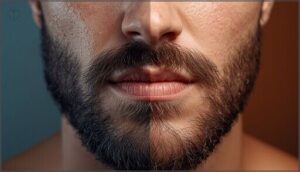
Beard pain doesn’t just appear out of nowhere—there’s usually a specific reason behind it. The culprit might be something happening beneath the surface of your skin, or it could stem from how you’re caring for your beard day to day.
Let’s look at the most common causes so you can figure out what’s triggering your discomfort.
Ingrown Hairs and Folliculitis
Ingrown beard hairs are a leading cause of beard pain, especially if you have curly hair. When hairs curl back into your skin, they trigger inflammation and painful bumps—commonly called razor bumps. PFB prevalence reaches 45-85% in men of African descent, often linked to keratin gene mutations. Bacterial infections like folliculitis can worsen discomfort.
Ingrown hairs from curly beards trigger painful inflammation and razor bumps, affecting up to 85% of men with tightly coiled hair
Here’s what contributes to ingrown hair:
- Curved hair follicles causing hairs to regrow into skin
- Shaving against the grain or using dull blades
- Bacterial colonization from Staphylococcus aureus
- Lack of proper exfoliation before shaving
Treatment outcomes improve markedly with laser therapy and modified grooming habits.
Beard Dryness and Brittle Hair
When your beard feels like straw, it’s crying out for moisture. Your facial skin produces fewer natural oils than your scalp, so beard hairs dry out faster—especially when they reach 2 inches. Overwashing, hot water, and harsh products strip away protective oils, causing breakage and that prickly, uncomfortable sensation.
Without beard oil or balm, brittle hair snaps easily—and that tugging hurts.
| Dryness Factor | Impact on Your Beard |
|---|---|
| Environmental Factors | Cold, windy weather and indoor heat evaporate moisture, leaving flaky dryness |
| Product Ingredients | Alcohol and sulfates in generic shampoos intensify dehydration |
| Moisture Retention | Beard hair diameter nearly doubles scalp hair’s, requiring more hydration |
| Hydration Impact | Dehydration limits biotin and vitamin C delivery, slowing growth |
Razor Burn and Shaving Irritation
Ever notice that burning, raw feeling right after you drag a blade across your face? That’s razor burn—friction damage that hits 88% of men post-shave.
Dull razor blades, dry shaving without shaving cream, or going against the grain turn your shaving routine into an assault course.
Sharp blades, proper lubrication, and shaving directionality matter—post-shave care with moisturizers speeds razor burn relief substantially.
Seborrheic Dermatitis and Dandruff
Flaking, itching, and redness in your beard could mean seborrheic dermatitis—a chronic skin condition driven by Malassezia overgrowth that affects 3–10% of adults.
It’s not just “beardruff”; it triggers an inflammatory response that leaves up to 80% of sufferers itching constantly.
Treatment efficacy is high with antifungal shampoos like ketoconazole, but long-term management matters—this condition loves comebacks without maintenance care.
Acne and Other Skin Issues
Your skin doesn’t stop reacting just because you have a beard—acne and folliculitis thrive underneath facial hair. Around 9.4% of people globally deal with acne, and occlusive balms or inadequate cleansing trap oil and bacteria, fueling breakouts.
Infectious folliculitis, often bacterial, mimics acne with painful pustules. PFB prevalence hits 83% in some populations, causing chronic skin irritation.
Cosmetic dermatoses from fragranced products add another layer of discomfort, affecting beard skin health.
Beard Care Mistakes That Cause Pain
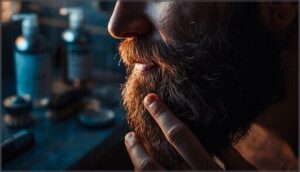
Your beard care routine might be working against you. Small mistakes in how you wash, style, and groom your facial hair can trigger pain and irritation you’re trying to avoid.
Let’s look at the most common grooming errors that cause beard discomfort.
Overwashing or Using Harsh Shampoos
When you wash your beard too often or reach for generic shampoo, you’re stripping away natural oils that keep skin and hair healthy. Harsh detergents damage your skin barrier, increase moisture loss, and leave your beard dry and brittle. That combo sets the stage for irritation, itching, and real discomfort.
Watch out for these overwashing pitfalls:
- Skin barrier damage – Aggressive surfactants remove protective lipids, weakening your skin’s defense and raising sensitivity
- Sebum removal – Frequent shampooing strips the oils that lubricate beard hairs, making them coarse and prone to breakage
- pH imbalance – High-pH shampoos disrupt your skin’s acid mantle, increasing friction, dryness, and irritation
- Allergic reactions – Fragrances and preservatives in regular shampoos can trigger redness, burning, and itching on facial skin
Stick to a gentle beard wash once or twice a week—your beard hygiene routine shouldn’t punish your skin. Limiting washing frequency and choosing mild, pH-balanced products helps maintain natural moisture and prevents the tightness and soreness that come from overwashing.
Excessive Heat Styling or Blow-Drying
Heat damage from blow-drying your beard might seem harmless, but high-heat hair dryers can push temperatures well above the keratin denaturation threshold, weakening hair structure and raising follicle temperature considerably.
Skipping Beard Oil or Moisturizers
Just as heat strips moisture from your beard, skipping beard oil or moisturizers leaves your skin defenseless. When you don’t moisturize, TEWL increases and barrier damage follows, triggering pruritus risk and flaking skin beneath your facial hair.
Men experience clinically significant beard dryness even with higher sebum production. Proper beard moisturizing with beard oil shields against irritant reactions and keeps beard care from becoming a source of chronic discomfort.
Poor Shaving Techniques and Dull Blades
Beyond skipping moisturizers, your shaving routine itself can drive beard pain. Blade Dullness and Shaving Pressure matter: dull razor blades force you to press harder and pass over the same spot repeatedly, sparking irritation and microcuts.
Nearly 80% of blade-razor users report redness or razor burn. Sharp blades, light strokes, and proper Technique Matters reduce Bacterial Risk and support Ingrown Prevention.
Inadequate Exfoliation and Cleaning
Microbial buildup and dead skin cells turn your beard into a breeding ground for trouble. Without regular exfoliating and proper beard washing, sweat, oils, and product residue accumulation clog follicles—studies show all sampled beards harbor high bacterial loads.
That buildup triggers folliculitis, barrier damage, and allergen exposure. Poor beard hygiene doesn’t just feel uncomfortable; it creates painful inflammation you’ll notice every day.
How to Relieve Beard Pain Quickly
If your beard hurts right now, you don’t have to just tough it out. There are a few simple steps you can take today to ease the discomfort and get your skin back to normal.
Let’s look at what actually works when you need relief fast.
Moisturizing With Beard Oils and Balms
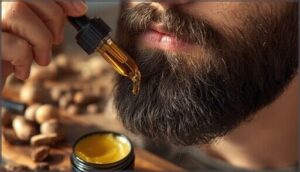
You’ll want to use beard oil and beard balm daily—these aren’t optional extras. Oil comedogenicity matters: choose low-rated oils like jojoba or argan to moisturize without clogging pores.
Beard oil benefits include reduced dryness and itch, often within days. Balm occlusivity seals moisture longer with waxes and butters. Apply twice daily to damp hair for best discomfort management.
Gentle Exfoliation to Prevent Ingrown Hairs
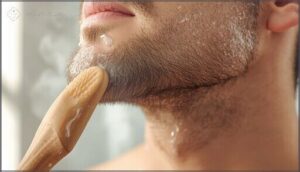
If you’re prone to ingrown beard hairs, exfoliating one to three times per week removes dead skin cells that trap hairs beneath the surface. Use a soft brush or gentle scrub before shaving—mechanical methods lift hairs away from your skin.
Chemical exfoliants like glycolic acid reduce bumps by more than 60% in trials, making them excellent ingrown hair treatment options when used safely.
Adjusting Shaving and Grooming Habits
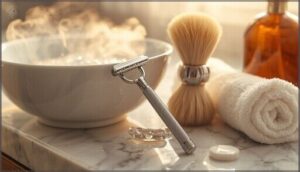
Your shaving routine might be causing more harm than good. Small adjustments in blade configurations, shaving direction, and pre-shave hydration dramatically cut beard pain:
- Switch from multi-blade to single-blade razors to reduce irritation by 60%
- Always shave with the grain to prevent painful ingrown hairs
- Hydrate your beard with warm water before shaving—it softens hair and reduces cutting force
- Apply alcohol-free post-shave care to restore moisture
- Shave every 48–72 hours instead of daily
Your beard grooming and electric razor technique matter as much as frequency.
Preventing Future Beard Discomfort

Once you’ve relieved the immediate pain, the next step is making sure it doesn’t come back. Prevention is easier than treatment, and it starts with a few smart habits.
Let’s cover the daily routines and protective steps that keep your beard comfortable year-round.
Establishing a Healthy Beard Care Routine
A solid beard care routine keeps discomfort at bay and your facial hair healthy. Daily cleansing removes irritants without stripping oils, while weekly conditioning softens hair shafts. Gentle brushing distributes natural sebum and prevents tangles. Regular exfoliation methods help clear follicle openings, reducing ingrown hairs.
Routine consistency matters—your beard maintenance shouldn’t feel like a chore, just good beard hygiene and care that becomes second nature.
Protecting Against Seasonal Dryness
Cold weather acts like a moisture vacuum on your beard, pulling hydration right out. Winter air slashes indoor humidity below 30%, spiking transepidermal water loss (TEWL) and leaving skin tight and flaky.
Combat seasonal dryness with these strategies:
- Run a humidifier to maintain 30–50% indoor humidity for better barrier function
- Switch to richer beard oils and balms that seal in moisture
- Wash less often—strip natural sebum and you’ll regret it
- Apply occlusive products after moisturizing to lock hydration in place
Seasonal grooming adjustments make all the difference.
Avoiding Over-Grooming and Heat Damage
Beyond seasonal shifts, your grooming habits themselves can trigger beard pain. Excessive heat from beard straighteners and high-heat hair dryers weakens hair structure—research shows temperatures above 200℃ cause serious shaft damage. Trimming too often irritates follicles and disrupts your skin barrier.
Limit heat styling to a few times weekly, keep your blowdry distance at 6–8 inches, and use lower settings. Protective practices like conditioning oils reduce friction and breakage.
When to Seek Medical Advice for Beard Pain

Most beard pain resolves with better grooming habits, but some situations need professional attention.
Ignoring warning signs can lead to infections, scarring, or chronic skin problems that become harder to treat. Here’s when you should schedule an appointment with your doctor or dermatologist.
Persistent Redness or Swelling
If redness and swelling around your beard don’t improve within 7–10 days, there’s a higher likelihood of underlying dermatosis or infection. Chronic conditions like deep folliculitis can lead to permanent scarring if left untreated.
Inflammation that persists beyond a week signals your skin needs professional evaluation. Persistent symptoms often require shaving modifications or prescription treatment to prevent long-term damage.
Signs of Infection or Severe Irritation
When pus-filled lesions appear or spreading inflammation extends beyond the initial area, you’re facing a bacterial infection that won’t resolve on its own. Watch for these warning signs:
- Yellow pustules measuring 2-5 mm that discharge pus
- Fever accompanying beard sores
- Swollen lymph nodes near your jaw
- Scarring complications from untreated follicle destruction
These systemic symptoms demand immediate medical attention to prevent permanent damage.
Suspected Allergic Reactions
If your beard suddenly erupts with itching, inflammation, or weepy blisters after using a new product, you may be experiencing an allergic reaction. Contact dermatitis from fragrances or preservatives affects roughly 2-4% of grooming product users.
When skin irritation spreads or persists despite stopping the suspected item, patch testing by a dermatologist can pinpoint the allergen and prevent cross-reactivity with related ingredients.
Chronic Skin Conditions in The Beard Area
When facial pain persists despite home care, several chronic skin conditions may be at work in your beard area. These diagnoses require a dermatologist’s expertise:
- Psoriasis – thick red plaques with silvery scale that signal immune-driven inflammation
- Seborrheic Dermatitis – greasy yellow flakes and itch affecting 3–10% of adults
- Folliculitis – recurrent tender pustules from bacterial infection
- Tinea Barbae – fungal invasion needing oral antifungals
- Acne – comedones and cysts trapping oil beneath whiskers
Professional treatment is essential to prevent scarring and permanent hair loss.
Frequently Asked Questions (FAQs)
How can I grow a beard without it hurting?
Start with gentle growth techniques—keep your skin hydrated, exfoliate weekly, and use quality beard oil daily.
Avoid irritation by shaving with the grain, maintaining a healthy skin barrier, and skipping harsh products entirely.
When does a beard stop hurting?
Most discomfort fades within two to four weeks as your hair softens and skin adapts.
Growth stage pain and shaving irritation relief happen quickly, while ingrown hair duration and persistent pain signs may need targeted care.
Should I grow a beard?
Growing facial hair can boost self-esteem and workplace acceptance, with 90% of employers allowing beards.
However, beard growth demands grooming commitment—regular washing, oiling, and trimming—to maintain skin health and beard attractiveness while preventing discomfort.
Why does my beard feel sore?
You’re dealing with beard pain because your skin’s getting irritated from frequent shaving, ingrown hairs, or harsh product ingredients.
Beard discomfort also comes from dryness, especially when hydration levels drop and sensitivity spikes.
Why does my beard hurt when I touch it?
If your beard hurts when you touch it, touch-induced inflammation or nerve sensitivity could be at play. Pressure aggravation often highlights underlying conditions—like folliculitis, dry skin, or razor burn—raising your pain threshold and making beard discomfort hard to ignore.
Can beard dye or coloring cause pain?
Yes, beard dye can trigger painful reactions. Patch testing before application helps identify sensitivities to PPD and other ingredients, reducing your risk of irritation mechanisms that cause burning, stinging, and inflamed skin.
Does beard length affect pain and discomfort?
Absolutely. Longer beards can increase discomfort through several mechanisms: stiff shafts pull on follicles when bent, dryness worsens without adequate oil, close shaving raises ingrown-hair risk, and masks press unevenly on longer facial hair.
Can stress or hormones trigger beard pain?
When you’re under pressure, your body doesn’t just feel it mentally. Stress and beards connect through cortisol effects, which weaken your skin barrier, increase follicle sensitivity, and worsen hormonal acne along your jawline—all causes of beard pain.
Is beard pain worse during cold weather?
Cold weather dryness, indoor heating effects, and seasonal skin conditions often worsen winter beard itch.
Low humidity increases dry skin, making follicles more sensitive, while cold-related nerve pain can intensify discomfort during seasonal changes.
Do certain foods worsen beard inflammation?
High-glycemic foods and dairy can aggravate beard inflammation in some people by raising insulin and triggering follicular irritation. Western diet effects include increased sebum and skin sensitivity.
Anti-inflammatory diets rich in omega-3s may help reduce discomfort, though individual food triggers vary considerably.
Conclusion
Here’s the truth: understanding why your beard hurts gives you the power to fix it—and keep it from coming back. Whether you’re dealing with ingrown hairs, dryness, or irritation from poor grooming habits, the solutions are straightforward once you know what’s causing the discomfort.
Start with hydration, adjust your routine, and listen to what your skin’s telling you. A healthy beard doesn’t hurt—it just takes consistent care and attention to detail.