This site is supported by our readers. We may earn a commission, at no cost to you, if you purchase through links. This content is for general informational and educational purposes only and is not a substitute for professional medical, dermatological, or nutritional advice.

That "V" dipping into your forehead isn’t a flaw. It’s a genetic blueprint, and honestly, some of the most iconic hairlines in history have rocked one proudly. But if yours feels more "distracting" than "distinguished," you’ve got real options.
Here’s the good news: you don’t have to live with it, and you don’t have to panic either. Whether you want to hide it under the right bangs, remove it at home with careful shaving or waxing, or go permanent with laser treatment or electrolysis, there’s a path built for your comfort level and budget.
Let’s figure out how to get rid of a widow’s peak the smart way, no guesswork required.
Table Of Contents
Key Takeaways
- Your widow’s peak is genetic, so you can hide it, remove it temporarily, or go permanent depending on your budget and patience.
- Simple styling tricks like side-swept bangs, a deep side part, or extra volume can soften your hairline in minutes with zero commitment.
- At-home shaving, tweezing, or waxing works for temporary results, while laser or electrolysis offers lasting removal after several sessions.
- Track your hairline with monthly photos so you can tell the difference between your natural shape and real recession, and see a dermatologist if anything looks off.
A Widow’s Peak Can Be Hidden, Removed, or Reshaped
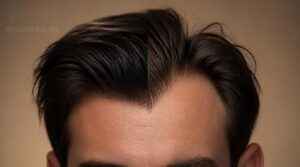
That little peak on your forehead isn’t going anywhere on its own, but you’ve got real options here. Some let you hide it in seconds, others remove it for good. Let’s break down exactly what you’re working with.
Temporary Versus Permanent Results
So, temporary or permanent? Think of it like renting versus buying. Shaving and tweezing cost little upfront but demand daily upkeep.
Waxing, by contrast, asks for more patience and a higher pain tolerance, but rewards you with weeks of smoothness—this detailed breakdown of waxing vs. shaving pros and cons can help you weigh which trade-off suits your lifestyle.
Waxing buys you 4-6 weeks of smooth skin.
Laser and electrolysis cost more initially ($300-$2,000) but deliver near-permanent results, commonly requiring 6-10 treatment sessions to achieve lasting reduction.
Your budget, patience, and long-term goals should drive which route fits your life best.
Genetics Shape Your Hairline
Before you pick a method, know your enemy. That V-shape isn’t random, it’s written into your DNA.
Polygenic inheritance means multiple genes team up to build your hairline, not one dominant trait.
Family hair traits matter here:
- Check your parents’ hairlines
- Look at grandparents on both sides
- Note how sharp or subtle their peaks are
- Expect similar hairline maturation in yourself
Widow’s Peak Versus Hair Loss
Now here’s the million-dollar question: is that peak just your genes talking, or is your hairline actually retreating?
Is that peak just genetics, or is your hairline quietly retreating?
Static peaks hold their shape from childhood on. Recession creeps backward at the temples, often starting in your late 20s.
Not sure which one you’ve got? Snap photos every few months. A hairline stability test beats guesswork every time.
Set Realistic Treatment Expectations
Once you know your hairline’s story, it’s time to get real about outcomes.
Start any consultation by naming your goal: softer contrast or a straighter line? Practitioners match hairline shaping to your actual cause, whether that’s density, genetics, or hormonal influence on hair.
Timelines vary. Styling changes show up instantly. Permanent hair reduction and follicle transplantation need weeks. Track photos, not just day-one satisfaction!
How to Hide a Widow’s Peak Without Removal

Not ready to remove anything yet? You don’t have to! A few simple styling tricks can soften or hide your widow’s peak in minutes, and here’s where to start.
Try clever haircuts, strategic parting, or concealing makeup first—these easy facial hair styling and removal tips can help you camouflage a widow’s peak without any commitment.
Try Full or Side-Swept Bangs
Bangs are your fastest fix. Full or side-swept styles fall right over the peak, softening that center point instantly.
Side-swept works best: sweep hair to one side, blow-dry with a round brush for soft framing, then mix into layers so it looks natural, not hiding anything.
Quick wins:
- Full bangs
- Side-swept sweep
- Round-brush blowout
- Light texture spray
- Mix into layers
Change Your Hair Part
Ditch the center part. It draws a straight line right to your peak, making it the star of the show.
Try an off-center part instead, or go for a deep side part near your temple. Even a zigzag parting breaks up symmetry beautifully. Small shift, big difference in how that hairline reads.
Add Volume and Texture
Building volume takes over from your peak entirely.
Try root lift with a round brush blow-dry, diffuser on low, or backcomb lightly at the crown with a teasing brush. Volumizing mousse on damp roots, texturizing spray for grip. Ask your stylist about layered, sideswept cuts or a textured crop. Fuller hair simply overwhelms that little V.
Apply Hair Fibers Carefully
Ever seen a magic trick where thinning spots just vanish? That’s hair fibers in short. Match shade to your roots, apply on dry styled hair, and pat gently along the hairline.
- Root shade match
- Thin, even layers
- Setting spray lock
- 2-3 minute dry time
- Clarifying shampoo removal
Shake well, mist to set, and wash out gently with clarifying shampoo when done.
Use Strategic Hair Accessories
Accessories aren’t just decoration, they’re strategy. Hairline framing clips pin side pieces where you want them. A well-placed headband or sweeping band draws the eye away from center.
Try statement barrettes angled across your forehead, or crown pins lifting hair upward for even coverage. Combine with smart part direction, and that peak softens instantly.
How to Remove a Widow’s Peak at Home

Ready to take matters into your own hands? Home removal puts you in the driver’s seat, no appointment needed. Here’s exactly how to do it right, method by method.
Shave for Precise Shaping
Want a crisp hairline right at home? Grab a straight or injector razor, since cartridge blades struggle with sharp lines.
Wash first, apply sensitive-skin gel, and pull skin taut. Hold at 45 degrees, shave with the grain, then against for precision.
Clean and oil your blade after, and let it dry fully.
Tweeze Small Hairline Areas
Prefer pinpoint control over a blade? Tweezing lets you target stray hairs one by one.
Grab pointed tip tweezers, hold like a pencil, and pull each hair at a 45-degree angle, always in the direction of growth. Limit yourself to 10-15 hairs per session, every 2-3 weeks. Finish with a cold compress and keep the area clean for 24 hours.
Wax or Sugar Carefully
Tweezing too slow? Waxing clears the whole peak at once.
Hard wax works best here, no strips, lower tack, gentler on sensitive skin. Heat it to 140-150°F, or if you prefer sugar wax, aim for 125-135°F, syrupy but never boiling.
Apply in 1-2 inch sections, press skin taut, pull fast. Cool compress after, then aloe gel within the hour to calm redness.
Patch-Test Depilatory Creams
Skip the wax? Depilatory creams dissolve hair chemically, but your skin doesn’t know that’s coming. Patch test first, inside your elbow, quarter-sized dab, normal thickness. Follow label timing, 3-10 minutes usually, then rinse and wait 48 hours. No redness, no burning? You’re cleared for your hairline. Reaction shows up? Skip this cream entirely.
Prevent Irritation and Ingrowns
Passed the patch test? Good. Now protect that hairline from ingrowns.
Clean tools matter every time you shave, tweeze, or wax. Warm compress first, then gentle exfoliation in small circles, releases trapped hairs before they cause trouble.
- Cleanse skin before removal
- Shave with the grain, not against it
- Exfoliate 2-3 times weekly
Skin hydration afterward keeps irritation away. Simple habits, real protection.
Permanent Widow’s Peak Removal and Reshaping Options
Ready for something that actually sticks around? These options work below the surface, targeting hair follicles for lasting change instead of a quick fix. Here’s what your permanent toolkit looks like.
Laser Hair Removal

Light energy targets melanin, zapping hair follicles at the root. Wavelength selection matters (755-1064nm), matched to your skin and hair contrast. Expect 6+ sessions, spaced weeks apart, for real results.
Fair skin, dark hair? You’re the ideal candidate. Side effects like burns or discoloration are rare but real, so a dermatological consultation isn’t optional, it’s essential.
Electrolysis for Permanent Removal

Want the real deal? Electrolysis uses a fine probe inserted right into each hair follicle, sending electrical current straight to the root.
It’s slow (15-60 minutes per session, follicle by follicle), but it’s the only FDA-approved method for true permanent hair removal, working on every hair color and skin tone.
Hair Transplant Hairline Reshaping
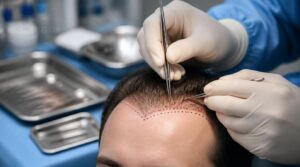
Ready for something that actually reshapes your hairline instead of just hiding it? A hair transplant relocates follicles from your donor area to redesign the peak, creating natural irregularity and matched density.
- Hairline marking and graft estimation
- Anesthesia
- Implantation with proper angle and direction
- Donor area harvesting
- Postoperative care
Surgeons plan for symmetry and your aging pattern, so results stay natural for years.
Compare Costs and Sessions

Let’s talk numbers. Laser sessions run $36 to $47 each, with 6 to 8 sessions totaling roughly $216 to $376. Electrolysis charges $40 to $180 per session depending on length, and needs 8 to 12 rounds over 12 to 24 months, landing between $400 and $3,000.
Laser wins on speed and price. Electrolysis wins on permanence for stubborn, light hair.
Choose a Qualified Specialist

Your provider’s credentials matter as much as their technique. Before booking anything permanent, check three things:
- Active state licensing for the specific procedure
- Board certification in dermatology or electrology
- Clinic accreditation confirming safety standards
Ask about evidence-based practice and treatment scope upfront. Whether it’s laser hair removal, electrolysis, or FUE hair transplantation for hairline reshaping, qualifications protect your results.
How to Manage Regrowth and Hairline Changes

Whichever method you choose, hair doesn’t just quit growing back overnight. Your skin and your hairline both need a little ongoing care to stay happy between sessions. Here’s exactly how to keep things smooth, calm, and on track.
Control Stubble Between Treatments
Stubble creeps back fast. Close shaves every 1-3 days keep things smooth, or trim short with an edger between sessions.
Depilatory creams offer a quick, painless option. Bleaching cream after clipping fades visible regrowth, buying you time.
For daily coverage, sprinkle hair fibers on damp hair, they bind electrostatically and wash out easily.
Laser and electrolysis reduce stubble long-term.
Soothe Post-Removal Irritation
Once you’ve tackled stubble, your skin needs love too. Skip hot water, it strips moisture. Gentle cleansing with lukewarm water and a pH-balanced cleanser calms things down fast.
Follow with a fragrance-free moisturizer packed with ceramides, panthenol, or niacinamide. These barrier-repair ingredients tackle redness and irritation, keeping your scalp calm while hair regrowth continues underneath.
Exfoliate to Prevent Ingrowns
Once redness calms, focus shifts to prevention. Ingrown hairs love clogged pores, so exfoliate 2-3 times weekly using gentle circular motions on damp skin.
Prep with lukewarm water, never hot. Pick chemical exfoliators (salicylic or glycolic acid) or physical scrubs, whichever suits you. Try exfoliating 24-48 hours before your next laser or electrolysis session for clearer follicles and fewer bumps!
Track Recession With Photos
Skin’s calm, follicles are clear, now watch the results unfold. Snap photos monthly: front-on, both 45-degree angles, same lighting, same 18-inch distance.
Consistency reveals truth. Store shots in a labeled folder, compare quarterly side-by-side. This tracks whether you’re managing regrowth or facing genuine hairline recession, separate from your natural frontal hairline design.
Consult a Dermatologist When Needed
Photos looking off? Don’t guess, get it checked. See a dermatologist if you notice hairline asymmetry, sudden thinning, or scalp irritation that won’t quit.
A quick consultation rules out real hair loss versus normal shape. They’ll cover hair follicle stimulation options, or point you toward a hairline lowering procedure if you want reshaping done right.
Frequently Asked Questions (FAQs)
Does a widows peak get more pronounced with age?
Here’s something wild: your hairline shape is set before you’re even born. So no, your widow’s peak itself won’t sharpen with age, but thinning around it from hormonal shifts or menopause can make that V look more dramatic over time.
Is a widows peak more common in men or women?
Honestly? It’s close to a toss-up. Studies swing widely by ethnicity, some show men slightly ahead, others favor women. Genetic factors drive it more than gender ever will, so don’t read too much into your sex.
Can hairstyling products cause a widows peak to worsen?
Gunk builds up fast, like plaque on teeth you skip flossing. Styling products won’t reshape your hairline (that’s genetics talking), but product buildup and chemical irritation can rough up hair fibers near the peak, making it look sharper.
Will a widows peak return after hair transplant surgery?
Not from the transplant itself. Transplant reshaping is permanent once grafts heal, but native hair recession can bring the peak silhouette back years later if male pattern loss continues untreated in surrounding areas.
Conclusion
In the end, your hairline doesn’t have to hold you hostage. Figuring out how to get rid of a widow’s peak comes down to picking the path that fits your life, whether that’s a well-placed part, a careful shave, or a permanent fix like electrolysis.
Start small if you’re unsure. Test it, adjust it, and give yourself grace along the way. Your hairline is yours to shape, and now you know exactly how.