This site is supported by our readers. We may earn a commission, at no cost to you, if you purchase through links. This content is for general informational and educational purposes only and is not a substitute for professional medical, dermatological, or nutritional advice.
Your hair growth cycle doesn’t run on autopilot. Each follicle on your scalp cycles through active growth, regression, and rest phases—and dozens of factors can shift that balance toward more shedding and less growing.
Chronic stress pushes follicles into early rest. Protein deficiency starves the keratin-building process. Even simple habits like yanking a brush through wet strands can snap hair mid-shaft and create the illusion of slow growth.
The good news: targeted changes to your diet, scalp care, and daily routine can tip the scales back in your favor. Small adjustments to what you eat, how you handle your hair, and how you manage stress create measurable improvements in thickness, strength, and growth rate.
Table Of Contents
- Key Takeaways
- Eat a Nutrient-Rich Diet for Hair Growth
- Establish a Proper Scalp Care Routine
- Minimize Heat and Chemical Damage
- Practice Gentle Hair Care Techniques
- Manage Stress for Healthier Hair
- Consider Hair Growth Supplements and Treatments
- Maintain Regular Trims and Conditioning
- Frequently Asked Questions (FAQs)
- How can I support hair growth?
- What works best for hair growth quickly?
- How can a healthy diet help hair growth?
- How can I make my hair grow faster and stronger?
- How do you get hair growth?
- Does hair care really boost hair growth?
- Can you wash your hair every day?
- Does weather affect hair growth?
- How long does it take to speed up hair growth?
- Does your hair grow slower as it gets longer?
- Conclusion
Key Takeaways
- Your hair growth depends on nutrient intake—protein, iron, biotin, and omega-3s fuel keratin production and keep follicles in the active growth phase, while deficiencies trigger shedding and brittleness within weeks.
- Daily scalp massage for 4–8 minutes increases blood flow to follicles, and when combined with monthly exfoliation to clear buildup, you create the optimal environment for new growth without relying on products alone.
- Heat styling above 175°F and chemical treatments like bleach weaken protein bonds and accelerate breakage—limiting heat to 2–3 times weekly and spacing chemical processes 8–12 weeks apart cuts damage by up to 40 percent.
- Chronic stress management pushes follicles into early rest by spiking cortisol and disrupting the growth cycle, so managing stress through 7–9 hours of sleep, aerobic exercise, and mindfulness directly protects against premature shedding.
Eat a Nutrient-Rich Diet for Hair Growth
Your hair depends on the right nutrients you consume. Without the right vitamins, minerals, and macronutrients, your follicles can’t produce strong, healthy strands.
Eating foods rich in protein, biotin, and omega-3s ensures your body has everything it needs to build resilient, shiny hair from the inside out.
Here’s what your diet needs to support ideal hair growth.
Protein Sources for Stronger Hair
Your hair needs protein to produce keratin, the structural foundation of each strand. Aim for adequate protein intake daily to support hair growth and nutrient balance.
- Eggs deliver 6 grams of protein per serving plus biotin for keratin production
- Greek yogurt provides 17 grams of protein with calcium for follicle health
- Salmon offers 22 grams of protein and omega-3s for scalp nourishment
- Chicken breast yields 26 grams of protein with protective selenium
For more details on the benefits and types of protein treatments for hair health, explore available options and professional advice.
Iron-Rich Foods for Hair Health
Without adequate iron, follicles can’t receive enough oxygen to fuel the hair growth cycle.
Include these dietary iron sources alongside vitamin C to boost absorption:
| Animal Sources | Plant Sources |
|---|---|
| Lean beef (2-3 mg per 3 oz) | Lentils (3-4 mg per cup) |
| Chicken liver (5-9 mg per 3 oz) | Fortified cereals (4-8 mg per serving) |
| Sardines (1-2 mg per 3 oz) | Pumpkin seeds (2-4 mg per ounce) |
Iron supplements may help if blood tests confirm deficiency.
For more on the science of iron and hair growth, consult recent research.
Biotin and B Vitamins for Hair Strength
B Vitamins fuel the keratin production that builds your hair from root to tip. Biotin promotes keratin production, while B12 delivers oxygen to follicles through red blood cells. Niacin improves scalp blood flow, and B6 helps metabolize protein into hair structure.
If you’re deficient—marked by thinning or brittleness—eggs, nuts, and fortified grains can restore strength within months.
Omega-3 Fatty Acids and Essential Nutrients
EPA and DHA from fatty fish like salmon reduce scalp inflammation that pushes follicles into shedding. These omega-3 fatty acids keep cell membranes flexible, improving nutrient exchange around each hair shaft. When combined with iron, vitamin D, zinc, and selenium in a nutrient-rich diet, you address the full spectrum of deficiencies that undermine hair follicle health and slow growth.
Omega-3s from fatty fish calm scalp inflammation and boost nutrient flow—when paired with iron, vitamin D, zinc, and selenium, they target every deficiency slowing hair growth
- Salmon delivers concentrated EPA and DHA that calm irritation and support blood flow to your scalp.
- Flaxseeds and walnuts provide ALA, though only 5–10 percent converts to the active forms your follicles need.
- Algae-based supplements offer vegan EPA and DHA without marine contaminants or fishy aftertaste.
Hydration and Hair Growth
Water intake controls hair moisture from the inside out—your strands hold 25 percent water, so drinking water keeps them elastic and prevents breakage.
Adequate hydration promotes scalp health by maintaining sebum balance, preventing dryness, and delivering oxygen to follicles. Hydration benefits extend beyond moisture retention; a well-hydrated scalp creates the stable environment your hair needs to complete each growth cycle without excess shedding.
A monthly scalp detox treatment at home helps flush out product buildup that can block follicles and disrupt your hair’s natural hydration cycle.
Establish a Proper Scalp Care Routine
Your scalp is where hair growth begins, so you can’t ignore its health if you want stronger, longer hair.
A targeted scalp care routine removes buildup, increases blood flow, and creates the ideal environment for new growth. Here’s what to include in your routine.
Daily Scalp Massage Techniques
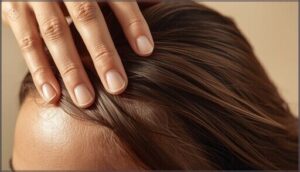
You can take control of scalp health with daily massage using your fingertips in gentle circular motions for 4 to 8 minutes. Start at the hairline and work toward the crown, applying light to moderate pressure.
This scalp stimulation increases blood flow to follicles and may support thicker hair growth. Massage oils improve glide, while varying fingertip techniques releases scalp tension without irritation.
Scalp Exfoliation for Better Growth
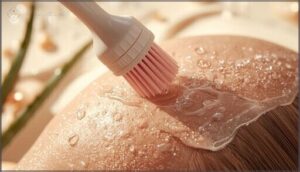
Beyond scalp massage, gentle exfoliation clears away dead cells and oil that clog follicles and slow growth.
Use a physical scrub or chemical exfoliant once every one to two weeks, applying circular motions for 30 to 60 seconds per area.
This scalp care routine boosts scalp circulation, improves follicle stimulation, and helps growth serums penetrate deeper for better scalp health.
Removing Product Build-up From Scalp
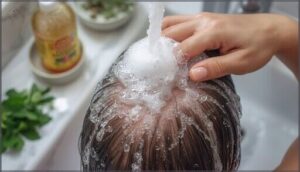
Heavy styling products, oils, and residue trap themselves on your scalp, clogging follicles and stalling hair growth.
Use a clarifying shampoo every one to two weeks to strip away product buildup without overdrying. If you prefer natural scalp cleansing, dilute apple cider vinegar in water, massage it in, then rinse thoroughly.
Regular scalp care prevents scalp inflammation and keeps follicles open for healthy growth.
Growth-Promoting Scalp Treatments

Scalp serums packed with growth factors extend the active phase of your hair follicle cycle and improve strand density. Peptide-rich formulas signal follicles to stay productive longer, while caffeine-based treatments boost microcirculation for better nutrient delivery.
Pair these serums with scalp massage to augment absorption and reduce scalp inflammation. Natural extracts like rosemary and pumpkin seed support resilience and follicle stimulation.
Minimize Heat and Chemical Damage

Heat and chemical treatments rank among the most destructive forces working against your hair growth goals. Every time you reach for a flat iron or book a bleach appointment, you’re weakening the hair shaft and creating conditions for breakage.
Here’s how to break free from damage and protect the hair you’re working so hard to grow.
Reducing Heat Styling Frequency
Daily hot styling exposes your hair to 175 to 200 degrees Fahrenheit, which accelerates heat damage and hair breakage. Limit heat styling to two or three sessions weekly—this reduces cumulative damage by up to 40 percent over a month.
Air-dry your hair until 70 percent dry before styling to minimize heat exposure and lower breakage risk by about one third. Use heat-free methods like braids or rollers for damage minimization without sacrificing style.
Avoiding Damaging Chemical Treatments
Just as heat damage weakens your hair, chemical treatments—bleach, perms, and relaxers—weaken protein bonds and trigger hair breakage. These processes strip protective layers, leaving hair brittle and prone to damage.
To prevent chemical damage and support damage repair:
- Schedule treatments at least 8 to 12 weeks apart to allow recovery time
- Request strand tests before full application to assess your hair’s tolerance
- Choose gentle processing methods with lower peroxide concentrations when possible
- Apply deep conditioning treatments weekly for 6 to 8 weeks post-treatment
- Avoid overlapping chemical treatments with heat styling for 48 hours minimum
Safer Hair Coloring Alternatives
If you want to color your hair without the damage of bleach or high peroxide levels, natural dyes like henna offer a gentler option.
Semi-permanent and demi-permanent formulas use ammonia-free color deposits that fade gradually over 4 to 12 shampoos. Bond repair systems in some hair dye products reinforce protein structure during processing, reducing breakage while delivering vibrant hair color.
Practice Gentle Hair Care Techniques

How you handle your hair matters just as much as what you put on it.
Aggressive brushing, tight styles, and rough fabrics create friction that snaps strands and damages the cuticle.
Here are four gentle techniques that protect your hair from unnecessary breakage.
Avoiding Wet Hair Brushing
Brushing while wet increases hair breakage by up to 50 percent because water-swollen fibers snap easily under tension. Wet brushing risks also include cuticle friction and frizz.
For hair breakage prevention, try these gentle detangling strategies:
- Apply leave-in conditioner before any combing to reduce resistance
- Wait until hair is 60 to 70 percent dry before detangling
- Section tangled areas and finger-detangle first to minimize pulling
Dry brushing benefits include better frizz reduction techniques.
Using Wide-Tooth Combs and Gentle Brushes
After detangling damp hair, switch to tools that won’t undo your progress. A widetooth comb reduces snagging by 60 percent compared to fine-tooth versions, making it ideal for thick or curly hair texture.
Gentle brush designs with soft nylon bristles and cushion pads absorb scalp pressure while detangling tips to roots. Both tools cut hair breakage by 25 percent and support long-term hair growth through gentle styling that protects against hair damage.
Choosing Satin Pillowcases to Reduce Friction
While you sleep, cotton pillowcases create friction that snags hair strands and causes breakage. Satin fabric offers a smoother surface that protects against hair damage overnight.
The slick weave of a silk pillowcase or polyester satin reduces hair friction by:
- Maintaining moisture in each strand
- Preventing color fade from mechanical rubbing
- Reducing frizz through fabric smoothness
- Supporting hair growth by minimizing breakage
Wash using delicate cycles to preserve pillowcase care benefits.
Avoiding Tight Hairstyles
Ponytails, braids, and buns that pull your scalp tight create sustained follicle tension—the main trigger for traction alopecia. This tension restricts blood flow to each hair follicle and causes breakage near the root within one to three weeks.
Loose styling protects against hair loss by reducing mechanical stress. Switch to soft ties, low-tension updos, or protective hairstyles that secure strands without tugging your hairline.
Manage Stress for Healthier Hair

Stress doesn’t just affect your mood—it directly impacts your hair growth cycle. When you’re chronically stressed, your hair can enter a resting phase prematurely, leading to increased shedding and slower regrowth.
Here’s how to protect your hair by managing stress effectively.
Stress Reduction Techniques
Stress management isn’t optional if you want healthier hair. Mindful breathing—especially slow exhalations lasting 4 to 6 seconds—triggers your relaxation response and can lower cortisol within minutes.
Meditation practices, even 10 minutes daily, reduce perceived stress by 10 to 20 points after 8 weeks. Calming exercises like yoga combine movement with breath control, cutting stress by 20–30% over two months.
Importance of Quality Sleep
Your body uses restful nights to repair follicles and build stronger strands. Seven to nine hours of quality sleep support hair regeneration by balancing cortisol, boosting growth hormone, and increasing scalp blood flow.
Poor sleep hygiene disrupts dream cycles and hormonal rhythms, triggering shedding. Consistent sleep patterns anchor your hair growth tips—if you skip rest, even scalp massage and stress management lose their edge.
Exercise for Stress Management
Aerobic exercise routines—brisk walking, cycling, swimming—lower cortisol by 20 percent over eight weeks.
Mindful movement like yoga or tai chi twice weekly cuts anxiety scores by 10 to 15 percent in two months.
Physical activity boosts endorphins, improves heart rate variability, and builds resilience against daily hassles.
Group workouts add social support that amplifies stress relief, strengthening your scalp massage benefits and other hair growth tips.
How Stress Affects Hair Growth
Chronic pressure doesn’t just age your mind—it rewires the Hair Follicle machinery that builds every strand. Here’s how stress sabotages hair growth:
- Stress Hormones spike cortisol, extending the resting phase and starving follicle stem cells of renewal signals.
- Growth Cycle disruption shortens anagen and triggers premature shedding.
- Autophagy Process slows, blocking the cellular cleanup needed for regrowth.
- Inflammation Response chokes nutrient delivery at the follicle base.
Dial down stress, and you restart the cycle.
Consider Hair Growth Supplements and Treatments

If diet and lifestyle changes aren’t enough, targeted supplements and medical treatments can support hair growth.
Your options range from over-the-counter vitamins to prescription medications and professional procedures. Here’s what actually works, based on clinical evidence.
Essential Vitamins and Minerals
Your hair depends on specific nutrients to grow strong and healthy. Iron supplements combat deficiencies that slow growth, while Zinc intake promotes protein synthesis in follicles.
Biotin Rich Foods like eggs strengthen keratin structure. B Vitamins energize follicles, and Vitamin C Benefits include protecting scalp tissue.
Don’t overlook Vitamin A for cell turnover, Vitamin E for circulation, or Omega3 Fatty Acids for reducing inflammation.
Minoxidil for Hair Regrowth
If hair regrowth alone isn’t cutting it, minoxidil may jump-start your hair regrowth. This topical treatment works through hair follicle stimulation, extending your growth phase while increasing blood flow to the scalp.
Expect regrowth patterns to emerge within two to four months, though treatment duration matters—stopping reverses gains. Watch for scalp irritation, and adjust your routine if dryness or redness appears.
Prescription Medications for Hair Loss
Beyond minoxidil treatment, prescription hair loss pills target the hormones driving hair loss prevention. Finasteride therapy blocks testosterone conversion in men, slowing loss within three to six months—though some experience sexual side effects.
Women may benefit from antiandrogen therapy like spironolactone, usually 50 to 200 milligrams daily. For stubborn cases, dutasteride effects prove stronger by blocking additional pathways.
Professional Treatments and Procedures
Laser therapy stimulates follicles with wavelengths around 630 to 670 nanometers, usually requiring 20 to 30 minutes twice weekly.
PRP injections deliver concentrated growth factors every four to six weeks for three to four sessions.
Microneedling with a dermaroller creates channels that boost absorption of PRP therapy, while hair transplant surgery relocates follicles to thinning areas.
Each option works differently—choose based on your hair stimulation goals.
Maintain Regular Trims and Conditioning
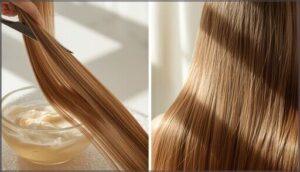
Regular trims and conditioning treatments protect your hair from the daily wear that slows growth.
Trimming doesn’t make hair grow faster, but it prevents breakage from traveling up the shaft. Here’s how to use trims and conditioning to keep your hair strong and healthy.
Benefits of Regular Trims
Trimming doesn’t accelerate hair growth rate—your hair still grows about half an inch monthly. However, regular trims every 8 to 12 weeks prevent split end progression, reducing breakage that mimics stalled growth.
By removing damaged ends, you preserve length rather than losing it to breakage. This split end prevention and breakage reduction strategy maintains healthy ends, making your hair care routine more effective and supporting the appearance of consistent hair growth.
Deep Conditioning Treatments
Your hair thrives on deep conditioning treatments applied 1 to 2 times weekly. Hair masks with proteins like keratin rebuild damaged strands, while emollients such as shea butter and argan oil lock in moisture repair.
Apply mid-length to ends, leave for 20 to 30 minutes, then rinse with cool water. This hair nourishment practice directly promotes hair growth by reducing breakage and improving strand resilience.
Weekly Conditioning With Essential Oils
Weekly conditioning routines with essential oil blends offer targeted scalp nourishment when applied correctly. Dilute peppermint or rosemary essential oil at 1 to 4 percent concentration in jojoba or coconut carrier oil for ideal hair growth support.
- Massage the mixture into your scalp for 3 minutes using circular scalp massage techniques
- Leave on for 20 to 30 minutes under a warm towel
- Rinse thoroughly with mild shampoo to prevent buildup
- Perform patch tests before introducing new oil dilution methods
Frequently Asked Questions (FAQs)
How can I support hair growth?
You can support hair growth by eating at least 50 grams of protein daily, massaging your scalp to boost blood flow, and using keratin supplements to strengthen follicles during the hair growth cycle.
What works best for hair growth quickly?
Combine daily scalp massage, high-protein meals, and heat protectant sprays to promote hair growth.
Natural hair growth supplements with biotin boost the hair growth cycle. Growth boosters like minoxidil accelerate fast regrowth when used consistently.
How can a healthy diet help hair growth?
You could say diet is the root of the matter. A nutrient-rich diet supplies protein, iron, biotin, and omega-3s—building blocks your follicles need.
Balanced nutrients for hair growth beat hair supplements alone every time.
How can I make my hair grow faster and stronger?
To grow hair faster and make it stronger hair, focus on scalp health and follicle care through nutrient-dense foods, gentle handling, stress management, and hair growth treatments that support natural growth patterns and thickness.
How do you get hair growth?
Hair growth demands a paradox: you must damage less to gain more. Prioritize scalp health and hair follicle stimulation through diet and nutrition for hair, while managing environmental factors and respecting your hair cycle across different hair types.
Does hair care really boost hair growth?
Yes. Proper hair care routines protect follicle health and minimize breakage that shortens strands.
Scalp health, gentle handling, and targeted hair nutrition importance directly influence growth cycles and hair texture during active growth phases.
Can you wash your hair every day?
Despite common warnings, washing every day won’t destroy your hair—if you choose gentle products suited to your hair type and scalp sensitivity, use lukewarm water temperature, and condition properly.
Does weather affect hair growth?
Weather doesn’t directly slow hair growth, but seasonal hair changes matter.
Cold air, humidity effects, and temperature fluctuations cause dryness and breakage, while wind damage increases split ends—all reducing visible length retention.
How long does it take to speed up hair growth?
Most regrowth timelines span 2 to 4 months with treatments like minoxidil, though consistent scalp health tips and follicle stimulation through massage can show subtle improvements in 3 to 6 weeks for some.
Does your hair grow slower as it gets longer?
No, hair growth pace stays constant at about half a centimeter monthly.
Longer hair simply shows more breakage factors and wear. The length limits you see reflect growth cycles and scalp health, not slower growth.
Conclusion
Your follicles aren’t failing you—they’re responding to your hair growth choices. What to do for better hair growth boils down to consistency: feed your scalp the nutrients it needs, handle strands like fragile fiber, and keep stress from hijacking your hormones.
You won’t reverse genetics, but you can reclaim what controllable factors stole. Start with one change today. Stack another next week. Six months from now, your mirror will reflect the effort.