This site is supported by our readers. We may earn a commission, at no cost to you, if you purchase through links. This content is for general informational and educational purposes only and is not a substitute for professional medical, dermatological, or nutritional advice.
Hair loss isn’t always a scalp problem. Often, it’s a plate problem. Follicles rank low on your body’s priority list, so when nutrients run short, hair growth stalls before anything else suffers.
That’s why chronic dieting, restrictive eating, or low iron and protein intake shows up in thinning strands months later. Your hair reflects what you’ve eaten recently, not what you’re eating today.
The right foods to eat for hair growth supply the amino acids, minerals, and vitamins follicles need to stay in their active growth phase longer. Twenty of them, backed by nutrition science, follow below.
Table Of Contents
- Key Takeaways
- Protein-Rich Foods for Stronger Hair
- Iron and Zinc Foods for Hair Growth
- Omega-3 and Vitamin D Foods
- Vitamin-Rich Fruits and Vegetables
- Building a Hair-Healthy Diet
- Frequently Asked Questions (FAQs)
- Which foods increase hair growth?
- What to drink to grow hair?
- What not to eat when growing hair?
- What are the big 3 for hair regrowth?
- What foods help hair growth?
- How can a healthy diet improve hair growth?
- What foods help with hair loss?
- What vitamin am I lacking if my hair is falling out?
- What stimulates hair growth best?
- What foods help grow thick hair?
- Conclusion
Key Takeaways
- Hair loss usually reflects what you ate months ago, not today, since follicles are low on your body’s priority list for nutrients.
- Protein, iron, and zinc are the "big three" for regrowth, found in foods like eggs, lean beef, lentils, oysters, and white beans.
- Pairing iron-rich foods with vitamin C (like spinach with citrus) can boost iron absorption from 15% up to 35%.
- Omega-3s and vitamin D from foods like salmon, sardines, and trout work together to calm scalp inflammation and support follicle health.
Protein-Rich Foods for Stronger Hair
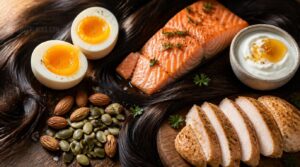
Your hair is made almost entirely of a protein called keratin, so what you eat directly shapes how strong each strand grows. Skimping on protein shows up fast, from slower growth to strands that snap under pressure. Here are five protein sources worth putting on your plate.
Pairing these protein-rich foods with other proven best hair growth techniques can help you get the most out of every strand.
Eggs and Keratin Production
Your morning omelet does more than fill you up, it feeds keratin production directly. Eggs deliver high-quality protein and biotin, the two building blocks your hair follicles need most.
- Amino acids from egg protein rebuild strand structure
- Biotin (about 10 mcg per egg) helps keratin synthesis
- Egg yolk nutrients nourish follicles from within
- Regular intake helps prevent deficiency-related thinning
One cooked egg alone provides about 33% of your daily biotin, making it one of the most efficient keratin-supporting foods you can eat.
Lean Beef and Protein
Eggs cover biotin, but keratin synthesis also demands raw amino acids at scale. That’s where lean beef earns its place: a 3-ounce serving delivers about 25 grams of complete protein with a strong amino acid profile for follicle repair.
Choosing lean cuts keeps saturated fat under 4.5 grams per serving while supporting muscle repair and steady protein absorption, fueling growth without excess fat intake.
Beans and Lentils
Beef covers amino acids, but legumes bring a mineral bonus animal protein can’t match. Lentils pack 9 grams of protein and 3.3 mg iron per half cup, plus 179 mcg folate for DNA synthesis in follicle cells.
Their fiber content feeds gut bacteria, improving nutrient absorption. Pair beans with vitamin C for better iron absorption and stronger, thicker strands.
Soybeans and Spermidine
Legumes aren’t the only plant protein worth your attention. Soybeans contain spermidine, a natural polyamine concentrated in the germ, not the cotyledon.
Spermidine triggers autophagy, your cells’ cleanup process, and may prolong the growth phase in hair follicles.
Top spermidine sources:
- Natto
- Tempeh
- Edamame
- Soy flour
- Miso
Quinoa for Follicle Support
Since quinoa isn’t a true grain, it earns its spot here as a complete protein source, supplying all nine essential amino acids your hair follicles need for keratin synthesis.
This gluten-free grain alternative also delivers dietary fiber, plus a solid mineral supply of iron and zinc. Rinse it well; that step removes bitter saponins before cooking.
Iron and Zinc Foods for Hair Growth
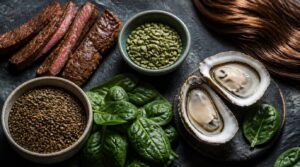
Iron and zinc play a direct role in keeping your hair follicles active and your strands strong. When either mineral runs low, you may notice more shedding or slower regrowth than usual. Here are five foods that can help you close that gap.
Oysters for Zinc and Iron
Few foods pack more zinc per bite than oysters, and that matters for anyone battling hair thinning. Zinc content varies widely by species: Pacific oysters offer around 9 mg per 100 g, while Atlantic varieties can hit 74.7 mg.
Pairing zinc-rich oysters with antioxidant-packed berries rounds out a hair-friendly nutrient strategy that tackles thinning from multiple angles.
Iron here is highly bioavailable. Cook thoroughly, since raw oysters carry bacterial risks, and watch for cadmium in smoked varieties.
- Zinc helps keratin synthesis
- Iron fuels follicle oxygen delivery
- Bioavailability beats plant sources
- Cooking reduces bacterial risk
- Source matters for heavy metals
Spinach and Folate
Popeye had a point, minus the iron myth. Spinach delivers folate, vitamin B9, fueling one-carbon pathways behind DNA synthesis in fast-growing hair follicles.
| Factor | Detail |
|---|---|
| Total folate | 54.1–173.2 mcg/100g |
| Major vitamer | 5-CH3-H4 folate (~52%) |
Folate content varies by accession. Cooking lightly preserves retention; deficiency signs include fatigue and shedding.
Pumpkin Seeds and Magnesium
A small handful of pumpkin seeds packs a mineral punch few snacks can match.
- 28 g (about a handful) supplies close to 150 mg magnesium
- Adults need roughly 300–400 mg daily
- Seeds also deliver iron and zinc for follicle repair
- Soaking or sprouting cuts phytic acid, boosting mineral absorption
Magnesium helps protein synthesis and reduces fatigue, both tied to healthy hair growth.
White Beans and Minerals
One cup of white beans delivers 44% DV iron and 27% DV zinc, plus 25% DV potassium and 32% DV magnesium.
| Mineral | Amount/Cup | % Daily Value |
|---|---|---|
| Iron | 7.8 mg | 44% |
| Zinc | 2.9 mg | 27% |
| Magnesium | 134 mg | 32% |
Pair beans with vitamin C to boost iron bioavailability from 15% to 35%, supporting oxygen delivery and follicle repair.
Buckwheat and Silica
Silica rarely gets attention, yet this trace mineral in buckwheat may help preserve hair strength and elasticity. Whole-grain buckwheat flour retains more hull, meaning more silica than refined versions.
Buckwheat also supplies zinc, iron, and copper, trace minerals tied to absorption and follicle function. Choose whole or minimally processed buckwheat products to get the most out of these benefits for hair growth.
Omega-3 and Vitamin D Foods
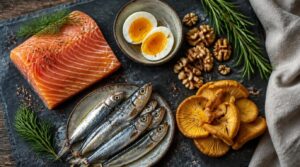
Your scalp needs more than iron and zinc to keep hair growing strong. Omega-3 fatty acids and vitamin D work together to support follicle health and reduce shedding. Here are five foods that deliver both.
Salmon for Scalp Health
Salmon delivers 2,000-3,000 mg of omega-3s per 100g, easing scalp inflammation and calming irritation within 2-4 weeks.
- Balances sebum production
- Boosts blood circulation to follicles
- Strengthens hair shafts, cutting breakage by 35%
Choose wild-caught when possible; sockeye offers roughly 1.8g omega-3s per 100g versus Atlantic’s 1.2g, giving your follicles more fuel.
Rainbow Trout and Vitamin D
Vitamin D deserves its own spotlight, and rainbow trout delivers: a 3-ounce fillet packs 645 IU, roughly 81% of your daily value. That’s D3, the bioavailable form your body already makes from sunlight, supporting hair follicle development directly.
Wild trout beats farmed (988 IU vs. 388 IU per 3.5 oz). Bake it in foil; you’ll retain up to 114% of that vitamin D.
Sardines for Hair Density
Small and mighty, sardines pack omega-3 fatty acids, protein, and vitamin D into one budget-friendly can.
That trio helps scalp circulation, follicle strength, and hair density over time.
- EPA/DHA lower scalp inflammation
- Vitamin D aids follicle development
- Protein rebuilds hair structure
- Zinc and selenium round out mineral support
- Calcium and B12 add nutrient density
Choose BPA-free cans packed in water or oil.
Chia and Flax Seeds
Two tablespoons of chia deliver 10 grams of fiber, mostly insoluble, plus omega-3s at roughly 68% of total fat content.
Flax contributes alpha-linolenic acid and lignans, plant compounds with antioxidant properties.
Together they support the hair growth cycle through essential fatty acid balance.
Drink plenty of water with them; insufficient fluid intake can cause bloating and digestive discomfort.
Egg Yolks and Vitamin D
While the whites build keratin, the yolk quietly delivers vitamin D, present as cholecalciferol and 25(OH)D3.
Eating eggs weekly, even 7 per week, blunts winter’s vitamin D decline.
Yolk fat aids absorption, carrying vitamin D through chylomicrons to nourish follicles and oxygenate the scalp.
Fortified eggs boost this further. Cholesterol rises modestly too, so balance intake accordingly.
Vitamin-Rich Fruits and Vegetables
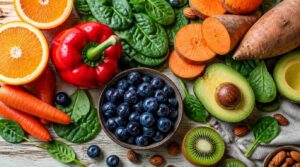
Protein and minerals build the structure of your hair, but fruits and vegetables round out the picture. These foods bring antioxidants, vitamin A, vitamin C, and vitamin E to the table, each protecting your follicles in a different way. Here’s what to add to your plate.
Berries and Antioxidants
Color is chemistry. Anthocyanins give blue, purple, and red berries their pigment and fight oxidative stress at the follicle level.
- Vitamin C for collagen support
- Polyphenols for free radical neutralization
- Fiber for overall diet quality
Blueberries, raspberries, and strawberries each offer a different phenolic mix, so rotating varieties broadens your antioxidant intake, fresh or frozen.
Bell Peppers and Collagen
Ripe past green, red bell peppers pack 190 mg vitamin C per 100g, fueling collagen synthesis that strengthens hair fiber. This vitamin activates prolyl and lysyl hydroxylase enzymes, boosting collagen production threefold within 24 hours.
Raw peppers boost antioxidant protection and nutrient bioavailability. Eating just 100g doubles your daily requirement, giving follicles steady support for hair growth and strength.
Sweet Potatoes and Vitamin A
That vibrant orange flesh isn’t just for show. Sweet potatoes are among the top dietary sources of beta carotene, a carotenoid your body converts into vitamin A, supporting follicle nourishment and healthy sebum production.
Carotenoid levels vary by variety, but orange flesh types deliver the highest provitamin A activity. Regular intake helps address deficiency-related hair thinning through steady, natural conversion.
Avocados and Vitamin E
Fat and vitamin E go hand in hand, and avocados deliver both. A half avocado provides about 1.34 mg of alpha-tocopherol, working as an antioxidant against oxidative stress on scalp lipids.
- Helps protect scalp lipids
- Aids vitamin E absorption via fat
- Provides monounsaturated fats
- Contains low sugar, ample fiber
- Contributes toward your 15 mg daily need
Citrus Fruits and Iron Absorption
Iron alone isn’t enough if your body can’t absorb it. Citrus fruits boost non-heme iron absorption from plant foods like beans and lentils through vitamin C and citric acid.
| Pairing | Benefit |
|---|---|
| Orange + spinach | Higher iron uptake |
| Lemon + lentils | Improved bioavailability |
| Grapefruit + beans | Enhanced absorption |
| Lime + quinoa | helps with collagen, hair strength |
Eat citrus alongside iron-rich meals, not separately, for best results.
Building a Hair-Healthy Diet
No single food builds strong hair on its own. Your results depend on how you combine nutrients, correct gaps, and structure your daily meals. Here’s what that looks like in practice.
Balance Protein and Produce
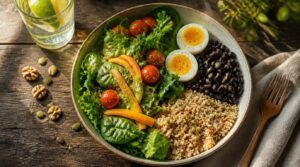
Think of your plate as a follicle-building blueprint. Fill half with vegetables or fruit, one quarter with protein sources for hair like eggs or beans, and one quarter with whole grains.
- Zinc-rich beans meet iron-rich greens
- Vitamin C produce boosts absorption
- Fiber helps steady nutrient transit
- Balance beats restriction for biotin hair growth
This protein-produce ratio delivers antioxidants and omega-3 fatty acids together, naturally.
Pair Iron With Vitamin C
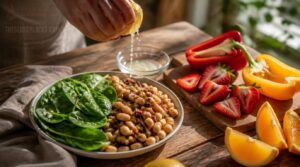
That plate ratio only works if your body actually absorbs the iron on it. Nonheme iron from spinach or beans needs vitamin C to help absorption.
| Iron Source | Vitamin C Pair | Effect |
|---|---|---|
| Spinach | Strawberries | Boosts absorption |
| Beans | Bell peppers | Improves uptake |
| Oysters | Citrus | Heme iron, less critical |
Squeeze lemon over greens. Simple habit, real payoff.
Include Nuts and Seeds
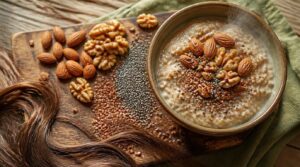
Vitamin C absorption matters, but so does what’s on your snack plate. Nuts and seeds pack zinc, vitamin E, and omega-3 fatty acids into a small serving, supporting follicle strength and scalp lipid protection.
Almonds, walnuts, chia, and flaxseed offer nutrient density beyond calories. Sprinkle them on oatmeal or salads. Small habit, steady payoff for your hair.
Correct Diagnosed Nutrient Deficiencies
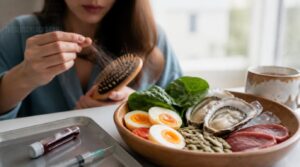
Snacks only go so far if you’re dealing with a real gap. Fatigue, brittle nails, or shedding clumps signal it’s time to confirm with a blood test, not guess.
- Watching handfuls of hair collect in the shower drain
- Feeling exhausted no matter how much you sleep
- Noticing pale skin or constant cold hands
- Wondering if you’re failing your own body
Low iron, zinc, biotin, or vitamin D often needs targeted foods, absorption fixes, or supplementation.
Limit Ultra-Processed Foods
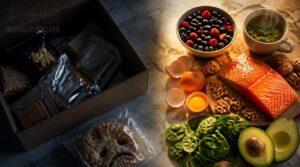
Every meal you build with eggs, salmon, and berries loses ground if the rest of your plate comes from a box. Read ingredient labels and watch for hydrogenated oils, emulsifiers, or high-fructose corn syrup, hallmarks of ultra-processing. Check sodium levels and added sugar too; over 20% daily value signals trouble. Choose whole foods instead, they simply deliver more for your follicles.
Eggs and salmon can’t save a plate built from a box, so choose whole foods for your follicles
Frequently Asked Questions (FAQs)
Which foods increase hair growth?
Load up on eggs, salmon, and spinach for protein and iron, then add sweet potatoes, avocados, nuts, seeds, legumes, and citrus fruits. Together, these nutrients strengthen keratin, boost circulation, and shield follicles from oxidative stress.
What to drink to grow hair?
Hydration matters as much as food. Water and green tea support scalp circulation, while protein shakes, collagen drinks, biotin smoothies, and vitamin C juices deliver targeted nutrients, and horsetail tea adds silica for stronger, thicker strands.
What not to eat when growing hair?
Funny how what you skip matters as much as what you eat. Limit added sugars, refined carbs, alcohol, and ultra-processed foods with trans fats. Watch for dairy sensitivity too, since these can spike insulin and worsen scalp inflammation.
What are the big 3 for hair regrowth?
Think protein, iron, and zinc. These three drive protein synthesis, follicle activation, and oxygen delivery to the scalp. Pair them with omega-3s and biotin for real nutrient teamwork, and you’ve covered the foundation regrowth depends on.
What foods help hair growth?
Your follicles run on specific nutrients, not luck. Eggs and fatty fish supply protein and biotin for keratin production, while spinach delivers iron and folate. Berries add antioxidants that guard against oxidative stress, supporting stronger, denser hair growth.
How can a healthy diet improve hair growth?
Your body rebuilds hair from what you eat. Protein, iron, zinc, omega-3s, and vitamin C work together, fueling keratin production, oxygen delivery, and follicle repair while correcting deficiencies that cause thinning, shedding, or stalled growth cycles.
What foods help with hair loss?
The fix for thinning hair often sits on your plate, not your scalp. Eggs, fatty fish, nuts, and spinach deliver biotin, iron, zinc, and omega-3s that strengthen follicles, curb shedding, and rebuild hair from the inside out.
What vitamin am I lacking if my hair is falling out?
Shedding hair often points to low iron levels, vitamin D deficiency, or poor zinc status. B12 testing, folate assessment, and biotin levels matter too. Bloodwork confirms which deficiency needs correcting, since guessing wastes time and money.
What stimulates hair growth best?
Like Samson’s strength tied to his hair, your follicles draw power from nutrition. Protein, biotin, zinc, and iron work together, while omega-3s calm inflammation and vitamin D activates follicle receptors, together stimulating stronger, faster hair growth.
What foods help grow thick hair?
Thick strands need protein and minerals working together. Eggs, salmon, and oysters supply keratin-building protein plus zinc and iron. Spinach adds folate, sweet potatoes deliver vitamin A, and quinoa rounds out your plate with follicle-supporting nutrients.
Conclusion
you’re what you eat" undersells the truth. You’re what you absorbed three months ago, and hair proves it.
Consistent foods to eat for hair growth rebuild the raw materials, protein, iron, zinc, and omega-3s, that follicles need to stay in growth mode instead of shedding early.
No single food works alone. Your plate, over months, decides whether strands thicken or thin.
Feed the pattern, not the panic, and your hair will show the payoff.