This site is supported by our readers. We may earn a commission, at no cost to you, if you purchase through links. This content is for general informational and educational purposes only and is not a substitute for professional medical, dermatological, or nutritional advice.

You mixed the wrong shade, and now your hair looks more “muddy swamp” than “caramel dream.” Panic sets in. Can you dye your hair twice in one day to fix this disaster, or will you wreck your strands beyond repair? The short answer: technically yes, but your hair might stage a rebellion.
Double dyeing in a single session stresses the cortex—those disulfide bonds that keep your hair strong can snap under repeated chemical assault. Yet thousands of people do it anyway when facing color emergencies or chasing a dramatic transformation.
The trick lies in knowing when your hair can handle the extra processing and when you’re better off waiting. If you’re weighing the risks against your desperation for that perfect hue, understanding the damage potential and protective strategies makes all the difference between a salvaged look and a fried mess.
Table Of Contents
- Key Takeaways
- Can You Dye Your Hair Twice in One Day?
- Risks of Dyeing Hair Twice in One Day
- How to Safely Dye Hair Twice in One Day
- Essential Precautions Before Double Dyeing
- Best Aftercare for Double-Dyed Hair
- Alternatives to Dyeing Hair Twice in One Day
- How Long to Wait Between Dye Sessions
- Top 5 Hair Dyes and Kits for Safe Use
- Frequently Asked Questions (FAQs)
- Conclusion
Key Takeaways
- You can technically dye your hair twice in one day, but it’s a high-risk move that stresses your hair’s protein bonds and can lead to breakage, brittleness, and uneven color—especially if your strands are already compromised.
- Double dyeing works best when you wait 24-48 hours between sessions, use ammonia-free or semi-permanent formulas, and prep your hair with deep conditioning masks to minimize damage and improve dye absorption.
- The biggest red flags to avoid double dyeing include recently bleached hair, visible breakage or thinning, scalp sensitivity, and brittle ends—pushing through these warning signs can cause permanent damage that no color is worth.
- Aftercare is non-negotiable: skip heat styling for at least 48 hours, switch to sulfate-free shampoos with color-safe conditioners, and commit to weekly deep conditioning treatments to restore moisture and protect your investment.
Can You Dye Your Hair Twice in One Day?
You can technically dye your hair twice in one day—but whether you should is a different story. There are specific situations where people end up doing back-to-back color jobs, though it’s not something most colorists recommend without serious consideration.
If you end up with patchy or uneven results from your first dye job, that’s usually when the second application comes into play.
Let’s look at when this actually happens, why you might consider it, and what you can realistically expect from the results.
Situations When Double Dyeing Occurs
Mistakes happen—fast. You might try a new shade and realize it’s all wrong, or watch your favorite red fade to pink after just one wash.
Color correction often demands a second round to fix unexpected tones or uneven patches. Double processing also kicks in when you’re going darker to cover breakage or balancing roots with mid-lengths.
Sometimes double dyeing is your quickest escape route from a dye disaster.
Reasons People Consider It
So why push for fast results with double dyeing? You want a dramatic color change without juggling multiple appointments. Hair trends move quickly, and convenience wins when you’re chasing bold looks for an event or just craving instant transformation.
People also double up to deepen faded shades, correct patchy tones, or match a specific hue they swatched—all in one shot.
Common Outcomes to Expect
Dyeing hair twice brings fast color shift—but often with damage risk attached. Your hair texture changes right away, feeling heavier or rougher from chemical processing and damage.
Expect visible tone differences within 24 hours as pigment layers stack. Hair breakage can start if strands were already fragile.
Fade patterns split between the two applications, and dye longevity depends heavily on how well your hair health holds up after double sessions.
Risks of Dyeing Hair Twice in One Day
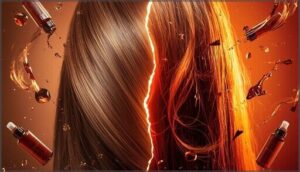
Look, I’m not here to sugarcoat it—dyeing your hair twice in one day is a gamble with your strands. The chemicals don’t care about your color goals; they’re busy stripping, weakening, and potentially wrecking what you’ve got.
Dyeing your hair twice in one day is a gamble—chemicals strip and weaken strands regardless of your color goals
Let’s break down exactly what you’re risking before you commit to that second round.
Hair Damage and Breakage
Your hair cuticles take a beating when you double up on dye—they lift, crack, and create friction that leads directly to split ends and breakage. Here’s what happens:
- Chemical damage weakens the disulfide bonds in your hair’s cortex, reducing elasticity
- Porosity issues develop as lifted cuticles allow pigment to escape, causing color fading
- Hair breakage accelerates as strands lose moisture and become brittle from root to tip
Skin and Scalp Irritation
Chemical exposure doubles when you dye your hair twice, which means twice the irritation risk. Your scalp might react with burning, itching, or redness—especially if you’re sensitive or skipped that patch test!
| Irritation Trigger | What to Watch For |
|---|---|
| PPD allergens | Redness, swelling, itching |
| Fragrances | Contact dermatitis, burning |
| Preservatives | Flaking, pustules |
| Cumulative exposure | Inflammation over time |
Protect yourself with barrier cream and fragrance-free formulas.
Uneven or Patchy Color Results
Saturation mishaps turn your dye job into a patchwork nightmare. When you process twice in one day, damaged ends grab more pigment than healthy roots, leaving you with patchy roots and uneven color variation across your head.
Hair porosity varies wildly after the first round, so your second application creates unpredictable results:
- Darker patches at porous midlengths
- Lighter streaks where dye saturation fails
- Mismatched tones requiring professional color correction
For best results, learn how to avoid and correct uneven hair dye application.
Long-Term Hair Health Effects
The aftermath stretches far beyond your bathroom mirror. Back-to-back dyeing weakens protein bonds in your cortex, reducing elasticity and setting you up for months of breakage prevention struggles. Your hair cycles get disrupted, scalp irritation lingers, and color longevity tanks as porous strands fade faster than healthy ones.
Hair restoration becomes your new reality—not just a quick fix.
| Impact Area | Long-Term Consequence |
|---|---|
| Hair fiber damage | Persistent brittleness and reduced strength for 6+ months |
| Color damage | Faster fading and dullness requiring frequent touch-ups |
| Hair breakage | Ongoing split ends traveling up weakened shafts |
| Hair loss | Stressed follicles may shed more during growth cycles |
How to Safely Dye Hair Twice in One Day
Look, if you’re set on dyeing your hair twice in one day, you need to be smart about it. The difference between damaged, straw-like hair and a successful color transformation comes down to a few critical steps.
Let’s break down how to assess your hair, time your applications, and choose the right formula to minimize the risk.
Assessing Hair Condition Before Dyeing
Before you grab that dye bottle, give your hair a reality check—it’s the difference between a bold transformation and a brittle disaster.
Here’s your pre-dye checklist:
- Elasticity Test: Wet a strand and pull gently; healthy hair stretches 20 to 40 percent before snapping.
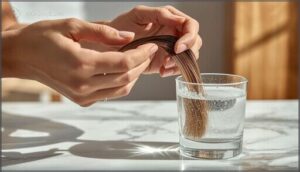
- Hair Porosity Check: Drop a clean strand in water—if it sinks fast, you’ve got high porosity that absorbs color quickly.
- Scalp Inspection and Damage Assessment: Look for irritation, split ends, or uneven color from your Color History.
Your hair condition dictates everything, so don’t skip this step.
For additional guidance, check how to assess your hair with this helpful hair health assessment guide.
Timing and Spacing Between Applications
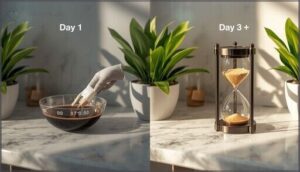
Timing is your secret weapon—rush it, and you’re inviting disaster. Wait at least 48 hours after your first dye before round two to slash scalp irritation and give your hair recovery time.
For major color lift timing or permanent dyes, push that dye session spacing to two weeks minimum. Processing intervals matter more than you think—your hair needs breathing room between chemical assaults, regardless of developer strength or hair dyeing frequency.
Choosing The Right Dye Formula
Your formula selection determines whether you’ll walk away with vibrant hair color or fried strands. Opt for ammonia-free formulas with built-in bond builders—they minimize chemical reactions that trash your cuticle during back-to-back sessions.
Semi-permanent dye works brilliantly for toning without heavy lift, while permanent dye should only hit virgin roots.
Check product reviews for real-world damage reports, and skip anything promising miracle transformations—color theory doesn’t lie.
Essential Precautions Before Double Dyeing
Before you go rogue and reach for that second box of dye, let’s pump the brakes and talk prep work. Double dyeing isn’t something you can wing—your hair needs the right foundation, and you need a clear-eyed view of what’s actually possible.
Here’s what you absolutely must consider before committing to back-to-back color sessions.
Hair Preparation Tips
Protect your hair strand before you begin—proper pre-dye prep is your secret weapon against damage. Here’s your battle plan for scalp care, moisture balance, and color planning:
- Apply a 20 to 30 minute conditioning mask to boost elasticity
- Skip washing 24 to 48 hours before to preserve natural oils
- Use a clarifying shampoo 24 hours prior to remove buildup
- Perform a strand test to confirm your shade matches
- Section hair evenly and gather all tools before starting
Realistic Expectations and Limitations
Even with all your prep work locked in, you won’t achieve salon-perfect results at home—and that’s okay! Expect Color Shift Risks like unexpected undertones or uneven saturation due to Chemical Reactions between formulas. Hair Porosity changes after the first dye, so strand two absorbs differently.
Damage Control means accepting some dryness, not miracle hair. Managing Dye Timing and hair damage prevention starts with honest expectations about what double hair coloring can deliver.
When to Avoid Double Dyeing
Some hair simply can’t handle a second round—full stop. If you’ve bleached recently, skip double dyeing entirely; the Hair Damage Risks skyrocket with Dye Overlap on compromised strands.
Scalp Sensitivity from dermatitis? Hard pass. Brittle ends, active breakage, or visible thinning means your hair’s waving a red flag.
Ignoring Hair Breakage warnings invites permanent damage—no color’s worth that trade-off.
Best Aftercare for Double-Dyed Hair
You’ve pushed your hair through two rounds of dye in one day—now it needs some serious TLC to bounce back.
The next few weeks are critical for keeping your color vibrant and your strands from snapping off like dry twigs. Here’s exactly what your double-dyed hair needs to recover and thrive.
Deep Conditioning and Moisture Restoration
You just put your hair through the wringer—now it’s time for serious Moisture Balance! Deep Conditioning masks packed with humectants and proteins are your rescue squad.
Apply a rich Hair Mask for 20-40 minutes to restore hydration and kickstart Protein Repair. Look for Hair Products with keratin and glycerin—they’ll rebuild what double dyeing stripped away and guard against further Hair Damage.
Avoiding Heat Styling Post-Dye
Step away from the heat tools for at least 24 to 48 hours—your color needs time to lock in! Thermal Shielding starts with air drying and Gentle Styling Tips like loose braids or silk pillowcases.
When you finally style, use Color Safe Products with Heat Protection Methods and keep tools below 350°F. Your Post Dye Care routine depends on this cooling-off period for Hair Damage Prevention!
Sulfate-Free Shampoos and Color-Safe Conditioners
Your best weapon for Color Preservation? Sulfate Alternatives that deliver Gentle Cleansing without stripping pigment or Moisture Balance. These formulas protect color-treated hair by relying on mild surfactants—keeping your shade vibrant while supporting Hair Protection and hair health and maintenance.
Pair with color-safe conditioners loaded with proteins and ceramides, and you’ve got serious hair damage prevention working in your favor!
Monitoring Hair Health After Dyeing
Vigilance is your friend here—watch for signs like rough texture, excessive shedding, or scalp sensitivity that linger past 72 hours.
Check hair moisture levels daily; if strands snap easily, ramp up post-dye nutrition with protein masks.
Track color fade prevention by noting how quickly pigment washes out.
Persistent scalp irritation or visible breakage? That’s your cue to pause and prioritize hair cuticle repair before any future dyeing.
Alternatives to Dyeing Hair Twice in One Day

Look, you don’t have to push your hair to the breaking point just to get the color you want. There are smarter ways to fix color mishaps or switch things up without the double-dose damage.
Let’s explore some gentler alternatives that’ll actually get you closer to your dream shade—without the regret.
Using Semi-Permanent or Temporary Dyes
Semi-permanent dye and temporary dyes are your safety net when you’re itching for change without the commitment—or the damage. Semipermanent dye coats the hair cuticle and fades after 4 to 12 washes, while temporary formulas wash out in just one shower.
Understanding hair porosity helps you predict how long color will stick, and choosing ammonia-free dye formulas keeps irritation low. Perfect for bold experiments with minimal risk!
Color-Correcting With Glazes or Toners
Glazes and toners let you tweak color without another full dye job—they’re your secret weapon for hair correction when pigmentation goes rogue. Using color theory, you can neutralize brassy tones or deepen dimension through precise toner applications and glaze techniques:
- Violet toners cancel yellow undertones in blonde hair
- Blue-based glazes neutralize orange or copper casts
- Translucent layers unify uneven color along your length
Perfect for fearless color correction!
Consulting a Professional Colorist
When your color goes sideways, a professional colorist becomes your best ally—they decode what went wrong and map out a rescue plan. During a color consultation, they perform a detailed hair analysis to assess damage and determine whether correction is even safe at the moment.
| What They Assess | Why It Matters | Your Next Step |
|---|---|---|
| Porosity and elasticity | Determines if hair can handle more processing | Wait or proceed with caution |
| Current color depth | Guides dye selection for correction | Avoid guesswork mishaps |
| Chemical history | Prevents over-processing disasters | Build a timeline together |
Professional guidance protects you from compounding mistakes while teaching you smarter hair coloring techniques and hair damage prevention strategies for future adventures!
How Long to Wait Between Dye Sessions

Patience isn’t your strong suit—I get it. But rushing back to the bowl before your hair’s ready can wreck everything you worked for.
The timing between dye sessions depends on your formula choice, your hair’s current condition, and what the pros actually recommend when liability’s on the line.
Permanent Vs. Semi-Permanent Dye Timing
Timing your dye application depends entirely on the formula you’re using. Permanent dye locks in with chemical bonds and usually lasts 4 to 6 weeks before noticeable color fading—plan touch-ups every 4 to 8 weeks.
Semipermanent hair coloring coats the surface and fades after 4 to 12 washes, requiring refreshes every 2 to 6 weeks to maintain vibrancy and prevent damage.
Signs Your Hair Needs a Break
Your hair will tell you when enough is enough—you just need to listen. Watch for split ends catching the light, increased hair breakage when brushing, or scalp irritation that won’t quit.
Color fading unevenly signals damaged hair with shifting hair porosity. Brittle texture, constant tangling, and visible thinning scream that your strands need serious rest before any more processing happens.
Recommendations From Professional Stylists
Most professional stylists won’t green-light two full dye applications in a single day—you’re looking at two to four weeks minimum between color correction sessions.
If you need a dramatic hair transformation, book a stylist consultation first to map out a safe timeline. Professional guidance prevents hair damage and ensures your dye job delivers real results, not a hair-dyeing safety disaster.
Top 5 Hair Dyes and Kits for Safe Use
If you’re planning to dye your hair twice in one day, choosing the right products can make all the difference between damage and success. Not all dyes are created equal—some are gentler on your strands while still delivering the color payoff you’re after.
Here are five solid options that strike a balance between effectiveness and hair health.
1. Clairol Root Touch Up Hair Dye
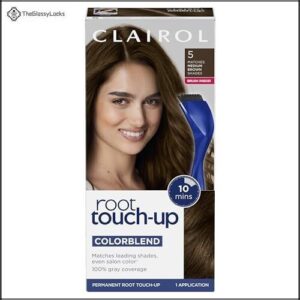
Need a quick fix between full color sessions? Clairol Root Touch Up delivers permanent color that knocks out gray coverage in just 10 minutes—perfect when you’re racing against regrowth.
The ColorBlend Technology seamlessly merges new growth with your existing shade using a two-cream system and precision brush. It matches Clairol’s salon range, so you won’t end up with mismatched roots.
Just know that thick hair might need more than one kit, and some users report faster fading with frequent washing.
| Best For | Anyone with gray roots who needs permanent color fast—especially if you’re between salon appointments and want something that matches professional shades. |
|---|---|
| Coverage | 100% gray coverage |
| Form | Cream |
| Color Shade | 5 Medium Brown |
| Application Time | 10 minutes |
| Conditioning | Included |
| Hair Type | All hair types |
| Additional Features |
|
- Covers gray completely in 10 minutes with permanent color that actually lasts
- ColorBlend Technology matches your existing color so roots blend naturally
- Comes with salon-quality brush and bowl that make application way easier than squeezing from a bottle
- One kit might not be enough if you have thick or long hair
- Some people find it fades faster than expected with regular washing
- Pricey for the amount you get, especially if you need multiple boxes
2. Garnier Dark Brown Hair Color Cream
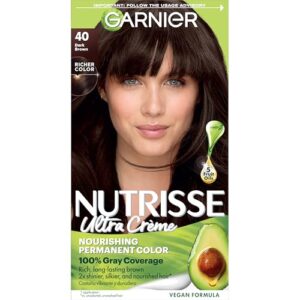
Craving rich chocolate tones without the salon price tag? Garnier Color Naturals Creme in Dark Brown delivers permanent color infused with olive oil, avocado oil, and shea butter—nourishing your strands while you color.
This drugstore hero covers gray completely and usually holds vibrant for 6-8 weeks with proper care. The kit includes everything: color creme, developer, gloves, and a conditioning treatment to seal your cuticles post-dye.
Just watch out for the strong smell and potential skin staining during application.
| Best For | Anyone wanting salon-quality dark brown color at home with built-in nourishment from natural oils, especially if you need full gray coverage. |
|---|---|
| Coverage | 100% gray coverage |
| Form | Creme |
| Color Shade | 40 Dark Brown |
| Application Time | Standard processing |
| Conditioning | After-color conditioner included |
| Hair Type | All textures |
| Additional Features |
|
- Covers gray hair completely with rich, long-lasting chocolate brown color
- Infused with five nourishing oils (avocado, olive, coconut, argan, shea) that condition while coloring
- Complete kit includes everything you need plus a fruit oil treatment for extra softness
- Strong chemical smell during application that some find unpleasant
- Can stain skin and clothing easily if you’re not careful
- After-color conditioner may leave hair feeling greasy or overly oily
3. Professional Hair Coloring Kit
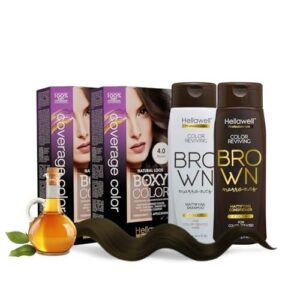
Looking to take control of your color game at home? The HELLAWELL PROFESSIONALS Brown 4.0 kit gives you everything you need—mixing bowls, precision brushes, foil sheets, and a wind-up timer so you won’t fry your hair.
At $28.45, you’re getting a vegetal protein formula for serious moisture, plus color-reviving shampoo and conditioner to keep that brunette fresh. The self-cleaning agent tech rinses out effortlessly, and you’ll score 100% gray coverage without heavy metals weighing you down.
| Best For | Anyone wanting salon-quality brown hair color at home with full gray coverage and a moisture-packed formula that won’t trash your hair. |
|---|---|
| Coverage | 100% gray coverage |
| Form | Cream |
| Color Shade | 4.0 Brown |
| Application Time | Standard processing |
| Conditioning | Shampoo and conditioner set |
| Hair Type | All hair types |
| Additional Features |
|
- Complete kit with all the tools (brushes, bowls, foil, timer) so you’re not scrambling mid-dye
- Vegetal protein formula actually hydrates while it colors, plus you get shampoo and conditioner to maintain it
- Rinses clean without a fight thanks to self-cleaning tech, and no heavy metals means healthier hair
- It’s permanent dye, so you’re committed—not ideal if you like switching things up often
- Might need a couple rounds to nail the exact shade you’re after
- If you’ve got plant allergies, the protein extract could be a problem
4. Adore Semi Permanent Hair Color Mocha
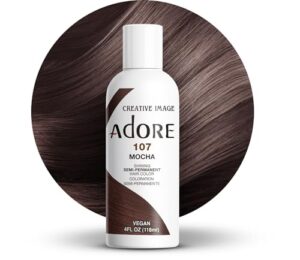
Want a gentler route to brown without the chemical warfare? Adore’s Mocha 107 delivers warm, natural-looking depth in just 25 minutes—no ammonia, no peroxide, no scalp drama.
You’re looking at 4 weeks of shine before it washes out, and it’s conditioning-friendly so your hair stays soft instead of straw-like. At four ounces for under ten bucks, you can even layer it with other Adore shades to create custom tones.
Just remember: semi-permanent means less staying power on stubborn grays.
| Best For | Anyone wanting a temporary color refresh without harsh chemicals—especially if you’re testing out brunette tones or need a gentler option for frequent color changes. |
|---|---|
| Coverage | Semi-permanent color |
| Form | Liquid |
| Color Shade | 107 Mocha |
| Application Time | Direct application |
| Conditioning | No conditioner |
| Hair Type | All textures |
| Additional Features |
|
- No ammonia or peroxide means less damage and no harsh chemical smell during application
- Lasts up to 4 weeks with vibrant, conditioning results that keep hair soft
- Super affordable at under $10, and you can mix shades to create custom colors
- Fades faster than permanent dyes, so you’ll need to reapply more often
- Can give uneven results or greenish tones on certain hair types without a strand test first
- Doesn’t cover gray or white hair as effectively as permanent color options
5. L’Oreal Paris Hair Dye
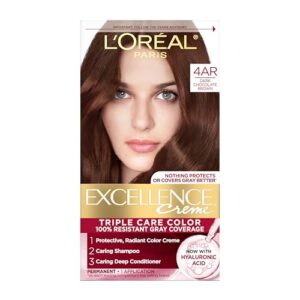
L’Oréal Paris Superior packs triple-care protection with hyaluronic acid—think moisturizer meets permanent color. You’re getting 100% gray coverage across 27 shades, plus a conditioning deep treatment that actually softens hair instead of torching it.
The 4AR Dark Chocolate Brown delivers salon-smooth results at home, though heads up: if you’re mostly gray, the coverage can look patchy against your natural base. Processing time sits around 30 minutes, and that ammonia smell lingers—so crack a window and trust the strand test before committing.
| Best For | Anyone with stubborn grays who wants salon-quality color at home without frying their hair, especially if you’re working with darker brown shades. |
|---|---|
| Coverage | 100% gray coverage |
| Form | Cream |
| Color Shade | 4AR Dark Chocolate Brown |
| Application Time | Standard processing |
| Conditioning | Deep conditioner included |
| Hair Type | All types and textures |
| Additional Features |
|
- Triple-care formula with hyaluronic acid actually conditions while it colors, leaving hair softer instead of damaged
- 100% gray coverage that lasts, with 27 shades to match different hair types and textures
- Non-drip cream formula makes application easier and less messy than runny dyes
- Coverage gets inconsistent on mostly gray hair—can look patchy against your natural color
- Ammonia smell sticks around during the 30-minute processing time, so ventilation is a must
- Requires a strand test first, which adds extra time if you’re new to the product
Frequently Asked Questions (FAQs)
Is there an all-in-one hair bleach and color kit available?
Brands like IGK Color Bright and Splat offer all-in-one kits that bleach and color in 45 minutes—perfect for accent pieces like money pieces or peek-a-boo highlights without separate steps.
Can heat styling affect dye absorption rate?
Heat absolutely ramps up dye penetration—it expands your cuticle scales so color molecules dive deeper, faster.
Warm tools shorten processing time, but watch out: too much heat can create uneven, patchy spots.
Does water hardness impact hair dye results?
Absolutely—minerals like calcium, magnesium, and copper can dull your color, create unwanted brassiness, and block dye from penetrating evenly. Hard water basically sabotages your dream shade before you even rinse!
Will double dyeing affect future color treatments?
Double dyeing leaves residual pigment that shifts how new colors appear—porous strands absorb faster, changing expected shades.
Each session raises breakage risk and can dull shine, complicating your next color adventure.
Can diet or supplements improve dye resilience?
Your follicles love good nutrition! Iron, biotin, zinc, and omega-3s strengthen strands from within, while vitamin C and E protect color.
Think of it as fueling your hair’s natural armor against damage.
Conclusion
Picture your reflection—glossy, vibrant, exactly the shade you envisioned. That’s the payoff when you dye your hair twice in one day with intention, not impulse.
Balance urgency with wisdom: test your strands, respect their limits, and fortify them afterward. Your hair forgives calculated risks far better than reckless ones.
Whether you’re rescuing a botched job or chasing transformation, the right approach turns potential disaster into controlled rebellion. Damage is optional; stunning color doesn’t have to be.