This site is supported by our readers. We may earn a commission, at no cost to you, if you purchase through links. This content is for general informational and educational purposes only and is not a substitute for professional medical, dermatological, or nutritional advice.
A few strands on the crib sheet can look bigger than they are. Parents often blame the brush, the bath, or the towel when the real issue is a scalp that’s dry, irritated, or dealing with cradle cap. That’s where the conversation around baby shampoo for hair loss gets tricky.
A gentle formula can protect natural oils, calm inflammation, and cut down on breakage, but it won’t fix every kind of shedding. The difference matters. Once you know what baby shampoo can do and where it falls short, choosing the right bottle gets a lot easier.
Table Of Contents
- What Baby Shampoo Does
- Common Causes of Baby Hair Loss
- How Baby Shampoo Helps Hair Loss
- Where Baby Shampoo Falls Short
- Best Ingredients for Scalp Health
- Ingredients to Avoid in Baby Shampoo
- How to Choose The Right Formula
- Top 5 Baby Shampoos for Hair Loss
- Can Adults Use Baby Shampoo?
- Hair Care Habits That Reduce Shedding
- Frequently Asked Questions (FAQs)
- Is baby shampoo good for fine thinning hair?
- Is baby shampoo good for falling hair?
- Which is the best shampoo for hair loss?
- Which baby shampoo is good for hair growth?
- Is baby shampoo safe for adults to use?
- Does baby shampoo help protect hair from the sun?
- Are there any natural ingredients in baby shampoo?
- Does baby shampoo help keep hair hydrated?
- Does baby shampoo help prevent split ends?
- Can baby shampoo prevent scalp irritation?
- Conclusion
What Baby Shampoo Does
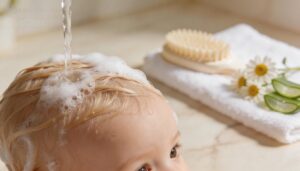
Baby shampoo isn’t just a gentler wash—it’s designed with your baby’s delicate scalp in mind. The way these formulas work can make a big difference for hair health and comfort.
Because tear-free formulas are gentle enough for daily washes near the eyes, they’re a natural fit alongside knowing safe ways to remove a stray hair from your baby’s eye.
For tips on keeping your baby’s hair soft and hydrated, check out this helpful guide on maintaining moisture balance with gentle shampoos.
Here’s what sets baby shampoo apart from the usual options you’ll find on the shelf.
How Baby Shampoo Differs From Adult Shampoo
How does baby shampoo really stand apart from adult formulas?
You’ll notice it’s made with mild surfactants and a sulfate-free formula, avoiding harsh chemicals found in regular shampoos. It’s pH balanced for scalp comfort, promotes the microbiome, and usually comes in eco-friendly packaging.
Compared to adult hair loss shampoos, baby shampoo prioritizes regulatory classification, environmental sustainability, and cost efficiency.
Mild Surfactants and Gentle Cleansing
You want a shampoo that cleans without stripping away what your scalp needs.
Mild surfactants, like those found in natural baby shampoo, offer gentle cleansing and help preserve scalp lipids. Amphoteric surfactants boost rinsing efficiency and reduce residue, even with water hardness.
A sulfate-free, gentle formula means less irritation and better scalp health—think of it as a soft washcloth, not sandpaper.
Tear-free and Low-irritation Formulas
A gentle formula isn’t just kind to your scalp—it’s crafted for ocular tolerance with buffering agents that help prevent stinging if shampoo gets in your eyes. For sensitive scalp types, a tear-free, hypoallergenic, and fragrance-free formula reduces irritation risk.
You’ll notice these features through:
- Formulation viscosity for easy rinsing
- Preservative efficacy to keep microbes out
- Stability testing for reliable comfort
Why Scalp-friendly Cleansing Matters for Hair Retention
When your shampoo respects the scalp’s oil layer, it’s like giving roots a soft shield—protecting against dryness and breakage. For instance, sulfate-free formulas and natural oils help preserve follicle hydration and microbial balance.
A gentle, sulfate-free shampoo protects your baby’s scalp like a soft shield, helping prevent dryness, breakage, and imbalance
Rinse efficiency matters, too; less residue means fewer flakes and less inflammation. That’s how gentle cleansing aids hair loss prevention and keeps scalp health steady.
| Oil Preservation | Follicle Hydration | Inflammation Reduction |
|---|---|---|
| Comfort | Strength | Calm |
| Safety | Growth | Relief |
| Trust | Balance | Hope |
Common Causes of Baby Hair Loss
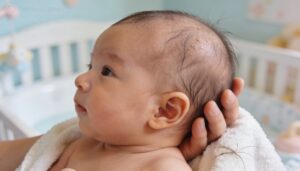
Baby hair loss can have several causes, and some are more common than you might think. Understanding what’s behind these changes helps you care for your child’s scalp with confidence.
Let’s look at the main reasons babies lose hair.
Friction From Sleep and Head Rubbing
Ever noticed how fragile hair thins right where your child’s head rubs the pillow? That’s friction at work. You can protect scalp health and prevent hair breakage by:
- Choosing Cotton Satin Bedding for less drag
- Adjusting sleep position regularly
- Avoiding headbands at night
- Keeping pillowcases clean
- Prioritizing Scalp Moisture Retention with sulfate-free, natural baby shampoo for gentle cleansing
Cradle Cap and Scalp Flaking
cradle cap looks alarming with greasy yellow scales, it’s simply the infant form of seborrheic dermatitis.
For scalp health, you’ll want to use flake removal techniques like gentle brushing and a sulfate-free, natural baby shampoo. If scales persist or spread, a dermatology referral is wise.
Natural home remedies can help, but always protect the infant scalp microbiome during dry scalp treatment.
Dry Scalp and Moisture Loss
When Environmental Humidity drops or you wash with hot water, your baby’s scalp can lose moisture fast. Hard Water Impact leaves residue, worsening dryness.
Overnight Moisture Retention matters—friction and heat from bedding strip oils. Choose sulfatefree shampoos with natural oils and gentle surfactants to support Scalp Lipid Replenishment and prevent scalp barrier disruption, reducing dry scalp and breakage.
Normal Infant Hair Shedding Cycles
Did you know infant hair shedding is a natural part of follicle maturation? As your baby moves from lanugo stage to thicker strands, shedding peaks during the telogen phase.
Hair texture shift can make patchiness seem dramatic, but understanding infant hair shedding norms helps ease worry. Choosing a gentle baby shampoo promotes scalp health in infants as new hair cycles begin.
When Shampoo May Worsen Breakage
Did you realize the wrong shampoo can turn bath time into a recipe for breakage? For fragile baby hair, four trouble spots often stand out:
- Overdrying from harsh shampoos with SLS or SLES
- hot water damage and hard water minerals
- excessive shampoo amount or insufficient rinsing
- scalp microbiome disruption, making hair breakage prevention harder
Each can quietly weaken strands.
How Baby Shampoo Helps Hair Loss
Let’s look at what makes baby shampoo gentle enough to support healthy hair and scalp.
Each of these points explains how the right formula can make a real difference.
Here’s what you should know.
Protecting The Scalp’s Natural Oils
Did you know your baby’s scalp is like a garden, needing gentle care to keep its protective oils intact?
Using a mild cleanser or sulfate-free formula, along with minimalist shampoo application and Oil Balancing Rinses, helps natural oil retention.
Low Temperature Cleansing and Moisture Locking Post-Wash techniques support lipid retention, keeping scalp health strong and reducing risk of breakage.
Reducing Dryness and Scalp Irritation
After you’ve protected your baby’s scalp oils, the next step is fighting dryness and scalp irritation. Choosing gentle hypoallergenic baby shampoo with a sulfate‑free formula helps prevent brittleness.
Cooling Rinse and Soft Water Use soothe tender skin, while Anti-inflammatory Extracts in silicone‑free, non‑foaming cleansers reduce redness.
Natural oils for scalp comfort keep irritation from turning wash day into a struggle.
Supporting scalp microbiome balance promotes a healthier scalp and reduces dryness.
Supporting a Healthier Scalp Barrier
After soothing dryness, your next move is to boost scalp health by strengthening its protective layer. Sulfate-free, pH-balanced baby shampoos use Barrier-Repair Strategies like Ceramide Enrichment and Lipid Replenishment.
These formulas help preserve skin barrier protection and support scalp microbial balance. Gentle Rinse Technique keeps residue low, making it easier for your baby’s scalp to stay resilient and comfortable.
Lowering Breakage From Harsh Cleansing
Once your baby’s scalp barrier is stronger, it’s time to protect fragile strands from hair breakage. Using a sulfate‑free formula with mild surfactants means less risk from harsh shampoos.
Keep Rinse Duration short, use Water Softness if possible, and try a Post-wash Conditioner.
Patting Technique after washing and avoiding over-washing with a nonstripping cleanser help keep hair intact.
Helping Maintain a Better Growth Environment
Once you’ve minimized breakage, your focus shifts to nurturing scalp health for steady hair growth.
Using a natural baby shampoo with a sulfate‑free formula and neutral pH promotes Scalp pH Optimization and Microbiome Diversity Support.
Gentle Temperature Control during washing, paired with Frictionless Towel Drying and Balanced Nutrient Intake, helps create an environment where follicles thrive and shedding stays low.
Where Baby Shampoo Falls Short
While baby shampoo is gentle and protective, it does have its limits regarding hair loss.
There are certain situations where it won’t give you the results you’re hoping for. Let’s look at where baby shampoo falls short.
It Does Not Regrow Hair Directly
Looking for a miracle in a bottle? It’s important to know that follicle activation is absent in baby shampoo—no growth agents here.
Cleansing vs regeneration is a real distinction: natural baby shampoo helps scalp health, but it can’t restart the hair growth cycle. Hair cycle limitation means expectation management matters; baby shampoo maintains retention, not new hair loss reversal or regrowth.
Limited Help for Genetic Hair Loss
Even with natural baby shampoo or chemical free baby shampoo, genetic hair loss marches on. That’s because Genetic Follicle Programming and DHT Miniaturization happen deep in the follicle, not on the scalp surface.
Here’s what baby shampoo can’t do:
- Block DHT Miniaturization
- Extend the Anagen Phase
- Alter Follicle Signaling
- Reverse inherited hair loss
- Provide active growth ingredients
Weak Cleansing on Oily Scalps
When your scalp is prone to produce more oil, mild surfactants in a sulfate‑free formula often struggle with grease cutting. Sebum buildup can linger after washing, especially if rinse residue remains. This frequency mismatch means you may need to wash more often for proper oil control.
Natural baby shampoo prioritizes scalp health, but it doesn’t always keep oil balance in check for oily scalps.
Product Buildup and Limp Hair Concerns
Ever notice your child’s hair looking limp or stuck together after washing? Product buildup is often the culprit.
Rinsing Thoroughness matters, especially with Hard Water Minerals or Conditioner Film Buildup.
Friction Film from hats or bedding, plus Excessive Mild Cleansers, can weigh down hair.
Watch for:
- Dullness
- Clumping
- Reduced hair volume
- Sticky texture
- Hair thinning signs
When a Medicated Shampoo is Better
Sometimes gentle isn’t enough—when flakes, itch, or redness linger, you need more muscle.
Medicated shampoos step in for Dandruff Control, Seborrheic Dermatitis, and Scalp Psoriasis. These formulas use Antifungal Actives or Prescription Strength ingredients, tackling cradle cap and stubborn hair loss in infants.
| Condition | Medicated Shampoo Benefit |
|---|---|
| Dandruff | Reduces flaking |
| Seborrheic Dermatitis | Calms inflammation |
| Scalp Psoriasis | Eases thick scaling |
| Cradle Cap | Clears stubborn patches |
| Persistent Hair Loss | Dermatologist recommended care |
Best Ingredients for Scalp Health
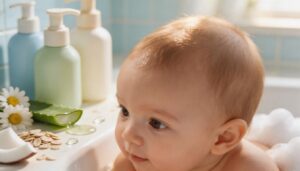
If you want your baby’s scalp to stay healthy and comfortable, the right shampoo ingredients make all the difference. Some choices are gentle enough to protect fragile hair and skin without causing dryness or irritation.
Here’s what you’ll want to look for next time you check the label.
Mild Surfactants for Delicate Cleansing
Looking for a gentle touch? Choosing a gentle baby shampoo means picking a sulfate-free formula packed with mild surfactants—like anionic surfactant alternatives and nonionic glucose surfactants.
These create micelles that lift dirt without stripping oils. Amphoteric foam stabilizers add softness, and acidic scalp compatibility helps fragile skin.
Tear-free, chemical-free baby shampoo protects delicate scalps, making cleansing safer and kinder. A pH below 6 formulation helps preserve the skin’s natural acid mantle.
Glycerin and Panthenol for Hydration
After gentle cleansing, your scalp needs a moisture lock. That’s where humectant synergy from glycerin and panthenol comes in.
These ingredients attract and hold water, boosting hydration comfort and supporting water retention in the skin’s outer layer. Gentle hydration helps baby shampoo reduce dryness and breakage—making moisturizing a key part of protecting fragile hair against loss.
Aloe Vera for Soothing The Scalp
Alongside deep hydration, aloe vera in baby shampoo acts as a cooling gel for scalp comfort. Its anti-inflammatory action soothes scalp inflammation, while itch relief and redness reduction help your little one feel at ease.
The hydrating benefits of aloe vera support scalp health, making it a smart choice if you’re worried about hair loss linked to irritation.
Natural Oils That Reduce Dryness
If aloe vera cools the scalp, natural oils like jojoba oil step in to lock in moisture. Acting as occlusive oils, they shield your baby’s skin from dryness.
Their emollient fatty acids soften rough patches, while pairing them with humectants like glycerin helps keep hydration in place. This dryness-targeted texture promotes scalp health, making hair loss less likely.
PH-balanced Formulas for Fragile Hair
Now, let’s talk about pH-balanced formulas. When your baby shampoo keeps a mildly acidic pH—think 4.5 to 5.5—it protects the scalp acid mantle.
This gentle environment, supported by pH buffer systems and pH-adjusted surfactants, prevents dryness and breakage.
For fragile hair, a sulfate-free formula with careful formulation pH optimization means less irritation and healthier strands.
Ingredients to Avoid in Baby Shampoo
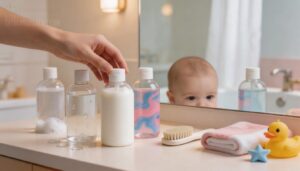
Choosing the right baby shampoo means knowing which ingredients can cause trouble for delicate scalps. Some common additives are best left out if you want to protect your child’s hair and skin.
Here’s what you should watch for when scanning the label.
Sulfates Such as SLS and SLES
Ever wonder why “sulfate‑free formula” is a buzzword for baby shampoo? Anionic surfactants like SLS and SLES clean by micelle formation, but they often strip away natural oils, leading to dryness and irritation—especially for delicate scalps.
Regulatory labeling flags SLS as a synthetic surfactant. Choosing a chemical‑free baby shampoo with pH compatibility protects your baby’s hair and scalp.
Synthetic Fragrance and Unnecessary Dyes
When you’re scanning labels, synthetic fragrances and unnecessary dyes can quietly cause trouble—especially for babies with sensitive skin. These ingredients introduce risks like hidden allergens in fragrance blends and lingering scalp contact from dye residue, even after rinsing.
Ingredient transparency remains critical, as vague terms like “fragrance” or “color additive” often mask chemical blends. While regulatory allergen labeling (e.g., EU requirements) mandates disclosure of some allergens, color additive safety isn’t guaranteed—impurities may persist despite approval.
- Synthetic Scent Risks: hidden allergens in fragrance blends
- Dye Residue Effects: lingering scalp contact after rinsing
- Ingredient Transparency: vague “fragrance” or “color additive” labeling
- Regulatory Allergen Labeling: EU rules require some allergens listed
- Color Additive Safety: impurities may persist despite approval
Always prioritize a fragrance-free formula or chemical-free baby shampoo to minimize these hazards.
Drying Alcohols and Harsh Detergents
Although you might expect a shampoo to clean gently, drying alcohols like Alcohol Denat., SD Alcohol, and Isopropyl Alcohol can evaporate quickly, pulling moisture with them and leaving behind dryness or irritation. Combine that with harsh surfactants like SLS or synthetic detergents, and you risk scalp stripping—especially in babies.
Here’s a quick comparison:
| Ingredient | Impact on Baby Scalp |
|---|---|
| Alcohol Denat., Ethanol | Increases dryness, irritation |
| SLS, synthetic surfactants | Strips oils, weakens barrier |
Foam Boosters That Strip Scalp Oils
Did you know that foam booster chemistry can turn a gentle wash into an oil‑stripping lather? Microbubble cleansing sounds appealing, but foam boosters—especially SLS and synthetic surfactants—often remove natural oils, leaving the scalp dry and fragile.
For babies, balanced foam actives matter. Avoid harsh detergents; they can cause foam‑induced dryness and disrupt healthy scalp barriers.
Preservatives That May Trigger Sensitivity
Did you know even “hypoallergenic” baby shampoos can hide Contact Allergy Triggers? Formaldehyde Releasers, Isothiazolinone Preservatives, and Sulfite Preservatives may slip into formulas, sparking redness or itching in sensitive skin.
Paraben Sensitivity is another concern—look for “paraben-free” labels. For yours, avoiding chemical irritants like parabens and sulfates is wise, especially if reactions have happened before.
How to Choose The Right Formula
Choosing a baby shampoo for hair loss can feel overwhelming with so many bottles on the shelf. You want something gentle, safe, and suited to your child’s needs.
Here’s what to look for when picking the right formula.
Pick Sulfate-free and Fragrance-free Options
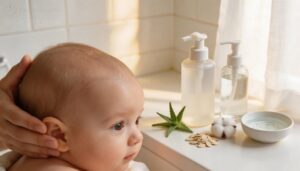
Choosing a sulfate‑free formula and fragrance‑free formula is like giving your baby’s scalp a gentle shield.
Ingredient Transparency matters—always check the label for hidden irritants. Chemical‑free baby shampoo reduces causes of baby hair loss linked to dryness.
Packaging Material Choice affects purity, and Consumer Review Insights help weigh Price vs Purity.
These steps support scalp health from day one.
Look for Hypoallergenic Labeling
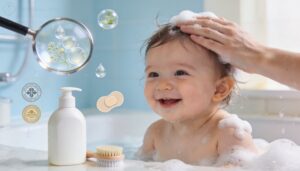
Spotting “hypoallergenic” or “dermatologically tested” on a baby shampoo offers some peace of mind, but don’t let that be your only guide. Labels can vary, so always pair them with a careful Ingredient List Review.
Look for:
- Label Certification Standards
- Third-Party Testing claims
- Regulatory Definitions
- Paraben-free product notes
- Consumer Patch Testing recommendations
Trust, but verify—your baby’s comfort depends on it.
Check PH Balance for Infant Scalps
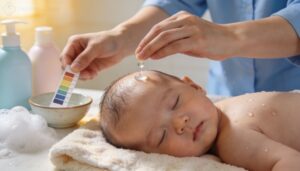
Once you’ve checked hypoallergenic claims, turn your attention to the Scalp pH Range. Infant scalp health thrives near pH 5.5, so pH balanced formulas for infants matter.
Use pH Testing Strips if you’re curious. Ingredients that adjust pH help preserve Microbial pH Balance, reducing risks like Cradle Cap pH shifts—an overlooked step in baby hair loss prevention.
Match The Shampoo to Scalp Condition
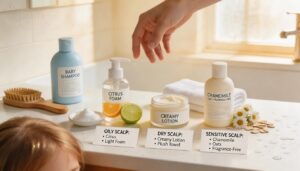
Once you’ve considered pH, it’s time to use a Scalp Type Guide to match shampoo to your child’s needs.
For oily scalps, Oil Control Strategies help prevent limp hair, while Moisture Balance Tips support dry skin. Sensitive Scalp Care calls for gentle sulfate-free, chemical-free baby shampoo.
Custom Shampoo Pairing protects scalp health and respects the microbiome’s role in infant wellness.
Consider Cradle Cap, Dryness, or Sensitivity
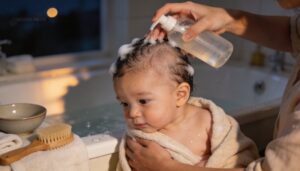
Now, think about your child’s scalp—does cradle cap, dryness, or sensitivity show up after washing? A chemical-free baby shampoo with a sulfate-free formula promotes the scalp microbiome balance and helps avoid irritation.
Nighttime scalp care and gentle detangling techniques matter, especially if water hardness impacts rinsing. Always use a patch test routine, and look for hypoallergenic options.
Top 5 Baby Shampoos for Hair Loss
If you’re searching for gentle shampoos that help protect fragile hair and soothe the scalp, you’re not alone. There are several trusted options that stand out for their mild formulas and thoughtful ingredients.
Let’s take a closer look at the top choices for baby shampoo when hair loss is a concern.
1. SheaMoisture Baby Shampoo Bath Milk
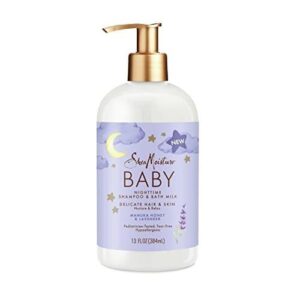
Ever wonder if a baby shampoo can truly nourish delicate hair and skin? SheaMoisture Baby Shampoo Bath Milk stands out for its blend of plant-based oils, Manuka honey, and shea butter—all packed into a gentle, tear-free formula.
It’s pediatrician-tested, hypoallergenic, and designed with textured, melanin-rich hair in mind.
The pump bottle makes bath time easy, while the mild lavender scent helps soothe bedtime nerves.
For babies prone to dryness or irritation, this cleanser keeps hair soft, smooth, and easy to manage.
| Best For | Babies and young children with textured or melanin-rich hair, especially those needing gentle, moisturizing care during bath time. |
|---|---|
| Formula | 2-in-1 shampoo and bath |
| Tear-Free | Yes |
| Scent | Lavender |
| Ingredients | Plant oils, Manuka honey |
| Volume | 13 oz |
| Best For | Textured hair routines |
| Additional Features |
|
- Tear-free, hypoallergenic, and pediatrician-tested for peace of mind.
- Moisturizes and softens hair and skin without leaving residue.
- Light lavender scent helps create a calming bedtime routine.
- Not fragrance-free, which might not suit families sensitive to scents.
- May cause irritation for those with very sensitive skin.
- Pump mechanism on some bottles has had issues in the past.
2. Mustela Cradle Cap Foam Shampoo
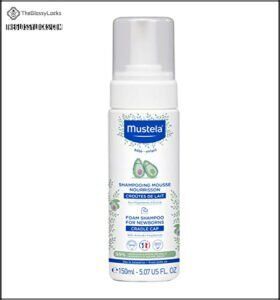
If your baby struggles with cradle cap, Mustela Cradle Cap Foam Shampoo is a gentle solution worth considering. Its foam texture makes application easy, and it’s formulated with naturally derived avocado polyphenols to soothe sensitive scalps. You’ll appreciate that it’s fragrance-free and tear-free, with no stinging reported.
Most parents see cradle cap clear up after just a few washes.
While the price is higher than generic options, its targeted formula minimizes flakes without stripping moisture—ideal for newborns or children prone to scalp dryness.
| Best For | Newborns and young children with cradle cap or sensitive, flaky scalps. |
|---|---|
| Formula | Foam shampoo |
| Tear-Free | Yes |
| Scent | Fragrance-free |
| Ingredients | Avocado polyphenols |
| Volume | 5.07 fl oz |
| Best For | Cradle-cap care |
| Additional Features |
|
- Tear-free and gentle, suitable for even the youngest babies.
- Clears cradle cap quickly without drying out hair or scalp.
- Easy-to-use foam formula rinses clean with no residue.
- Costs more than most generic baby shampoos.
- Some users notice a mild chemical scent despite being fragrance-free.
- Packaging issues like leaks or missing seals have been reported.
3. Cetaphil Baby Shampoo Body Wash
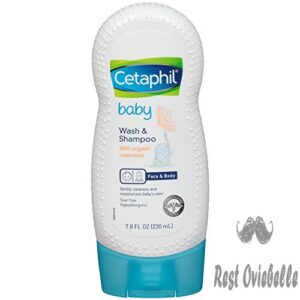
Among gentle cleansers, Cetaphil Baby Shampoo Body Wash stands out for its 2-in-1 formula—perfect if you’re juggling bath time with a wriggly infant. You get tear-free cleansing, hypoallergenic ingredients, and soothing organic calendula, plus vitamins E and B5 for scalp hydration.
The mild surfactants, like cocamidopropyl betaine, clean without stripping natural oils. It rinses easily, leaving skin soft and hair manageable.
However, the small bottle and bottom-opening design mean you might need to repurchase more often.
| Best For | Parents looking for a gentle, all-in-one bath product for babies and toddlers with sensitive skin or mild eczema. |
|---|---|
| Formula | 2-in-1 shampoo and body wash |
| Tear-Free | Yes |
| Scent | Mild natural scent |
| Ingredients | Calendula, aloe, vitamins E and B5 |
| Volume | 7.8 fl oz |
| Best For | Sensitive skin soothing |
| Additional Features |
|
- Calming calendula and vitamins hydrate and soothe delicate skin.
- Tear-free, hypoallergenic formula suitable for daily use.
- Works well for curly hair and rinses out easily.
- Small bottle size means frequent repurchasing.
- No pump dispenser; bottom-opening can be messy.
- Some reviewers report mild eye stinging despite tear-free claims.
4. Eucerin Baby Unscented Shampoo Body Wash
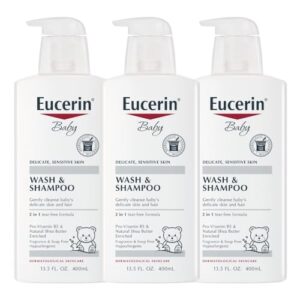
Looking for a shampoo that’s gentle enough for eczema but tough on dryness? Eucerin Baby Unscented Shampoo Body Wash fits the bill.
Its tear‑free, soap‑free formula uses Pro‑Vitamin B5 and shea butter to moisturize while decyl glucoside and cocamidopropyl betaine cleanse without stripping natural oils.
The pump dispenser makes bath time easier, even with squirmy little ones.
While the price is higher, you’re getting dermatologist‑recommended care for sensitive skin and scalp—ideal if you want to avoid fragrances and harsh additives.
| Best For | Parents of babies, toddlers, or anyone with sensitive skin or eczema who want a gentle, unscented cleanser for hair and body. |
|---|---|
| Formula | 2-in-1 shampoo and body wash |
| Tear-Free | Yes |
| Scent | Unscented |
| Ingredients | Shea butter, Pro-Vitamin B5 |
| Volume | 13.5 fl oz each |
| Best For | Fragrance-free eczema care |
| Additional Features |
|
- Tear-free and hypoallergenic formula is safe for sensitive skin and eyes
- Moisturizes with Pro-Vitamin B5 and shea butter, leaving skin soft
- Convenient pump dispenser makes bath time quick and easy
- Higher price compared to most mainstream baby washes
- Lack of fragrance may not appeal to those who prefer scented products
- Lighter lather might feel less “clean” to some users
5. Johnson Baby Head to Toe Wash Shampoo
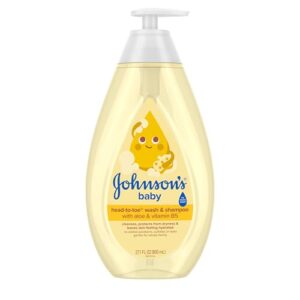
Did you know Johnson’s Baby Head to Toe Wash Shampoo is both a cleanser and shampoo in one bottle? Its “No More Tears” formula is gentle on eyes, and the hypoallergenic, pH-balanced recipe—free from parabens, sulfates, and dyes—helps protect delicate skin and hair.
Aloe vera and vitamin B5 support hydration, making it ideal for newborns and sensitive scalps.
While the mild lather won’t tackle heavy buildup, it’s a safe, everyday option for keeping your child’s scalp comfortable and clean.
| Best For | Newborns, infants, toddlers, and adults with very sensitive skin who want a gentle, everyday cleanser for both hair and body. |
|---|---|
| Formula | 2-in-1 body wash and shampoo |
| Tear-Free | Yes |
| Scent | Light baby scent |
| Ingredients | Aloe vera, vitamin B5 |
| Volume | 27.1 fl oz |
| Best For | Budget daily cleansing |
| Additional Features |
|
- Hypoallergenic and free of parabens, sulfates, and dyes.
- Aloe vera and vitamin B5 help keep skin hydrated.
- Easy to use as a 2‑in‑1 wash and shampoo.
- “No More Tears” formula isn’t completely tear‑free for everyone.
- Mild fragrance may bother those sensitive to scents.
- Modest lather means you might need more product for a rich foam.
Can Adults Use Baby Shampoo?
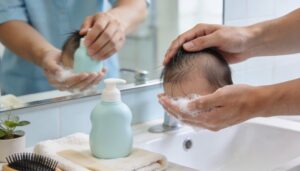
If you’re wondering whether baby shampoo works for adults, you’re not alone. Many people with sensitive or thinning hair consider making the switch.
Here’s what you need to know before deciding if it’s right for your routine.
This guide to hydrolyzed oat protein benefits for hair breaks down how it delivers that lightweight strength without the dreaded protein overload.
When Baby Shampoo Suits Thinning Hair
Ever notice how a gentle touch can make all the difference for fragile things?
If your Scalp Sensitivity Index is high or your Fine Hair Resilience feels low, a baby shampoo’s sulfate‑free formula and natural oils offer Moisture Retention Strategies that respect Scalp Oil Balance. This approach helps Scalp Microbiome Support—essential for hair thinning and highlights the importance of scalp health in infants and adults alike.
Benefits for Sensitive Adult Scalps
If your scalp reacts to nearly everything, a chemical free baby shampoo offers relief. Its hypoallergenic, sulfatefree formula preserves Microbiome Balance, promotes Anti-inflammatory Action, and brings Reduced Itching.
Gentle Detangling and Lightweight Texture mean less tugging and discomfort. You’ll notice benefits of gentle sulfatefree shampoos for sensitive scalps—comfort, calm, and cleaner hair without irritation.
Drawbacks for Oily or Product-heavy Hair
If your scalp is sensitive, baby shampoo feels gentle—for oily or product-heavy hair, it’s another story. Oil Retention and Conditioning Residue leave you with a Greasy Scalp and Insufficient Clarification. You may notice:
- Residue Buildup after styling
- Oil buildup within hours
- Limp, flat hair that won’t regain volume
This can worsen thinning if product buildup persists.
Why Baby Shampoo is Not a Hair-loss Treatment
Even if baby shampoo leaves your hair feeling soft, it won’t treat thinning or balding. There are no active ingredients, no pharmacologic action, and no follicle stimulation—just gentle cleansing. No clinical evidence suggests regrowth or DHT inhibition.
Baby shampoo is made for hair loss treatment in infants, not for altering the adult hair growth cycle.
How Often Adults Should Use It
Since baby shampoo isn’t a hair-loss treatment, focus on your Oil Production Cycle and lifestyle. If sweat build-up or styling product residue is common, regular washing—about two to three times weekly—works well.
Seasonal wash adjustments and exercise frequency impact how often you need to cleanse. Don’t over-wash your hair; even benefits of sulfate-free baby shampoo fade with daily use.
Hair Care Habits That Reduce Shedding
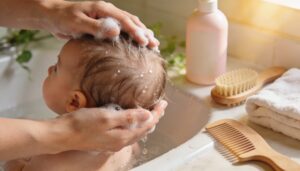
Keeping baby hair healthy starts with a few simple habits you can practice every day. These steps make a big difference in reducing shedding and protecting fragile strands.
Here’s what you’ll want to focus on for gentle, effective care.
Washing Frequency for Baby Hair
How often should you shampoo your baby’s hair? Aim for a three-day interval—washing two to three times per week.
Bath-time integration makes routines easier, while seasonal wash adjustments help balance sweat and dryness.
Over-washing risks dryness; under-washing concerns include cradle cap. Stick with sulfate-free baby shampoo to protect delicate hair from harsh detergents. That’s the best recommendation for a baby hair care routine.
Gentle Drying and Brushing Methods
When you dry baby hair, pat gently with a microfiber towel—never rub. Cool airflow helps avoid dryness.
For brushing, reach for a soft brush or wide tooth comb, starting at the ends. If tangles persist, use a conditioning slip made for infants.
Pair gentle hypoallergenic baby shampoo with these habits to protect hair follicle health and minimize shedding.
Preventing Friction-related Hair Loss
If you want to protect baby hair from friction-related loss, focus on gentle everyday choices.
Satin Pillowcase Use limits rubbing, Loose Headgear Choice prevents scalp stress, and Slip Detangling Techniques reduce tugging.
Pair these habits with baby shampoo featuring mild surfactants, a tear‑free formula, pH‑balanced design, and conditioning oils for a scalp‑friendly routine that keeps hair stronger.
Scalp Massage and Cradle Cap Care
Did you know Warm Water Softening makes cradle cap easier to manage? Try a gentle Finger Tip Massage during Short Massage Sessions, using a sulfate‑free shampoo for sensitive scalps. After washing, a Post-Shampoo Moisturizer helps restore Scalp Oil Balance.
This routine promotes healthy baby hair and shows the benefits of baby shampoo for hair loss—gentle care truly has a positive effect.
When to Ask a Pediatrician or Dermatologist
Is your child’s scalp showing signs that worry you? Some symptoms demand quick action, not patience. Watch for:
- Breathing difficulty or lip swelling with a rash
- Fever rash or rapid lesion growth
- Persistent scalp pain that disrupts sleep
- No improvement after pediatrician-recommended or dermatologist-recommended baby shampoo
Pediatric dermatology guidance ensures infant hair loss prevention and safe hair loss treatment for infants.
Frequently Asked Questions (FAQs)
Is baby shampoo good for fine thinning hair?
You’ll find baby shampoo gentle for thinning hair, especially when scalp moisture retention and hair elasticity matter. Sulfate-free formulas boost frizz control and ingredient synergy, supporting hair follicle health.
For cost effectiveness, baby shampoo offers mild cleansing without harsh chemicals.
Is baby shampoo good for falling hair?
Baby shampoo can help reduce falling hair linked to dryness or irritation, especially with chemical-free baby shampoo advantages. Sulfate-free formulas protect scalp microbiome balance, though they won’t regrow hair.
Ingredient transparency and user experience feedback shape long-term usage effects.
Which is the best shampoo for hair loss?
Regarding hair loss, you want a shampoo that’s worth its weight in gold.
Clinical efficacy data, dermatologist endorsement, and consumer satisfaction scores matter—SheaMoisture Baby Shampoo Bath Milk stands out for eco-friendly packaging and sulfate-free, chemical-free advantages.
Which baby shampoo is good for hair growth?
You’ll want a sulfate-free, chemical-free baby shampoo with ingredient synergy—like SheaMoisture Baby Shampoo Bath Milk.
Dermatologist recommendations, user reviews, and clinical trial evidence highlight natural oils and gentle surfactants for hair growth support and price performance.
Is baby shampoo safe for adults to use?
Picture rinsing your hair with a gentle stream—baby shampoo is generally safe for adults, especially those with sensitive skin or scalp.
However, it may struggle with heavy styling products and doesn’t target adult hair loss like specialized formulas.
Does baby shampoo help protect hair from the sun?
You won’t find UV filter inclusion or SPF labeling in most shampoos, so don’t count on them for UV damage prevention.
For real sun protection, rely on leave-on sunscreen synergy, hat usage, or UV protectants—not plant-based oils or coconut oil.
Are there any natural ingredients in baby shampoo?
Like a garden nourished by rain, baby shampoo often blends Botanical Extracts, Herbal Moisturizers like aloe and calendula, Organic Oil Additives, and Fragrance-Free Botanicals.
These natural extracts for hair health support scalp comfort and offer chemical-free baby shampoo advantages.
Does baby shampoo help keep hair hydrated?
Yes, baby shampoo helps keep hair hydrated. Humectant ingredients like glycerin act as water-binding agents, supporting moisture retention and scalp hydration.
This moisturizing shampoo approach leaves hair softer, with oil-based moisturizers further enhancing hair moisturization and overall hair softness.
Does baby shampoo help prevent split ends?
Baby shampoo’s gentle, sulfate-free formula helps with Cuticle Protection, End Strengthening, and Tangling Prevention.
By boosting Hair Flexibility and Scalp Hydration, it lowers hair breakage, but can’t repair split ends—trimming remains essential for real hair strengthening.
Can baby shampoo prevent scalp irritation?
Imagine swapping out harsh soaps for a gentle sulfate-free baby shampoo—like trading a scratchy wool sweater for soft cotton.
With pH-balanced, tear-free formulas, ingredient safety testing, and allergen-free certification, these shampoos support sensitive scalp comfort and microbial equilibrium.
Conclusion
Imagine cradling your baby’s delicate scalp in your hands, feeling confident that you’re nurturing their hair health. By choosing a gentle, scalp-friendly baby shampoo for hair loss, you’re taking a key step.
This thoughtful approach protects natural oils, calms irritation, and reduces breakage. As you make informed choices about your little one’s hair care, remember that a healthy scalp lays the groundwork for a lifetime of luscious locks.