This site is supported by our readers. We may earn a commission, at no cost to you, if you purchase through links. This content is for general informational and educational purposes only and is not a substitute for professional medical, dermatological, or nutritional advice.
The flat iron can turn a morning into a straw-like ends situation by lunchtime. Heat pulls moisture from each strand, and repeated styling can weaken the proteins that keep hair springy.
A natural heat protectant hair routine doesn’t need to leave your roots slick or your bathroom shelf crowded. A light mist of aloe, a few drops of argan, or a shea-based cream can coat the cuticle, soften rough spots, and help heat move evenly through your hair.
The catch is that oils have limits, and more product isn’t better. The right ingredient, amount, and tool temperature make the difference.
Table Of Contents
- Key Takeaways
- What is a Natural Heat Protectant for Hair?
- Benefits of Natural Heat Protectants
- Best Natural Heat Protectant Ingredients
- How to Make and Apply Natural Heat Protectants
- How to Choose a Non-Toxic Heat Protectant
- Frequently Asked Questions (FAQs)
- What can I use as a natural heat protectant on my hair?
- What is the best natural heat protectant for hair?
- What can I use instead of heat protectant for hair naturally?
- How can I make my own natural heat protectant?
- How long does a natural heat protectant last?
- Are natural heat protectants suitable for all hair types?
- How often should I use a natural heat protectant?
- Can natural heat protectants be used on colored hair?
- Are natural heat protectants better than synthetic products?
- Can Natural Heat Protectants Work on All Hair Types?
- Conclusion
Key Takeaways
- Natural heat protectants can help reduce dryness, frizz, breakage, and protein loss by coating the hair cuticle and supporting moisture during heat styling.
- Choose lightweight oils or aloe for fine hair, richer shea or coconut blends for thicker hair, and use only a small amount on clean, damp mid-lengths and ends.
- Natural oils have heat limits, so keep tools at sensible temperatures, avoid buildup, and don’t treat an oil’s smoke point as proof of full heat protection.
- DIY sprays need careful storage and short use-by times, while store-bought formulas with clear, tested heat claims usually provide more consistent protection.
What is a Natural Heat Protectant for Hair?
A natural heat protectant does more than just stand between your hair and a hot tool — it works on a few different levels to keep your strands healthy. Whether you’re a daily straightener or an occasional curler, knowing what it actually does changes how you use it. Here’s a look at the key things it’s designed to do for your hair.
For wavy strands, a 2A hair heat-protection routine can also help preserve softness without weighing down your natural texture.
Protective Barrier Against Hot Tools
When you run a flat iron over your hair, you’re basically pressing heat directly onto each strand. That’s where a natural protective barrier steps in.
Ingredients like shea butter and high-smoke-point oils coat your hair shaft, sealing the cuticle so moisture stays locked in. Think of it as a thermal shield sitting between your hair and the heat, quietly defending against protein breakdown with every pass.
Applying argan oil or coconut oil before styling works as a natural heat protectant barrier that locks in moisture and shields hair proteins from high-temperature damage.
Even Heat Distribution
A thermal barrier formation on your hair shaft doesn’t just block heat, it spreads it. That heat spread mechanism stops heat styling tools from creating hot spots that quietly damage one section while barely touching another.
- Lowers thermal conductivity per strand
- Helps heat distribute evenly during styling
- Ensures cuticle protection uniformity
- Helps with your hair porosity
- Enhances styling consistency
Moisture and Cuticle Support
Even heat spread matters, and cuticle hydration matters just as much. Humectants like glycerin attract water to your hair shaft, while natural oils deliver lipid replenishment that keeps the cuticle sealed and your strands flexible.
| Ingredient | Benefit | Function |
|---|---|---|
| Argan oil | Cuticle smoothing | Flattens cuticle scales |
| Coconut oil | Moisture retention | Reduces protein loss |
| Glycerin | Humectant boost | Draws water in |
| Aloe vera | Hair hydration | Surface moisture layer |
| Shea butter | Moisture sealing | Cuticle barrier |
Natural Versus Conventional Formulas
Natural formulas swap silicones like dimethicone for plant oils that actually nourish your strands. Conventional products create a synthetic film, while ingredients like argan or shea butter do the same job and feed your hair too.
Plant-based formulas biodegrade more easily and often come from ethically sourced ingredients. The trade-off? A shorter shelf life, around 6 to 12 months.
Protection Limits to Know
Not every natural oil can handle the heat your styling tools put out. Smoke point is the temperature at which an oil starts to burn, and if your flat iron runs hotter than that threshold, the oil breaks down on your strands.
For more ways to revive stressed strands, explore these tips to restore shine to damaged hair.
Avocado oil withstands up to 520°F, while coconut oil taps out around 325°F.
Benefits of Natural Heat Protectants
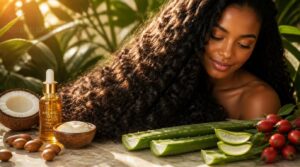
Switching to a natural heat protectant isn’t just about ditching harsh chemicals — your hair actually gets to thrive, not just survive. I find that once you understand what these plant-based formulas are doing behind the scenes, it’s hard to go back. Here’s a look at the real benefits your strands stand to gain.
Reducing Breakage and Split Ends
Split ends don’t just look rough — they signal that your hair cuticle is breaking down under repeated stress. Using a natural heat protectant before styling creates a barrier between your strands and the direct heat, which cuts down on hair breakage and keeps ends from fraying. Think of it like a buffer layer your flat iron touches instead of bare hair.
Gentle detangling methods matter just as much. Wet hair is especially fragile, so combing through knots carefully before reaching for any hot tool reduces the mechanical pulling that causes split ends prevention to fail before heat even enters the picture.
Limiting Moisture and Protein Loss
When heat styling pulls moisture from your strands, it triggers protein loss deep inside the hair cortex. Coconut oil alone can reduce that loss by up to 38%.
Here’s what natural protectants do:
- Form a moisture barrier along the hair shaft
- Seal the cuticle to trap internal hydration
- Replenish lipids lost during heat styling
- Balance humectants to support hair elasticity
Improving Shine, Softness, and Frizz
Shiny, soft hair isn’t luck. The right oils drive cuticle smoothing and moisture retention together.
| Benefit | How It Works |
|---|---|
| Frizz control | Humectant layering draws water in, preventing swelling |
| Hair shine enhancement | Smooth cuticles reflect light evenly |
| Softness improvement | Friction reduction keeps strands from roughing up |
A lightweight natural hair serum controls frizz prevention and shine enhancement without buildup.
Easier Detangling During Heat Styling
A good heat protectant does more than shield your strands. It creates detangling slip that lets your brush glide through without yanking or snagging.
Apply it to clean, damp hair before any hot tool touches it, and you’ll notice fewer passes needed to finish each section.
Lower heat settings help too, since less damage means less roughness, and roughness is what makes detangling a battle.
Supporting Color-Treated and Processed Hair
Color-treated hair is already fighting a battle. Chemical processing raises the cuticle, increases porosity, and weakens protein bonds, so adding heat on top without protection is like pouring fuel on a slow fire.
A natural heat protectant with argan oil or shea butter helps seal that raised cuticle, lock moisture in, and slow the color fade that heat accelerates.
Best Natural Heat Protectant Ingredients
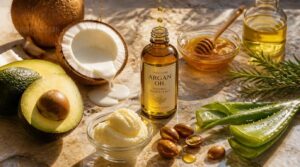
Not all natural ingredients are created equal for protecting your hair from heat. Some work harder than others, and knowing which ones actually deliver makes all the difference. Here are the best natural ingredients worth looking for — or mixing up yourself.
Avocado and Argan Oils
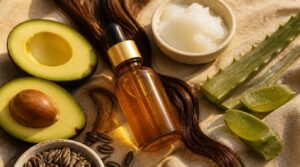
Avocado oil leads with a smoke point of 520°F, making it one of the most heat-stable natural options you can use before styling.
Argan oil, at 420°F, brings antioxidant-rich fatty acids like oleic and linoleic acids that coat each strand and form a protective film on hair, defending against damage during your routine.
Grapeseed and Sunflower Oils
Both sit near the 421°F smoke point argan hits, but grapeseed oil earns a different kind of loyalty. At nearly 70% linoleic acid, it stays lightweight and won’t weigh down thick or coarse hair.
Sunflower oil brings a similar fatty acid mix plus generous vitamin E to lock in hair moisture. Both are excellent choices for a DIY heat protectant.
Coconut Oil for Protein Protection
Unlike those other lightweight oils, coconut oil protects your hair from deep inside. Its medium chain triglycerides actually penetrate each strand, reducing protein loss by nearly 50% and limiting water absorption during washing.
- Pre-wash oiling shields the hair fiber from damage
- Cuts heat damage before it starts
- A useful DIY heat protectant base
- Works both before and after washing
Shea Butter and Aloe Vera
These two work as a team. Shea butter deposits a thick, occlusive layer that seals moisture and shields strands up to 450°F. Aloe vera gel brings lightweight hydration without greasiness or buildup. Together, they’re a natural match.
| Ingredient | Role |
|---|---|
| Shea butter | Seals moisture, shields to 450°F |
| Aloe vera | Hydrates without buildup or grease |
| Combined | Natural heat protectant base |
Smoke Points and Protection Limits
Use the smoke point as an oil’s signal. Avocado oil’s 520°F threshold exceeds argan or grapeseed at 420°F, while coconut oil nears its limit around 350°F.
Still, heat protection limits aren’t permission to crank up a iron. Tool temperature effects and residue heating concerns matter: natural DIY heat protectant buildup raises smoke risks, undermining heat protection and hair damage prevention.
Natural heat protectants have limits—high tool temperatures and product buildup can smoke, weakening protection and increasing hair damage
How to Make and Apply Natural Heat Protectants
Making a natural heat protectant can be simple, as long as you use hair-friendly ingredients and don’t overapply. The way you mix, store, and apply it matters just as much as the recipe itself. Here’s how to make your mixture work well before you reach for a hot tool.
DIY Aloe and Coconut Spray
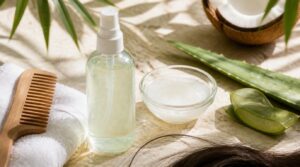
DIY aloe vera gel protectant is simple: mix 2 tablespoons aloe vera gel with 1 tablespoon melted coconut oil until smooth. This light natural heat protectant helps hair moisture retention without coating strands too heavily.
Pour into a spray bottle, refrigerate up to one week, and shake before use. Mist clean, damp mid-lengths and ends from 15–20 cm away, then let it absorb before styling. Avoid eyes.
DIY Shea and Argan Blend
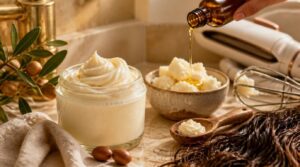
When you want something richer than a mist, a shea and argan mix is worth making. Melt, combine, cool, then whip.
- Shea argan ratio: 2 parts shea butter, 1 part argan oil
- Whip with a hand mixer for a creamy texture
- Add more argan if the mix sets too firm
- Apply a small scoop to damp ends before heat styling
Mixing, Preservation, and Storage Safety

Once your mixture is ready, storage really matters. Label your container with the date and stash it somewhere cool and dark.
Water-based sprays spoil faster than oil-only blends, so skip the bathroom where humidity and heat speed up breakdown.
Seal lids tightly after each use to cut down on air exposure, and toss anything that smells off or looks cloudy.
Apply to Clean, Damp Hair

Think of damp, freshly washed hair as the ideal canvas for your natural heat protectant. Washing first clears away oil so the product absorbs into clean strands, not residue.
- Blot with a microfiber towel until hair feels cool and slightly moist, not dripping
- Apply right after washing while dampness is still even throughout
- Distribute with fingers for consistent, full coverage
Section Hair and Use Sparingly
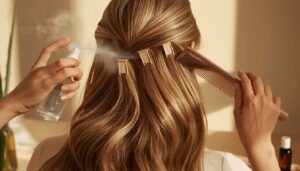
Section hair evenly so your natural heat protectant reaches every strand, especially easy-to-miss back layers. Use clips for sections and work each area at a time. Apply sparingly. With fine hair, use sparingly; a light mist application is plenty. Focus on ends, where dryness shows first. Sectioning hair keeps hair care routine neat, while a DIY heat protectant stays nongreasy.
How to Choose a Non-Toxic Heat Protectant
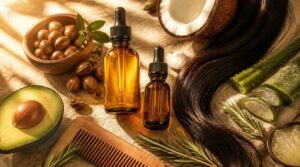
Choosing a non-toxic heat protectant gets easier once you know what your hair actually needs. The right texture, ingredient list, and heat claim can make a real difference. Keep these simple checks in mind as you compare your options.
Match Formula to Hair Type
Your natural heat protectant should match both hair type and hair porosity. Fine hair does best with lightweight formulas, while thick hair needs rich creams with shea butter or coconut oil.
Curly hair benefits from slip agents like aloe vera, especially in a DIY heat protectant. Color-treated hair needs UV protection. Medium hair texture usually thrives with balanced moisture and protein.
Compare Sprays, Serums, and Leave-Ins
Once you know your hair’s needs, format makes the choice easier. Heat protectant sprays feel light, dry fast, and give fine or layered hair quick, even coverage. Mist clean, damp mid-lengths and ends, then comb through.
A hair serum heat protection formula is thicker and smoother, ideal for medium-to-thick hair needing frizz control. Leave in conditioner absorbs gradually, suits most textures, and keeps hair soft without a sticky finish.
Verify Heat Protection Claims
After choosing a format, check the label like a detective. Natural heat protectants should name a maximum heat setting, such as 400°F or 450°F, and say whether to use them on damp hair before heat styling tools.
“Protects from heat damage” is too vague. Better heat protection claims share test conditions, coating ingredients, and directions. DIY heat protector ideas rarely offer proof.
Review Alcohols, Silicones, and Fragrance
After confirming the heat claim, scan the ingredient list with a sharp eye:
- Avoid drying alcohol like denatured or isopropyl alcohol high on the list.
- Watch silicones, which add slip but may build up.
- Skip parabens and sulfates if they bother you.
- Choose a fragrancefree option for sensitive skin.
- Remember, essential oils can still trigger fragrance allergens.
Check Color, Scalp, and Ethics
For color-treated hair, match tinted protectants to your shade family. They can soften faded contrast, especially on porous blonde or red hair, but fresh color may transfer to pillowcases. Choose a colorsafe formula.
Keep product off the scalp, then patch test behind your ear if you’re scalp sensitivity prone. Finally, look for clear sourcing, crueltyfree certification, and honest heat claims.
Frequently Asked Questions (FAQs)
What can I use as a natural heat protectant on my hair?
Think of it as a tiny shield: use natural oils like avocado or argan, a coconut oil heat protectant, aloe vera gel DIY sprays, flaxseed gel heat protectant, or a shea butter and essential oils mix. Apply sparingly to damp lengths.
What is the best natural heat protectant for hair?
Grapeseed oil is the best pick: its 420°F smoke point suits most tools. For DIY heat protectant, mix shea butter, aloe vera gel, and essential oils; use coconut oil heat protectant at low heat.
What can I use instead of heat protectant for hair naturally?
Like raincoats in storms, Natural alternatives to natural heat protectants include Kitchen staples: aloe vera gel, jojoba oil.
Homemade heat protectant DIY recipes, Oil blends, Herbal infusions work sometimes; skip essential oils on sensitive scalps.
How can I make my own natural heat protectant?
Make a homemade heat protectant with aloe vera gel, water, and a few drops of argan oil or essential oils. Shake in a clean spray bottle, mist lightly on damp hair right before styling, and refrigerate leftovers.
How long does a natural heat protectant last?
Soft, silky strands: natural heat protectant DIY hair treatment lasts one styling session, four hours. Humidity, porosity, and storage shelf life affect duration.
Reapply before reheating; washing ends heat protection, hair hydration, hair damage prevention.
Are natural heat protectants suitable for all hair types?
Most natural heat protectants suit many hair types.
Fine, porous hair needs lightweight sprays, while coarse hair needs fuller coverage.
Choose gentle formulas for color-treated or dry strands, since DIY oils can feel heavy or uneven.
How often should I use a natural heat protectant?
Use a natural heat protectant every time heat touches your hair, including daily styling. Apply it to damp hair before blow-drying, then reapply before flat-ironing or curling. On touch-up days, use a light layer for hair-shaft protection.
Can natural heat protectants be used on colored hair?
Colored hair can use natural heat protectants, especially lightweight argan or shea blends. They support moisture and hair shaft protection, helping color fading prevention. Keep heat-tool temperatures modest, apply sparingly for porosity to avoid buildup.
Are natural heat protectants better than synthetic products?
Safety, sustainability, and strength differ: natural heat protectants suit sensitive scalps and ecofriendly hair protectants, but synthetic formulas usually resist heat damage longer.
An argan oil mix costs less DIY, yet offers lower consistent protection.
Can Natural Heat Protectants Work on All Hair Types?
Most hair textures use natural heat protectants, but compatibility depends on porosity, absorption, heat tolerance, ingredient fit, and scalp sensitivity. Fine hair needs light oils; thicker textures handle richer blends. Apply sparingly in sections first.
Conclusion
Ironically, the gentlest-looking routine can ask for the most care: a natural heat protectant hair mix works best when you use less, keep tools at a sensible temperature, and respect its limits.
Light coverage, lower heat helps hair stay soft without coating it into submission.
Choose ingredients that suit your texture, patch-test new mixes, and store DIY sprays safely.
Your strands don’t need a miracle. They need a small, steady shield before the heat arrives.