
This site is supported by our readers. We may earn a commission, at no cost to you, if you purchase through links. This content is for general informational and educational purposes only and is not a substitute for professional medical, dermatological, or nutritional advice.

Those white flakes on your shoulders can make you rethink every dark shirt you own. Many people reach for a kitchen jar of fenugreek seeds, a remedy with centuries of tradition behind it.
Here’s what the evidence shows: fenugreek shows real antifungal action against Malassezia furfur, the yeast tied to dandruff, and its seeds may calm itching and redness. It offers mild support for light flaking, not a cure for stubborn cases.
A fenugreek hair mask for dandruff is cheap and easy to make at home. Here’s how to prepare it safely, and what results to expect.
Table Of Contents
- Key Takeaways
- Fenugreek for Dandruff: Benefits and Evidence
- How to Make and Apply Fenugreek Masks
- Mask Frequency and Realistic Dandruff Results
- Fenugreek Masks Versus Medicated Dandruff Shampoos
- Fenugreek Mask Safety and Scalp Warning Signs
- Frequently Asked Questions (FAQs)
- Can I use a fenugreek hair mask if I have color-treated or chemically processed hair?
- Can I use fenugreek powder instead of seeds?
- What is the shelf life of a premixed fenugreek hair mask stored in the refrigerator?
- Can fenugreek be combined with aloe vera or neem?
- Does fenugreek help with hair growth or shedding?
- Will fenugreek leave a lingering smell in hair?
- Conclusion
Key Takeaways
- Fenugreek shows antifungal action against the yeast tied to dandruff and may calm itching and redness, but the evidence comes mostly from lab and animal studies, so it’s gentle support for light flaking, not a cure.
- Soak a tablespoon of seeds overnight, blend them into a smooth paste, leave it on for 20 to 30 minutes (never more than an hour), and use it about twice a week for 3 to 4 weeks before judging results.
- Medicated shampoos like ketoconazole work faster and more reliably for moderate to severe dandruff, so use fenugreek alongside one rather than in place of it.
- Patch test first because fenugreek is a legume that can cause allergic reactions, stop if you feel burning or stinging, and see a dermatologist if flakes last past four to six weeks or come with red patches, thick yellow flakes, or hair thinning.
Fenugreek for Dandruff: Benefits and Evidence
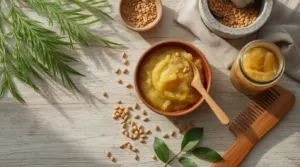
A small but growing body of research suggests fenugreek may earn a place in your dandruff routine. Most dandruff involves Malassezia furfur, a yeast that lives on your scalp and thrives on excess oil. Lab work shows fenugreek leaf extract can act against it, likely thanks to flavonoids like quercetin and kaempferol. A 30% extract gel even held its antifungal activity through three months of stability testing.
Until human trials catch up, proven antifungals like ketoconazole remain the quicker fix, as this guide to getting rid of dandruff fast explains.
Fenugreek seeds also calm things down. Their mucilage coats and moisturizes dry skin, and their anti-inflammatory compounds may ease itching and redness. Fenugreek may also cleanse excess scalp oil, removing the food the fungus relies on to multiply.
Now the candid part: the evidence is thin. Most findings come from test-tube and animal studies, and human trials are scarce. Treat fenugreek as a gentle helper, not a proven treatment.
Fenugreek shows promise against dandruff, but since proof rests mostly on lab and animal studies, think of it as gentle support rather than a cure
How to Make and Apply Fenugreek Masks
You don’t need special equipment or hard-to-find ingredients to make a fenugreek mask at home. The process comes down to two parts, and doing each one well is what keeps the mask gentle on your scalp. Here’s how both steps work, from the overnight soak to the final rinse.
The coconut oil in this mask adds deep moisture, and this breakdown of how coconut oil benefits your hair explains why it works so well.
Preparing The Soaked Seed Paste
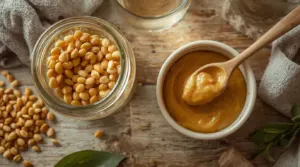
Measure one tablespoon of fenugreek seeds into a jar and cover them with about a cup of filtered water. Leave them overnight, at least six hours, until they plump up and turn slippery.
Mix the seeds with a splash of the soaking water until the paste feels smooth and lump-free. Add reserved water gradually if it’s too thick.
Applying, Timing, and Rinsing The Mask

Once your paste is ready, do a quick patch test on a small scalp area first. Then section your hair and work the paste in with your fingers, focusing on flaky spots without rubbing hard.
If your mix includes dish soap, this guide to Dawn dish soap for hair growth shows how to dilute it safely.
Leave it on for 20 to 30 minutes, or 10 to 15 if your scalp is sensitive. Never go past an hour.
Rinse with lukewarm water, then shampoo gently if needed.
Mask Frequency and Realistic Dandruff Results

Once your paste is made and rinsed out, the next question is how often to repeat it. Most sources suggest using a fenugreek hair mask for dandruff two to three times a week, and twice a week is a sensible place to start. Going more often won’t speed things up and can leave your scalp irritated.
If your scalp still feels irritated between sessions, these scalp health tips can help you adjust your routine and keep things calm.
Your scalp type matters here. If it runs oily, a fenugreek and lemon mask works best every 10 to 14 days, since lemon can be harsh. If your hair is dry, a weekly mask blended with curd or coconut oil is gentler.
Be patient with the timeline. Most people notice less flaking after 3 to 4 weeks of steady use, not after a single session. Keep a simple weekly hair mask routine going, and judge progress over a month rather than day to day.
Fenugreek Masks Versus Medicated Dandruff Shampoos
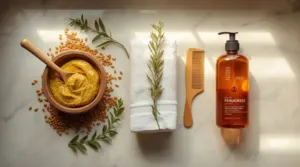
Although a fenugreek hair mask feels gentler than medicated dandruff shampoos, the two don’t work at the same strength. Fenugreek offers mild antifungal and anti-inflammatory support, which suits flaking that’s light.
Here’s how they compare:
- Strength: Ketoconazole shampoos act clinically against the yeast behind moderate to severe dandruff, while fenugreek only soothes mild cases.
- Speed: Shampoos often improve things within 2 to 4 weeks, but a mask needs several weeks of steady use.
- Staying power: Used as directed, shampoos can keep flaking controlled long term, and a mask alone rarely prevents it returning.
If you love fenugreek, treat it as a supportive antifungal hair remedy beside a medicated wash, not a replacement. That pairing usually protects your scalp health best.
Fenugreek Mask Safety and Scalp Warning Signs
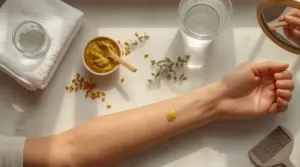
Patch tests come first, because fenugreek is a legume and can trigger allergic reactions in some people. Dab a little paste on your inner forearm, leave it for 24 hours, and watch for redness, itching, or swelling before any hair mask application.
Even with a clean result, scalp sensitivity can flare. Stop immediately if you feel burning or stinging, or notice hives, and rinse with cool water. Fenugreek also smells strongly, so skip it if you’re pregnant without checking with your doctor first.
Dandruff that hangs on after four to six weeks, or comes with thick yellow flakes, red patches, or hair thinning, may point to seborrheic dermatitis or psoriasis. That’s when a dermatologist referral for persistent dandruff makes good sense.
Frequently Asked Questions (FAQs)
Can I use a fenugreek hair mask if I have color-treated or chemically processed hair?
Yes, you can, with a few precautions. Fenugreek won’t strip or dye your color, but test a small strand first. Mix it with conditioner, apply to your ends, and rinse after 5 to 10 minutes.
Can I use fenugreek powder instead of seeds?
Yes, you can. Mix 2-3 tablespoons of fenugreek powder with warm water or yogurt into a smooth paste, and skip the overnight soak. Used fresh, it works comparably to seeds, so patch test first.
What is the shelf life of a premixed fenugreek hair mask stored in the refrigerator?
Plan on three to five days in the fridge, in a clean, airtight glass jar at the back of a shelf. Plain paste lasts longest. Label the date, and toss it if it smells sour.
Can fenugreek be combined with aloe vera or neem?
Yes, they pair well. Mix soaked fenugreek paste with aloe vera gel at roughly 1:2 to soothe an irritated scalp. Neem works too, either as powder in the mix or oil blended with aloe. Patch test first.
Does fenugreek help with hair growth or shedding?
In a 2006 study, over 80% of people taking 300mg of fenugreek seed extract daily reported fuller, thicker hair after six months. That’s encouraging, but it’s small, and results vary a lot.
Will fenugreek leave a lingering smell in hair?
Say you rinse your fenugreek mask on Sunday, then catch a curry-like whiff on Wednesday. Yes, it can happen. The smell clings for days because its compounds barely evaporate, though thorough rinsing and less frequent use help.
Conclusion
Does a kitchen spice really clear dandruff? Partly. A fenugreek hair mask for dandruff can ease itching, redness, and light flaking, thanks to its antifungal action against Malassezia furfur, but it won’t overpower stubborn cases.
Use it once or twice a week, patch test first, and give it a month before judging results.
If flakes persist, or your scalp turns sore or inflamed, switch to a medicated shampoo. Steady, gentle care wins the long game.