This site is supported by our readers. We may earn a commission, at no cost to you, if you purchase through links. This content is for general informational and educational purposes only and is not a substitute for professional medical, dermatological, or nutritional advice.
Most people blame their shampoo, their genetics, or their stress levels when hair starts thinning—and while none of those are wrong, they’re all missing the root cause.
The scalp itself, specifically its inflammatory state, microbial balance, and vascular integrity, determines whether your follicles thrive or quietly shut down. A follicle starved of oxygen by compromised microcirculation or pushed prematurely into the resting phase by chronic inflammation doesn’t care how expensive your conditioner is.
Scalp health and hair loss are inseparable, and understanding that relationship changes everything about how you approach treatment.
Table Of Contents
- Key Takeaways
- Why Scalp Health Directly Affects Hair Growth
- Common Scalp Conditions Linked to Hair Loss
- What Causes Hair Loss and Thinning
- Top 8 Scalp Treatment Products for Hair Loss
- 1. ActAcre Scalp Detox Oil
- 2. Moroccanoil Oily Scalp Treatment
- 3. Nioxin Scalp Recovery Moisturizing Conditioner
- 4. Briogeo Scalp Revival Charcoal Biotin Dry Shampoo
- 5. HairStem DHT Blocker Shampoo
- 6. OGX Refreshing Scalp Tea Tree Mint Shampoo
- 7. Yes To Tea Tree Scalp Treatment
- 8. Head Shoulders Dry Scalp Two in One
- Effective Treatments for Scalp Health and Hair Loss
- Daily Habits That Prevent Scalp Issues and Hair Loss
- Frequently Asked Questions (FAQs)
- Can scalp problems cause hair loss?
- How can I improve my scalp health?
- What are the symptoms of an unhealthy scalp?
- What are the causes of itchy scalp and hair loss?
- Can alopecia cause hair loss?
- Why is scalp health so important?
- Can diet influence scalp health and hair loss?
- Is hair loss reversible with proper scalp care?
- How often should scalp treatments be applied?
- Do scalp supplements actually promote hair growth?
- Conclusion
Key Takeaways
- Your scalp’s inflammatory state, microbial balance, and microcirculation matter far more than your shampoo brand — fix the environment, and the follicles follow.
- Chronic inflammation silently ages your follicles from the inside out, pushing them into premature rest and depleting the stem cell pool that makes regrowth possible.
- Zinc pyrithione, minoxidil, DHT blockers, and nutritional support (iron, zinc, vitamin D, omega-3s) each target a different root cause — effective treatment means matching the right tool to your specific driver.
- Scalp massage, sulfate-free cleansing, antioxidant-rich diet, and knowing when to see a dermatologist aren’t optional extras — they’re the daily foundation that keeps every other treatment working.
Why Scalp Health Directly Affects Hair Growth
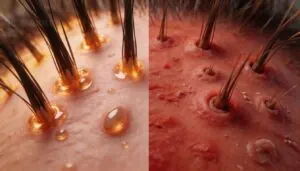
Your scalp isn’t just the ground your hair grows from — it’s an active, living environment that either helps or sabotages every strand. When things go wrong up there, your hair is usually the first to show it.
Getting the basics right—from washing habits to product choices—can genuinely turn things around, and this guide to managing hair loss and regrowing hair breaks down exactly where to start.
Here’s what’s actually happening beneath the surface.
Interdependence Between Scalp Condition and Hair
Think of your scalp as the soil your hair grows from — compromise it, and everything above suffers. Scalp inflammation, driven by Sebum‑Fungal Interaction and Scale Barrier Disruption, pushes follicles toward early shedding.
Disrupted scalp microbiome diversity and Antioxidant Enzyme Decline accelerate oxidative stress, impairing hair follicle stem cells. Scratching‑Induced Inflammation compounds the damage further.
- Barrier breakdown invites microbial overgrowth
- Dandruff signals deeper follicle stress
- Oxidative stress shortens active growth phases
- Chronic inflammation = cumulative hair loss
Characteristics of a Healthy Scalp
A healthy scalp isn’t dramatic — it’s quietly balanced. You’re looking for Moisture Balance, even sebum distribution, and Barrier Integrity that keeps irritants out without feeling tight or reactive.
Microbial Harmony means Malassezia coexists without causing chaos. Low Inflammation shows as minimal redness or itch.
When scalp pH regulation, scalp hydration, and scalp oil production align, your follicles operate in an environment built for growth.
How Scalp Inflammation Disrupts The Hair Cycle
When inflammation takes hold, cytokine signaling disrupts the hair cycle fundamentally — pushing follicles toward premature catagen before growth completes. Barrier breach allows microbes deeper access, compounding inflammation-mediated hair loss.
Microcirculation impairment starves follicles of oxygen and nutrients. Stem cell niche disruption means regrowth stalls rather than recover.
scalp microbiome’s balance isn’t cosmetic — it’s structural. chronic inflammation accelerates follicle miniaturization is a key driver of androgenetic alopecia.
Oxidative Stress and Hair Follicle Senescence
Chronic inflammation doesn’t just disrupt the hair cycle — it fuels oxidative stress that ages your follicles faster than your calendar does. Mitochondrial ROS production overwhelms antioxidant enzymes, triggering DNA oxidation and lipid peroxidation in dermal papilla cells. The result? Hair follicle senescence that’s hard to reverse.
Chronic inflammation doesn’t just disrupt your hair cycle — it silently ages your follicles from the inside out
Here’s what’s happening beneath your scalp:
- Stem Cell Exhaustion depletes the regenerative pool, leaving fewer cells to rebuild new hair shafts
- SASP Signaling releases inhibitory factors that actively suppress follicle cycling
- Antioxidant Enzyme Decline with age removes your cells’ natural defense against free-radical damage
- Zinc pyrithione (ZPT) demonstrably reduces oxidative stress markers in both scalp tissue and pre-emergent hair
Common Scalp Conditions Linked to Hair Loss
Your scalp is doing more than just holding your hair in place — it’s either helping it thrive or quietly working against it.
Several common conditions can throw that balance off, and many of them are more connected to hair loss than most people realize.
Here’s a closer look at the ones worth knowing about.
Dandruff and Seborrheic Dermatitis
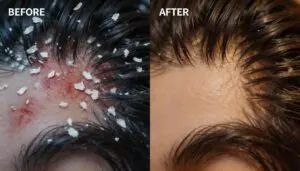
Dandruff and seborrheic dermatitis aren’t two separate problems — they’re a spectrum, and your scalp’s position on it depends on yeast metabolites, sebum regulation, and skin barrier dysfunction.
Malassezia fungi release free fatty acids that trigger inflammation, flaking, and itch.
Symptoms often follow seasonal flare patterns, worsening in winter. Even infantile cradle cap shares this mechanism.
Zinc pyrithione-based shampoos and ketoconazole shampoo remain the most reliable antifungal agents for restoring scalp balance.
Psoriasis and Atopic Dermatitis
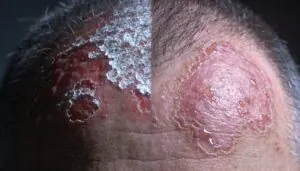
Both psoriasis and atopic dermatitis trigger distinct immune cascades — psoriasis through Th17 pathway activation and IL-17 signaling, atopic dermatitis through IL-4/13 signaling — yet both converge on barrier dysfunction, systemic inflammation, and hair loss.
The itch-scratch cycle in these scalp pathologies accelerates follicular disruption.
A zinc pyrithione based shampoo can help calm inflammation while you pursue targeted clinical management.
Tinea Capitis and Scalp Infections
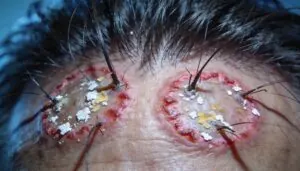
Unlike dandruff, tinea capitis — ringworm of the scalp — is a true fungal infection driven by dermatophyte transmission through direct contact, shared combs, or contaminated surfaces. Trichophyton and Microsporum species invade the hair shaft, causing patchy loss, scaling, and even eyebrow and eyelash involvement.
Kerion risk signals inflammatory progression with scarring potential.
Regional lymphadenopathy, confirmed via Wood’s lamp diagnosis, distinguishes it from superficial flaking.
Ketoconazole shampoo complements oral antifungal treatment.
Alopecia Areata and Autoimmune Triggers
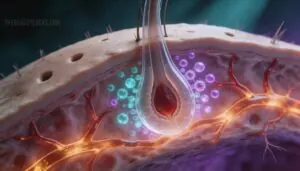
Alopecia areata hijacks your immune system, turning cytotoxic T cells against your own follicles. Your genetic susceptibility, stress hormone axis dysregulation, and viral infection triggers — including Epstein‑Barr and COVID‑19 — can all flip the switch.
autoimmune drivers include:
- Immune cell infiltration around the hair bulb
- Thyroid autoimmunity co‑occurrence
- Stress‑amplified immune cascades
- Hereditary immune‑gene variants
Role of Malassezia in Scalp Pathologies
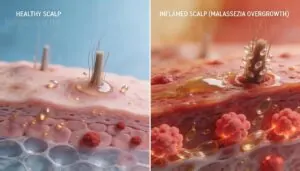
Malassezia spp. don’t just sit quietly on your scalp — they actively reshape it. Through Yeast Enzyme Activity, these fungi drive Lipid Metabolism disruption, converting sebum into irritating fatty acids like oleic acid.
That process fuels Microbial Dysbiosis, triggering Immune Modulation cascades behind dandruff and seborrheic dermatitis. Understanding the Role of Malassezia in scalp dermatologic diseases is what makes Therapeutic Targeting of scalp pathologies actually work.
What Causes Hair Loss and Thinning
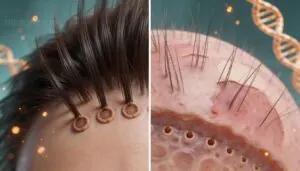
Hair loss rarely comes from just one place — it’s usually a mix of things quietly building up over time. From genetics and hormone levels to the way you style your hair daily, several factors can push your follicles toward the edge.
Here’s a closer look at the main culprits.
Hereditary and Hormonal Factors
Your genes and hormones write the first draft of your hair loss story. Androgenetic alopecia develops when Androgen Receptor Genetics increase follicle sensitivity to DHT Enzyme Variants, driving progressive miniaturization along Family History Patterns.
Estrogen Cycle Influence prolongs anagen, so postpartum estrogen crashes trigger shedding.
Thyroid Hormone Impact disrupts cycling in both hypothyroidism and hyperthyroidism, while hormonal imbalances from PCOS or hormone replacement therapy HRT can accelerate pattern hair loss.
Medical Conditions and Nutritional Deficiencies
Beyond genetics and hormones, systemic conditions and nutritional deficiencies quietly sabotage your follicles.
Iron deficiency reduces oxygen delivery to scalp tissue, while zinc deficiency impairs keratin production and prolongs inflammation.
Vitamin D deficiency disrupts follicle cycling, and B vitamin deficiency — particularly vitamin B6 — is directly linked to seborrheic dermatitis.
Don’t underestimate protein undernutrition either; without adequate amino acids, your hair simply can’t grow.
Medications, Stress, and Telogen Effluvium
Nutrient gaps aren’t the only silent disruptors — medication timing and stress hormone pathways deserve equal attention. Telogen effluvium, that frustrating wave of diffuse shedding, usually surfaces three months after a trigger.
Common culprits include:
- Beta blocker trigger: antihypertensives quietly shift follicles into resting phase
- Hormone withdrawal: stopping contraceptive pills or HRT destabilizes your cycle
- Chronic stress shedding: prolonged anxiety keeps follicles locked in telogen
- Retinoids and anticoagulants: less obvious, equally disruptive
Thankfully, stress-induced hair loss is largely reversible once triggers resolve.
Heat Styling, Chemical Damage, and Traction
Your styling habits carry real consequences. heat styling denatures keratin and lifts cuticles, driving hair shaft brittleness — and heat protectant efficacy has limits above high temperatures.
Chemical relaxer timing matters too; overlapping sessions erode the cuticle layer and compromise scalp barrier function.
Traction style risks from tight ponytails and weaves trigger perifollicular inflammation, silently miniaturizing follicles long before visible thinning appears.
Top 8 Scalp Treatment Products for Hair Loss
Not all scalp treatments are created equal, and the right one can genuinely change the game for your hair. Whether you’re dealing with flaking, thinning, or an irritated scalp, there are products backed by real evidence that actually deliver.
Here are eight worth knowing about.
1. ActAcre Scalp Detox Oil
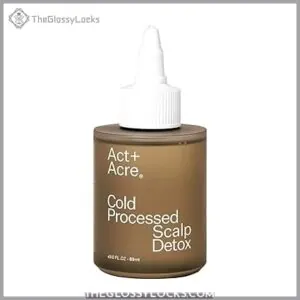
If your scalp feels like it’s drowning in buildup, the Act+Acre Cold Processed Scalp Detox Oil was designed for exactly that. A single application clinically removes over 95% of scalp buildup — product residue, dead cells, environmental pollutants — in one use.
Its cold-processed, plant-based formula preserves potent actives like baobab oil and basil leaf extract without sulfates, parabens, or silicones.
Apply it to a dry scalp, massage gently, let it sit 20 minutes, then rinse.
For best results, try pairing this routine with a fenugreek hair mask for dandruff, which soothes irritation while nourishing the scalp.
It’s a pre-wash reset your follicles will thank you for.
| Best For | Anyone dealing with a buildup-prone, dry, or irritated scalp — especially those with color-treated hair or conditions like psoriasis and eczema who want a clean, gentle reset. |
|---|---|
| Price | $48.00 |
| Paraben-Free | Yes |
| Sulfate-Free | Yes |
| Scalp Concern | Buildup & dryness |
| Product Type | Scalp oil |
| Volume/Size | 1.59 oz |
| Additional Features |
|
- Clinically removes over 95% of scalp buildup in a single use, so it actually delivers on its promise.
- Clean, plant-based formula — no sulfates, parabens, silicones, or synthetic fragrance — safe for color-treated and chemically processed hair.
- Tackles a wide range of scalp issues: dryness, itching, flaking, oiliness, and even sensitive skin conditions.
- At $48 for just 1.59 oz, it’s a premium buy that you’ll burn through faster than you’d hope.
- You can’t skip the shampoo after — skip the rinse and you’ll be left with greasy hair.
- Comes in plastic packaging, which is a small but real downside for eco-conscious buyers.
2. Moroccanoil Oily Scalp Treatment
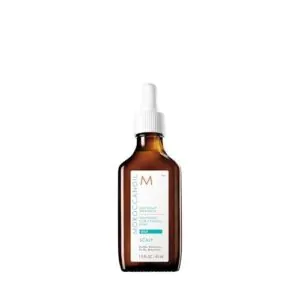
When excess sebum is the enemy, the Moroccanoil Oily Scalp Treatment gives you a targeted five-minute pre-wash intervention — not a shampoo, but a precision reset. You apply 3 to 6 drops per section across four partitions, massage it in, and let ginger root oil and argan work to rebalance sebum production.
Biotinoyl Tripeptide-1 promotes follicular stimulation simultaneously.
At $42 for 1.5 fl oz, it’s a concentrated formula — so precise dosing matters to get your money’s worth.
| Best For | Anyone with an oily scalp who wants to stretch time between washes and prefers a clean, sulfate-free formula over heavy treatments. |
|---|---|
| Price | $42.00 |
| Paraben-Free | Yes |
| Sulfate-Free | Yes |
| Scalp Concern | Excess oiliness |
| Product Type | Scalp serum |
| Volume/Size | 1.5 fl oz |
| Additional Features |
|
- Lightweight and won’t weigh hair down — good news if you have fine hair
- Sulfate-, paraben-, and phosphate-free, so it won’t mess with color-treated hair
- Can push wash days out to 3–5 days by keeping oil at bay
- Pricey for the size — at $42 for 1.5 oz, a bottle can disappear fast if you’re using it regularly
- Some people find it actually makes their scalp feel greasier, which is the opposite of the goal
- The small, leak-prone bottle is a headache to travel with
3. Nioxin Scalp Recovery Moisturizing Conditioner
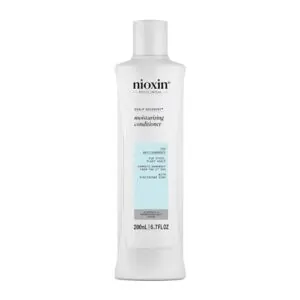
If dandruff is leaving your scalp raw, itchy, and perpetually uncomfortable, the Nioxin Scalp Recovery Moisturizing Conditioner targets that cycle directly.
Its 0.5% zinc pyrithione inhibits Malassezia overgrowth — the fungal driver behind seborrheic dermatitis — while niacinamide nourishes follicular roots and peppermint oil helps regulate sebum.
You apply it post-shampoo, leave it on for one to three minutes, and rinse.
At $27 for 6.7 fl oz, it’s a clinically grounded conditioner that doesn’t just soften hair — it works on the scalp underneath.
| Best For | Anyone dealing with a dry, itchy, or flaky scalp — especially those with mild to moderate dandruff who also want to keep their hair feeling soft and manageable. |
|---|---|
| Price | $27.00 |
| Paraben-Free | Not stated |
| Sulfate-Free | Not stated |
| Scalp Concern | Dandruff & dryness |
| Product Type | Conditioner |
| Volume/Size | 6.7 fl oz |
| Additional Features |
|
- Pyrithione zinc goes after the root cause of dandruff, not just the symptoms
- Double duty — fights flaking while conditioning and hydrating your hair at the same time
- Works for both men and women, so it’s easy to share
- It’s a conditioner only, so you’ll need a separate shampoo to round out your routine
- Pyrithione zinc can irritate sensitive skin, so patch testing is a smart move first
- The hair-growth and thickening claims aren’t backed by independent clinical research
4. Briogeo Scalp Revival Charcoal Biotin Dry Shampoo
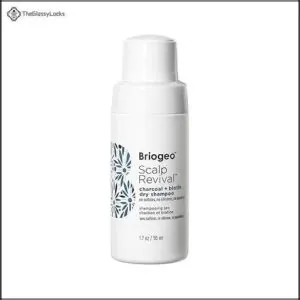
When your roots turn oily between washes, the Briogeo Scalp Revival Charcoal + Biotin Dry Shampoo gives you a genuinely clean reset without reaching for water.
Binchotan charcoal draws out impurities and excess sebum, while the kaolin clay and tapioca starch complex absorbs oil without that chalky residue that haunts most dry shampoos.
Biotin helps maintain follicular integrity at the root level.
The twist-squeeze dispenser takes a little practice, but the powder formula — 99% naturally derived, sulfate- and silicone-free — is worth it at $25.
| Best For | Anyone with fine, oily, or chemically treated hair who wants a clean, residue-free refresh between washes — especially great for travel or skipping the aerosol. |
|---|---|
| Price | $25.00 |
| Paraben-Free | Yes |
| Sulfate-Free | Yes |
| Scalp Concern | Excess oil & buildup |
| Product Type | Dry shampoo |
| Volume/Size | 1.7 oz |
| Additional Features |
|
- Binchotan charcoal and starch complex actually absorb oil without leaving a white cast, even on lighter hair
- Clean formula — 99% naturally derived, vegan, and free of the usual nasties like sulfates and silicones
- Adds real volume and texture without that stiff, over-starched feeling
- The twist-squeeze dispenser has a learning curve and can puff powder everywhere if you’re not careful
- At $25 for 1.7 oz, it’s pricier than most drugstore aerosol options
- Very oily or thick hair may need a reapplication after just a few hours
5. HairStem DHT Blocker Shampoo
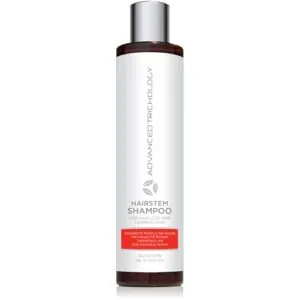
If DHT miniaturization is quietly shrinking your follicles, you need something that works at the root cause — literally. The HairStem DHT Blocker Shampoo combines saw palmetto, biotin, and tea tree oil in a sulfate-free formula developed by trichologists for both men and women.
Leave it on for three to five minutes so the actives can penetrate.
At $34.95 for 8 oz, it’s a clinically considered daily option for early-stage thinning rather than a standalone cure.
| Best For | Men and women in the early stages of thinning or genetically linked hair loss who want a daily, chemical-free shampoo to slow shedding and support scalp health. |
|---|---|
| Price | $34.95 |
| Paraben-Free | Not stated |
| Sulfate-Free | Yes |
| Scalp Concern | Hair loss & thinning |
| Product Type | Shampoo |
| Volume/Size | 8 oz |
| Additional Features |
|
- Clean formula — no sulfates, no propylene glycol, and cruelty-free, so it’s gentle enough for daily use
- Developed by trichologists and clinically tested, which puts it a step above most off-the-shelf options
- Works well as part of a bigger hair-loss routine alongside vitamins or oral DHT blockers
- At $34.95 for 8 oz, the cost adds up fast if you’re washing your hair every day long-term
- Won’t reverse significant hair loss — it’s more about slowing things down than bringing hair back
- Results vary a lot depending on your genetics, overall health, and how consistently you use it
6. OGX Refreshing Scalp Tea Tree Mint Shampoo
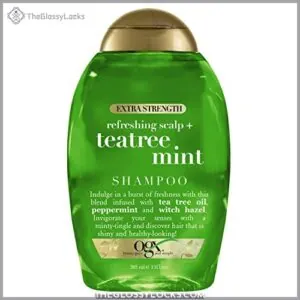
Not every effective scalp shampoo needs a prescription price tag.
The OGX Invigorating Scalp Tea Tree Mint Shampoo delivers a clinically relevant botanical combination — Melaleuca alternifolia leaf oil, Mentha piperita extract, menthol, and Hamamelis virginiana (witch hazel) — within a sulfate‑free, paraben‑free base.
You’ll notice the cooling, tingling sensation immediately; that’s the menthol and menthyl lactate activating.
At 13 fl oz, it’s designed for deep cleansing of sebum and product buildup without disrupting your scalp’s moisture barrier — a meaningful distinction for inflamed or sensitized skin.
| Best For | People with oily, itchy, or buildup-prone scalps who want a deep clean without harsh sulfates or parabens. |
|---|---|
| Price | Varies |
| Paraben-Free | Yes |
| Sulfate-Free | Yes |
| Scalp Concern | Buildup & irritation |
| Product Type | Shampoo |
| Volume/Size | 13 fl oz |
| Additional Features |
|
- That menthol tingle is real — your scalp feels refreshed and awake right after washing
- Cleans out sebum and product buildup without leaving hair feeling stripped or dry
- Sulfate-free and paraben-free, so it’s gentler than a lot of drugstore options
- A 13 oz bottle goes fast if you’re washing daily, and the price per ounce stings a little
- A small number of people experience scalp irritation, especially in the first few uses
- It’s not a treatment for serious scalp conditions — if things are severe, you’ll need something medical
7. Yes To Tea Tree Scalp Treatment
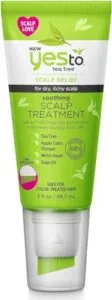
Think of this as your scalp’s reset button in a tube. Yes, To Tea Tree Scalp Treatment combines Melaleuca alternifolia (tea tree) oil, Salvia officinalis (sage) oil, Hamamelis virginiana (witch hazel), and apple cider vinegar — a botanically active quartet targeting microbial imbalance, excess sebum, and barrier irritation simultaneously.
You apply it pre-shampoo directly to roots using the built-in silicone comb brush, leave it five to ten minutes, then rinse.
At $8.99 for 3 fl oz, it’s accessible — though thick-haired users will burn through it faster than expected.
| Best For | Anyone dealing with a dry, itchy, or flaky scalp who wants a natural, non-medicated fix before shampooing. |
|---|---|
| Price | $8.99 |
| Paraben-Free | Yes |
| Sulfate-Free | Yes |
| Scalp Concern | Itch & flaking |
| Product Type | Pre-shampoo treatment |
| Volume/Size | 3 fl oz |
| Additional Features |
|
- Tea tree, sage, witch hazel, and apple cider vinegar work together to calm irritation and clear buildup fast.
- Over 95% natural ingredients — no parabens, SLS, or silicones — and it’s vegan and Leaping Bunny certified.
- The built-in comb brush makes it easy to apply right at the roots without getting your hands messy.
- At 3 fl oz for $8.99, the tube runs out quickly — especially if you have thick or long hair.
- The low-viscosity formula dispenses fast, so it’s easy to accidentally use too much in one sitting.
- The comb brush can feel sharp and struggles to reach the scalp through very thick or voluminous hair.
8. Head Shoulders Dry Scalp Two in One
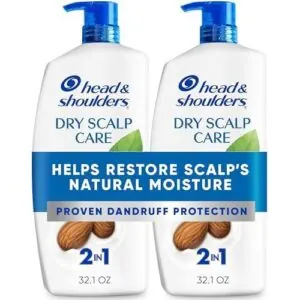
Where that targeted botanical approach ends, broader daily-use options begin. Head & Shoulders Dry Scalp 2-in-1 delivers 1% pyrithione zinc — clinically shown to reduce oxidative stress markers and improve hair retention — alongside almond oil for moisture support, all in a single wash step.
It won’t replace prescription therapy for psoriasis or eczema, but for mild-to-moderate dandruff with dryness, the convenience-to-efficacy ratio is genuinely hard to argue with. Use it at least twice weekly for consistent flake control.
| Best For | Anyone dealing with mild-to-moderate dandruff or a dry, flaky scalp who wants a simple, effective daily routine without juggling multiple products. |
|---|---|
| Price | $28.43 |
| Paraben-Free | Yes |
| Sulfate-Free | Not stated |
| Scalp Concern | Dandruff & dryness |
| Product Type | 2-in-1 shampoo |
| Volume/Size | 32.1 fl oz |
| Additional Features |
|
- Tackles dandruff and dryness in one step — the 1% pyrithione zinc controls flakes while almond oil keeps your scalp moisturized
- Paraben-free and gentle enough for daily use, so you don’t have to overthink how often to reach for it
- Big 32 oz bottles mean you’re not restocking every two weeks, and the price per ounce is pretty reasonable
- The almond scent is baked in — if you’re sensitive to fragrance or just prefer unscented, this one’s not for you
- It’s not a fix for serious scalp conditions like psoriasis or eczema, which really need a dermatologist’s input
- No sulfate-free or silicone-free claim on the label, so if you’re particular about those ingredients, you’ll want to dig into the full ingredient list first
Effective Treatments for Scalp Health and Hair Loss
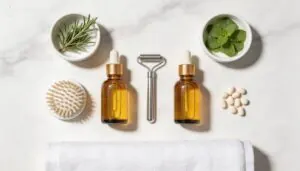
Not every scalp problem needs the same fix — and that’s actually good news. Knowing which treatment matches your specific concern can make all the difference between spinning your wheels and seeing real results.
Here are the most effective options worth knowing about.
Zinc Pyrithione and Antifungal Shampoos
When dandruff won’t quit despite your best efforts, zinc pyrithione (ZPT) is likely the active you’ve been overlooking. Its mechanism of action works through copper-mediated toxicity targeting iron-sulphur proteins in Malassezia — disrupting fungal survival at the cellular level.
Clinical efficacy is well-documented: 1% ZPT antifungal shampoos substantially reduce scaling, pruritus, and sebum production. Its safety profile remains mild and tolerable, and synergistic formulations pairing ZPT with ketoconazole deliver even stronger antifungal coverage.
What zinc pyrithione-based shampoos address:
- Fungal overgrowth driving dandruff
- Scalp inflammation and itch
- Excess sebum production
- Seborrheic dermatitis flare-ups
- Resistance development risk — minimized through combination medicated shampoos
Minoxidil and DHT-Blocking Therapies
Antifungals address the microbial side of hair loss — but when androgenetic alopecia is the culprit, you need a different strategy.
Minoxidil works by widening scalp blood vessels, delivering more oxygen to hair follicle stem cells and extending the anagen phase. It doesn’t lower DHT. That’s where DHT inhibition strategies for hair growth — finasteride or dutasteride — come in, blocking 5-alpha reductase to slow follicle miniaturization.
Combination therapy benefits are clear: minoxidil encourages regrowth while DHT blockers halt the hormonal damage driving hair loss. Clinical efficacy timelines generally span six to twelve months, so patience isn’t optional. For side effect management, topical-first approaches reduce systemic exposure compared to oral-only regimens.
Platelet-Rich Plasma and Laser Treatments
When minoxidil and DHT blockers aren’t enough, platelet-rich plasma (PRP) therapy and laser treatments offer a compelling next step.
PRP activation methods concentrate your own growth factors, delivering them through microchannel delivery pathways. Laser parameter optimization creates in scalp tissue.
This combination protocol timing maximizes growth factor synergy, enhancing hair follicle stimulation where it matters most — directly at the follicular unit.
Corticosteroids for Inflammatory Scalp Conditions
When scalp inflammation gets aggressive — think seborrheic dermatitis or psoriasis flares — topical steroids become your most direct intervention.
Potency Selection matters: clobetasol propionate 0.05% solution is a clinically preferred Vehicle Formulation for noninfectious scalp dermatitis.
Application Technique means reaching inflamed skin, not just hair.
Short-Term Regimens of one to two weeks reduce immune suppression risks, and gradual tapering addresses Side Effect Management effectively.
Nutritional Supplementation for Follicle Support
Your follicles need more than topical treatments — internal nutritional support lays the biochemical foundation.
Low iron levels reduce oxygen delivery to rapidly dividing follicular cells, while vitamin D3 deficiency disrupts normal follicle cycling.
Zinc supplementation curbs scalp inflammation and aids keratin synthesis.
Omega-3 fatty acids modulate inflammatory mediators, and biotin support — particularly via biotin peptide complex formulations — aids metabolic pathways.
Folate completes this nutritional support and vitamins for hair health framework.
Daily Habits That Prevent Scalp Issues and Hair Loss

Your scalp doesn’t just respond to products — it reacts to everything you do daily. Small, consistent habits can be the difference between a thriving scalp and one that’s constantly fighting inflammation, buildup, or thinning.
Here are the daily practices worth building into your routine.
Starting with the basics—like switching to a sulfate-free shampoo and cooler water—can make a real difference, and these natural remedies for dry scalp offer simple, effective ways to restore balance without stripping your skin.
Gentle Cleansing and Exfoliation Routines
Your cleansing routine is either protecting your follicles or quietly sabotaging them. Sulfate-Free Shampoos formulated with mild surfactants like cocamidopropyl betaine preserve scalp pH balance without stripping lipids.
Keratin-Softening Acids such as salicylic and lactic acids clear product buildup effectively when used once or twice weekly.
- Apply exfoliants to damp hair to minimize irritation
- Rinse thoroughly — residual scalp exfoliants continue working against you
- Follow with Post-Exfoliation Moisturizers containing glycerin or panthenol
- Pause exfoliation and cleansing methods for scalp health if redness flares
Scalp Massage to Improve Blood Circulation
Five minutes of intentional touch can quietly transform your scalp microenvironment. Scalp massages improve local perfusion by stimulating the dermis’s dense vascular networks, delivering oxygen directly to each follicle.
| Technique Element | Clinical Recommendation |
|---|---|
| Gentle Pressure Levels | Light fingertip pressure; avoid nail contact |
| Circular Finger Motions | Slow, small circles across the scalp |
| Session Duration Frequency | 5–10 minutes, several times weekly |
| Local Perfusion Enhancement | Warmth from contact temporarily boosts circulation |
| Follicle Safety Tips | Stay on skin, not hair shafts |
Consistent practice promotes scalp health and the hair follicle microenvironment without disrupting your scalp condition.
Reducing Oxidative Stress Through Diet and Antioxidants
What you eat is fundamentally your scalp’s first line of defense against oxidative stress. Free radicals damage follicle DNA and accelerate senescence—but dietary changes for hair health can shift that balance.
Vitamin C foods like citrus, polyphenol beverages such as green tea, selenium sources including Brazil nuts, and a Mediterranean diet collectively strengthen antioxidant enzymes, directly addressing nutritional factors influencing scalp health.
When to Consult a Trichologist or Dermatologist
Some scalp issues won’t wait for home remedies to kick in. Seek a trichologist or dermatologist when you notice:
- Rapid hair loss or widening bald patches appearing within days
- Severe itching, burning, or infection signs like pus or spreading redness
- Autoimmune indicators — sudden patchy loss affecting brows or lashes
- Persistent symptoms warranting clinical diagnosis of scalp disease or scalp biopsy
Don’t delay dermatologist consultation.
Frequently Asked Questions (FAQs)
Can scalp problems cause hair loss?
Think of your scalp as the soil your hair grows from — when that soil is compromised by microbial dysbiosis, barrier integrity loss, or inflammation‑mediated hair loss, yes, scalp pathologies absolutely can trigger shedding.
How can I improve my scalp health?
Improving your scalp starts with consistent scalp hygiene, protecting your scalp barrier function, supporting your scalp microbiome, balancing scalp pH, applying scalp sun protection, practicing stress management techniques, and maintaining a nutrient-rich diet.
What are the symptoms of an unhealthy scalp?
Persistent itching, white flakes, red patches, excess oil, and increased hair shedding are key warning signs.
Dandruff, scalp inflammation, and disrupted scalp barrier function—including shifts in scalp pH—signals your scalp needs attention.
What are the causes of itchy scalp and hair loss?
Like a garden starved of clean soil, your scalp suffers when environmental pollutants, allergic reactions, bacterial overgrowth, hard water, or hair product irritation disrupt its microbiome balance — triggering scalp itching, dandruff, seborrheic dermatitis, and oxidative stress-driven hair loss.
Can alopecia cause hair loss?
Yes — alopecia directly causes hair loss. In alopecia areata, autoimmune targeting destroys follicles, triggering patchy hair loss.
Scarring alopecia eliminates regrowth potential permanently, while non-scarring forms may allow recovery with early intervention.
Why is scalp health so important?
Think of your scalp as a living ecosystem — when Barrier Integrity, Microbiome Homeostasis, and Blood Flow Optimization align, follicles thrive.
Disruption through oxidative stress or inflammation triggers Stress-Induced Shedding and compromises your scalp condition entirely.
Can diet influence scalp health and hair loss?
Absolutely.
What you eat directly shapes your scalp environment. Nutrient deficiency, low vitamin D levels, inadequate zinc supplementation, and poor omega-3 fatty acids intake can all accelerate shedding and compromise follicle resilience.
Is hair loss reversible with proper scalp care?
Ironically, the scalp you’ve neglected the longest may respond fastest.
Inflammation-driven and stress-induced shedding show strong clinical reversibility data—often recovering within three to six months once the underlying trigger is consistently addressed.
How often should scalp treatments be applied?
Treatment interval varies by scalp type: oily scalps benefit from detox cleansing every one to two weeks, while balanced scalps maintain equilibrium with massage frequency and product rotation every three to four weeks.
Do scalp supplements actually promote hair growth?
Some supplements show modest promise in clinical trial evidence, but biotin only helps with deficiency, ingredient standardization is inconsistent, and dosage variability means results aren’t guaranteed.
Don’t overlook nutritional factors influencing scalp health first.
Conclusion
As you begin on your journey to reclaim your scalp’s health and restore your hair’s vitality, remember that the path ahead requires patience, persistence, and a deep insight into the intricate relationships between scalp conditions and hair growth.
The interplay between scalp health and hair loss will continue to evolve, revealing new insights and treatment modalities.
By prioritizing scalp care and addressing underlying issues, you can break the cycle of hair loss and foster a thriving scalp environment, ultimately redefining your relationship with your hair, scalp health, and hair loss.
- https://doi.org/10.1159/000051658
- https://pubmed.ncbi.nlm.nih.gov/11455137/
- https://scholar.google.com/scholar_lookup?journal=Dermatology&title=Swiss%20Trichology%20Study%20Group.%20The%20value%20of%20hair%20cosmetics%20and%20pharmaceuticals&author=RM%20Tr%C3%BCeb&volume=202&publication_year=2001&pages=275-82&pmid=11455137&doi=10.1159/000051658&