This site is supported by our readers. We may earn a commission, at no cost to you, if you purchase through links. This content is for general informational and educational purposes only and is not a substitute for professional medical, dermatological, or nutritional advice.
Hormonal acne doesn’t care how old you are or how diligently you wash your face.
Half of women in their 20s deal with it, and it keeps showing up well into the 40s—deep, stubborn cysts that cluster along the jawline and chin like clockwork, often timed to your cycle.
Unlike the surface-level breakouts of adolescence, these lesions form beneath the skin, driven by androgen spikes that flood your oil glands with more sebum than your pores can handle.
The good news is that the hormonal connection makes this type of acne more predictable—and more treatable—than most people realize.
Table Of Contents
- Key Takeaways
- What is Hormonal Acne and Who Gets It
- What Causes Hormonal Acne Breakouts
- How to Identify Hormonal Acne Symptoms
- Best Over-the-Counter Treatments for Hormonal Acne
- Top 6 Products for Hormonal Acne Breakouts
- Prescription and In-Office Hormonal Acne Treatments
- Skincare Routine and Lifestyle Tips for Hormonal Acne
- Frequently Asked Questions (FAQs)
- Can hormonal acne affect teenagers or children?
- What are the risks of untreated hormonal acne?
- How does hormonal acne differ by climate?
- Are there natural remedies for hormonal acne?
- Is hormonal acne linked to other health conditions?
- Can hormonal acne cause permanent scarring or damage?
- Does pregnancy affect hormonal acne treatment options?
- How long until hormonal acne treatments show results?
- Conclusion
Key Takeaways
- Hormonal acne isn’t random — it follows predictable patterns like jawline clusters and pre-period flares, which actually make it easier to treat once you understand your triggers.
- Androgens are the real culprit, driving your oil glands into overdrive and creating the deep, painful cysts that regular cleansers and surface treatments simply can’t reach.
- Over-the-counter ingredients like adapalene, benzoyl peroxide, and azelaic acid can genuinely move the needle, but you need to give them 6–8 weeks before expecting real results.
- When drugstore options fall short, prescription treatments like spironolactone or oral contraceptives target the hormonal root cause directly — and that’s a conversation worth having with your dermatologist.
What is Hormonal Acne and Who Gets It
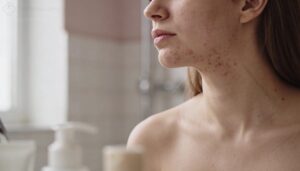
Hormonal acne isn’t just regular acne that showed up at a bad time — it has its own triggers, patterns, and stubborn personality. Understanding who gets it and why is the first step toward actually doing something about it.
Once you know your triggers, hormonal acne treatments for adults start to make a lot more sense — and actually work.
Here’s what you need to know.
How Hormonal Acne Differs From Regular Acne
Unlike regular acne, hormonal acne has a distinct fingerprint. The lesion depth runs deeper — think painful cysts rather than surface pimples.
The pore pattern skews toward clogged, inflamed follicles with less visible blackheads.
Inflammatory severity is higher, and breakouts cluster in a lower face focus: your jawline and chin.
That’s why treatment response often requires addressing hormonal fluctuations and skin oil production, not just topical care.
These breakouts often follow cyclical flare‑ups linked to menstrual cycles.
Women and Hormonal Breakouts
Hormonal acne hits women harder than most people realize. About 50% of women in their 20s deal with it, and roughly 25% still see breakouts in their 40s — especially during the menopause phase.
Shifting estrogen levels, PCOS, and monthly cycle swings all play a role.
Even factors like sleep hygiene, gut microbiome balance, and vitamin D levels can influence how your skin behaves hormonally.
Men and Hormonal Acne
Men deal with hormonal acne too, though it often looks different. Androgenic hormones — especially DHT — ramp up oil production and drive deeper, cystic lesions along the jawline and chin.
Beard area friction** and grooming product irritation can make things worse.
Testosterone therapy impact is real as well; androgen-driven breakouts that persist may eventually require dermatology endocrinology coordination to manage male acne scarring effectively.
Teens Vs. Adults With Hormonal Acne
Teen acne and adult hormonal acne aren’t the same problem, wearing the same face. Adolescent skin health often involves oilier skin and breakouts scattered across the forehead and cheeks.
Adult acne clusters lower — jawline, chin. Skin oiliness levels drop with age, so treatment adherence matters more; harsh approaches backfire.
Adolescent versus adult acne patterns genuinely shape which treatment options for hormonal acne actually work for you.
What Causes Hormonal Acne Breakouts
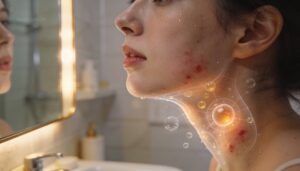
Hormonal acne doesn’t just appear out of nowhere — there’s always something driving it beneath the surface. A handful of specific triggers are responsible for most of the breakouts you’re probably dealing with.
Here’s what’s actually causing them.
Role of Androgens and Sebum Production
Your skin’s oil glands don’t act alone — androgen levels call the shots. Through receptor signaling, androgens bind to sebaceous gland cells, triggering gland hypertrophy and shifting lipid composition toward excess sebum.
Then 5α-reductase activity converts testosterone into a more potent driver, and microbial sebum interaction lets acne-causing bacteria thrive.
Hormonal fluctuations and skin oil production are tightly linked through:
- Increased sebaceous gland activity that clogs pores
- Sebum excess creating a feeding ground for bacteria
- Androgenic acne forming deeper, more stubborn lesions
Menstrual Cycle and Acne Flares
If your breakouts show up like clockwork before your period, that’s not a coincidence. The late luteal flare happens because of a classic estrogen dip impact paired with a progesterone oil surge — a sebum fluctuation pattern that clogs pores right on cue.
Around 63% of women experience this menstrual cycle acne. Cycle tracking tips can help you anticipate flares and adjust your routine accordingly.
Polycystic Ovarian Syndrome and Skin
PCOS does more than disrupt your cycle — it shifts skin’s entire biology. Excess androgens from polycystic ovarian syndrome drive hormonal acne, seborrhea scalp oiliness, hirsutism, and androgenetic alopecia all at once.
You may also notice acanthosis nigricans, skin tags, or persistent breakouts tied to insulin resistance.
Spironolactone therapy for hormonal acne is often the go-to prescription when PCOS is driving the picture.
Stress, Cortisol, and Breakout Triggers
Stress doesn’t just affect your mood — it rewires your skin’s behavior. When cortisol rises, it signals your sebaceous glands to ramp up oil output, setting off a chain reaction that’s hard to stop.
Cortisol doesn’t just stress you out — it tells your skin to produce more oil and break out
- Cortisol sebum surge clogs pores and feeds inflammation.
- Barrier weakening makes skin reactive and slower to recover.
- Microbiome disruption shifts bacterial balance, worsening stress-induced acne.
- Delayed healing and inflammatory persistence keep lesions active longer.
How to Identify Hormonal Acne Symptoms
Hormonal acne has a few telltale signs that set it apart from other kinds of breakouts. Once you know what to look for, it’s much easier to connect the dots between your skin and your hormones.
Here’s what to pay attention to.
Common Locations on The Face and Body
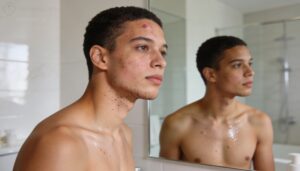
Hormonal acne doesn’t pick spots randomly. For adolescents and adults alike, jawline hormonal flares and chin breakouts are the signature signs.
Forehead oil zones stay stubbornly prone to acne vulgaris, especially with sweat or product buildup. Cheek friction triggers worsen things further — think masks, phones, or pillowcases.
chest bacne patterns overlook chest bacne patterns or perioral occlusion from heavy lip products either.
Cystic Vs. Surface-Level Lesions
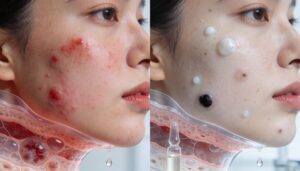
Not all acne feels the same — and that difference matters for treatment strategy.
- Acne cysts sit deep, causing significant pain sensitivity and lasting inflammation.
- Blackheads and whiteheads stay near the surface, healing faster with a lower likelihood of scarring.
- Cystic lesions rarely show a visible head.
- Hormonal causes of adult acne drive deeper, angrier breakouts.
- Spironolactone therapy for hormonal acne targets the root, shortening healing duration.
Cyclical Breakout Patterns
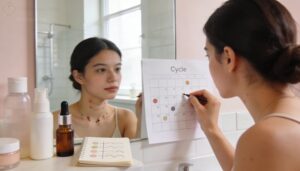
If you track your breakouts against your cycle dates, a pattern often emerges. Many women notice flares 3 to 7 days before their period — a reliable window for flare prediction and trigger mapping.
Hormonal fluctuations and skin oil production rise together during this phase, making cycle correlation a useful tool. Hormone monitoring over a few months can reveal surprisingly consistent timing.
When to See a Dermatologist
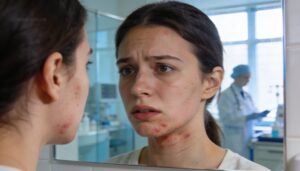
once you’ve spotted a pattern, the next question is knowing when to stop managing it alone. Persistent inflammation that won’t settle, cystic lesions that linger for weeks, or any infection signs like spreading redness deserve a dermatologist’s attention.
Sudden worsening or scarring risk changes the equation entirely — a healthcare provider can match evidence-based acne treatment to what’s actually driving your breakouts.
Best Over-the-Counter Treatments for Hormonal Acne

You don’t always need a prescription to start managing hormonal acne — the right drugstore finds can make a real difference. Several well-researched ingredients have proven themselves worth your attention, and knowing what each one does helps you choose smarter.
Here’s a look at the key OTC options worth keeping in your routine.
Retinoids and How They Work
Retinoids are one of the most well‑studied tools for clearing breakouts. A topical retinoid like adapalene or tretinoin works through receptor binding in skin cells, signaling them to speed up cell turnover and shed more cleanly. That process keeps pores from clogging. Retinoids also deliver anti‑inflammatory effects and support sebum regulation — reducing the conditions that trigger new lesions.
- Adapalene (Differin): Available over the counter; gentler entry point for sensitive skin
- Tretinoin: Prescription‑strength with stronger cell turnover activity
- Isotretinoin: An oral retinoid reserved for severe, treatment‑resistant cases
- Irritation Management: Start two to three nights per week, then gradually increase frequency
Benzoyl Peroxide for Inflammation
Benzoyl peroxide works differently than retinoids — its Oxidative Action releases reactive oxygen species that disrupt the bacterial environment inside pores, calming inflammation at its source.
For hormonal acne, this Anti‑inflammatory Mechanism targets the redness and swelling behind those deep, painful breakouts.
| Concentration Guidelines | Contact Time | Irritation Management |
|---|---|---|
| Start at 2.5% | Leave-on or rinse-off | Use every other day |
| Step up to 5% | Short contact if sensitive | Moisturize after applying |
| 10% for stubborn flares | Consistent daily use | Lower strength if peeling |
Salicylic Acid and AHA Exfoliants
When pores are congested with excess sebum, salicylic acid goes to work — it’s oil-soluble, so it reaches deep inside the follicle where AHAs can’t. Alpha hydroxy acids handle surface smoothing and post-breakout discoloration instead.
Smart Layering Strategies, matched Acid Strengths, and the right Formulation Types all matter for Irritation Management. pH Optimization keeps these exfoliants effective without overwhelming hormonal acne-prone skin.
Azelaic Acid and Niacinamide Benefits
Two ingredients quietly do the heavy lifting when other treatment options for hormonal acne fall short.
Azelaic topical acid 10 and niacinamide work together to deliver:
- Calm skin by reducing inflammation and redness
- Spot fading to address post-acne discoloration
- Barrier support and sebum balance for pore clarity
A dermatologist consultation can help confirm if these suit your skin’s barrier function.
Top 6 Products for Hormonal Acne Breakouts
Finding the right products for hormonal acne doesn’t have to feel like trial and error. Each pick below targets a specific part of the breakout cycle, from cleansing to spot treatment to daily protection.
six worth keeping on your shelf.
1. CeraVe Acne Face Wash
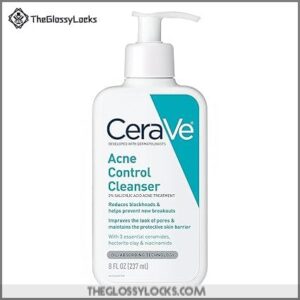
If you’re dealing with hormonal breakouts, your cleanser matters more than you might think. The CeraVe Acne Face Wash pairs 2% salicylic acid with three essential ceramides and 4% niacinamide — so it clears congested pores without stripping your barrier.
That balance is key for hormonal skin, which is often both oily and reactive.
It’s fragrance-free, non-comedogenic, and safe to use twice daily.
It’s not a cure for severe cystic acne, but a solid, dermatologist-developed foundation for any hormonal acne routine.
| Best For | Anyone with oily, combination, or acne-prone skin — especially those dealing with hormonal breakouts who want an effective daily cleanser that won’t wreck their skin barrier. |
|---|---|
| Fragrance-Free | Yes |
| Non-Comedogenic | Yes |
| Niacinamide Included | 4% niacinamide |
| Skin Type Suitability | Oily, combination, acne-prone |
| Dermatologist Tested | Yes |
| Price (USD) | Not listed |
| Additional Features |
|
- The 2% salicylic acid actually gets into pores and clears them out, not just sits on the surface.
- Ceramides and niacinamide keep your skin from feeling tight or irritated after washing — a big deal for reactive skin.
- Fragrance-free, non-comedogenic, and dermatologist-developed, so it plays well with most routines.
- Some people experience a purging phase early on, which can feel discouraging before it gets better.
- Not strong enough on its own for severe cystic or deep hormonal acne — you’ll likely need more than a cleanser.
- Results vary, and some users find the improvement modest rather than dramatic.
2. La Roche Posay Toleriane Foaming Cleanser
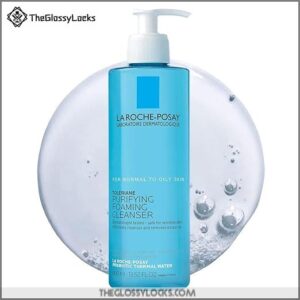
Sensitive skin and hormonal acne don’t always play nice together.
The La Roche-Posay Toleriane Foaming Gel Cleanser is soap-free, sulfate-free, and fragrance-free — a genuinely gentle option that won’t aggravate reactive skin. It contains ceramides and niacinamide to support your barrier while removing excess oil and daily buildup.
In a four-week study, 94% of users noticed cleaner, healthier skin.
At $14.99, it’s a practical, dermatologist-tested pick for twice-daily cleansing when your skin needs calm, not confrontation.
| Best For | Anyone with sensitive, oily, or acne-prone skin who wants a no-fuss daily cleanser that cleans thoroughly without stripping or irritating. |
|---|---|
| Fragrance-Free | Yes |
| Non-Comedogenic | Yes |
| Niacinamide Included | Yes |
| Skin Type Suitability | Normal, oily, combination, sensitive, acne-prone |
| Dermatologist Tested | Yes |
| Price (USD) | $14.99 |
| Additional Features |
|
- Soap-free, sulfate-free, and fragrance-free — genuinely kind to reactive or sensitive skin
- Ceramides and niacinamide work together to clean and support your skin barrier at the same time
- Dermatologist-tested with solid clinical backing — 94% of users saw cleaner, healthier skin in four weeks
- Won’t cut through heavy or waterproof makeup on its own — you’ll likely need a separate remover
- A little pricier than your average drugstore face wash at $14.99
- No scent at all, which is great for sensitive skin but might feel underwhelming if you like a fresh, fragrant wash
3. Naturium Azelaic Acid Niacinamide Serum
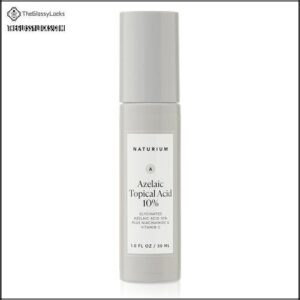
If post-breakout marks are slowing down your progress, this serum is worth a close look. The Naturium Azelaic Acid Niacinamide Serum combines 10% azelaic acid, niacinamide, and vitamin C in one lightweight formula — so you’re targeting congestion, redness, and uneven tone without layering five products.
It’s vegan, fragrance-free, and gentle enough for sensitive skin.
At $19.99, it’s reasonably priced.
Use one to two pea-sized drops morning and night, and introduce it slowly if you’re already using tretinoin.
| Best For | Anyone dealing with post-breakout marks, mild redness, or uneven skin tone who wants a simple, one-step active serum — especially those with sensitive skin. |
|---|---|
| Fragrance-Free | Synthetic fragrance-free |
| Non-Comedogenic | Not stated |
| Niacinamide Included | Yes |
| Skin Type Suitability | Most skin types including sensitive |
| Dermatologist Tested | Yes |
| Price (USD) | $19.99 |
| Additional Features |
|
- Combines azelaic acid, niacinamide, and vitamin C in one bottle, so you’re not juggling a whole routine
- Light, non-sticky texture that layers easily under moisturizer or sunscreen without pilling
- Gentle formula — vegan, fragrance-free, and dermatologist-tested for sensitive skin
- Uses potassium azeloyl diglycinate (an azelaic acid derivative) rather than pure azelaic acid, which has less research behind it
- Some users notice an off-putting odor that a few describe as a "spit"-like smell
- Results take time — anywhere from 2 to 8 weeks — and not everyone sees a noticeable difference
4. Mighty Patch Original Hydrocolloid Acne Patch
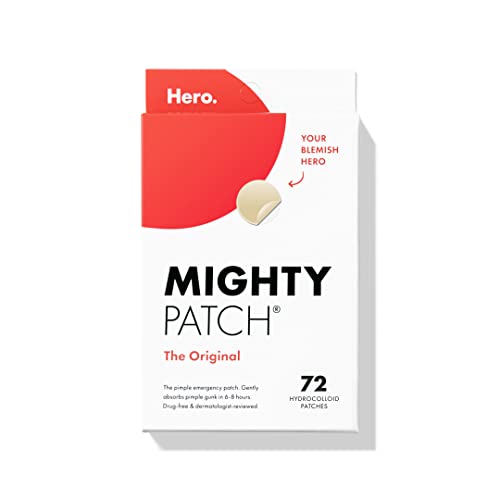
Sometimes the simplest fix works surprisingly well. The Mighty Patch Original is a hydrocolloid sticker made from medical-grade material that draws fluid and impurities out of a whitehead while you sleep.
Apply it to clean, dry skin and let it do the work overnight. It won’t treat the hormonal root cause, but it protects the blemish from picking and speeds up surface healing.
Each box includes 72 patches, and at $21.97, it’s an easy addition to your spot-treatment routine.
| Best For | Anyone dealing with occasional whiteheads or papules who wants a simple, hands-off overnight fix that prevents picking and speeds up healing. |
|---|---|
| Fragrance-Free | Yes |
| Non-Comedogenic | Yes |
| Niacinamide Included | No |
| Skin Type Suitability | Sensitive, acne-prone |
| Dermatologist Tested | No |
| Price (USD) | $21.97 |
| Additional Features |
|
- Draws out fluid and impurities fast — most pimples look noticeably better within 6–8 hours.
- Virtually invisible with a matte finish, so you can wear it during the day under makeup without it being obvious.
- 72 patches for $21.97 is solid value, and the easy-peel packaging makes grabbing one quick and hassle-free.
- The 12 mm size won’t cover larger blemishes or clusters — you might need to stack a few patches, which eats through the box faster.
- Won’t do anything for cystic or deep acne; it only works on surface-level whiteheads and papules.
- Adhesion drops off quickly if your skin isn’t completely clean and dry before application, so prep matters.
5. EltaMD UV Clear Face Sunscreen Oil Free
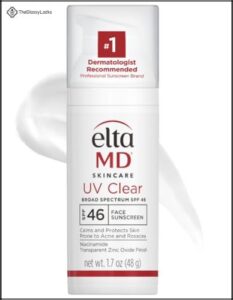
Protecting your skin from UV damage matters just as much as treating active breakouts. EltaMD UV Clear Face Sunscreen SPF 46 fits well into an acne-prone routine because it’s oil-free, non-comedogenic, and contains 5% niacinamide — which helps calm redness and fade post-inflammatory marks over time.
The zinc oxide formula absorbs without a greasy finish, and it layers cleanly under makeup. At $45 for 1.7 oz, it’s a premium pick, but some dermatologists consistently recommend for sensitive, acne-prone skin.
| Best For | People with oily, acne-prone, or sensitive skin who want daily UV protection that won’t clog pores or irritate skin. |
|---|---|
| Fragrance-Free | Yes |
| Non-Comedogenic | Yes |
| Niacinamide Included | Yes |
| Skin Type Suitability | Normal, oily, acne-prone, sensitive, rosacea-prone |
| Dermatologist Tested | Yes |
| Price (USD) | $45.00 |
| Additional Features |
|
- Oil-free and non-comedogenic formula with niacinamide to help calm redness and fade dark spots over time
- Layers cleanly under makeup with no greasy residue or eye sting
- Dermatologist-recommended and TSA-friendly for easy on-the-go use
- At $45 for just 1.7 oz, it’s a pricey option you’ll go through quickly
- Can pill or flake when layered over certain moisturizers
- May leave a faint white cast on deeper skin tones despite being labeled transparent
6. Differin Acne Retinoid Gel
Once your sunscreen is locked in, the next step is actually treating what’s underneath.
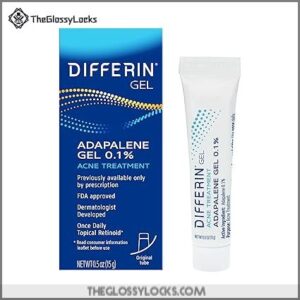
Differin Acne Retinoid Gel uses adapalene 0.1% — an OTC retinoid that works inside the pore, regulating cell turnover so breakouts don’t keep forming. At $12.03 for a travel-friendly 0.48 oz tube, it’s genuinely affordable.
Expect some dryness or flaking early on — that’s normal. Pair it with a gentle moisturizer, stay consistent, and clinical data shows up to 87% lesion reduction after 12 weeks.
| Best For | Anyone dealing with persistent breakouts who wants an affordable, OTC retinoid that actually works at the pore level. |
|---|---|
| Fragrance-Free | Yes |
| Non-Comedogenic | Yes |
| Niacinamide Included | No |
| Skin Type Suitability | Acne-prone, all skin types |
| Dermatologist Tested | No |
| Price (USD) | $12.03 |
| Additional Features |
|
- Adapalene is the real deal — same ingredient dermatologists have prescribed for years, now available without an Rx
- Water-based and fragrance-free, so it plays nicely with sensitive or acne-prone skin
- Clinical results are solid — up to 87% lesion reduction over 12 weeks is hard to argue with
- The purging phase is real — expect some extra dryness, flaking, or breakouts before things get better
- You’ll need to budget in a good moisturizer to keep irritation manageable, especially near the eyes
- It’s not a quick fix — severe acne cases still need a dermatologist in the picture
Prescription and In-Office Hormonal Acne Treatments
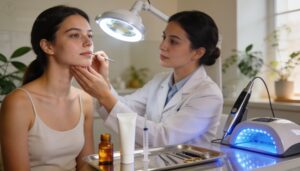
When over-the-counter options aren’t cutting it, prescription and in-office treatments can make a real difference for hormonal acne. A dermatologist can match you with a targeted approach based on what’s actually driving your breakouts.
Here are the main options worth knowing about.
Oral Contraceptives for Acne Management
For women dealing with stubborn hormonal breakouts, birth control pills can genuinely shift the picture. Combined oral contraceptives — like Yaz, which pairs ethinyl estradiol with drospirenone — work through androgen suppression, making them effective for acne management.
Studies show lesion counts dropping 40–60% with consistent use.
| Factor | What It Means for You |
|---|---|
| Mechanism of Action | Lowers androgens that drive oil production |
| Contraindication Screening | Your doctor reviews clotting risk and medical history first |
Patient selection, dose optimization, and long-term efficacy all require a clinician’s guidance.
Spironolactone as an Anti-Androgen Option
Another option your dermatologist might recommend is spironolactone — an antiandrogen medication that works through androgen receptor blockade, directly cutting oil production at the source.
It’s commonly used for adult acne tied to hormonal patterns.
Your doctor will personalize a dose titration strategy and watch for blood pressure effects, potassium level monitoring needs, and kidney function screening before you begin.
Oral Antibiotics and Isotretinoin Therapy
When hormonal acne doesn’t respond to topical therapy or spironolactone, oral antibiotics like doxycycline can help reduce inflammation — but antibiotic resistance is a real concern, so treatment sequencing matters.
Isotretinoin steps in for severe or persistent cases, requiring careful isotretinoin monitoring, pregnancy prevention protocols, and side effect management throughout.
These are evidence-backed acne treatment options worth discussing with your dermatologist.
Laser Therapy and Chemical Peels
When topical and oral options fall short, in-office laser therapy for acne and scarring — alongside chemical peel options for hormonal breakouts — can fill the gap. Nonablative laser approaches and signature laser technology target inflammation without heavy downtime.
Peel depth and laser settings depend on your skin type considerations to minimize postinflammatory hyperpigmentation. Combination timing and post-procedure care determine how well your skin recovers.
Skincare Routine and Lifestyle Tips for Hormonal Acne
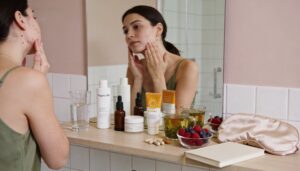
Prescriptions can only do so much — what you do every day matters just as much as what your doctor prescribes. Small, consistent habits in your skincare routine and lifestyle can make a real difference in how often you break out and how quickly your skin recovers.
Here’s what’s worth building into your routine.
Building a Daily Skincare Routine
Think of your routine as two shifts. Your Morning Cleanse removes overnight oil, so actives reach clean skin — follow with a noncomedogenic moisturizer for Moisturizer Barrier Support, then finish with SPF 30+ Sunscreen Routine.
At night, your Evening Active Layer starts with a gentle cleanse, then a thin retinoid for topical retinoid therapy. Follow a Patch Testing Protocol when introducing anything new.
Diet Changes That May Reduce Breakouts
What you eat can quietly work against your skin.
Diets high in sugar and refined carbs are linked to more breakouts, so Low Glycemic Foods and High Sugar Limitation matter more than most people realize.
Dairy Reduction may also help, since dairy consumption affects insulin levels.
Omega-3 Intake and Anti-Inflammatory Foods enhances the dietary influences on hormonal acne, an approach worth trying.
Stress Management and Skin Health
stress is a real trigger. When cortisol rises, your sebaceous glands produce more oil, setting the stage for stress-induced acne and skin inflammation.
mindfulness meditation, breathing exercises, and physical activity all help lower that stress load.
digital detox before bed promotes adequate sleep, which your skin needs to repair itself and keep stress and inflammation in acne flareups from spiraling.
Long-Term Maintenance and Monitoring Progress
Hormonal acne is a long game, not a quick fix. Keep a Flare Trigger Diary and Treatment Adherence Log to spot patterns, and use Progress Photo Tracking in consistent lighting to measure real change.
Barrier Health Assessment helps catch over‑irritation early. Follow your Follow‑Up Schedule — clinical guidelines for acne recommend reassessing every 8–12 weeks, adjusting as needed with your dermatologist.
Frequently Asked Questions (FAQs)
Can hormonal acne affect teenagers or children?
Yes — adolescent acne is extremely common.
A puberty hormone surge drives early childhood acne and prepubertal breakouts by ramping up oil production, making adolescent skin health a real concern for many young people.
What are the risks of untreated hormonal acne?
Leaving hormonal acne untreated risks permanent scarring, postinflammatory hyperpigmentation, infection potential, and real psychosocial effects.
Persistent skin inflammation can signal underlying hormonal issues, making acne scarring prevention strategies and early care essential for long-term skin health.
How does hormonal acne differ by climate?
Climate quietly shapes how bad your breakouts feel.
Humidity effects, temperature influence, UV radiation impact, pollution exposure, and seasonal dryness all interact with hormonal fluctuations, skin barrier function, and the skin microbiome role in acne development, making sunscreen use and sun sensitivity key concerns.
Are there natural remedies for hormonal acne?
Some natural remedies for mild acne show real promise. Tea tree oil, green tea extract, a honey mask, and aloe vera gel can calm breakouts.
Low glycemic diet also helps reduce flares noticeably.
Is hormonal acne linked to other health conditions?
Hormonal acne can signal deeper issues like polycystic ovarian syndrome, insulin resistance, thyroid imbalance, autoimmune thyroid disease, adrenal hyperplasia, or metabolic syndrome.
Postmenopausal acne and menopause-related skin changes often reflect broader hormonal imbalance worth evaluating with your doctor.
Can hormonal acne cause permanent scarring or damage?
Yes — each untreated flare risks inflammatory scarring and collagen disruption. Deep cysts, picking trauma, and repeated cycles accelerate hormone-driven fibrosis. Scar prevention timing matters. Act early to protect your skin.
Does pregnancy affect hormonal acne treatment options?
Pregnancy shifts everything. Spironolactone therapy for hormonal acne stops entirely due to fetal risk considerations, and hormone therapy restrictions apply broadly.
pregnancy-safe topicals like azelaic acid or benzoyl peroxide instead.
How long until hormonal acne treatments show results?
Most treatments need 6–8 weeks before you notice real change. Hormonal options like spironolactone may take 2–3 months. Patience and adherence matter — your skin’s treatment onset timeline is gradual, not overnight.
Conclusion
Regarding hormonal acne, knowledge is power—and the power to clear your skin starts with understanding its root causes. By recognizing the signs and seeking targeted treatments like acne treatment for hormonal breakouts, you can take control of your skin health.
With the right combination of self-care, product choices, and professional guidance, you can reduce breakouts and regain confidence. A clearer complexion is within reach; start your journey today with informed, intentional care.