This site is supported by our readers. We may earn a commission, at no cost to you, if you purchase through links. This content is for general informational and educational purposes only and is not a substitute for professional medical, dermatological, or nutritional advice.
You outgrew your teenage skincare routine years ago, yet here you are at 32, staring at a jawline breakout that showed up right on schedule with your period. That timing isn’t a coincidence. Your skin is responding to a hormonal shift, specifically a surge in androgens that ramps up oil production in ways drugstore cleansers can’t fully address.
Adult hormonal acne behaves differently than the acne you had at 16, and it demands a different approach. Effective hormonal acne treatment for adults starts with understanding what’s driving the breakouts, then matching that cause to the right combination of medical care, targeted products, and daily habits that keep your skin calm for good.
Table Of Contents
- Key Takeaways
- Causes of Hormonal Acne in Adults
- Medical Treatments for Hormonal Acne
- Top 5 Products for Hormonal Acne
- Managing Hormonal Acne Long Term
- Frequently Asked Questions (FAQs)
- What are the biggest triggers for hormonal acne?
- Does hormonal adult acne go away?
- How do you get rid of hormonal acne in adults?
- Which treatment is best for hormonal acne?
- What is the best routine for hormonal acne?
- What is the first line of treatment for hormonal acne?
- Can hormonal acne appear during pregnancy?
- How long does hormonal acne treatment take?
- Are there natural remedies for hormonal acne?
- Does diet affect hormonal acne severity?
- Conclusion
Key Takeaways
- Adult hormonal acne stems from androgen surges and estrogen-progesterone imbalances that spike oil production, often tied to your menstrual cycle or underlying conditions like PCOS.
- Medical treatments range from oral contraceptives and spironolactone to topical retinoids, chemical peels, and isotretinoin for severe cases, each targeting hormones or sebum at different intensity levels.
- Effective over-the-counter products combine salicylic acid, benzoyl peroxide, or adapalene to clear pores and reduce breakouts while protecting your skin’s barrier.
- Long-term control depends on consistent daily habits, including stress management, a steady skincare routine, noncomedogenic products, and daily sun protection, since results take 8 to 12 weeks or longer to show.
Causes of Hormonal Acne in Adults
If you’re breaking out along your jawline as an adult, hormones are usually the culprit, not your skincare routine. Several factors work together to cause this, from monthly fluctuations to hidden conditions like PCOS. Here’s what’s actually driving those stubborn breakouts.
Estrogen and progesterone shifts before your period often trigger these deep, cystic bumps along the jaw, and pairing the right routine with natural remedies for chin and cheek acne can help calm the inflammation.
Hormonal Fluctuations and Sebum
Under your skin, tiny sebaceous glands respond directly to androgen hormones like testosterone. When androgen receptor signaling ramps up, sebum production increases, especially mid-cycle. Sebum lipid composition shifts too, changing texture around ovulation.
The 5-alpha reductase enzyme amplifies this effect, converting hormones into more potent triggers. That’s why breakouts often cluster around predictable points in your monthly rhythm. These hormonal fluctuations have a huge impact on your skin’s oil levels.
Estrogen and Progesterone Imbalance
Testosterone isn’t the only hormone shaping your skin. The relationship between estrogen and progesterone matters just as much, and when it tips out of balance, breakouts follow.
Low progesterone relative to estrogen, sometimes called estrogen dominance, ramps up oil production. This progesterone sebum feedback explains why cyclical breakout patterns often show up right before your period, when luteal phase deficiency leaves estrogen unchecked.
PCOS and Genetic Factors
Some cases run deeper than monthly hormone shifts. Polycystic ovarian syndrome (PCOS) carries real heritability, with androgen receptor signaling and steroid biosynthesis pathways often inherited alongside it. Watch for these signs:
- Irregular periods
- Excess facial or body hair
- Weight changes tied to insulin resistance
- Ovarian follicle irregularities
- Family history of PCOS
Hyperandrogenism drives the hormonal imbalance behind this etiopathogenesis, so genetics deserve real attention.
Medical Treatments for Hormonal Acne
Once you understand what’s driving your breakouts, the next step is finding a treatment that actually works with your hormones, not against them. You have more options than you might think, ranging from daily pills to targeted topicals to in-office procedures. Here’s a closer look at the medical treatments your dermatologist might recommend.
Oral Contraceptives and Antiandrogens
Your birth control pill might be doing more for your skin than preventing pregnancy. Combined pill efficacy for acne comes from suppressing the hormonal axis that drives excess androgen production, while raising SHBG to bind free testosterone.
Progestin selection matters, too: drospirenone and cyproterone acetate offer antiandrogen benefits. Antiandrogen side effects are generally mild, but discuss options with your provider.
Spironolactone for Sebum Reduction
When breakouts cluster along your jawline no matter what you cleanse with, the real trigger may be hormonal, not topical.
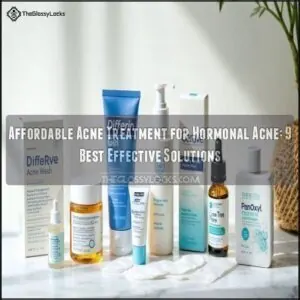
If flare-ups deepen around your period or feel tender to the touch, exploring affordable acne treatment for hormonal acne can help you target the root cause instead of just the symptoms.
When jawline breakouts persist no matter what you cleanse with, hormones—not products—are likely the real trigger
Spironolactone works through androgen receptor blockade and by limiting 5-alpha reductase activity, cutting sebum production at its source. Studies show dose-dependent results, with effective dosage ranges between 50-200mg daily. Expect gradual sebum excretion rate changes—most women notice improvement within three months.
Topical Retinoids and Azelaic Acid
Skin renews itself while you sleep, which is exactly when topical retinoids do their best work. They speed cell turnover, unclogging pores before breakouts form.
Pair them with azelaic acid for pigmentation control and calmer inflammation.
Why combine them:
- Retinoids clear follicles
- Azelaic acid fights bacteria
- Reduces dark marks
- Limits new lesions
Apply nightly, moisturize, and always wear sunscreen.
Chemical Peels and Light Therapy
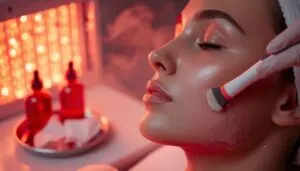
Think of a chemical peel as hitting a gentle reset button for your skin. Your dermatologist applies acids at controlled strength, classified as light, medium, or deep, to trigger regeneration.
Afterward, red LED light (630-660 nm) calms inflammation and helps with repair. Combined therapy sequencing matters: light follows a fully neutralized peel, often for 30 minutes, regulating sebaceous glands while your skin regenerates.
Isotretinoin for Severe Cases

When conventional treatments fail, isotretinoin is often the answer for severe, recalcitrant nodular acne. Dosing runs 0.3-0.5 mg/kg daily for six-plus months, targeting cumulative dose efficacy while managing skin dryness and cheilitis.
Because of teratogenicity risk, pregnancy prevention is mandatory. Expect regular monitoring for:
- Liver enzymes
- Mood changes
- Vision symptoms
Systemic treatment works, but demands careful dermatological management throughout.
Top 5 Products for Hormonal Acne
Not every product on the shelf earns a spot in your routine, especially when hormonal acne calls the shots. The right picks work with your skin instead of against it, easing breakouts without wrecking your barrier. Here are five worth adding to your cart.
1. La Roche Posay Acne Cleanser
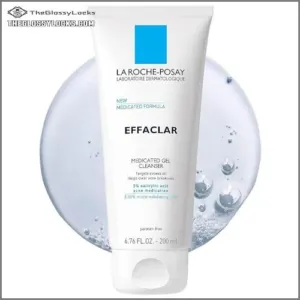
La Roche-Posay Effaclar Medicated Gel Cleanser pairs 2% salicylic acid with lipo-hydroxy acid for gentle daily micro-exfoliation, no harsh scrub beads needed. Clinical testing shows it cuts excess surface oil by up to 47%, while refining pore appearance and clearing blemishes.
The oil-free, noncomedogenic formula won’t clog pores, and it’s dermatologist and allergy tested for sensitive, hormone-driven breakouts. At 8 ounces (U31000TR), it’s built for daily use on oily, acne-prone skin, though active acids may still cause mild sensitivity for some.
| Best For | This cleanser is best for people with oily, acne-prone skin who want a daily face wash that fights breakouts without harsh scrubbing. |
|---|---|
| Active Ingredient | 2% Salicylic Acid |
| Skin Type Target | Oily, Acne-Prone |
| Non-Comedogenic | Yes |
| Usage Frequency | Daily |
| Fragrance-Free | Not Specified |
| Product Format | Gel Cleanser |
| Additional Features |
|
- Reduces excess surface oil by up to 47% while helping clear breakouts and blemishes
- Non-comedogenic, scrub-free formula is gentle enough for daily use and won’t clog pores
- Dermatologist and allergy tested, making it a solid pick for sensitive, breakout-prone skin
- Active acids may cause irritation or sensitivity for some users
- Formulated specifically for oily and acne-prone skin, so it may not suit dry or normal skin types
- Contains exfoliating acids, which means it may not be ideal for those already using other strong actives
2. CeraVe Salicylic Acid Acne Wash
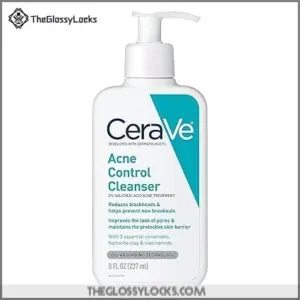
Oil control and barrier repair rarely come in one bottle, but this gel cleanser does both. Its 2% salicylic acid exfoliates inside pores, dissolving trapped oil that fuels hormonal breakouts, while purifying clay lifts away dirt and excess shine.
What sets it apart is the ceramide mix—NP, AP, and EOP—working alongside the acid to keep your skin barrier intact. It’s fragrance-free and non-comedogenic, making daily use gentle enough for consistent, ongoing acne control.
| Best For | People with oily, acne-prone skin who want to treat breakouts without stripping their skin’s moisture barrier. |
|---|---|
| Active Ingredient | 2% Salicylic Acid |
| Skin Type Target | Oily, Acne-Prone |
| Non-Comedogenic | Yes |
| Usage Frequency | Daily |
| Fragrance-Free | Yes |
| Product Format | Gel Cleanser |
| Additional Features |
|
- 2% salicylic acid exfoliates deep in pores to clear blackheads and prevent future breakouts
- Ceramides and niacinamide help maintain skin barrier health even during active acne treatment
- Fragrance-free, non-comedogenic gel-to-foam formula is gentle enough for daily use
- Oil-absorbing clay may be too drying for those with naturally dry or sensitive skin
- Salicylic acid can cause irritation or sensitivity in some users
- Formulated specifically for oil control, so it may not suit those without acne or excess oil concerns
3. PanOxyl 10% Acne Foaming Wash
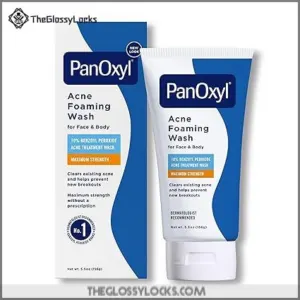
For stubborn jawline breakouts, this one brings out the heavy artillery. Its 10% benzoyl peroxide formula kills acne-causing bacteria within seconds, cutting through the oil that hormonal surges leave behind.
It’s built for chest and back breakouts too, not just facial acne. Just go in slowly here. That strength can dry out or irritate sensitive skin, so pair it with a solid moisturizer afterward. Used two to three times weekly, it’s a strong ally against deep, hormonal cysts.
| Best For | People dealing with stubborn, hormonal jawline breakouts or body acne on the chest and back who need a maximum-strength treatment. |
|---|---|
| Active Ingredient | 10% Benzoyl Peroxide |
| Skin Type Target | Body & Facial Acne |
| Non-Comedogenic | Not Specified |
| Usage Frequency | 2-3x Weekly |
| Fragrance-Free | Not Specified |
| Product Format | Treatment Gel |
| Additional Features |
|
- 10% benzoyl peroxide kills 99% of acne-causing bacteria in just 15 seconds
- Works on face, chest, and back, making it effective for body acne like "bacne"
- Contains moisturizers to help offset dryness while still targeting deep, hormonal cysts
- High concentration can be too harsh for dry or sensitive skin types
- Overuse may lead to irritation, redness, or even hives
- Requires a follow-up moisturizer and a gradual routine (2-3 times weekly) to avoid excessive dryness
4. Differin Acne Treatment Retinoid Gel
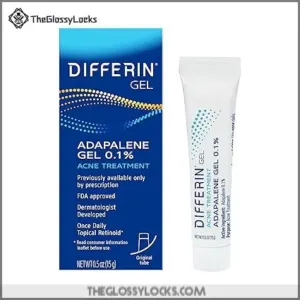
If benzoyl peroxide feels too harsh, dial things back with adapalene instead. Differin Gel 0.1% works inside the pore, normalizing skin turnover so clogs never fully form.
Clinical data shows up to 87% fewer breakouts after 12 weeks, though patience matters here since results build slowly over 8 to 16 weeks. Expect some dryness or a purge phase early on. It’s fragrance-free, non-comedogenic, and gentle enough for daily use, morning or night, once your skin adjusts.
| Best For | People dealing with mild to moderate inflammatory acne (think blackheads, whiteheads, and blemishes) who want a gentle, fragrance-free retinoid they can stick with over the long haul. |
|---|---|
| Active Ingredient | 0.1% Adapalene |
| Skin Type Target | Mild-Moderate Acne |
| Non-Comedogenic | Yes |
| Usage Frequency | Daily |
| Fragrance-Free | Yes |
| Product Format | Topical Gel |
| Additional Features |
|
- Clinically shown to reduce breakouts by up to 87% after 12 weeks of consistent use
- Water-based, oil-free, alcohol-free, and non-comedogenic formula that won’t clog pores
- Flexible enough for morning or evening application once skin adjusts
- Often triggers an initial purging phase with more breakouts and sensitivity before things improve
- Can cause redness, dryness, flaking, and peeling, especially early on
- Increases photosensitivity, so daily sunscreen becomes non-negotiable
5. La Roche-Posay Adapalene Acne Treatment
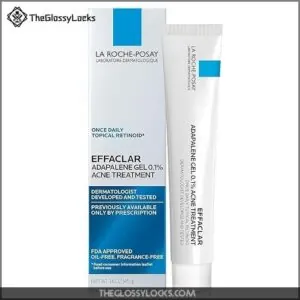
Same active ingredient, different feel. La Roche-Posay’s Effaclar Adapalene comes in an oil-free, fragrance-free gel that absorbs fast without leaving residue behind.
At 0.1% strength, it targets microcomedones before they turn into blackheads or whiteheads. A pea-sized amount, spread thin across the whole face rather than dabbed on spots, is all you need nightly.
Skip it on sunburned or irritated skin. Otherwise, pair with a gentle moisturizer and you’ve got a dermatologist-caliber routine minus the prescription hassle.
| Best For | Anyone dealing with mild to moderate acne who wants a fragrance-free, oil-free retinoid that fits into a simple nightly routine without needing a prescription. |
|---|---|
| Active Ingredient | 0.1% Adapalene |
| Skin Type Target | Facial Acne |
| Non-Comedogenic | Not Specified |
| Usage Frequency | Once Daily Evening |
| Fragrance-Free | Not Specified |
| Product Format | Topical Gel |
| Additional Features |
|
- Dermatologist-developed 0.1% adapalene formula delivers prescription-strength results over the counter
- Oil-free, fragrance-free gel absorbs quickly and leaves no greasy residue
- Works proactively by clearing existing blemishes and preventing new ones from forming
- Limited to once-daily evening use, so it requires consistency to see results
- Not suitable for sunburned or irritated skin, which limits when it can be applied
- Foil seal needs a specific puncture method to open, which can be a minor hassle
Managing Hormonal Acne Long Term
Treating a breakout is one thing, but keeping your skin clear for good takes a different kind of plan. Long-term control comes down to daily habits, not just prescriptions. Here are four steps that make a real difference over time.
Stress Reduction Techniques
Stress doesn’t just wear on your mind, it shows up on your skin. Rising cortisol drives extra oil and inflammation, worsening hormonal acne.
Progressive muscle relaxation, breath focus breathing, and mindfulness meditation calm this response. Yoga blends movement with breath control for added relief. Biofeedback training teaches you to recognize tension before it triggers a flare. Small, consistent lifestyle changes make a measurable difference over time.
Building a Consistent Skincare Routine
For acne treatments, less chaos wins. Introduce one new active at a time, giving it several weeks before adding another. Patch test new products behind your ear first.
Apply treatments at the same time nightly, on dry skin, followed by a barrier-support moisturizer. This steady rhythm becomes your maintenance treatment, not a revolving door of products.
Noncomedogenic Product Selection
Once your routine settles, product choice matters more than product count. Here’s the catch: FDA label regulation doesn’t cover "non-comedogenic" claims, so don’t rely on packaging alone. Check the label first, then verify ingredients.
Look for:
- Salicylic acid
- Niacinamide
- Glycerin
- Dimethicone
- Oil-free formulas
Leave-on residue matters most for moisturizers, since silicone comedogenicity stays low.
Sun Protection With Active Ingredients
If you’re using retinoids or acids, your skin burns easier, so sunscreen isn’t optional. Choose mineral over chemical filters like zinc oxide, since they’re gentler and less likely to trigger irritation. Look for broad-spectrum, noncomedogenic products with antioxidants for extra defense.
Reapply every two hours, especially after sweating, and don’t skip water-resistant formulas during outdoor days.
Frequently Asked Questions (FAQs)
What are the biggest triggers for hormonal acne?
Fluctuating hormone levels across your menstrual cycle, rising androgen activity, dietary insulin spikes from sugar and dairy, sleep deprivation, and chronic stress cortisol all combine to trigger excess sebum and clogged pores.
Does hormonal adult acne go away?
Not on its own. Adult acne can persist for years, flaring with each cycle as androgen-driven sebum shifts. Without targeted hormonal treatment addressing PCOS or hormone levels, breakouts often keep returning rather than resolving permanently.
How do you get rid of hormonal acne in adults?
There’s no magic bullet, but combining topical treatments with medical management works best. Track your menstrual cycle, prioritize sleep hygiene, limit sugar and dairy, and stay consistent with skincare and tea tree oil for steady results.
Which treatment is best for hormonal acne?
For persistent breakouts, spironolactone often outperforms oral contraceptives, especially by six months. Severe or scarring cases respond best to isotretinoin for lasting remission. Mild acne? Topical retinoids paired with azelaic acid work well without systemic risks.
What is the best routine for hormonal acne?
One patient cut breakouts in half by pairing morning salicylic cleanser with nightly adapalene. Layer light to heavy, protect your skin barrier, sync actives to your cycle, and stay consistent—that’s the real routine backbone.
What is the first line of treatment for hormonal acne?
Doctors usually start with topical retinoids or azelaic acid to calm breakouts. If hormones clearly drive your acne, oral contraceptives or spironolactone often join in, an antiandrogen therapy combo that targets both oil production and inflammation together.
Can hormonal acne appear during pregnancy?
Yes, rising progesterone and androgens during pregnancy boost sebum production, often starting in the first trimester. This can clog pores, trigger inflammation, and cause breakouts on your face, chest, or back, especially if you’re already acne-prone.
How long does hormonal acne treatment take?
Overnight results? That’s wishful thinking. Treatment patience matters here—expect 8 to 12 weeks before judging most treatment options, with sebaceous cycle normalization taking months. Isotretinoin needs 4-5 months.
Long-term maintenance treatment often continues after improvement, since adult acne tends toward chronic recurrence.
Are there natural remedies for hormonal acne?
Natural remedies can help: try a low-glycemic diet, diluted tea tree oil, and spearmint tea, which may lower androgens. Zinc supplementation eases inflammation, but watch for nausea.
Managing stress and sleep helps with lasting results alongside your regular skincare regimen.
Does diet affect hormonal acne severity?
What you eat can way in on your skin. High-glycemic foods and protein-rich dairy spike insulin and IGF-1, boosting androgen activity and sebum production.
Gut microbiome shifts and low micronutrient intake add fuel, making dietary triggers a real factor in breakout severity.
Conclusion
Your skin is a monthly report card, grading the hormonal shifts happening beneath the surface. Read it, and you’ll know exactly what to treat.
Effective hormonal acne treatment for adults isn’t one product or one pill; it’s a layered plan built from medical guidance, the right actives, and habits you can actually sustain. Stay consistent, stay patient, and those predictable breakouts stop dictating your calendar.
Clear skin isn’t luck. It’s a system that works with your body, not against it.