This site is supported by our readers. We may earn a commission, at no cost to you, if you purchase through links. This content is for general informational and educational purposes only and is not a substitute for professional medical, dermatological, or nutritional advice.
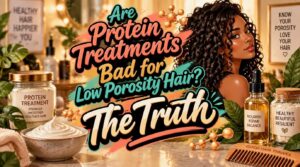
The fear that protein treatments will destroy low porosity hair is one of the most persistent myths in natural hair care. It’s not entirely wrong, either, which is what makes it so sticky.
Low porosity hair and protein do have a complicated relationship. Because tightly sealed cuticles resist absorption, protein molecules can pile up on the surface instead of penetrating the strand, leaving hair stiff, brittle, and parched. But avoiding protein altogether creates a different problem: structurally weakened strands that stretch, limp, and break.
Knowing when, how, and which proteins to use makes all the difference.
Table Of Contents
- Key Takeaways
- Are Protein Treatments Bad for Low Porosity Hair? The Myth Explained
- When Does Low Porosity Hair Need Protein?
- How to Spot, Prevent, and Fix Protein Buildup in Low Porosity Hair
- Top 5 Protein Treatments and Conditioners for Low Porosity Hair
- Frequently Asked Questions (FAQs)
- What are the worst products for low porosity hair?
- Which treatment is best for low porosity hair?
- What should you avoid if you have low porosity hair?
- How often should low porosity hair do protein treatments?
- Can protein treatments cause permanent hair damage?
- How often should low porosity hair be clarified?
- What ingredients should be avoided in protein treatments?
- Do DIY protein treatments work for low porosity?
- Can you reverse low porosity hair naturally?
- Can you DIY protein treatments for low porosity hair?
- Conclusion
Key Takeaways
- Protein doesn’t damage low porosity hair by nature — buildup from surface accumulation does, which means spacing treatments correctly and clarifying regularly keeps your strands strong without the stiffness.
- Your hair tells you when it needs protein: mushy, overly soft strands that don’t spring back after stretching signal structural weakness, while stiff, rough, straw-like texture signals you’ve already gone too far.
- Hydrolyzed proteins with small molecules are your best option for low porosity hair because they can slip past tightly sealed cuticles instead of piling up on the surface.
- Treating protein overload is straightforward and fully reversible — clarify first to strip the coating, restore moisture balance, then reintroduce protein every four to six weeks rather than monthly.
Are Protein Treatments Bad for Low Porosity Hair? The Myth Explained
Why do so many people treat protein as the enemy of low porosity hair? The short answer: a blanket rule got mistaken for universal truth.
In reality, low porosity hair needs moisture far more than protein, and the Max Hydration Method for low porosity curls offers a practical framework for getting that balance right without the guesswork.
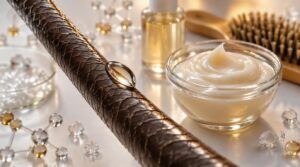
Low porosity hair has tightly sealed cuticles that resist water uptake. That same resistance can cause protein treatments to sit on the surface longer, building up as a film rather than integrating into the fiber. Over time, that surface protein accumulation makes hair feel stiff and rough, which gets misread as a fundamental porosity problem.
But that’s protein overload at work, not proof that protein is inherently harmful to you. When your cuticle care routine includes regular clarifying and proper spacing between treatments, moisture balance stays intact and protein can actually strengthen structurally weak strands.
Protein overload is the real culprit—not protein itself—and proper spacing between treatments keeps moisture balance intact
When Does Low Porosity Hair Need Protein?

So protein isn’t the enemy, but your hair doesn’t need it constantly. The real question is recognizing when it does.
Your hair signals need in specific ways. If strands feel unusually soft or mushy after washing, that’s your first cue. Healthy hair stretches slightly then springs back; hair lacking structure stretches and doesn’t recover. That loss of hair elasticity is the clearest sign that moisture balance alone isn’t enough and your protein moisture balance needs recalibrating.
Frequent heat styling, chemical processing, and tight hairstyles accelerate structural wear. When protein overload isn’t the issue but structural weakness is, you’ll notice limp, fragile strands. Correcting this is where hair breakage prevention starts, not just with more conditioner, but with targeted protein support.
How to Spot, Prevent, and Fix Protein Buildup in Low Porosity Hair
Knowing when your hair needs protein is only half the picture. Recognizing protein buildup early keeps you from overcorrecting. A protein buildup remover treatment can help reset your strands before damage from overcorrection sets in.
The signs are specific: hair that feels stiff, rough, or straw-like after conditioning isn’t asking for more moisture. It’s coated. Low porosity cuticles don’t absorb easily, so repeated protein use leaves residue on the surface, slowly reducing hair elasticity and making strands prone to snapping. A hair elasticity treatment for low porosity can help restore flexibility without the heavy coating that worsens buildup over time.
Watch for:
- Strands that snap instead of stretching
- Loss of slip during detangling
- Rough texture even after deep conditioning
- Stiffness that worsens with each wash
- Persistent dryness that moisturizer doesn’t fix
To correct protein overload, use clarifying shampoos first. They strip surface coating so water can contact your strands. Then rebuild moisture balance before adding protein.
Once your curls are stripped of buildup, follow a targeted routine to restore bounce — this guide to fixing limp, protein-overloaded curls walks you through exactly how to rebalance from the inside out.
Top 5 Protein Treatments and Conditioners for Low Porosity Hair
Not all protein treatments work the same way on low porosity hair, so choosing the right formula matters more than you might think. Low porosity hair often needs lighter, hydrolyzed protein formulas that penetrate tight cuticles without causing stiffness or buildup.
These five options are specifically suited to tight cuticle structures, balancing strengthening benefits with moisture retention.
Each one earns its place on this list for a different reason.
1. Keratin Hair Repair Conditioner Treatment
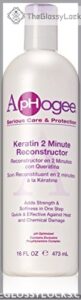
Think of your hair cuticle as a slightly warped tile floor. Hydrolyzed keratin, along with avocado oil and panthenol, fills those uneven gaps and smooths the surface in roughly two minutes, which is why it works well for color-treated and heat-styled hair.
For low porosity hair, though, tightly bound cuticles resist absorption, so keratin usually coats the strand rather than penetrate it. That surface layering is what builds up over time and leaves strands feeling stiff.
Apply it after a clarifying wash to clear existing film, and follow with a moisture-rich conditioner to counterbalance the protein. Used that way, once every few weeks, it improves manageability without overload.
| Best For | People with color-treated, heat-styled, or chemically processed hair who want a quick two-minute protein boost to reduce breakage and improve manageability. |
|---|---|
| Protein Type | Hydrolyzed Keratin |
| Use Frequency | Every few weeks |
| Color Safe | Yes |
| Reduces Breakage | Yes |
| Buildup Risk | High, surface coating |
| Low Porosity Safe | With precautions |
| Additional Features |
|
- Smooths the hair cuticle fast — just two minutes — making it practical for regular use
- Combines hydrolyzed keratin, avocado oil, and panthenol to tackle dryness, brittleness, and frizz at once
- Helps reduce breakage and shedding while enhancing curl definition with consistent use
- Can leave hair feeling stiff if not followed by a moisturizing conditioner
- Low porosity hair may see buildup from surface coating rather than true absorption
- Customer results on moisture retention are inconsistent, so it won’t work the same for everyone
2. Mielle Babassu Mint Deep Conditioner Protein
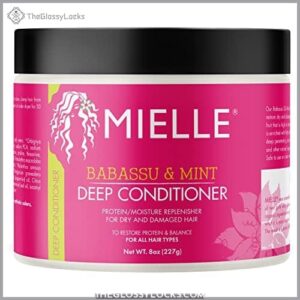
Balance is where this formula excels. Mielle’s Babassu Mint Deep Conditioner pairs hydrolyzed keratin and corn protein with babassu oil and mint, keeping the protein load light enough for low porosity hair to absorb without triggering protein overload.
The hydrolyzed proteins are small-molecular, so they slip past tight cuticles instead of stacking on the surface. It’s critical for low porosity hair, where buildup accumulates fast. Babassu oil adds slip and a light moisture-sealing barrier, keeping moisture balance intact without weighing strands down.
Apply it once every two weeks for deep conditioning. If stiffness creeps in after a few uses, follow with a clarifying rinse to reset.
| Protein Type | N/A |
|---|---|
| Use Frequency | N/A |
| Color Safe | N/A |
| Reduces Breakage | N/A |
| Buildup Risk | N/A |
| Low Porosity Safe | N/A |
| Additional Features |
|
3. Smooth Silk Hair Repair Mask
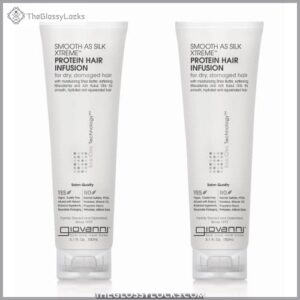
Finding a protein treatment that won’t overwhelm low porosity hair is harder than it sounds. The Smooth Silk Hair Repair Mask uses hydrolyzed keratin with small molecule actives to smooth the cuticle surface without forcing the cortex to swell. Enriched with shea butter and vitamin-rich oils, it revitalizes extremely damaged, overprocessed strands while staying 100% color safe and vegan-friendly.
Apply it to towel-dried hair and leave it for 5 to 15 minutes with gentle heat. You’ll notice detangling within the first few minutes, followed by visible shine and reduced shedding over time. Limit use to once or twice weekly to prevent cumulative protein load.
| Best For | Those with extremely damaged, overprocessed, or textured hair who need a gentle protein treatment that won’t overload low porosity strands. |
|---|---|
| Protein Type | Hydrolyzed Keratin |
| Use Frequency | 1–2x weekly |
| Color Safe | Yes |
| Reduces Breakage | Yes |
| Buildup Risk | Moderate, limit use |
| Low Porosity Safe | Yes, gentle |
| Additional Features |
|
- Smooths the cuticle with hydrolyzed keratin while adding shine, body, and silky slip
- Safe for color-treated hair and certified vegan with Leaping Bunny approval
- Helps reduce shedding and split ends with regular use
- Fragrance is hit or miss — some users find it off-putting
- Price point feels steep to some buyers given the quantity
- Packaging reliability is inconsistent, with reports of receiving fewer units than ordered
4. Aubrey Organic Hair Conditioner Cream
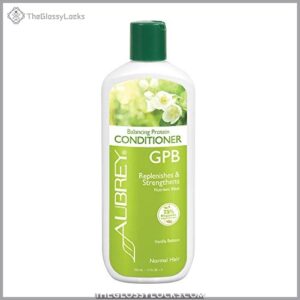
Like a light rain instead of a downpour, Aubrey Organic Hair Conditioner Cream delivers nourishment without saturating your strands.
This plant-derived conditioning formula is free from parabens and phthalates, making it a clean, considered choice for low porosity hair that’s already prone to buildup. Its glycogen protein works gently, supporting moisture retention without the heavier protein load that leads to stiffness or that familiar restricted feeling after drying.
Apply it to your mid-lengths and ends once or twice weekly. Rinse thoroughly with warm water, since low porosity hair is particularly vulnerable to surface coating. Pair regular use with monthly clarifying sessions to keep your hair responding consistently well.
| Best For | Those with low porosity, dry, curly, thin, or color-treated hair who want a gentle, clean conditioner that moisturizes without heavy buildup. |
|---|---|
| Protein Type | Glycogen Protein |
| Use Frequency | 1–2x weekly |
| Color Safe | Yes |
| Reduces Breakage | Yes |
| Buildup Risk | Low, gentle formula |
| Low Porosity Safe | Yes, gentle |
| Additional Features |
|
- Free from parabens and phthalates, making it a clean choice for those mindful of what goes on their hair
- Suitable for all hair types, including curly, thin, and color-treated hair
- Reduces breakage and tangling while providing moisture without weighing hair down
- Some users report inconsistent texture from batch to batch
- The nozzle is prone to clogging, which can be frustrating with regular use
- Value for money is debated, with some noting formula changes over time
5. Paul Mitchell Hair Strengthener Conditioner
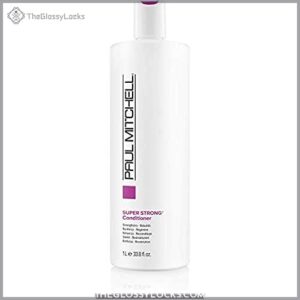
Imagine protein as seasoning: the right amount elevates a dish, but too much ruins it. Paul Mitchell Hair Strengthener Conditioner strikes that balance well for low porosity hair, delivering gentle protein replenishment without overwhelming resistant strands.
Its formula blends canola, soybean, and cornstarch to combine strength with moisture and shine. It’s color-safe and usually lasts 3–4 months with regular use, making it solid value over time.
Low porosity hair is still prone to buildup. Watch for slowed drying, unexpected stickiness, or decreased manageability as early warning signs. Limit to weekly use, and add a clarifying wash every few weeks to keep your strands responsive.
| Best For | People with low porosity hair looking for a gentle protein boost that strengthens and moisturizes without weighing strands down. |
|---|
- Replenishes protein without overwhelming resistant, low porosity strands
- Combines canola, soybean, and cornstarch for a balance of strength, moisture, and shine
- Color-safe and long-lasting — typically 3–4 months of regular use per bottle
- Some users experience skin irritation after use
- Mixed reviews on value for money
- Ranked relatively low (#518) in the Hair Conditioner category, suggesting it may not suit all hair types
Frequently Asked Questions (FAQs)
What are the worst products for low porosity hair?
Repair masks and keratin strengtheners are the biggest culprits, especially when you layer them back-to-back. Add heavy oils or silicones into the mix and you’ve built a stubborn film your low-porosity cuticle can’t rinse off.
Which treatment is best for low porosity hair?
The best treatment improves strength without leaving a stiff, coated feel. For low porosity hair, that often means a light hydrolyzed protein conditioner used infrequently, paired with moisture to maintain elasticity and prevent protein buildup.
What should you avoid if you have low porosity hair?
Avoid heavy butters, coconut oil, and castor oil, since they sit on the cuticle and block moisture from penetrating.
Protein overload is a real risk too, so skip intensive masks unless your hair feels stiff. Keratin treatments, for instance, can worsen these issues by causing protein overload in low-porosity hair, making hair appear dull and limiting moisture absorption.
How often should low porosity hair do protein treatments?
Once a month would be serious overkill for low porosity hair. Aim for every four to six weeks, then carefully check how your hair feels afterward. Stiffness? Pull back and stretch it to eight weeks.
Can protein treatments cause permanent hair damage?
Scared you’ve permanently damaged your low porosity hair? You haven’t. Protein overload causes temporary hair breakage and stiffness, but it’s fully reversible. Restoring moisture balance and scaling back protein treatments lets your strands recover completely.
How often should low porosity hair be clarified?
Think of your clarifying shampoo as a scheduled reset, not a rescue mission. For most low porosity hair, every two to four weeks works well. Hard water exposure generally shifts that toward the shorter end.
What ingredients should be avoided in protein treatments?
Ironically, the treatments designed to strengthen your strands can be the real culprit. Large, unhydrolyzed proteins, harsh sulfates, and heavy occlusives worsen protein overload, disrupt moisture balance, and speed up product buildup on tight cuticles.
Do DIY protein treatments work for low porosity?
DIY protein treatments can work for low porosity hair if you choose hydrolyzed proteins, keep sessions to every one to two weeks, always apply them with heat, and use a clarifying shampoo to prevent buildup.
Can you reverse low porosity hair naturally?
Low porosity hair is like a locked vault. Genetics set the combination. You can’t fully reverse it naturally, but heat-assisted deep conditioning, regular clarifying treatments, and moisture balance genuinely improve absorption and manageability over time.
Can you DIY protein treatments for low porosity hair?
Absolutely. For low porosity hair, eggs, honey, and avocado all create a solid DIY base. Apply with gentle heat for 20 to 30 minutes to open the cuticle, then rinse cool to seal moisture in.
Conclusion
The theory that protein treatments are inherently harmful to low porosity hair doesn’t hold up under scrutiny. The real culprit isn’t protein itself; it’s misapplication. Are protein treatments bad for low porosity hair? Only when you choose the wrong molecules, skip heat activation, or neglect moisture balance afterward.
Used correctly, protein strengthens the strand from within. Your hair doesn’t need less support; it needs smarter, better-timed support.