This site is supported by our readers. We may earn a commission, at no cost to you, if you purchase through links. This content is for general informational and educational purposes only and is not a substitute for professional medical, dermatological, or nutritional advice.

Most guys quit growing a beard somewhere around week two—right when the itch hits, the patches show, and the whole thing starts looking more "abandoned" than "intentional." That’s not a beard problem. That’s a routine problem.
A few simple habits, started early, change everything about how your beard grows, feels, and looks.
Understanding your facial hair type, getting the right tools, and knowing what to do each morning take the guesswork out of it.
This guide walks you through a solid beard care routine for beginners, from day one through the months when your beard finally starts doing what you wanted it to do.
Table Of Contents
- Key Takeaways
- Starting Your Beard Care Journey
- Essential Tools for Beard Maintenance
- Establishing a Daily Beard Care Routine
- Mastering Proper Beard Washing Techniques
- Trimming and Shaping for Beginners
- Combating Beard Itch and Irritation
- Keeping Your Beard Soft and Healthy
- Training and Styling Your Beard
- Addressing Common Beard Problems
- Building a Consistent Beard Care Routine
- Frequently Asked Questions (FAQs)
- How do you maintain a beard for beginners?
- What is a good beard care routine?
- In what order should I use beard products?
- How can a beginner grow a beard?
- How do I prevent acne under my beard?
- Whats the difference between beard oil and balm?
- How can I fix beard split ends?
- What causes beard itchiness and how to relieve it?
- How often should I trim my beard?
- What beard products should I buy first?
- Conclusion
Key Takeaways
- Most guys quit in week two because of itch and patchiness, but those are normal stages — not signs your beard can’t grow.
- A simple daily routine of washing, oiling, and brushing does more for your beard than any expensive product ever will.
- Don’t trim too early — wait at least four to six weeks before shaping, so you’re working with your actual growth pattern, not against it.
- beard type, skin type, and genetics drive your results, so set your own timeline and stop measuring against someone else’s.
Starting Your Beard Care Journey

Growing a beard sounds simple until you’re two weeks in, itchy, and second-guessing everything.
That scratchy week-two phase is rough, but the right tools—like a beard oil applicator brush—can take the edge off fast.
Before you grab a trimmer or buy a dozen products, it helps to get the basics right.
Here’s what every beginner should know before starting out.
Assessing Your Facial Hair Type
Before you buy a single product, take a few minutes to study your own facial hair. Check your hair density — is it carpet-thick or see-through in spots?
Notice your growth direction, hair texture, and pigment contrast under different lighting. Understanding your vellus-terminal mix explains patchy beard growth.
Your facial hair type shapes everything that comes next. Androgenic stimulation can convert fine vellus hairs into coarser terminal strands, as described in the androgenic stimulation effects.
Setting Realistic Growth Expectations
Once you know your hair type, you can set a realistic timeline — and that makes all the difference.
Beard hair grows roughly 0.3 to 0.5 mm per day, so don’t expect a full beard after two weeks. Growth milestones happen gradually:
- Week 2–4: Stubble becomes visible
- Week 4–8: Patchy beard patterns emerge and even out
- Week 8–12: Real length and density start showing
- Month 3–6: Your true growth pattern becomes clear
- Beyond 6 months: Consistency and patience in beard growth pays off visibly
Genetic factors and age variability shape your beard more than any product will. Hormone sensitivity also plays a role — even healthy testosterone levels don’t guarantee thickness. Understanding beard growth patterns unique to you beats chasing someone else’s results.
Patience and Commitment in Beard Growth
Knowing your growth timeline is one thing — sticking to its another.
Think of it like training for a marathon. The first few weeks feel rough, and motivation dips fast. That’s where steady persistence separates the guys who pull it off from those who quit at week three.
Commit to at least 2–3 months before judging your progress. daily habit formation is your real secret weapon here:
- Apply beard oil each morning to build mindful grooming into your day
- track progress every two weeks with photos for honest comparison
- Trust the long-term vision when patches appear mid-growth
Consistency and patience in beard growth always wins.
Addressing Common Beginner Concerns
Most beginner concerns boil down to three things: beard itch, patchy growth, and product overload. Early itch is normal — your skin is adjusting, and a simple beard oil fixes that fast.
Patchy beard growth fills in over months, so don’t rush it. Start with the basics before adding anything new.
Watch for skin allergies or beard odor, and remember solid budget options exist for every beginner beard care guide.
Essential Tools for Beard Maintenance
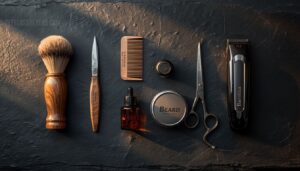
The right tools make all the difference when you’re just starting out. You don’t need a whole cabinet full of gear — just a solid lineup of the basics.
Here’s what every beginner should have on hand.
High-Quality Beard Trimmer Selection
Your trimmer is the workhorse of your whole grooming kit — get this wrong and everything else suffers.
When choosing the right beard trimmer, focus on these five things:
- Blade Material — Titanium-coated blades stay sharper longer and run cooler than standard steel
- Motor Power — A brushless motor cuts through thick hair without snagging
- Battery Longevity — Look for cordless trimmers offering 90+ minutes per charge
- Ergonomic Grip — Balanced weight gives you control around cheeks and the neckline
- Guard Variety — Adjustable guards with 0.5mm increments make precision trimmers genuinely precise
Quality trimmers with these features simply perform better, longer.
Choosing The Right Beard Comb
Your trimmer shapes the beard — your comb keeps it civilized.
Picking the right beard comb comes down to four things: tooth spacing, material choice, edge smoothness, and comb shape. Get these right, and your brush and comb techniques actually work.
| Feature | Wide-Tooth Comb | Fine-Tooth Comb |
|---|---|---|
| Best For | Long, dense beards | Short stubble |
| Material | Wood, horn, acetate | Metal, plastic |
| Key Benefit | Detangles without snagging | Smooths and shapes |
Wood and horn reduce static and glide gently — a small detail that matters daily. For durability maintenance, rinse your comb regularly to clear oil buildup. Clean tools simply perform better.
Importance of Beard Scissors
Good beard scissors might be the most underrated item in your kit. While a trimmer manages bulk length, scissors give you Precision Edge Control for the spots that matter — the mustache line, jaw curves, and chin edges.
That’s where Fine Blending Technique shines: small, deliberate snips instead of a guard that cuts everything at once. You also get Reduced Overcut Risk because you stop after every snip and check your work.
Here’s what sharp scissors actually do for you:
- Micro-Trim Precision around the lip line without removing length elsewhere
- Safety Tip Design lets you work close to skin without nicking yourself
- Clean split-end removal for a fuller, healthier look
- Smooth blending between longer and shorter sections
- Better control along difficult jaw curves than any clipper guard offers
Beard scissors are simply Essential Tools for Beard Care — don’t skip them.
Selecting Appropriate Beard Brushes
Your beard brush is one of the most underrated essential tools for beard care. A boar bristle brush distributes natural oils evenly and trains hair direction — it’s the preferred choice for most guys.
For sensitive skin, synthetic bristles are gentler.
Match your Brush Size to your beard area for full coverage, and pick a handle that feels natural in your grip.
That’s Bristle Material Types and Handle Ergonomics working together.
Establishing a Daily Beard Care Routine

daily beard care routine doesn’t have to be complicated — it just needs to be consistent. few simple steps each day make a bigger difference than you’d think.
Here’s what your routine should cover.
Morning Cleansing Techniques
Start your morning cleansing with a lukewarm rinse — it loosens overnight buildup without stripping your natural oils. Temperature control matters more than most guys think.
Work a gentle cleanser into your beard using slow, circular fingertips for a gentle massage that also helps exfoliate the skin underneath.
Rinse clean, then pat dry with a soft towel to keep frizz low.
Finish with a quick skin spot check along your jawline for any residue.
Proper Application of Beard Oil
After cleansing, your beard’s ready to drink in some oil. Dispense 2–4 drops — the Drop Quantity Guidance here is simple: shorter beards need less, longer ones need more.
Use the Palm Warming Technique: rub the oil between your palms before you apply your beard oil. Then work it in using the Skin Massage Method, fingertips pressing into the skin beneath.
Root-to-Tip Distribution keeps everything covered. Brush after applying oil to finish clean.
Follow this Daily beard maintenance routine consistently and Grease Prevention Tips become second nature — use less if it feels slick.
Evening Moisturizing Practices
Oiling your beard in the morning sets you up well — but nights are where the real recovery happens. After washing, use the Pat Dry Technique: gently pat, don’t rub. Then nail your Moisturizer Timing by applying beard oil while hair is still slightly damp.
- Apply beard oil using jojoba or argan for overnight beard treatment
- Follow with beard balm for Barrier Seal Application and lasting softness
- Practice Fragrance Lightening — choose simple, low-scent formulas for sensitive skin
- Try Heat Management by letting steam cool before moisturizing and conditioning beard hair
- Focus on skin hydration along the underside and edges for long-lasting comfort
Weekly Deep Conditioning Sessions
Your evening routine keeps things steady — but once a week, you want to go deeper. A weekly deep conditioning session is one of the most effective essential beard grooming steps you can add to your beard care routine for beginners.
Start it as part of beard washing and conditioning process, right after a clean wash. Think of Conditioner Timing as your secret advantage — applying product to damp hair means better spread and faster absorption. Use Sectioned Application along your cheeks, chin, and jaw so you don’t miss patches.
For Heat Assisted Penetration, drape a warm towel over your beard for 20–30 minutes. It drives moisture deeper. Porosity Adjustments matter too — coarser, drier beards benefit from longer sessions. Finish with solid Rinse Techniques, then seal with a light oil.
Mastering Proper Beard Washing Techniques

Washing your beard sounds simple, but doing it right makes a real difference. The wrong products or too many washes can leave your skin dry and your beard feeling rough.
what you need to know to get it right.
Choosing The Right Beard Wash
Not all beard washes are created equal — and the wrong one can leave your skin tight, itchy, and stripped dry.
Look for a sulfate-free beard wash with gentle ingredients like aloe vera or jojoba oil. pH balance matters too; a face-matched formula prevents that over-cleaned feeling.
If you’re fragrance-sensitive, go unscented.
Rinse residue is a real thing, so choose a wash that rinses clean.
How Often to Wash Your Beard
How often you wash comes down to skin type frequency and your daily life.
Oily skin? Three to four times a week works well. Dry or sensitive skin? Stick to one or two.
Overwashing risk is real — strip too much, and your beard dries out fast.
After workouts, post workout rinsing with cool water manages sweat without a full wash.
Avoiding Harsh Soaps and Shampoos
Reaching for your regular shampoo seems harmless — but it’s one of the fastest ways to wreck a developing beard. Sulfates like SLS strip your skin’s natural oils, leaving hair brittle and skin tight.
Stick to a sulfate-free beard wash with low-pH formulas and gentle surfactants instead. Fragrance-free products are even better if your skin runs sensitive.
- Less irritation — no harsh chemicals mean no redness or flaking under your beard
- Softer hair — a gentle beard shampoo keeps texture manageable, not wiry
- Healthier skin — minimal wash frequency protects your moisture barrier long-term
Trimming and Shaping for Beginners
Trimming feels intimidating at first, but it’s really just about knowing a few basics. Get these right and beard will look intentional, not accidental.
Here’s what every beginner needs to know.
When to Start Trimming

Most beginners reach for the trimmer way too early — and that’s usually where things go sideways.
Hold off during the Initial Growth Phase. The first two to three weeks look uneven by default, not because your beard is patchy. Give it four to six weeks before any real shaping. That’s your first Length Checkpoint.
| Growth Stage | What to Do |
|---|---|
| Weeks 1–3 | Leave it alone |
| Weeks 4–6 | Light neckline cleanup only |
| Weeks 6–8 | Begin Early Trim Indicators check |
| Months 2–3 | Start a trimming schedule |
| Months 3+ | Shape Readiness Timing achieved |
Once Density Stabilization Period kicks in, beard trimming and shaping techniques actually start working with your growth — not against it.
Tools for Accurate Trimming
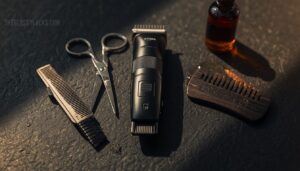
Having the right tools turns a frustrating trim into a clean, confident result.
Start with these three essentials:
- A beard trimmer with an Adjustable Guard System and clear Guard Length Indicators for consistent, repeatable cuts
- A Detail Trimmer Blade for tight edge work where precision matters most
- A wide-tooth comb and beard scissors to guide and perfect your beard trimming and shaping techniques
Keep your Mirror Lighting Setup bright and use Blade Oil Lubrication regularly — sharp blades cut cleaner every time.
Maintaining Cheek and Neck Lines

Clean lines are what separate a beard that looks intentional from one that just… happened. To define your neckline, place two fingers above your Adam’s apple — that’s your guide.
Keep cheek lines low and natural, following your actual growth pattern. Line symmetry matters, so always check both sides in good light.
Use incremental trimming with small, controlled passes rather than one aggressive sweep. Gentle edge cleansing keeps the boundary clear and irritation-free.
Skin hydration and friction management around the neck reduce redness that blurs your lines. Small sessions, consistent results.
Combating Beard Itch and Irritation

Beard itch is probably the number one reason guys give up too soon. The good news is it’s almost always preventable with the right habits. Here’s what actually works.
Managing The Itchy Phase
Around week two, the itch shows up uninvited — and it’s one of the most common reasons guys give up too soon. Don’t let it win.
Most beard itch comes from dry skin, product buildup management issues, and sharp hair edges irritating the surface beneath. Here’s how to fight back:
- Wash smart — Use lukewarm water and a gentle cleanser two to three times weekly. The Gentle Pat‑Dry Technique matters too; rubbing creates friction that makes things worse.
- Cool Compress Relief — Press a cool, damp cloth against itchy skin after washing to calm inflammation fast.
- Go fragrance-free — Fragrance-Free Products reduce the risk of allergic reactions that spike beard itch.
- Night‑Time Itch Prevention — Apply a light beard oil before bed to keep skin moisturized while you sleep.
Break the scratch cycle early, and preventing beard itch and dandruff becomes much easier down the road.
Hydration and Moisturizing Tips
Dry skin under your beard is like a cracked foundation — everything built on top suffers. That’s why moisturizer timing matters. Apply beard oil right after washing while skin is still slightly damp. Damp skin application helps humectants like glycerin spread evenly and lock in water before it escapes.
| Step | What to Do |
|---|---|
| Morning | Apply beard oil to damp skin |
| After washing | Use moisturizing balm for barrier lipid support |
| Ingredient check | Look for natural carrier oils like jojoba and argan |
| Humectant benefits | Choose products with glycerin or hyaluronic acid |
| Nighttime | Seal moisture with an occlusive layer before bed |
This is the foundation of any solid beard care routine for beginners — hydration and conditioning done consistently beat any expensive product used randomly.
Consistent hydration and conditioning outlast any expensive product used randomly
Preventing Ingrown Hairs
Keeping skin hydrated goes a long way, but ingrown hairs need a little extra attention. Always shave with the grain — against it, and you’re basically inviting hairs to curl back under.
Warm Water Soak softens bristles before you start. Pre-Shave Exfoliation clears dead skin so hairs exit cleanly.
Use a Single Blade Razor, watch your Blade Replacement Frequency, and finish with Post-Shave Soothing to calm everything down.
Keeping Your Beard Soft and Healthy

A soft beard doesn’t happen by accident — it takes the right products and a little consistency. The good news is it’s simpler than most guys think.
Here’s what actually makes the difference.
Benefits of Beard Oils and Balms
Beard oil and beard balm do more than just make your beard look good. Together, they deliver real benefits: skin barrier support, frizz control, and breakage prevention that keeps your beard growing strong.
Beard oil moisturizes down to the follicle, boosting hair elasticity and adding natural shine enhancement.
Beard balm locks that moisture in and tames flyaways with light hold.
That’s a solid team.
Conditioning for Early Growth
Early growth is where good habits start.
After each wash, work a beard conditioner through damp hair from roots to tips — that’s your best window for moisture retention. Keep it light; avoid heavy products that weigh things down or clog the skin.
Gentle rinsing matters too. Time your conditioner right, let it sit briefly, then comb through while still damp for softness.
Protecting Against Dryness and Split Ends
Split ends don’t announce themselves — they just quietly unravel your progress. That’s why moisture retention is non‑negotiable.
Apply a protective oil blend daily while the beard is still slightly damp; this locks in softness and reduces friction. Follow up with beard balm for extra hold and protection.
Add leave-in conditioning between washes, practice gentle detangling from ends upward, and skip the heat when you can.
Training and Styling Your Beard

Getting your beard to look intentional takes more than just letting it grow — it needs a little direction. The good news is that training and styling your beard is simpler than it sounds.
Here are the key techniques to get you started.
Brushing and Combing Techniques
Think of your beard brush and beard comb as training tools — they teach your hair where to go. Start with finger detangling on thicker sections, then switch to a wide-tooth comb.
Once the knots are loosened, work in small sections using downward strokes or a prayer-hands motion, a rhythm explained well in this guide to detangling thick beard hair.
- Gentle Knot Detangling — Work ends first, never yank from the root
- Upward Brushing — Use your boar bristle brush underneath to build volume
- Dry Brushing Technique — Brush and comb daily when hair is dry, not dripping wet
Mind your pressure control — light strokes win every time.
Using Balm for Hold and Shape
Getting your beard to sit just right comes down to one underrated product: beard balm. Once you’ve brushed everything into place, balm locks that shape in for the day.
Start with the Heat Activation Method — scrape out a pea-sized amount and rub it between your palms until it melts. That warmth is what makes even distribution possible. Then follow the Balm Application Order: work it into the underside of your beard first, massage up through the length, and smooth toward the tips.
The Finger Shaping Technique comes next. Use your fingers to guide stubborn hairs where you want them. A comb helps spread it evenly so nothing clumps.
For Light Hold Adjustment, less is more. If a section still escapes, Targeted Spot Reapply beats loading the whole beard again.
Straightening and Volumizing Tips
Want a beard that looks fuller and sits right? A few simple tricks make all the difference.
- Apply heat protection before any hot tool touches your beard — it shields the hair and keeps frizz down.
- Use the Sectioning Technique with a wide tooth comb, guiding each part upward as you blow dry.
- Finish with Root Lift using a boar bristle brush for light hold styling that lasts.
Addressing Common Beard Problems

Even with a solid routine, a few common problems tend to show up — especially when you’re just starting out. The good news is that most of them are easy to fix once you know what’s causing them.
Here’s what to watch for and how to handle it.
If you’re unsure which tone works best, this guide on choosing hair color for thin, fine hair breaks down how to match shade and undertone without overwhelming delicate strands.
If you’re unsure whether specific ingredients or formulas are the real issue, this breakdown of whether Pantene is actually bad for your hair can help you weigh the facts before switching products.
Dealing With Patchiness
Patchy beard growth is frustrating, but it’s completely normal — especially in the first few months. Your follicles are still finding their rhythm.
| Strategy | What It Does | How Often |
|---|---|---|
| Targeted Exfoliation | Clears dead skin for follicle stimulation | Weekly |
| Beard Oil Application | Gentle product balance for patchy area camouflage | Daily |
| Even Trimming | Blends uneven density | Every 2 weeks |
| Nutrient Supplementation | Promotes healthier follicle output | Daily |
| Consistent Brushing | Trains hair direction, reduces contrast | Daily |
Stick with it. Patchy beard growth often improves naturally within four to six months.
Preventing Beard Dandruff
White flakes showing up on your shirt? That’s beard dandruff, and it’s more common than you’d think — but it’s easy to prevent beard dandruff once you know what’s driving it.
Dead skin builds up under your beard when your skin dries out or isn’t cleaned properly. Here’s how to shut that down:
- Use a beard wash with Anti‑Flake Ingredients like Zinc Pyrithione or coal tar to tackle the root cause.
- Apply beard oil daily to reinforce your Moisture Barrier and keep underlying skin hydrated.
- Master Residue Removal by rinsing thoroughly — leftover product congeals into flakes fast.
Also, stick to lukewarm water. Temperature Control matters — hot water strips oils and worsens flaking. Finish with a good beard conditioner to lock moisture in.
Managing Split Ends and Breakage
Split ends don’t just look rough — they travel up the shaft and cause real breakage if you ignore them. Targeted End Trimming every two weeks catches damage before it spreads.
Moisture Sealants like beard balm or oil to lock hydration into the tips. Low-Friction Detangling by starting at the ends and working upward. Manage Heat by skipping hot water and rough toweling.
Bond-Strengthening Treatments paired with a beard conditioner and deep conditioning for beard health round out this part of any beard care routine for beginners, preventing split ends and breakage before they start.
Building a Consistent Beard Care Routine

A great beard doesn’t happen by accident — it’s built on small habits done consistently. Once you’ve got the basics down, the real work is making them stick.
Here’s how to set yourself up for the long haul.
Setting Up a Maintenance Schedule
Think of your beard maintenance schedule as a simple framework — not a rigid rulebook. Lock in a daily beard grooming routine at the same time each morning so it becomes second nature.
Use a Weekly Trim Planner to stay on top of shaping every one to two weeks, and slot in weekly deep conditioning on wash days.
A Biweekly Wash Schedule keeps buildup in check.
Track your wins with Progress Log Templates and rotate products seasonally — your Monthly Product Rotation covers that.
Adapting Routine for Your Beard Type
No two beards are the same — and your routine shouldn’t be either. Your facial hair type drives everything from beard product selection tips to how often you wash.
- Beard texture calls for texture-focused conditioning: curly or coarse hair needs richer oils, fine hair needs lighter ones.
- Density-tailored products prevent buildup — sparse beards need less, full beards handle more.
- Skin-type moisturization keeps irritation away.
- Seasonal wash adjustments and length-specific styling round it out.
Tracking Progress and Staying Motivated
Once your routine fits your beard type, the next win is staying consistent. A simple photo log — same angle, same lighting — shows growth metrics that your mirror won’t.
Rate daily comfort on a quick scale to spot what’s working. A checklist system keeps habits locked in.
Goal tracking, like rewarding yourself after 30 streak days, turns patience into progress. Small wins fuel the daily habit formation that makes good grooming stick.
Frequently Asked Questions (FAQs)
How do you maintain a beard for beginners?
Every great beard starts with one small habit. Apply oil daily, wash two to three times weekly, brush consistently, and trim monthly.
That beginner guide to beard grooming keeps growth healthy and shape sharp.
What is a good beard care routine?
A solid daily beard grooming routine keeps things simple: rinse with lukewarm water, apply beard oil to protect your skin barrier, then brush through.
Wash two to three times weekly, and you’re set.
In what order should I use beard products?
Think of it like layering clothes — order matters. Cleanse first, then apply oil on damp hair for full oil absorption.
Finish with balm sealing moisture in. Add wax styling last for hold.
How can a beginner grow a beard?
Start simple: wash, oil, and brush daily. Genetic factors and hormonal influence shape your growth timeline, so give it three to six months before judging results.
How do I prevent acne under my beard?
Clean skin is the foundation of a healthy beard.
Wash with a sulfate-free beard wash two to three times weekly, exfoliate once a week, and apply non-comedogenic beard oil daily to keep pores clear and irritation away.
Since genetics shape your growth pattern, understanding your natural potential can help you set realistic expectations while following this step-by-step mustache growing guide.
Whats the difference between beard oil and balm?
Beard oil is a lightweight liquid that absorbs fast, hydrating your skin and hair.
Beard balm is thicker, wax-based, and adds moisture plus light styling hold — perfect for taming longer, coarser beards.
How can I fix beard split ends?
Split ends can’t be healed — only removed. Do micro-trims every three to six weeks, targeting only frayed tips.
Daily beard oil on the ends, warm water rinses, and low-friction brushing prevent split ends and breakage long-term.
What causes beard itchiness and how to relieve it?
Dry skin, sharp stubble friction, product buildup, and ingrown hairs all trigger beard itch. Daily beard oil with natural carrier oils restores skin barrier hydration and calms irritation fast.
How often should I trim my beard?
Your beard grows roughly 1 to 5 centimeters monthly, so trim four to six weeks to manage split end prevention and maintain shape.
Faster growers may need every two to three weeks.
What beard products should I buy first?
Start simple: grab a beard oil, a sulfate-free beard wash, and a boar bristle brush.
That trio manages moisture, cleanliness, and daily grooming without overcomplicating your beard product selection tips right away.
Conclusion
Think of your beard like a garden. You don’t plant seeds and walk away—you water, tend, and give it time.
Most guys abandon ship right before the turning point. Your beard care routine for beginners isn’t about being ideal from day one. It’s about showing up daily, using the right tools, and trusting the process.
The itch fades. The patches fill. What started as stubble becomes something you’re genuinely proud to wear.