This site is supported by our readers. We may earn a commission, at no cost to you, if you purchase through links. This content is for general informational and educational purposes only and is not a substitute for professional medical, dermatological, or nutritional advice.
You spot it first in the mirror’s worst lighting: one wiry strand, stark white against dark stubble. Panic sets in fast. Genetics loads the gun, but stress, smoking, and diet often pull the trigger.
Here’s what surprises most patients: beard hair turning gray early isn’t random bad luck. Your follicles hold a finite reserve of pigment-producing stem cells, and specific triggers—oxidative stress, nutrient gaps, even sun exposure—drain that reserve faster than scalp hair experiences.
The good news? Some causes you can’t control. Others, you absolutely can.
Table Of Contents
- Key Takeaways
- Why is Your Beard Hair Turning Gray Early?
- Genetic Causes of Early Gray Beard Hair
- Lifestyle and Environmental Triggers
- Nutritional Deficiencies That Affect Beard Color
- How to Manage and Slow Early Beard Graying
- Frequently Asked Questions (FAQs)
- Why is my beard going grey so quickly?
- Can beard graying be reversed?
- Should I pluck grey beard hairs?
- At what age does a man’s beard turn gray?
- Why is my beard turning grey so fast?
- How to stop premature greying of beard?
- What is the normal age to get a grey beard?
- Why is my beard turning gray so fast?
- Why is my beard getting white at early age?
- How to stop premature greying of beard hair?
- Conclusion
Key Takeaways
- Genetics sets your beard-graying timeline through genes like IRF4, but lifestyle factors—stress, smoking, sun exposure, and poor nutrition—can trigger it much earlier than your DNA intended.
- Premature graying is clinically defined by age and ethnicity (before 20 for White men, 25 for Asian men, 30 for Black men), and it happens when melanocyte stem cells in your follicles become depleted or damaged.
- Correcting nutritional gaps—especially vitamin B12, copper, and iron—can sometimes halt or even reverse early graying if the underlying follicle cells are still alive.
- You can slow future graying by quitting smoking, managing stress, protecting your beard from UV damage, and switching to gentler grooming products, even though hairs that have already turned gray usually can’t be restored.
Why is Your Beard Hair Turning Gray Early?
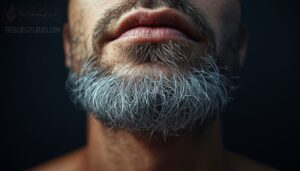
Spotting gray hairs in your beard can feel confusing, especially if you’re not middle-aged yet. Your follicles are sending you a signal, and that signal has real biology behind it. Here’s what’s actually happening beneath the surface.
If the gray patches bother you more than expected, weighing whether guys should dye their beards can help you decide if coverage is worth the upkeep.
Premature Beard Graying Defined
When does salt-and-pepper become a real concern? Clinically, it’s called premature canities—gray hair before your population’s typical age: 20 for White men, 25 for Asian men, 30 for Black men.
- Distinct from poliosis (total melanin absence)
- Involves gradual pigment dilution
- Multifactorial, not one single cause
- Ancestry-specific cutoffs matter
- Melanocytes drive the difference
This process often occurs when follicles stop producing melanocytes.
Melanin Loss in Follicles
Under the skin, it’s a numbers game. Each follicle houses melanocytes that manufacture pigment using tyrosinase activity — but as these cells deplete, melanin production stalters.
Even when melanocytes survive, melanin transfer failure means pigment never reaches the shaft.
Add follicular oxidative damage and stem cell exhaustion, and you get progressive hair pigmentation loss: less color, follicle by follicle.
Beard Versus Scalp Graying
Your beard and scalp don’t age on the same clock. Beard follicles cycle faster and carry higher androgen signaling sensitivity, so pigment demand outpaces supply sooner there.
Regional skin inflammation and oxidative stress add pressure too.
Why beards show it first:
- Faster hair growth turnover
- Greater visibility and less grooming cover
- Higher androgen exposure at the jawline
When Graying is Considered Early
So what actually counts as "early"? Age-based graying thresholds vary by ethnicity: before 20 for white men, 25 for Asian men, 30 for Black men.
| Ethnicity | Premature Age | Global Average Onset |
|---|---|---|
| White | Before 20 | ~32.9 years |
| Asian | Before 25 | Varies |
| Black | Before 30 | ~32.9 years |
Genetic predisposition and oxidative stress both accelerate this timeline beyond typical benchmarks.
Genetic Causes of Early Gray Beard Hair

Genetics loads the gun on beard graying, and for many men it pulls the trigger early. Your DNA carries specific instructions that decide when and how fast those pigment cells shut down. Here’s what’s actually happening beneath the surface.
If you’re curious how those genetic instructions actually translate into salt-and-pepper stubble, this breakdown of how genetics shapes beard growth patterns walks through the science in plain terms.
Family History Patterns
Genetics loads the gun on when your beard turns gray. If dad or grandpa grayed before 40, your risk doubles — that’s inherited pigment timing at work.
Genetics loads the gun on beard graying—if your father grayed young, your risk doubles
Maternal lineage trends and paternal graying patterns both count; shared genetic risks don’t play favorites. Check uncles, cousins, grandparents on both sides. Ancestral hair traits often reveal patterns years before your mirror does — family history is your earliest warning system.
IRF4 Gene Influence
One gene stands out among the eighteen linked to hair pigment: IRF4. It accounts for roughly 30% of early graying tendencies by controlling transcription factors that regulate tyrosinase and melanocyte stem cells.
IRF4 governs:
- Pigment gene expression timing
- Follicular melanogenesis regulation
- Melanocyte survival signals
This genetic predisposition compounds family history, accelerating the biological aging process behind your beard’s color loss.
Ethnicity and Graying Age
Your ancestry sets the clock differently. White beards often gray by the mid-30s, Asian ancestry trends late-30s, while Black men average mid-40s.
Blame melanosome size and density—African hair packs larger, denser pigment granules, delaying visible loss.
Even "premature" benchmarks shift: under 20 for Caucasians, 25 for Asians, 30 for African descent. Genetic predisposition sets the stage; population aging trends confirm it.
Melanocyte Stem Cell Loss
Here’s the real culprit: your beard follicles house a pigment stem cell reservoir that eventually runs dry.
Genes like DGUOK, BMI1, and MITF keep this reservoir stocked—when they falter, DNA damage accumulates, stem cells exhaust themselves through forced differentiation, and niche signals misfire.
The result? Follicles simply can’t rebuild melanin production anymore. It’s permanent cellular aging, not a temporary dip.
Lifestyle and Environmental Triggers

Genetics loads the gun, but your daily habits pull the trigger. What you’re exposed to—and what you put on your beard—can speed up graying faster than your DNA ever intended. Here’s what’s quietly stressing your follicles.
If you’re curious why your beard fills in the way it does, this guide to what actually determines beard growth speed breaks down the hormonal and genetic factors at play.
Chronic Stress Effects
Stress doesn’t just wear on your mind—it whitens your beard. Chronic stress activates your sympathetic nervous system, triggering norepinephrine release that depletes pigment stem cells.
- Disrupted cortisol regulation
- Sleep disruption loops
- Increased inflammatory signaling
This creates cellular oxidative burden, weakening immune defenses. Stress management techniques—meditation, exercise, therapy—help protect follicles before melanocytes vanish permanently.
Smoking and Oxidative Stress
Light up a cigarette, and you’re flooding your follicles with reactive oxygen species that spark oxidative stress on contact.
Nicotine activates NADPH oxidase, while carbon monoxide starves follicles of oxygen and weakens antioxidant enzymes—stalling melanin production.
| Smoking Effect | Follicle Impact |
|---|---|
| ROS damage | DNA oxidative injury |
| Hypoxia | Melanocyte death |
| Low antioxidants | Faster graying |
Pollution and Free Radicals
Cigarettes aren’t the only source of airborne particulate damage—city air itself is a slow-burn assault on your beard.
Fine particulates and heavy metals trigger redox cycling, spawning free radicals. Ozone adds reactive oxygen. Even persistent radical hazards linger in tissue.
- Particulates enter bloodstream
- Metals deplete antioxidants
- Ozone damages cells
- Radicals persist, compounding harm
UV Damage to Follicles
Sun exposure doesn’t just tan skin—it inflames hair follicles directly, sparking oxidative DNA damage and premature shifts from growth into shedding phases.
UVA and UVB differ: UVA depletes follicle stem cells and melanocytes, while UVB accelerates aging and keratinocyte apoptosis. Together they exhaust your beard’s pigment-producing reserves, pushing follicles toward early graying.
Harsh Grooming Products
Your medicine cabinet might be doing what the sun can’t. Irritating surfactants and alcohol aftershaves strip your skin’s barrier, sparking inflammation around follicles.
Watch for:
- Deep-cleansing washes
- Alcohol-based aftershaves
- Fragrance allergens
- Abrasive exfoliants
- Styling agent build-up
A gentler beard care routine protects follicle health—swap harsh formulas for sulfate-free options.
Nutritional Deficiencies That Affect Beard Color

Genetics and stress aren’t the whole story—what’s on your plate matters too. Your follicles need specific nutrients to keep producing pigment, and running low on even one can show up in your beard. Here’s what to watch for.
Vitamin B12 Deficiency
Here’s a quiet troublemaker: B12 deficiency. This vitamin fuels DNA synthesis in your follicle cells and keeps the methylation cycle running smoothly, converting homocysteine into methionine to support melanin production. Starve that cycle, and pigment output stalls.
Absorption is the real battleground. B12 needs stomach acid and a specific protein to reach your bloodstream—so vegans, older men, and anyone on long-term acid reducers face higher risk. Even solid diets fail if absorption breaks down.
Left uncorrected, deficiency doesn’t stop at graying. It can trigger neurologic demyelination, numbness, or coordination problems down the line.
Catching it early matters. A simple blood test reveals your levels, and correcting deficiency through diet or dietary supplements often halts further graying—sometimes even restoring pigment.
Copper and Tyrosinase
Ever wonder why copper matters for beard color? Tyrosinase—the enzyme kickstarting melanin biosynthesis—needs two copper ions at its center to function.
Without adequate copper:
- Tyrosinase can’t stabilize properly
- Melanin production stalls
- Melanocytes underperform
A metallochaperone protein delivers copper directly into tyrosinase’s active site. Simply eating more copper won’t help if delivery fails—correct incorporation is what activates the enzyme, not just availability.
Iron and Oxygen Delivery
What’s starving your follicles isn’t always visible—it’s iron. Hemoglobin needs iron to bind oxygen; transferrin ferries it through blood to hungry cells. Low iron means less oxygen reaching follicles, disrupting pigment function.
| Iron’s Role | Effect on Beard |
|---|---|
| Hemoglobin binding | Oxygen transport |
| Transferrin delivery | Cellular iron supply |
| Ferroportin regulation | Iron export control |
| Mitochondrial metabolism | Energy for follicles |
| Deficiency (anemia) | Impaired pigment cells |
Antioxidant-Rich Foods
Free radicals overwhelm follicles faster than most men realize. Load your plate with vitamin C fruits like oranges and strawberries, vitamin E oils from almonds and avocado, and carotenoid vegetables—carrots, sweet potatoes, spinach.
Toss in polyphenol rich snacks: berries, nuts, dark chocolate. Selenium dietary staples like Brazil nuts and fish round out your antioxidant defense, protecting melanocytes and supporting genuine melanin boosting foods within a nutrient-rich diet.
Protein and Healthy Fats
Your beard is basically keratin scaffolding, and keratin needs amino acid building blocks from protein to rebuild daily. Pair that with healthy fats—they help you absorb fat-soluble vitamins A and E, fuel sebum production, and support omega-3 benefits that calm inflammation around follicles.
- Weak, brittle strands
- Dull, lifeless color
- Slower melanin production
- Irritated, dry follicle skin
This protein-fat combo keeps follicle health—and your fixes—working.
How to Manage and Slow Early Beard Graying
Genetics loads the gun, but your habits pull the trigger—or don’t. You can’t rewrite your DNA, but you can control the stress hormones, toxins, and damage that speed things up. Here’s where to start.
Quit Smoking

Every cigarette you skip is one less hit of oxidative stress on your melanocytes. Smokers face four times the risk of premature graying—tobacco floods follicles with free radicals.
| Withdrawal Challenge | Practical Fix |
|---|---|
| Cravings | Nicotine replacement therapy |
| Triggers (coffee, stress) | Substitute walks, new routines |
| Weight gain | Light exercise, low-cal snacks |
| Irritability | Expect it—it passes in days |
Improve Stress Control

Stress doesn’t just fray your nerves—it floods your system with norepinephrine, which drains pigment stem cells right out of your beard follicles.
Try mindfulness breathing, short walks, or a wind-down bedtime routine. Even ten minutes of relaxation lowers your sympathetic nervous system’s grip.
Lean on social support too. Talking things through, staying active, and sleeping well all blunt cortisol’s damage to your color.
Use Gentle Beard Products
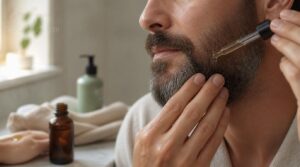
Your grooming products matter as much as your mindset. Harsh, fragrance-heavy shampoos strip follicle oils and irritate skin—worsening the very stress response damaging your pigment.
Switch to:
- Fragrance-free cleansers
- Non-comedogenic oils
- pH-balanced washes
- Sulfate-free formulas
- Patch-tested botanicals
Always patch test new products first, and skip aggressive scrubbing. Gentle care protects follicle health without adding oxidative insult to hair already turning gray early.
Protect Beard From Sun
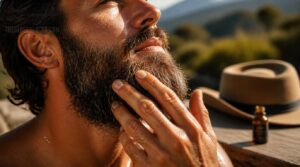
Sunlight quietly speeds up graying you’re already fighting genetically. UV rays trigger melanocyte apoptosis and free radical damage—compounding oxidative stress from smoking or pollution.
Apply mineral sunscreen to skin beneath your beard, not just around it. Use UV-protective beard oils 30–60 minutes pre-exposure, then reapply after sweating.
A wide-brim hat adds physical shielding. This combo curbs pigment breakdown, fading, and post-sun dryness—simple lifestyle choices with real payoff.
Natural Beard Care Remedies

Sunscreen and shade only go so far—what you put directly on your beard matters too. Coconut oil and amla juice boost melanin activity, while jojoba oil mimics natural sebum for softness.
- Warm coconut oil masks reduce roughness
- Aloe vera soothes itchy, irritated skin
- Tea tree oil calms flakes and dandruff
- Onion juice helps keep pigment
- Honey-lemon masks condition coarse hair
Frequently Asked Questions (FAQs)
Why is my beard going grey so quickly?
Your beard’s short growth cycles mean new hairs show pigment loss fast, so melanin production decline becomes visible quickly.
Genetics, oxidative stress, and nutritional deficiencies all speed up follicle aging patterns—making early graying triggers add up sooner than you’d expect.
Can beard graying be reversed?
Once the well runs dry, it rarely refills on its own. Repigmentation potential exists only if follicle cells survive—true for recent, stress-related graying. Long-standing or genetic cases rarely reverse; nutritional correction helps some, but cosmetic masking stays your most reliable fix.
Should I pluck grey beard hairs?
Better to resist. Plucking causes follicle damage and raises ingrown hair risk without stopping premature graying elsewhere. Trimming with scissors is gentler, or try beard dye—both protect follicle health better than repeated tweezing.
At what age does a man’s beard turn gray?
Like a rotary phone slowly going obsolete, your follicles start losing pigment around age 34 on average for Caucasians. Genetics and ethnicity shift that timeline—some men see premature graying beard signs by their mid-20s, others not until their 40s.
Why is my beard turning grey so fast?
Your melanocytes are losing ground fast: follicle pigment depletion, oxidative stress, and nutritional deficiencies combine, accelerating melanin production loss.
Sometimes this reflects canities subita — true rapid color loss — but usually it’s cumulative facial hair aging meeting poor lifestyle habits.
How to stop premature greying of beard?
Four-times-higher risk for smokers puts this in your hands.
Manage oxidative stress, correct nutritional deficiencies through B12 and copper-rich foods, and quit smoking.
Use gentle, natural remedies to protect remaining pigment-producing cells and slow premature graying.
What is the normal age to get a grey beard?
Your 30s are the normal graying window—about half of men show some gray by then, climbing to 81% in your 40s. Genetics and ethnicity shape the exact timeline, but this decadal pattern reflects typical biological aging, not a problem.
Why is my beard turning gray so fast?
Racing against the clock, huh? Your follicles are burning through rapid pigment depletion — stress hormones, oxidative stress, and genetic predisposition team up, causing accelerated hair cycles and visible color transitions that create that early salt-and-pepper look.
Why is my beard getting white at early age?
Genetics loads the gun here. Your genetic pigment regulation sets the timeline, while oxidative stress, B12 deficiency, or copper shortages pull the trigger — draining melanocytes faster and triggering premature whitening well before your genes intended.
How to stop premature greying of beard hair?
Picture a garden losing sunlight, leaf by leaf, until color fades entirely.
Stop premature greying beard trends by correcting nutritional deficiencies, easing chronic stress, quitting smoking, and boosting melanin production through antioxidant foods, targeted supplements, and gentle natural remedies for follicle care.
Conclusion
Think of your follicles like an old-school pocket watch: wind them well, and they keep ticking longer.
Beard hair turning gray early isn’t a verdict—it’s feedback. Genetics sets the timeline, but stress, smoking, and poor nutrition rewrite the schedule.
Quit smoking. Eat like your follicles are watching. Protect your skin from UV rays.
You won’t reverse the strands already silvered, but you’ll slow tomorrow’s. That’s not vanity—that’s control, one small habit at a time.