This site is supported by our readers. We may earn a commission, at no cost to you, if you purchase through links. This content is for general informational and educational purposes only and is not a substitute for professional medical, dermatological, or nutritional advice.

Dry skin affects roughly 40% of adults at some point each year, yet most people reach for the same drugstore lotion that barely makes a dent.
The skin barrier—your body’s first line of defense—needs more than surface moisture; it needs the right combination of ingredients to actually hold water in. What you apply, when you apply it, and even what you eat all shift that equation noticeably.
The good news is that some of the most effective tools for restoring and protecting dry skin are already sitting in your kitchen or bathroom cabinet.
Table Of Contents
- Key Takeaways
- Best Home Remedies for Dry Skin
- Top 9 Home Dry Skin Products
- 1. Organic Moroccan Argan Oil
- 2. Aveeno Soothing Colloidal Oatmeal Bath Soak
- 3. Dandelion Foraging and Medicinal Guide
- 4. 1001 Natural Remedies (Natural Health Magazine)
- 5. H’ana Pure Vanilla Essential Oil
- 6. Backyard Medicine Herbal Remedies Guide
- 7. Foods That Harm Foods That Heal
- 8. Top Fill Humidifier with Essential Oil Diffuser
- 9. Nutiva Organic Virgin Coconut Oil
- Soothing Baths and Gentle Exfoliation
- Daily Dry Skin Care Routine
- Prevent Dry Skin Naturally
- Frequently Asked Questions (FAQs)
- What is the best home recipe for dry skin?
- What Can You Do About Dry Skin?
- Is Dry Skin A Serious Health Problem?
- What is the fastest way to get rid of dry skin?
- What heals dry skin the fastest?
- What am I lacking when my skin is so dry?
- What can I drink for extremely dry skin?
- Can medications cause chronic dry skin conditions?
- How often should you exfoliate dry skin?
- Do indoor plants help with skin humidity?
- Conclusion
Key Takeaways
- Apply moisturizer right after a lukewarm shower while your skin’s still damp, then seal it in with something like petroleum jelly to lock in hydration fast.
- Kitchen staples like coconut oil, honey, and aloe vera work as well as pricier creams because they’re packed with the same humectants and emollients your skin needs.
- Keep showers short and lukewarm, since hot water strips away your skin’s natural oils and leaves your barrier weaker.
- Prevention matters just as much as treatment, so drink plenty of water, eat omega-3 rich foods, and run a humidifier to keep indoor humidity between 30-50%.
Best Home Remedies for Dry Skin
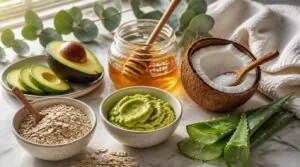
Dry skin doesn’t need a fancy fix, just the right ingredients used the right way. Some of the best options are probably already sitting in your kitchen or bathroom cabinet. Here are five tried-and-true remedies worth adding to your routine.
From honey to coconut oil, these natural ingredients for dry patches work because they mimic what your skin already knows how to use.
Coconut Oil for Dryness
Coconut oil is a kitchen-cabinet classic for good reason. As a coconut oil emollient, it’s rich in lauric acid and saturated fats that smooth rough patches and support skin barrier enhancement by filling gaps between cells. Additionally, its high moisture content makes it highly effective for treating dry skin.
For winter dryness relief, try the moisture lock technique: pat skin damp, then seal with a thin layer. Always do a patch test first—sensitive skin can react.
If lice treatment is also on your radar this season, it’s worth reading whether hair dye can actually kill head lice before reaching for harsh, drying formulas.
Aloe Vera for Soothing
If coconut oil is your overnight moisture lock, aloe vera is your fast cooling relief. Its gel-like texture delivers instant soothing treatments for irritated, itchy patches without feeling greasy.
Aloe’s anti-inflammatory properties, thanks to compounds like anthraquinones, calm redness fast. For gentle application tips, smooth a thin layer onto affected skin, perfect for post-sun soothing or general skin irritation relief.
Honey as a Humectant
Once aloe calms things down, honey steps in to keep skin hydrated. As a natural humectant, honey’s sugars (glucose and fructose) bind water through hydrogen bonding, supporting Honey Water Retention. Try:
- Medical-grade honey on healing patches
- Manuka honey for barrier support
- Honey-avocado masks for daily hydration
Its low water activity and osmotic effect pull moisture toward your skin, even at modest concentrations.
Petroleum Jelly Moisture Seal
After honey works its magic, petroleum jelly seals everything in. This isn’t fancy, but it’s an occlusive barrier that locks moisture against your skin instead of soaking in.
For best results, try damp skin application—pat your face dry, then apply a thin layer immediately. Look for triple-purified, hypoallergenic formulas for sensitive skin healing protection and lasting hydration.
Sunflower Oil Barrier Support
Round out your routine with sunflower seed oil, a quiet workhorse for dry skin. Its high linoleic acid content bolsters your skin barrier’s repair mechanism, while reducing TEWL so moisture stays put.
- Lightweight, fast-absorbing texture
- Linoleic acid for barrier repair
- Vitamin E antioxidant protection
- Helps calm inflammation
- Neutral scent, daily-friendly
Among natural moisturizers, it’s gentle yet effective for compromised skin.
Top 9 Home Dry Skin Products
Stocking your bathroom cabinet with the right products can make all the difference for dry skin. You don’t need a complicated routine, just a few reliable picks that actually work. Here are nine items worth adding to your at-home skincare lineup.
1. Organic Moroccan Argan Oil
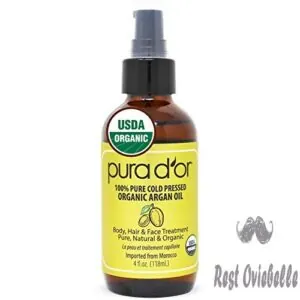
If your skin drinks up oils fast, argan oil might become your new best friend. This cold-pressed oil comes from Moroccan argan kernels, packed with vitamin E, linoleic acid, and oleic acid. Those fatty acids work together to smooth rough patches and seal in moisture.
Look for a 100% pure, USDA Organic option, free from parabens and synthetic fragrances. It’s lightweight enough for your face, yet effective on dry hands, cuticles, and even flaky scalp areas.
| Best For | Anyone dealing with dry skin, frizzy hair, or a flaky scalp who wants a simple, all-in-one natural oil for face, body, and hair. |
|---|---|
| Format | Oil |
| Natural Ingredients | Yes |
| Skin Hydration | Yes |
| DIY Friendly | Yes |
| Price Listed | No |
| Multi-Use | Yes |
| Additional Features |
|
- Cold-pressed and USDA Organic, so you’re getting a clean, single-ingredient product
- Packed with vitamin E and fatty acids that hydrate skin, tame frizz, and repair split ends
- Versatile enough to double as a beard oil, cuticle treatment, or scalp remedy
- Pricier than typical drugstore oils, especially if you’re using it for regular beard care
- Scent can shift slightly over time as the oil ages
- A little goes a long way, so it might feel like a slow burn before you notice major results
2. Aveeno Soothing Colloidal Oatmeal Bath Soak
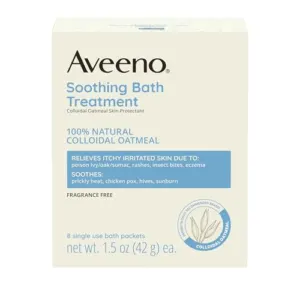
When itchy, irritated skin won’t let up, an oatmeal bath can be surprisingly effective. The Aveeno Soothing Colloidal Oatmeal Bath Soak comes in eight individually wrapped, single-use packets — fragrance-free, dye-free, and dermatologist recommended. The colloidal oatmeal helps calm redness, relieve itching from eczema or insect bites, and gently hydrate dry skin.
For longer-term relief, pairing the oatmeal soak with tips for managing dry, flaky skin after shaving can help keep irritation from creeping back between baths.
Sprinkle one packet under a warm running faucet, then soak for 15 to 30 minutes. Pat dry afterward — don’t rub — to keep that protective layer intact.
| Best For | Anyone dealing with eczema, dry or sensitive skin, insect bites, sunburn, or other itchy skin irritations who wants a simple, clean, dermatologist-recommended soak. |
|---|---|
| Format | Bath Soak |
| Natural Ingredients | Yes |
| Skin Hydration | Yes |
| DIY Friendly | No |
| Price Listed | No |
| Multi-Use | No |
| Additional Features |
|
- Made with 100% natural colloidal oatmeal that actually calms itching and redness without harsh ingredients
- Single-use packets make it easy to grab and go — no measuring, no mess
- Free of fragrance, dyes, parabens, and soap, so it’s gentle enough for sensitive skin
- Only comes with 8 packets, so it runs out faster than a larger bulk option
- Powder can clump at the bottom of the tub and may need a quick whisk before it dissolves smoothly
- Single-use packaging means more waste compared to a tub-style product
3. Dandelion Foraging and Medicinal Guide

Most people overlook the dandelion — but this common "weed" has real skin benefits. Dandelion preparations can be used in topical salves for dry or cracked skin, drawing on the plant’s traditional anti-inflammatory properties.
The Dandelion Foraging and Medicinal Guide (Storey Publishing, $15.83) covers every part of the plant, from root to flower. At 192 pages, it’s practical enough for beginners and detailed enough for herbalists.
| Best For | Anyone curious about foraging who wants a beginner-friendly, practical guide to getting the most out of dandelions — from the kitchen to the medicine cabinet. |
|---|---|
| Format | Book |
| Natural Ingredients | Yes |
| Skin Hydration | Indirect |
| DIY Friendly | Yes |
| Price Listed | Yes |
| Multi-Use | Yes |
| Additional Features |
|
- Covers the whole plant — roots, leaves, and flowers — so nothing goes to waste
- Great for beginners, with easy plant ID and recipes you’ll actually use
- Solid addition to any herbalist’s shelf, with handy reference charts and nutritional info
- Medicinal coverage is lighter than the author’s other herbal books
- Focused entirely on dandelions, so don’t expect broader foraging guidance
- At 192 pages, it’s concise — which is great for some, but may leave deeper learners wanting more
4. 1001 Natural Remedies (Natural Health Magazine)

If you want one book that covers a lot of ground, 1001 Natural Remedies by Natural Health Magazine is worth a look. Published by DK Publishing, it packs over a thousand natural recipes into 192 pages — covering skincare, personal hygiene, and even household maintenance.
For dry skin specifically, you’ll find DIY moisturizing formulas and soothing treatments. Just keep in mind it was published in 2003, so some recommendations may be dated.
| Best For | Anyone who wants a one-stop reference for natural living — especially people looking to ditch chemicals in their skincare, cleaning, or daily health routines. |
|---|---|
| Format | Book |
| Natural Ingredients | Yes |
| Skin Hydration | Yes |
| DIY Friendly | Yes |
| Price Listed | No |
| Multi-Use | Yes |
| Additional Features |
|
- Over 1,000 recipes covering everything from acne to laundry soap — seriously comprehensive
- Easy to navigate thanks to a solid index and numbered entries with illustrations
- Goes way beyond health — pet care, gardening, and household cleaners are all in there
- Published in 2003, so some info is over 20 years old and may not reflect current research
- A handful of recipes might feel like stuff you already know
- Some ingredients aren’t easy to find — you may need to hunt down a specialty shop or chemist
5. H’ana Pure Vanilla Essential Oil
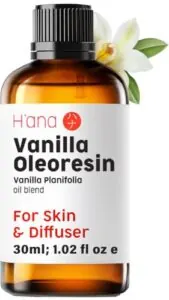
H’ana Pure Vanilla Essential Oil is a pleasant surprise for anyone building a dry skin remedy kit at home. This 30ml vanilla oleoresin is extracted from Indonesian vanilla beans and comes undiluted — so you’ll need to blend it with a carrier oil like jojoba or coconut oil before applying it to your skin.
The rich, creamy formula contains vanillin and eugenol, both linked to antioxidant activity. A few drops mixed into your favorite moisturizer can help hydrate and soothe dry, irritated skin.
| Best For | DIY skincare lovers and home aromatherapy enthusiasts who want a pure, concentrated vanilla oil they can customize into moisturizers, hair treatments, or candles. |
|---|---|
| Format | Oil |
| Natural Ingredients | Yes |
| Skin Hydration | Yes |
| DIY Friendly | Yes |
| Price Listed | Yes |
| Multi-Use | Yes |
| Additional Features |
|
- Undiluted and concentrated, so a little goes a long way
- Versatile — works for skincare, haircare, diffusing, and DIY crafts
- Sourced from Indonesian vanilla with a warm, creamy scent that actually lingers
- Smells more like a vanilla candle than fresh vanilla bean, which might not suit everyone
- You can’t apply it straight to skin — always needs a carrier oil
- The bottle can drip slowly when tipped upside down, which gets messy fast
6. Backyard Medicine Herbal Remedies Guide

If you liked the botanical approach of H’ana’s vanilla extract, the Backyard Medicine Herbal Remedies Guide takes that idea further. This 225-page field guide covers over 120 recipes — teas, oils, creams, and tinctures — organized alphabetically with full-color plant photos.
It’s practical for anyone foraging locally or making remedies at home. Recipes address skin conditions like eczema, and the herb profiles walk you through harvesting, drying, and safe preparation steps clearly enough for a complete beginner.
| Best For | Anyone who loves foraging, wants to make their own home remedies, or is just getting started with herbalism. |
|---|---|
| Format | Book |
| Natural Ingredients | Yes |
| Skin Hydration | Yes |
| DIY Friendly | Yes |
| Price Listed | No |
| Multi-Use | Yes |
| Additional Features |
|
- Over 120 recipes covering everything from teas to tinctures, so there’s plenty to explore
- Full-color photos make plant ID way less intimidating, especially out in the field
- Herb profiles walk you through harvesting and prep in plain language — no experience needed
- It’s originally a British book, so some plants featured may not grow in your backyard
- North American foragers might notice a few local favorites are missing
- At 225 pages, it’s thorough but not exactly pocket-sized for trail use
7. Foods That Harm Foods That Heal

From herbs in your backyard to what’s on your plate — it turns out your diet does a lot of heavy lifting for your skin. Foods That Harm, Foods That Heal connects those dots clearly.
Published by Trusted Media Brands, this 432-page reference covers over 100 health conditions and 170 food entries, showing you exactly which foods support skin repair and which ones quietly work against it — including added sugars and ultra-processed fats that can worsen inflammation.
| Best For | Anyone managing a chronic condition like diabetes, heart disease, or skin issues who wants a clear, food-first approach to feeling better. |
|---|---|
| Format | Book |
| Natural Ingredients | Yes |
| Skin Hydration | Yes |
| DIY Friendly | Yes |
| Price Listed | No |
| Multi-Use | Yes |
| Additional Features |
|
- Covers a ton of ground — 100 health conditions and 170 food entries means you’ll actually find what you’re looking for.
- Goes beyond just "eat this" by explaining how to cook and store foods to keep their healing properties intact.
- Includes 50 recipes, so the advice translates straight to your kitchen without extra guesswork.
- Some recipes call for canola oil, which a lot of health-conscious readers consider inflammatory — worth keeping an eye on.
- At 432 pages, it’s a hefty reference book, not a quick read you’ll knock out in an afternoon.
- Published in 2018, so some nutrition science and food safety guidelines may not reflect the latest research.
8. Top Fill Humidifier with Essential Oil Diffuser

What you eat matters — but so does the air you breathe. If your home runs dry, especially in winter, your skin pays the price.
This top-fill humidifier uses ultrasonic cool mist technology to quietly raise indoor humidity without heat. It outputs 250–300 ml per hour and covers large rooms comfortably. The built-in essential oil diffuser tray lets you add a few drops of argan or lavender oil, turning basic moisture into a skin-supportive ritual.
| Best For | Anyone with dry skin or a dry home — especially parents setting up a nursery, light sleepers, or plant lovers who need steady humidity in a larger room. |
|---|---|
| Format | Book |
| Natural Ingredients | Yes |
| Skin Hydration | Indirect |
| DIY Friendly | Yes |
| Price Listed | No |
| Multi-Use | Yes |
| Additional Features |
|
- Super quiet ultrasonic mist means it won’t disrupt sleep — great for bedrooms and baby rooms
- Top-fill design makes refilling quick and mess-free, no flipping the tank
- Doubles as an essential oil diffuser, so you get moisture and aromatherapy in one
- The tank needs to be aligned just right or it’ll leak, which gets old fast
- The small fill hole makes deep cleaning a pain, and pink mold can sneak up on you
- Burns through water quickly on higher settings — expect to refill that gallon tank more than you’d think
9. Nutiva Organic Virgin Coconut Oil
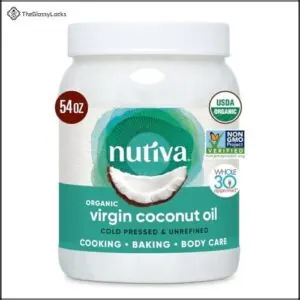
If you loved the idea of adding coconut oil to your air ritual, you’ll appreciate having it in a jar on your shelf too. Nutiva Organic Virgin Coconut Oil is cold-pressed from fresh coconut meat right after harvest — no bleaching, no refining, no heat.
That process preserves its 50% lauric acid content, a fatty acid that fills gaps between skin cells to soften and seal in moisture. Solid at room temperature, it melts on contact with warm skin.
| Best For | Anyone who wants a versatile, clean-ingredient coconut oil they can use in the kitchen, on their skin, or as part of a keto or paleo lifestyle. |
|---|---|
| Format | Device |
| Natural Ingredients | N/A |
| Skin Hydration | Indirect |
| DIY Friendly | No |
| Price Listed | No |
| Multi-Use | Yes |
| Additional Features |
|
- Cold-pressed and unrefined, so the natural nutrients and flavor stay fully intact
- Packed with lauric acid and MCTs, making it a solid pick for both cooking and skin care
- Works across a ton of lifestyles — keto, paleo, vegan, gluten-free, all covered
- Stays solid at room temp, so you’ll need to scoop or melt it before use
- Can curdle if you drop it straight into a cold smoothie
- Comes in a plastic jar, which isn’t ideal if you prefer glass packaging
Soothing Baths and Gentle Exfoliation

When your skin is parched and irritated, what you do in the bath can make a real difference. The right soaking and exfoliation routine helps your skin heal without stripping away what little moisture it has left. Here are some gentle, effective options worth trying.
Colloidal Oatmeal Bath Soak
Few things calm itchy, parched skin quite like a colloidal oatmeal bath soak. Unlike regular rolled oats, colloidal oatmeal is finely ground into a powder that disperses evenly in warm water, forming a milky, skin-soothing solution. The fine oat particles leave a protective skin barrier on your skin’s surface, slowing moisture loss and easing discomfort caused by dry skin.
The itch relief mechanism is straightforward: colloidal oatmeal gently nudges your skin’s pH back toward its natural balance, which quiets that persistent itch cycle. Soak in warm water for 15 to 30 minutes, then pat dry — don’t rub — so a thin oat layer stays behind to continue supporting skin hydration.
| Step | Action | Why It Matters |
|---|---|---|
| Prepare | Stir powder into warm bath water | Ensures even distribution of oat particles |
| Soak | Stay in tub 15–30 minutes | Maximizes oatmeal bath benefits |
| Dry | Pat skin gently with towel | Preserves the protective oat layer |
| Moisturize | Apply cream immediately after | Locks in post-soak skin hydration |
| Repeat | Use as needed | Maintains ongoing skin barrier support |
Lukewarm Milk Bath
A lukewarm milk bath is one of the gentlest ways to treat dry, irritated skin. Add one to three gallons of plain, full-fat milk to warm water — around 98.6°F — and soak for 15 to 30 minutes. The lactic acid naturally exfoliates and softens while milk fats condition dry patches.
Pat dry gently and follow with a moisturizer immediately.
Sugar and Oil Scrub
A simple sugar and oil scrub can do wonders for dry skin. Mix half a cup of granulated sugar with a quarter cup of coconut oil or extra-virgin olive oil — roughly a 2:1 ratio.
Gently massage onto damp skin in circular motions, then rinse thoroughly. Store leftovers in a sealed mason jar at room temperature.
Fruit Enzyme Exfoliation
Fruit enzymes are nature’s quiet chemists. Papain — sourced from papaya — and bromelain, derived from pineapple, both break down the proteins that hold dead skin cells together, letting them slough off without any scrubbing. Think of them as dissolving the "glue" between dull surface cells.
Apply a fruit enzyme mask once a week, let it sit for several minutes, then rinse.
Avoid Harsh Scrubbing
Scrubbing dry skin harder won’t speed up results — it actually makes things worse. Harsh scrubbing breaks down your skin barrier, causing microtears and prolonged irritation.
Instead, use a microfiber cleansing cloth with light fingertip pressure for a gentle pressure massage. Reduce scrub frequency, especially during flare-ups, and follow every cleanse with a barrier repair routine using natural ingredients to restore what friction strips away.
Daily Dry Skin Care Routine
A solid daily routine is what turns occasional remedies into real, lasting results. It doesn’t take much—just a few consistent habits that work with your skin instead of against it. Here’s what to build into your day.
Short Lukewarm Showers

Your shower might be working against you. Hot water strips natural oils from your skin, leaving your barrier compromised and your skin tight by the time you towel off.
Stick to short, lukewarm showers — five to ten minutes max. That small temperature shift dramatically reduces moisture loss and keeps your skin barrier intact throughout the day.
Moisturize Damp Skin

Once you step out of that lukewarm shower, timing is everything. Apply moisturizer immediately after patting your skin dry — not rubbing — to keep that thin layer of water intact.
- Start with a humectant-rich layer like glycerin or hyaluronic acid to draw moisture in
- Follow with an emollient or cream to soften and smooth your skin barrier
- Seal everything with an occlusive like petroleum jelly to lock hydration in place
- Use light, gentle pressure during topical application to avoid irritating sensitive skin
Wear Soft Cotton Clothing

What you wear matters just as much as what you apply. Soft cotton clothing sits gently against dry, sensitive skin, reducing the repeated friction that can worsen irritation throughout the day. Its breathable, open weave allows air to circulate, cutting down on heat buildup that makes tight, dry skin feel even more uncomfortable.
Look for fragrance-free, loose-fitting cotton — especially for sleepwear, when overnight contact with fabric is longest.
Protect Hands From Cold

Your hands take a beating in cold weather. Insulated, waterproof gloves are your first line of defense — they block wind and moisture while keeping warmth close to your skin.
- Layer a thin liner glove underneath for extra protection
- Apply petroleum jelly or hand cream before heading out
- Take hand-warming breaks to restore circulation and comfort
Prevent Dry Skin Naturally

Prevention is where real skin health starts. Your daily habits — what you eat, drink, and breathe — have more influence on dryness than most people realize. Here are a few natural strategies worth adding to your routine.
Use a Home Humidifier
Think of your home’s air as a hidden variable in your skin care routine. When indoor humidity drops below 30%, your skin loses moisture faster than any cream can replenish it.
A home humidifier fixes this by releasing cool mist or warm steam, keeping relative humidity between 30–50%—the sweet spot for skin hydration without encouraging mold growth.
Drink Enough Water Daily
Staying hydrated is one of the simplest things you can do for your skin. Aim for at least 2 liters of water daily to keep tissues plump and circulation steady.
Watch for these signs you’re falling short:
- Dark yellow urine
- Dry mouth
- Fatigue or brain fog
- Morning skin tightness
- Frequent headaches
Spread your intake evenly throughout the day rather than gulping it all at once.
Eat Omega-3 Foods
Your skin craves omega-3 fatty acids the way a dry sponge craves water. These essential fats work at the cellular level to reinforce your skin barrier and lock in moisture.
Fatty fish like salmon, mackerel, sardines, and herring deliver EPA and DHA directly. Prefer plants? Flaxseeds, chia seeds, and walnuts offer ALA for solid skin nourishment.
Add Antioxidant-rich Foods
Free radicals quietly chip away at your skin’s defenses every day — and antioxidant-rich foods are your best counter. Here are five you’ll want on your plate regularly:
- Blueberries — packed with anthocyanins
- Bell peppers — loaded with vitamin C
- Avocado — delivers vitamin E
- Green tea — rich in catechins
- Carrots — full of beta-carotene
Support Skin With Probiotics
Your gut and skin are more connected than you might think. Research into the gut-skin axis shows that oral probiotics can influence skin inflammation and barrier function from the inside out. A balanced skin microbiome promotes ceramide production, which helps lock in moisture and reduce dryness.
Your gut and skin are linked — probiotics strengthen your skin barrier from the inside out
Try adding a daily probiotic supplement or fermented foods like yogurt to your routine.
Frequently Asked Questions (FAQs)
What is the best home recipe for dry skin?
Your kitchen might already hold the fix. Mix half an avocado with honey and a drop of coconut oil for a quick DIY Moisturizing Mask that soothes and seals moisture beautifully.
What Can You Do About Dry Skin?
Dry skin is manageable. A few smart habits — like nighttime hydration, using a humidifier, and choosing an emollient-rich moisturizer — can genuinely transform how your skin feels day to day.
Is Dry Skin A Serious Health Problem?
Most of the time, dry skin is harmless. But when cracks appear and bacteria sneak in, it becomes a real concern. Conditions like diabetes or thyroid disease can make xerosis considerably worse.
What is the fastest way to get rid of dry skin?
The fastest way to rehydrate dry skin is to apply moisturizer immediately after a lukewarm shower, while skin is still damp. Sealing it in with petroleum jelly locks in moisture fast.
What heals dry skin the fastest?
For quick relief, apply honey or aloe vera to damp skin, then seal with petroleum jelly (slugging). This combo locks in humectants, restores barrier lipids, and stops moisture loss—often calming dryness within hours.
What am I lacking when my skin is so dry?
Often it’s essential fatty acids, water, or oils—skin loses moisture and lipids, weakening barrier health. Boost nutrient balance with omega-3s, drink water daily, and use moisturizing agents for lipid replenishment and lasting skin hydration.
What can I drink for extremely dry skin?
Hydration starts from the inside out. Sip plain water, coconut water for electrolytes, an aloe vera drink, hydrating herbal tea, omega-3 smoothies, or warm milk with honey, your skin will thank you.
Can medications cause chronic dry skin conditions?
Yes—certain drugs disrupt your skin barrier directly. Retinoids speed cell turnover, diuretics cause fluid loss, and antihistamines reduce secretions, all triggering drug-induced eczema or persistent skin dryness that needs consistent moisturizing and a chat with your prescriber.
How often should you exfoliate dry skin?
Stick to 1-2 times weekly, giving your skin barrier time to recover. Gentle scrub options like sugar-oil mixes work well. Watch for over-exfoliation signs—redness, tightness—and adjust your weekly schedule to protect skin texture and overall health.
Do indoor plants help with skin humidity?
Funny how a leafy houseplant can outwork some skincare gadgets. Through leaf moisture release, plants add a real indoor humidity boost, supporting your skin barrier hydration—though pairing them with a humidifier and moisturizer still gives the most reliable dry skin relief.
Conclusion
Funny how the best dry skin remedy home offers often sits two feet from your shower—oatmeal, honey, coconut oil, ingredients you’d never think twice about. That’s not coincidence; it’s chemistry, the same humectants and emollients dermatologists formulate into pricier creams.
Your skin barrier doesn’t care about price tags, only consistency. Apply moisture to damp skin, drink your water, eat your omega-3s, and protect what you’ve repaired. Small daily habits, repeated patiently, rebuild what harsh weather and hot showers strip away.