This site is supported by our readers. We may earn a commission, at no cost to you, if you purchase through links.

Your hair grows about half an inch per month, no matter how many miracle serums you slather on. That’s the frustrating reality dermatologists see daily—patients chasing impossible promises while overlooking the science-backed strategies that actually work.
Here’s what most people miss: you can’t override your genetic growth rate, but you can fine-tune the conditions that allow your hair to reach its full potential. The difference between sluggish, breaking strands and healthy growth often comes down to addressing specific nutritional gaps, scalp health issues, and damaging habits you might not even realize are holding you back.
Table Of Contents
- Key Takeaways
- Understanding The Hair Growth Cycle
- Key Factors That Influence Hair Growth
- Nutrition Strategies to Accelerate Hair Growth
- Top 4 Products for Hair Growth
- Scalp Care Practices for Faster Growth
- Lifestyle Changes to Maximize Growth
- Hair Care Habits That Support Growth
- Frequently Asked Questions (FAQs)
- Can hair growth be sped up?
- Is it possible to speed up hair growth?
- Why is my hair growing fast all of a sudden?
- Can hair grow 2 inches in a month?
- Is it scientifically possible to make your hair grow faster?
- Can scalp massage stimulate faster hair growth?
- Do hair growth supplements actually work?
- Is it possible to regrow hair naturally?
- How does stress affect hair growth speed?
- Can certain hairstyles promote faster hair growth?
- Conclusion
Key Takeaways
- You can’t override your genetic growth rate of roughly half an inch per month, but you can optimize nutrition, scalp health, and daily habits to help your hair reach its full natural potential without breakage or stalling.
- Hair cycles through three distinct phases—anagen (active growth lasting 2-7 years), catagen (2-3 week transition), and telogen (3-4 month rest)—and understanding these phases helps you set realistic expectations instead of chasing impossible promises.
- Clinically-backed treatments like minoxidil foam, targeted supplements addressing nutritional gaps, and consistent scalp massage actually support thicker growth, while miracle serums and overnight fixes waste your time and money.
- Daily damage from heat styling, harsh chemicals, rough detangling, and chronic stress actively sabotages your length goals, so protecting your strands and managing cortisol levels matter just as much as what you eat or apply topically.
Understanding The Hair Growth Cycle
Your hair isn’t just sitting there—it’s cycling through growth phases you can’t see. Understanding how these phases work gives you real control over your growth timeline, not just guesswork.
Sometimes your scalp feels tingly or irritated during active growth, and knowing whether an itchy scalp actually signals hair growth helps you tell normal cycles apart from real problems.
Let’s break down each stage so you know exactly what’s happening on your scalp right now.
The Anagen (Growth) Phase

The anagen phase is where the magic happens—your hair follicles are actively building new hair shaft cells, pushing growth at its peak rate. During this growth phase, about 85 to 90 percent of your scalp hair is busy elongating.
Here’s what fuels that cell proliferation:
- Strong blood flow delivers oxygen and nutrients
- Rapid matrix cell division extends the shaft
- Melanocytes deposit natural color
- Keratin synthesis creates structure and strength
Research shows that up to 90% of hair is in the at any given time, making it critical for healthy hair growth.
The Catagen (Transition) Phase
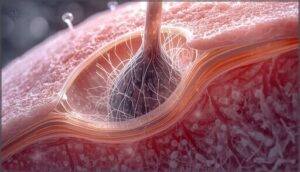
Once active growth wraps up, your hair follicles shift gears into catagen—a brief two-to-three-week growth pause where follicle regression kicks in. The hair matrix stops churning out new cells, triggering cell apoptosis that shrinks the bulb and detaches it from its blood supply.
This controlled breakdown leads to club hair formation, prepping each strand for its eventual exit while your scalp health stays intact. During this time, understanding the importance of the catagen phase in hair growth can help explain how your follicles renew and reset.
The Telogen (Resting) Phase

After your follicles shrink during catagen, they settle into telogen—the resting phase where growth stops for about two to four months.
During this window, roughly 15 percent of your scalp hairs chill in their follicles, maintaining follicle health while preparing for the next growth cycle. When that new hair pushes up, the old resting strand sheds naturally, keeping your hair growth promotion on track.
How Long Each Phase Lasts

So how long do these growth cycles actually run? Your anagen duration can stretch anywhere from two to seven years, depending on genetics—that’s what sets your maximum length.
Catagen phase change wraps up in just two to three weeks, while telogen phase holds for three to four months. Phase variation means your hair health timeline won’t match your neighbor’s, but understanding these growth cycles helps you set realistic hair loss prevention goals.
Key Factors That Influence Hair Growth

You can’t outsmart your DNA, but understanding what controls hair growth gives you real power over what you can change.
Some factors are locked in from birth, while others shift with your body’s chemistry and health.
Let’s break down the big three that determine whether your hair grows fast, slow, or barely at all.
Genetics and Hair Growth Potential
Your hair’s growth ceiling isn’t just about what you do—it’s written into your DNA. Inherited follicle density, keratin gene variants, and anagen phase genes determine how thick your strands grow and how long they stay in growth mode.
Trichology shows us that while follicle stimulation and solid hair health practices help, your hair type and genetic blueprint set the final pace.
Hormonal Effects on Hair
Hormone balance runs the show in the context of hair growth, and knowing which hormones fuel or stall your follicles helps you take control. Estrogen levels extend your growth phase, thyroid function powers follicle energy, and cortisol impact from stress can push strands into shedding mode.
- Estrogen drop after menopause shortens growth periods, thins strands, and boosts sensitivity to DHT effects that trigger crown thinning
- High cortisol from chronic stress shifts hair from active growth into rest, increasing shedding and weakening hair health over time
- Thyroid imbalances—whether hypo or hyper—disrupt your growth cycle, causing brittle texture, slower growth, or rapid fallout
- DHT in susceptible follicles miniaturizes strands and shortens anagen, but progesterone acts as a natural brake on this hair loss pathway
Medical Conditions That Slow Growth
Underlying illness can hijack your follicles before you even notice thinning. Growth hormone deficiency, thyroid dysfunction, and Turner syndrome all disrupt normal hair cycles, while chronic kidney or heart disease diverts resources away from your scalp. Spotting these patterns early means you can work with your dermatologist to target the root cause and protect your hair health.
| Medical Condition | Impact on Hair Growth | Key Treatment Approach |
|---|---|---|
| Hypothyroidism | Slows growth velocity, causes brittleness | Thyroid hormone replacement |
| Growth Hormone Deficiency | Reduces follicle activity, thins strands | Prescribed growth hormone injections |
| Scalp Infections | Inflames follicles, disrupts cycles | Targeted scalp treatment, antifungals |
Nutrition Strategies to Accelerate Hair Growth

What you eat directly impacts how your hair grows, plain and simple.
Your follicles need specific nutrients to build strong strands and maintain their growth cycle. Let’s look at the key vitamins, minerals, and foods that can help you enhance your hair’s natural potential.
Essential Vitamins for Healthy Hair
Think of vitamins as tiny construction workers rebuilding your hair from the inside out. Vitamin D receptors in your follicles help regulate growth cycles, while biotin promotes keratin production that reduces brittleness. Deficiencies can trigger thinning you don’t have to accept.
- Vitamin C boosts collagen and iron absorption for stronger strands
- Biotin strengthens hair structure, usually 30-100 mcg daily
- Vitamin E protects follicles from oxidative stress and damage
Protein Requirements for Hair Strength
Your follicles need protein to forge strong keratin—the fibrous shield that makes up 80 to 85 percent of each strand. Aim for 0.8 to 1.2 grams per kilogram of body weight daily, spread across meals so amino acid balance stays steady. Without enough dietary protein sources, your hair follicle health suffers and keratin formation slows, leaving strands brittle and prone to breakage.
| Protein Source | Key Amino Acids | Daily Serving Example |
|---|---|---|
| Lean poultry | Lysine, methionine | 3-4 oz grilled chicken |
| Eggs | Cysteine, leucine | 2 eggs at breakfast |
| Beans + grains | Complete profile when combined | 1 cup lentils with rice |
Iron and Zinc for Growth
Iron delivers oxygen straight to your hair follicles through hemoglobin, powering the cell division that forms each strand.
Zinc acts as the co-pilot, activating enzymes for keratin synthesis and DNA replication.
But here’s the catch: these two compete for nutrient uptake when you take iron supplements and zinc together, so space them a few hours apart to maintain mineral balance and dodge zinc deficiency.
Foods That Boost Hair Health
Your balanced eating plans start with real food, not just hair growth supplements. Here’s your hair boosting snacks and nutrient dense meals lineup:
- Fatty fish like salmon pack 22 grams of protein plus omega-rich foods for scalp nourishment
- Leafy greens deliver folate to shuttle oxygen to follicles
- Nuts and seeds guard strands with vitamin E
- Eggs build keratin through biotin and protein-rich foods
- Whole grains fuel growth cycles with B vitamins
That’s your healthy hair diet’s foundation.
Top 4 Products for Hair Growth
You’ve got your nutrition dialed in, but sometimes you need a little extra help to break through a growth plateau.
The right products can support your hair from the outside in, giving your follicles the boost they need to reach their full potential.
Here are four clinically-backed options that actually deliver results, not just marketing hype.
1. Nutrafol Hair Growth Supplement
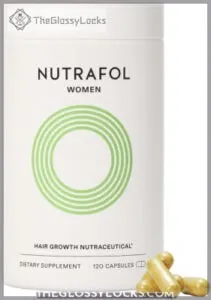
This powerhouse supplement addresses thinning hair at its roots, blending 21 vitamins, minerals, and botanicals like ashwagandha and marine collagen into one daily dose.
Nutrafol’s clinically tested formula targets six underlying causes—stress, hormones, nutrition—giving your follicles what they need to produce visibly thicker, stronger strands. You won’t see magic overnight; results usually show up around the three-to-six-month mark.
It’s pricey at $88 monthly, but dermatologists consistently recommend it because the science backs up what it promises.
| Best For | Women 18-44 dealing with thinning hair from stress, hormones, or nutritional gaps who want a science-backed supplement and don’t mind waiting a few months for results. |
|---|---|
| Price | $88.00 |
| Form | Capsule |
| Hair Types | All hair types |
| Key Ingredient | Ashwagandha |
| Clinically Proven | Yes |
| Application | Daily oral supplement |
| Additional Features |
|
- Targets six root causes of hair loss with 21 clinically tested ingredients
- Dermatologist-recommended formula that actually shows visible improvements in thickness and strength
- Works alongside other treatments if you’re already using topical solutions or medications
- Results take 3-6 months to show up, so you need patience and consistency
- At $88 per month, it’s a significant ongoing investment
- Some people experience stomach issues or don’t see results, especially if there’s an underlying medical condition
2. Vegamour Hair Growth Serum
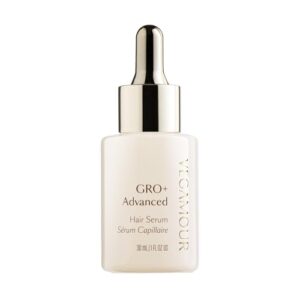
If you prefer plant-based solutions, Vegamour’s GRO Hair Serum might be your answer. This vegan formula uses caffeine, clover seed extract, and biotin to target thinning spots directly on your scalp, not just your strands.
Clinical trials show 93% improvement in density and up to 87% less shedding—impressive numbers for a serum free of silicones and fragrances. It absorbs quickly without greasiness, though at $78 a bottle, you’re paying premium prices for those plant actives to work their magic over 90 days.
| Best For | People looking for a vegan, plant-based hair growth solution who don’t mind investing in a premium product for clinically-backed results. |
|---|---|
| Price | $78.00 |
| Form | Serum |
| Hair Types | All hair types |
| Key Ingredient | GroActive+ Complex |
| Clinically Proven | Yes |
| Application | Topical scalp serum |
| Additional Features |
|
- Clinically proven with 93% improvement in hair density and up to 87% reduction in shedding
- Clean, vegan formula without silicones or fragrances that absorbs quickly without feeling greasy
- Works on all hair types and targets thinning at the root with plant-based actives
- Expensive at $78 per bottle, which may not feel worth it for everyone
- Results vary—some users don’t see noticeable changes even with consistent use
- Dropper design makes it hard to get the last bit of product out
3. Rogaine Minoxidil Hair Growth Foam
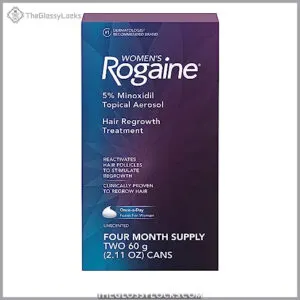
Minoxidil foam—the FDA’s only approved topical treatment for regrowing hair—delivers 5% minoxidil straight to your thinning spots twice daily. Rogaine’s unscented formula widens blood vessels around follicles, extending the growth phase so strands thicken up to 48% in clinical trials.
You’ll massage half a capful into your scalp, let it dry, then rinse your hands thoroughly to prevent unwanted fuzz elsewhere. Results show after several months of consistent use, though stopping means losing your hair gains.
| Best For | Women dealing with hereditary hair loss who want a clinically proven solution and don’t mind committing to daily applications for long-term results. |
|---|---|
| Price | $59.00 (4-month supply) |
| Form | Foam |
| Hair Types | Women with pattern hair loss |
| Key Ingredient | 5% Minoxidil |
| Clinically Proven | Yes |
| Application | Daily foam application |
| Additional Features |
|
- Clinically proven to regrow hair up to 48% thicker with FDA approval
- Unscented foam formula absorbs quickly without the mess of liquid versions
- Tricho-Prime technology conditions your scalp while treating thinning hair
- Requires twice-daily application forever—stop using it and you’ll lose your progress
- Can cause unwanted hair growth on your face or hands if you’re not careful with application
- Takes several months to see results and gets pricey for long-term use
4. Mielle Rosemary Mint Hair Oil
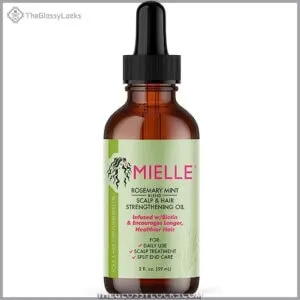
This award-winning oil blends biotin, rosemary, and mint to invigorate your scalp and support natural thickness. You’ll massage a few drops along your part lines before bed or as a pre-wash treatment, letting the nutrient-rich formula reduce flakiness while encouraging circulation to dormant follicles.
The dropper lets you target thinning spots—hairline, crown, even eyebrows—without greasy buildup if you stick to the recommended amount. Results vary by hair type, but consistent use alongside a solid routine gives your strands their best shot at healthier growth.
| Best For | Anyone dealing with thinning hair, dry scalp, or sluggish growth who wants a targeted oil that won’t weigh down their strands. |
|---|---|
| Price | $9.99 |
| Form | Oil |
| Hair Types | All hair types |
| Key Ingredient | Biotin |
| Clinically Proven | No |
| Application | Scalp and hair oil |
| Additional Features |
|
- Biotin and rosemary work together to stimulate circulation and support thicker, healthier hair over time
- Dropper design lets you apply directly to problem areas like the hairline, crown, or eyebrows without waste
- Works as a scalp treatment, pre-wash oil, or split-end serum for multiple uses in one bottle
- Easy to overapply and end up with greasy roots if you’re not careful with the amount
- Strong rosemary-mint scent might be overwhelming for people sensitive to fragrance
- Results take consistent use and won’t be the same for everyone depending on hair type and underlying causes of thinning
Scalp Care Practices for Faster Growth

Your scalp isn’t just along for the ride—it’s the foundation where every strand begins its journey. When you give it the right care, you’re setting the stage for stronger and faster growth from the root up.
Here are four scalp care practices that can help you take control and enhance your hair’s growth potential.
Regular Scalp Massage Techniques
Want healthier Hair? Scalp massage delivers real Massage Benefits through Scalp Stimulation that promotes Hair Growth. Use your fingertips with Gentle Pressure in small circular motions for four to ten minutes, three to four times weekly.
This Hair Care practice boosts circulation to each follicle, aids Stress Reduction, and distributes natural oils—simple moves that genuinely improve Scalp Health and overall Hair Health.
Maintaining a Healthy Scalp Environment
Balance is everything in scalp care—your hair follicles thrive in an environment with stable pH around 5 to 6. Support your Microbiome Care by choosing mild cleansers that preserve beneficial bacteria while removing excess debris.
Gentle Exfoliation clears dead cells without stripping natural oils, and proper Sebum Control prevents clogged follicles. Combine these steps with Scalp Massage to boost circulation, creating ideal conditions for hair growth and overall hair health.
Using Clarifying Shampoos Effectively
Think of clarifying shampoos as your scalp’s monthly reset button—they excel at Buildup Removal from styling products, hard water minerals, and chlorine that regular cleansers can’t tackle.
For ideal Clarifying Benefits and Scalp Detoxification, use them once weekly with Gentle Cleansing techniques, then follow with a rich conditioner. This Shampoo Frequency helps hair growth without stripping your scalp’s protective oils.
Essential Oils for Scalp Stimulation
Your scalp responds remarkably well to targeted essential oils—rosemary boosts follicle circulation, while peppermint creates that cooling rush of increased blood flow.
Mix these with jojoba as your carrier for effective Oil Blending that won’t weigh down strands.
Combine Scalp Massage with these Aromatherapy Benefits twice weekly to support Scalp Health and strengthen each Hair Follicle naturally.
Lifestyle Changes to Maximize Growth

Your daily habits shape your hair’s potential more than you might realize. Daily habits and factors like stress, sleep, movement, and how you style all work together to either support or sabotage hair growth.
Let’s look at four lifestyle shifts that can genuinely make a difference in how fast and healthy your hair grows.
Managing Stress and Cortisol Levels
Chronic stress floods your body with cortisol, a hormone that can shorten your hair’s growth phase and push follicles into early rest. Stress management for hair isn’t optional—it’s essential for hair growth.
Chronic stress floods your body with cortisol, shortening your hair’s growth phase and pushing follicles into early rest
Deep breathing, mindful meditation, and relaxation techniques lower cortisol reduction within minutes. Regular exercise and social support strengthen your stress resilience, directly supporting hair health and wellness through cortisol reduction.
Sleep’s Role in Hair Development
Your sleep patterns do more than restore energy—they drive hair follicles through their cycles. During restful nights, melatonin effects extend your growth phase while dropping cortisol lets follicles thrive.
Your circadian rhythms sync keratin production across your scalp, and deep sleep stages pump growth hormone straight to your roots. Aim for seven to nine hours nightly to fuel hair health and wellness from the inside out.
Exercise Benefits for Circulation
Moving your body isn’t just about fitness—it’s a power move for your hair follicles. Aerobic activity floods your scalp with oxygen-rich blood, supporting vascular health and nutrient delivery to every strand.
Here’s what consistent exercise modalities bring to hair growth and wellness:
- Brisk walks or cycling boost scalp care by improving circulation
- Strength training enhances blood flow to hair follicles
- Weekly routines maintain steady nutrient flux for hair health
Reducing Damage From Heat and Chemicals
Just as circulation fuels follicles, protecting strands from harsh treatments keeps growth on track.
Heat styling and chemical services weaken your cuticle fast—wait 48 hours between processing and heat tools, use thermal care sprays with silicone or keratin, and keep tools below 365°F.
These hair shielding moves slash breakage, preserve elasticity, and let your hair health thrive without setbacks.
Hair Care Habits That Support Growth

Your daily hair care routine has more power over your growth goals than you might think. The way you handle, style, and protect your strands can either create an environment where hair thrives, or quietly sabotage months of progress.
Let’s break down the habits that actually move the needle.
Protective Hairstyles and Growth
Protective styles can be your secret weapon for length retention when done right. Hairstyle selection matters—loose braids or twists with scalp access let you cleanse without constant manipulation.
Here’s how to make them work:
- Keep ends tucked to lock in moisture retention and shield strands from environmental damage
- Use gentle styling methods that distribute weight evenly, preventing traction at your hairline
- Moisturize your scalp regularly to maintain hydration and support healthy follicle function
These hair care tips preserve strand strength while you go about your life.
Proper Trimming Schedule
You don’t need constant haircuts to support hair growth, but you do need strategic ones. Trim your hair every 6 to 8 weeks to stop split ends from climbing upward and sabotaging your length goals.
This trim frequency aligns with growth cycles, removing just enough damage—around 1/8 to 1/4 inch—to keep strands strong without sacrificing progress.
Gentle Detangling Methods
Breakage from rough detangling sabotages length faster than split ends, so switch to gentle combing with a wide-tooth comb on damp hair.
Start at your ends and work upward in small sections, pausing when you hit resistance instead of yanking through.
Tangle removal with soft brushing and a leave-in conditioner creates slip, reducing hair breakage and supporting hair strengthening for better hair health and maintenance.
Using Heat Protectants and Conditioners
Thermal styling strips moisture fast, so spray a heat protectant with silicones like dimethicone on damp hair before blow-drying or curling. These products form a barrier up to 450 degrees, preventing damage that slows hair growth.
Pair that with a daily conditioner for slip during detangling, and you’ll cut breakage while supporting healthier hair care habits that protect your length.
Frequently Asked Questions (FAQs)
Can hair growth be sped up?
Yes, but only to your genetic ceiling—you can’t turn your follicles into miracle workers.
Smart nutrition, minoxidil, microneedling, and strategic hair growth products enhance what biology already permits, maximizing your natural rate.
Is it possible to speed up hair growth?
You can’t drastically speed up your follicles beyond their genetic blueprint, but smart hair growth strategies—nutrient uptake, scalp massage, and targeted supplements—improve growth patterns, boost hair thickness, and enhance your natural potential.
Why is my hair growing fast all of a sudden?
Sudden Growth happens when pregnancy hormones kick in, stress lifts and cortisol drops, or Hair Cycles shift more follicles into the anagen phase.
Hormonal Shifts and improved nutrition for hair growth often trigger these surprising Growth Spurts.
Can hair grow 2 inches in a month?
While some claim exceptional hair length increase overnight, the biological truth is clear: your follicles can’t defy their monthly growth rate of roughly half an inch, making 2 inches impossible.
Is it scientifically possible to make your hair grow faster?
You can’t override your genetic growth ceiling, but optimizing nutrition for hair growth, scalp massage, and hormone balance absolutely helps your hair follicles reach their maximum potential—usually around half an inch monthly.
Can scalp massage stimulate faster hair growth?
Yes, scalp massage can boost hair growth by increasing blood flow to hair follicles, delivering oxygen and nutrients while stretching follicle cells.
Consistent massage techniques over weeks show measurable improvements in thickness and hair health.
Do hair growth supplements actually work?
Hair growth supplements can help if you’re low on key nutrients like biotin, iron, or vitamin D, but they won’t magically speed up normal growth if your diet’s already balanced.
Is it possible to regrow hair naturally?
Absolutely—your follicles can restart growth patterns through natural remedies like follicle stimulation, nutritional supplements, and herbal treatments.
Regrowing hair naturally hinges on consistent scalp care, stress management, and supporting hair health management from within.
How does stress affect hair growth speed?
Chronic stress floods your system with cortisol, pushing more follicles into the telogen phase and slowing growth cycles.
Managing stress through sleep, exercise, and relaxation helps restore normal hair growth speed.
Can certain hairstyles promote faster hair growth?
Protective styles like braids, twists, and loose buns reduce breakage by minimizing daily manipulation, helping you retain length.
They shield ends from friction and environmental damage, supporting your hair’s natural growth patterns across different hair textures.
Conclusion
Think of your hair like a garden—you can’t force a seed to sprout faster, but you can enrich the soil, water consistently, and pull the weeds choking growth.
The truth about whether hair growth can be accelerated isn’t found in miracle bottles, it’s in the daily choices you make. Address your nutritional gaps, protect your scalp, ditch damaging habits, and watch your hair finally reach the potential it’s been capable of all along.