This site is supported by our readers. We may earn a commission, at no cost to you, if you purchase through links. This content is for general informational and educational purposes only and is not a substitute for professional medical, dermatological, or nutritional advice.

Your hair grows about half an inch a month, whether you like it or not. That rate is written into your follicles, and no shampoo will rewrite it. But here’s what you can control: the conditions around each strand, from scalp circulation to protein intake to how hard you yank a ponytail.
If you’re navigating a longer transformation, this guide to growing out gray hair breaks down what to realistically expect across those 18–36 months.
Most hair loss people notice isn’t slow growth at all. It’s breakage outpacing growth, snapping ends faster than new length can show up.
Get the biology right and you’ll see less shedding in your brush and more length by your shoulders. That starts with how to stimulate hair growth faster at the root, literally.
Table Of Contents
- Key Takeaways
- Stimulate Hair Growth Through Scalp Care
- Eat Nutrients That Support Hair Growth
- Build a Growth-Focused Hair Routine
- Prevent Breakage to Retain Length
- Treat Issues Slowing Hair Growth
- Frequently Asked Questions (FAQs)
- Can hair grow 2 inches in a month?
- What are the big 3 for hair regrowth?
- What triggers hair follicles to grow?
- What to drink to grow hair?
- What causes hair loss?
- What stimulates natural hair growth?
- Can I use natural hair regrowth methods with other treatments?
- How do I make my hair grow faster naturally?
- Can I grow 6 inches of hair in 6 months?
- Can you stimulate faster hair growth?
- Conclusion
Key Takeaways
- Most hair loss isn’t slow growth at all, it’s breakage outpacing your natural rate of about half an inch a month, so protecting length matters as much as growing it.
- Daily habits like 4-minute scalp massages, diluted rosemary oil, and switching to a silk pillowcase (which cuts friction up to 70%) all support healthier follicles.
- A protein-rich diet with enough iron, zinc, omega-3s, and vitamin D fuels growth from the inside, but you should confirm actual deficiencies with bloodwork before supplementing.
- Simple protective steps, like limiting heat styling, avoiding tight hairstyles, and trimming split ends every 8-12 weeks, prevent the breakage that steals back your hard-won length.
Stimulate Hair Growth Through Scalp Care
Your scalp is where hair growth actually starts, so it deserves the first spot on your list. A few small habits here can wake up sluggish follicles and set the stage for everything else you do. Here’s where to focus your attention.
Just a few minutes of daily massage can stimulate blood flow to the roots, and pairing it with other proven ways to improve hair follicle health helps your scalp truly thrive.
Know Normal Hair Growth Rates

Your hair grows about 0.3 to 0.5 mm daily, roughly a centimeter monthly. Rate depends on age, ethnicity, season, and health: Asian hair often grows fastest, African hair slowest, and everyone slows after 30. Thyroid issues or iron deficiency can stall growth below 0.2 mm daily. Knowing your baseline helps you spot real problems early.
Massage Your Scalp Daily
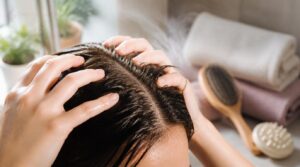
Once you know your baseline growth rate, the next move is boosting it. Scalp massage increases circulation to hair follicles daily in just 4 minutes.
Pairing your massage routine with a clear grasp of how long it takes to grow dreads helps you set realistic expectations as sections begin locking unevenly.
Use finger pads, not nails, in circular motions, front to back.
- Morning: 4 minutes before showering
- Evening: 4 minutes before bed
- Use light, consistent pressure
- Try a scalp massager tool
Research indicates scalp massage may stimulate hair follicles located beneath the scalp skin hair follicles stimulation
Use Diluted Essential Oils
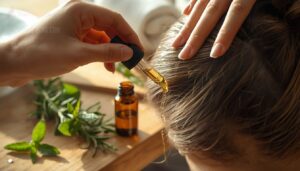
Pair that massage with the right oils and you’ll get even more out of it. Mix rosemary or peppermint with a carrier like jojoba or sweet almond oil, at a 2% dilution, roughly 12 drops per ounce. Massage in for two minutes, leave on 30 minutes, then rinse. Always patch test on your forearm 24 hours first.
Maintain a Clean Scalp
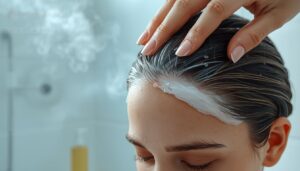
A clean follicle grows hair better than a clogged one, so oil buildup can quietly stall your progress. Wash 2-3 times weekly with a pH balanced (4.5-5.5) sulfate-free formula to protect your scalp microbiome.
Add weekly scalp exfoliation with soft silicone bristles, boosting circulation roughly 15%. Skip daily washing and harsh scrubbing, gentle cleansing prevents dryness while stopping product buildup before it starts.
Treat Irritation and Dandruff
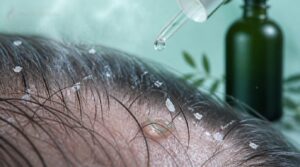
An itchy, flaky scalp can quietly choke off growth, so tackle it fast with:
- Antifungal shampoo (ketoconazole 2%) twice weekly
- Tea tree oil diluted in jojoba oil daily
- Zinc pyrithione formulas for ongoing flare control
These calm the anti-inflammatory response, ease itching within days, and let follicles focus on growing instead of defending. Pair with zinc and biotin intake for backup support.
Eat Nutrients That Support Hair Growth

Your hair follicles are living tissue, and like any tissue, they need the right building blocks to work well. What you eat shows up in your strands weeks later, so your plate matters as much as your scalp routine. Here’s what to focus on first.
Prioritize Protein-Rich Foods
Hair is basically pure protein, so skimping on it slows growth fast. Aim for 0.36 grams per pound of body weight daily, spread across meals for steady amino acid supply.
If your levels are low despite eating enough protein, it’s worth exploring other common causes of hair breakage and thinning, since nutrient gaps like vitamin D deficiency can quietly stall growth too.
Try eggs, fish, poultry, tofu, or edamame (9g per half cup). Soy even delivers all essential amino acids, fueling keratin production and stronger follicle nourishment.
Get Enough Iron and Zinc
Two minerals get overlooked constantly: iron and zinc. Low iron limits oxygen delivery to follicles, while zinc deficiency disrupts protein synthesis needed for keratin.
- Red meat, poultry, shellfish
- Spinach, beans, fortified cereals
- Pair with vitamin C (citrus, berries) for absorption
- Limit tea/coffee near iron-rich meals
Watch for fatigue or shedding. Confirmed deficiency? Ask your doctor before supplementing.
Include Omega-3 Fatty Acids
Fish oil isn’t just a heart-health thing, it feeds your follicles too.
Aim for 1,000-2,000 mg of EPA and DHA daily from wild salmon, walnuts, or chia seeds.
DHA strengthens follicle cell membranes, while EPA calms scalp inflammation.
Split doses with meals containing healthy fats to boost absorption, and stick with it for at least 8 weeks before judging results.
Check Vitamin D Levels
Thinning hair can be a vitamin D red flag your body is waving at you.
A simple blood test measures 25-hydroxyvitamin D, with 30 to 100 ng/mL considered sufficient. Below 20 signals deficiency, often paired with fatigue or scalp dryness. Get tested yearly, ideally in late fall, since low levels can stall your hair growth cycle before you notice shedding.
Supplement Only Confirmed Deficiencies
More vitamins won’t fix a problem you don’t actually have. Test for nutrient deficiencies first: confirm serum levels for iron and zinc, B12, and vitamin A before buying anything.
- Ferritin under 30 ng/mL
- Zinc under 70 mcg/dL
- B12 under 200 pg/mL
- Retinol under 20 mcg/dL
Avoid unnecessary supplements, monitor your response over 8-12 weeks, and consult your healthcare provider about proper dosing and nutrient absorption.
Build a Growth-Focused Hair Routine

Your daily habits matter just as much as what’s on your plate. The way you wash, dry, and handle your hair either helps growth or quietly works against it. Here’s how to build a routine that keeps your strands strong from root to tip.
If digestive discomfort like bloating or heartburn has you scaling back on certain foods, try natural enzyme treatments you can make at home to keep nutrient absorption—and your hair growth—on track.
Choose a Suitable Wash Schedule
Your hair type sets the pace. Fine or oily strands often need daily washing, while thick or curly hair thrives on every 2-3 days. Wash after workouts to clear sweat.
If silicone-heavy products are part of your routine, understanding how Pantene’s silicone formula affects hair health can help you decide when a clarifying wash is overdue.
Use warm water, then a cold final rinse for shine. Match shampoo to schedule, and adjust with seasons since summer humidity demands more frequent washing.
Condition Hair After Washing
Once your wash schedule is set, follow with conditioner every time. Apply from mid-lengths to ends, not the scalp, to avoid buildup. Leave it on for 1-5 minutes for real cuticle sealing.
- Rinse with lukewarm water until slip disappears
- Skip roots if you’re oil-prone
- Blot, don’t rub, when towel-drying
Try a weekly hair mask for extra hydration.
Detangle According to Hair Type
Once conditioner’s rinsed out, grab a wide-tooth comb, not a brush. Curly hair? Detangle in small sections, ends first, working up. Coily hair needs the same sectioning, just slower. Wavy hair does best in the shower, still coated in conditioner.
Straight hair only needs a fine-tooth comb, roots to ends, once daily. Fine hair prefers a vented brush, damp, gentle strokes.
Protect Textured and Black Hair
Coily and tightly curled strands shrink more and shed less oil down the shaft, so protective styles matter. Keep braids loose, no more than 0.5 inch of stretch, and cap sessions at 8 braids to spread tension evenly. Re-braid every 4-6 weeks, and dab a light oil on your scalp first to cut friction.
Sleep on Satin or Silk
Cotton pillowcases tug at strands all night, cutting friction by up to 70% when you switch to satin or silk. That means less breakage, better moisture retention, and no static flyaways come morning.
Silk also regulates temperature, keeping your scalp cooler and more comfortable.
Pair this swap with gentle brushing and protective hairstyles for real growth gains.
Prevent Breakage to Retain Length
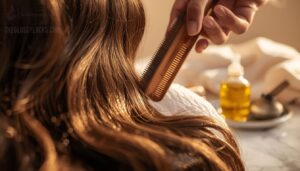
Growth only counts if you keep it, and breakage is what steals length right back. Most damage comes from everyday habits, not bad luck. Here’s what to watch and fix first.
Limit Heat Styling
Every time you press hot metal to your strands, you’re weakening the protein bonds that hold hair together.
Set your flat iron below 350°F, use ceramic tools for even heat, and take two heat-free days weekly.
Air dry when you can.
Your hair will thank you with less shedding and more shine.
Apply Heat Protectant
Skipping heat protectant is like skipping sunscreen before a beach day, your strands take the hit. Apply before styling on damp or dry hair per label directions, section for even coverage, and use light spray formulas for finer hair.
- Choose creams for thick, dry hair
- Hold sprays several inches away
- Reapply between heat steps
- Comb through for full coverage
- Avoid oversaturating strands
This protects hair from heat and helps prevent breakage.
Avoid Tight Hairstyles
That snug ponytail feels neat, but it’s quietly stressing your follicles. Bands under 10 mmHg pressure are safer; standard elastics hit 15 mmHg.
| Style Choice | Effect on Scalp |
|---|---|
| Tight ponytail | Reduced blood flow |
| Loose braid | Even tension |
| Silk scrunchie | Gentle glide |
| Wide headband | No compression |
Try loose braids or satin scrunchies, and give your scalp regular tension relief.
Reduce Chemical Processing
Bleach, perms, and relaxers weaken hair fast if you don’t space treatments out.
- Wait 6-8 weeks between services
- Apply a keratin pretreatment first
- Patch test new dyes
Choose gentle dyes: ammonia-free formulas (pH 5.5-6.5) cause less irritation. Opt for natural colorants like henna when possible. Monitor breakage closely, and avoid overwashing during recovery weeks to protect strands.
Trim Damaged Split Ends
Split ends don’t heal, they just travel up the shaft and weaken it further.
Split ends never heal, they just creep up the shaft and weaken hair further
Trim Frequency Tips: every 8-12 weeks, sooner if hair feels rough or breaks easily.
Ask your stylist about Cutting Technique Guide basics, dry cuts at a 45-degree angle, and proper Tool Selection Advice.
Follow Post Trim Care: protein serum within 24 hours, no heat for 48.
Treat Issues Slowing Hair Growth

Sometimes good habits alone won’t cut it, and something deeper is holding your hair back. Things like stress, hidden deficiencies, or hormonal shifts can slow growth even when your routine is solid. Here’s how to spot the real problem and know when it’s time to get help.
Manage Stress and Sleep
Your body treats chronic stress like an alarm that never shuts off, and that constant alert state disrupts your hair growth cycle.
Try daily stress management: deep breathing, journaling, or a steady bedtime routine.
- Dim lights an hour before bed
- Keep a consistent sleep schedule
- Try slow, controlled breathing
- Journal to offload worries
- Keep your room cool and dark
Track Excessive Hair Shedding
Good sleep and calm nerves help, but you still need proof things are improving. That’s where a daily shedding log comes in: count drain hairs each morning, compare to the 50-100 baseline, and flag spikes above 150.
Watch for seasonal shedding patterns each autumn, and hit 200+ for two weeks straight, it’s time for professional consultation.
Test for Nutrient Deficiencies
If your shedding log keeps climbing, a nutrient panel can explain why. Ask for iron (ferritin), vitamin D, and B12/folate testing before adding supplements.
- Fatigue paired with hair loss? Check ferritin.
- Low vitamin D limits follicle support.
- B12/folate gaps show up in blood counts.
- Skip guessing, testing guides real treatment.
Ask About Topical Minoxidil
Bloodwork clear but shedding still high? Ask your dermatologist about topical minoxidil, a proven hair follicle stimulator. Apply 1 mL solution or half a capful of foam daily to a dry scalp, then wait several hours before rinsing.
Results take months, and shedding may rise briefly first. Pair it with scalp massages, and ask whether a DHT blocker fits your case too.
See a Dermatologist Early
Don’t wait until the mirror worries you. Early signs like patchy loss, sudden shedding, or a widening part deserve a dermatologist’s eye right away, especially with family history or hormonal changes at play.
Bring up:
- Hair thinning prevention options
- Hair growth serum recommendations
- Scalp health checkups
- Follicle-focused treatment plans
Catching trouble early protects hair follicles before damage becomes permanent.
Frequently Asked Questions (FAQs)
Can hair grow 2 inches in a month?
No, that’s a myth. Natural growth tops out near 2 cm monthly, even with genetics on your side. Scalp massage, protein-rich meals, and follicle nourishment help, but a 2-inch month isn’t biologically realistic without medical treatment options like minoxidil.
What are the big 3 for hair regrowth?
Most dermatologists point to scalp stimulation, a protein-rich diet, and topical minoxidil as the big three. Scalp massage boosts circulation, nutrients rebuild keratin, and minoxidil directly targets follicles, together covering growth from the inside and out.
What triggers hair follicles to grow?
Your follicles switch on when anagen phase activation kicks in, driven by growth factor signals, hormonal shifts, and steady nutrient availability.
Better scalp circulation, lower stress response, and good follicle nourishment all support protein synthesis in hair and longer growth phases.
What to drink to grow hair?
Milk or soy milk gives you protein for keratin, fortified juice adds iron and zinc, and water keeps your scalp hydrated. Round it out with omega-3 drinks like flaxseed blends and vitamin D fortified milk for balanced nutrient intake.
What causes hair loss?
Think of hair loss like a plant wilting from the roots up. Hormonal imbalances, nutritional deficiencies, autoimmune disorders, medication side effects, and environmental stress all disrupt scalp circulation and trigger inflammatory responses that weaken follicle stimulation.
What stimulates natural hair growth?
Daily scalp massage boosts circulation and follicle stimulation, while diluted essential oils like rosemary help too. Pair that with a balanced diet rich in protein, iron, zinc, omega-3s, and key hair growth vitamins for real results.
Can I use natural hair regrowth methods with other treatments?
Mixing methods isn’t a mixed blessing, it’s smart strategy. Combining natural oils with minoxidil, rosemary especially, boosts scalp blood flow further. Pair scalp massage with topical treatments or ask your dermatologist about layering supplements safely for better results.
How do I make my hair grow faster naturally?
Combine scalp massage with diluted essential oils like rosemary, eat a protein-rich diet, stay hydrated, practice gentle handling on wet hair, get regular trims, and lower stress.
These habits work together to support natural, steady growth.
Can I grow 6 inches of hair in 6 months?
Six inches, six months, big goal. Realistically, no. Average growth rate sits at 3 to 5 inches monthly, so most people gain 2 to 3 inches. Genetics can push it to 75 inches, still short of that mark.
Can you stimulate faster hair growth?
Yes, to a degree. Daily scalp massage boosts circulation and hair follicle stimulation, while a protein-rich diet plus iron and zinc nourishes follicles. Gentle handling and diluted essential oils help too, though biology still sets your natural growth pace.
Conclusion
Think of your scalp as soil, and every strand as a seedling waiting for the right conditions to thrive. That’s how to stimulate hair growth faster, really: feed the roots, ease the tension, calm the inflammation.
Skip the miracle serums. Massage two minutes daily, eat enough protein and iron, and protect your ends from heat and friction. Give it 12 weeks. Your follicles won’t rush, but they’ll reward patience with visible, lasting length.