This site is supported by our readers. We may earn a commission, at no cost to you, if you purchase through links. This content is for general informational and educational purposes only and is not a substitute for professional medical, dermatological, or nutritional advice.

Roughly 50% of women experience noticeable hair loss by age 50—yet most don’t seek help until they’ve already lost significant density. That gap matters, because the earlier you identify what’s driving the shedding, the more treatment options remain available to you.
Natural remedies like ginger have gained attention too, and this guide on whether ginger helps with hair loss breaks down what the research actually shows.
Hair loss in women rarely has a single cause. It can trace back to a surge in DHT after childbirth, an undetected thyroid disorder, a medication you started months ago, or a genetic sensitivity your mother passed down.
Understanding which mechanism is at work changes everything about how you address it.
Table Of Contents
- Key Takeaways
- What Causes Hair Loss in Females?
- The Hair Growth Cycle Explained
- Types of Female Hair Loss to Know
- Signs You Are Losing Too Much Hair
- How to Stop Female Hair Loss
- Frequently Asked Questions (FAQs)
- How common is hair loss in women?
- What causes hair loss in women?
- What causes baldness in women?
- What is female pattern hair loss?
- Is hair loss a male or female problem?
- What causes hair loss & pattern baldness?
- What is the solution for hair loss?
- Why is my hair thinning on the sides female?
- How to tell if hair loss is stress related?
- How can I stop my hair falling out as a female?
- Conclusion
Key Takeaways
- Female hair loss is rarely caused by a single factor — hormones, genetics, medications, and nutritional deficiencies often work together to disrupt the hair growth cycle.
- DHT is the primary hormonal driver, shrinking follicles over time, but thyroid disorders, PCOS, and iron deficiency can trigger equally significant shedding.
- The type of hair loss you have — whether pattern thinning, sudden patches, or stress-related shedding — determines the right treatment, so an accurate diagnosis matters more than early guessing.
- Early intervention keeps more options open; treatments like minoxidil, spironolactone, and nutrient correction work best before significant density is already lost.
What Causes Hair Loss in Females?

Hair loss in women rarely has a single cause — it’s usually one piece of a bigger puzzle. Several factors can work alone or together to disrupt the hair growth cycle. Here are the main ones worth understanding.
Understanding how these factors interact is key — this guide on female hair loss prevention strategies breaks down the full picture clearly.
Hormonal Imbalances and DHT
Hormones are often the hidden culprit behind female hair loss. When androgens like DHT rise — through PCOS, postpartum shifts, or natural hormonal changes — they bind to androgen receptors in your follicles and shrink them over time. Key hormonal triggers include:
- DHT conversion pathway overstimulating sensitive follicles
- Elevated androgens from PCOS driving androgenetic alopecia
- Postpartum DHT surges causing sudden shedding months after delivery
Excess DHT leads to the follicle miniaturization process, which progressively thins hair.
Genetic Predisposition
Your genes quietly set the stage long before thinning becomes visible. Female pattern hair loss runs in families — having a first-degree relative with it raises your personal risk considerably.
Through multifactorial inheritance, multiple genes combine to make your follicles hypersensitive to normal hormonal signals, gradually triggering hair follicle miniaturization and progressively finer, shorter strands across the crown and part line.
Medical Conditions and Systemic Illness
Your genes aren’t always the only factor. Sometimes, your body’s own systems quietly disrupt the hair cycle from within.
Thyroid dysfunction — both underactive and overactive — causes diffuse thinning across the scalp. Polycystic ovary syndrome raises androgen levels, and roughly 42% of affected women develop noticeable hair loss. Iron-deficiency anemia, autoimmune conditions like alopecia areata, chronic inflammation, and poorly controlled diabetes can all trigger significant shedding.
Medications That Trigger Shedding
Sometimes, the medication meant to help you can quietly work against your hair.
Antidepressant shedding — particularly from SSRIs like sertraline or fluoxetine — often follows a telogen effluvium pattern, commonly appearing 8 to 9 weeks after starting treatment.
Anticonvulsants like valproic acid affect up to 10% of users. Blood thinners, retinoids, and hormonal medications carry similar risks.
Styling and Mechanical Damage
Not all hair loss starts inside the body. Sometimes, your daily routine is the culprit.
Tight hairstyles — braids, cornrows, high ponytails — place constant tension on follicles, especially along the hairline. Over time, this causes traction alopecia, a progressive loss that can become permanent.
Heat styling damage and chemical treatments weaken the shaft, causing breakage that mimics thinning. Brushing wet hair aggressively makes it worse.
The Hair Growth Cycle Explained
Your hair doesn’t grow in a straight line — it moves through a cycle, and that cycle determines everything. When something disrupts it, shedding follows. Here’s what each phase actually does.
Anagen Phase (Active Growth)
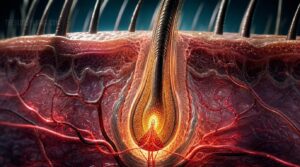
Think of the anagen phase as the foundation your hair stands on. This is the active growth stage, where follicle cells divide rapidly, building new strands from the inside out. Keratin production accelerates here, and a rich blood supply delivers the oxygen and nutrients your follicles need.
When DHT disrupts this process, follicles shrink and strands weaken—understanding why hair grows so fast during the anagen phase helps explain why protecting this stage matters so much.
Key facts worth knowing:
- Anagen duration usually spans 2–6 years per follicle
- Around 85–90% of scalp hairs are in anagen at any given time
- Cell division rate directly determines strand thickness and density
- A shortened anagen phase is a core driver of female pattern baldness
When anagen is disrupted — whether by androgenetic alopecia, nutritional gaps, or sudden illness — fewer follicles stay in active growth. That’s when visible thinning begins.
Catagen Phase (Transition)
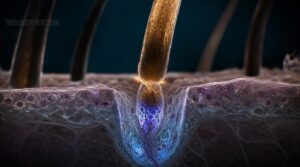
After anagen ends, your hair follicles don’t stop immediately — they shift first. This is the catagen phase, a brief but essential pause in the hair growth cycle lasting just 2–3 weeks.
During catagen, the lower follicle shrinks through apoptosis — programmed cell death — cutting off blood supply and triggering club hair formation, where the strand detaches from its nutrient source before resting begins.
| What Happens | Why It Matters | Duration |
|---|---|---|
| Follicle regression | Shrinks the lower follicle | 2–3 weeks |
| Blood supply detachment | Reduces nutrient delivery | Mid-catagen |
| Club hair formation | Anchors hair before shedding | End of catagen |
Only about 5% of follicles are in catagen at any time. But hormonal imbalance or female pattern baldness can push more follicles into this shutdown phase prematurely.
Telogen Phase and Shedding

After catagen ends, your follicles enter the telogen resting period — a quiet phase lasting 2–4 months where no new growth occurs. About 15% of your follicles rest here at any time. Once those resting hairs shed, you can track how well the cycle is resetting by checking the key signs of a healthy hair growth cycle, like steady regrowth and balanced shedding.
When stress or hormonal imbalance forces more follicles into telogen simultaneously, the follicle shift mechanism triggers noticeable shedding roughly 2–3 months later — the classic shedding delay period of telogen effluvium.
How Cycle Disruption Causes Thinning

When the hair growth cycle falls out of rhythm, the effects compound quietly.
Premature telogen entry pushes follicles into rest too soon, while follicle synchronization means many shed at once.
Over repeated cycles, anagen shortening effects and the miniaturization process produce finer, thinner strands.
Reduced regrowth speed then widens the gap between shedding and recovery, making thinning increasingly visible.
Types of Female Hair Loss to Know
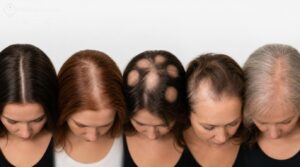
Not all hair loss looks the same, and that distinction actually matters for how you treat it. The type you’re dealing with shapes everything — from the cause to the solution. Here are the five most common forms of female hair loss you should know.
Androgenetic Alopecia (Female Pattern)
For many women, female pattern hair loss sneaks up gradually — not as sudden shedding, but as slow, quiet thinning across the crown.
This is androgenetic alopecia, and it’s the most common cause of patterned hair loss in adult women.
Here’s what makes it distinct:
- DHT-driven follicle miniaturization shrinks thick terminal hairs into finer, shorter strands over time.
- Thinning follows a central scalp pattern, often resembling a Christmas tree along your midline part — while your frontal hairline stays mostly intact.
- Trichoscopy signs like hair diameter diversity and peripilar markings help dermatologists confirm the diagnosis early.
Androgens — especially DHT — bind to receptors in genetically susceptible follicles, triggering this miniaturization. Not every woman has elevated androgen levels, but the follicles respond as if they do.
For those looking to address this sensitivity naturally, a pumpkin seed oil hair growth routine may offer gentle support alongside standard treatments.
Understanding how the hair growth cycle drives follicle sensitivity and shedding helps explain why this miniaturization process can accelerate even without measurable hormonal changes.
Age-related progression is typical; density gradually decreases over years, particularly across the frontal-parietal zone. Treatments like DHT blockers and antiandrogens work by interrupting this hormonal signal before more follicles are affected.
Telogen Effluvium
Unlike androgenetic alopecia, telogen effluvium isn’t about follicle damage — it’s about timing. A shock to your system pushes a large number of follicles into the resting (telogen) phase all at once. Two to three months later, the shedding begins.
Common triggers include acute physical stress, postpartum hormonal shifts, thyroid disorders, nutritional deficiencies like low ferritin, and certain medications. The good news: it’s usually self-limiting, resolving within 6–9 months once the trigger is addressed.
| Trigger Type | Example | Typical Onset |
|---|---|---|
| Acute Stress Trigger | Surgery, high fever, severe illness | 2–3 months after event |
| Postpartum Telogen | Hormonal drop after delivery | 4–6 months postpartum |
| Nutritional Deficiency | Low iron, ferritin below 30 ng/mL | Variable, often gradual |
| Medication Side Effect | Beta-blockers, anticoagulants | Weeks to months after starting |
Alopecia Areata
Telogen effluvium is usually temporary. Alopecia areata is a different story — and understanding the difference matters.
Alopecia areata is an autoimmune disease where your immune system mistakenly attacks your own hair follicles. Specifically, it causes a collapse of immune privilege — the natural protection that keeps follicles from being targeted. The result is inflammation concentrated around actively growing follicles.
Here’s what makes it recognizable:
- Circular patches of sudden, smooth hair loss on the scalp
- Possible loss of eyebrow, eyelash, or body hair
- Nail changes like pitting or ridging in some cases
- Unpredictable remission patterns — hair can regrow, then shed again
Diagnosis often involves trichoscopy, a non-invasive scalp imaging technique. Treatment ranges from immunosuppressive therapy to newer JAK inhibitor therapy, which has shown strong results for moderate-to-severe cases.
Traction Alopecia
While alopecia areata stems from internal immune dysfunction, traction alopecia comes entirely from the outside — specifically, the repeated mechanical stress of tension hairstyles like tight ponytails, braids, cornrows, or hair extensions. Over time, sustained pulling damages hair follicles along the frontal hairline and temples, causing hairline recession and scalp tenderness.
Early signs include scalp tenderness and small broken hairs near the hairline. Caught early, switching to looser styles reverses the damage. Left untreated, it can scar permanently.
Anagen Effluvium
Traction alopecia damages follicles through external force — anagen effluvium works differently. It strikes from the inside, causing acute follicle injury during the active growth phase itself.
Three common triggers include:
- Chemotherapy-induced shedding
- Heavy metal toxicity
- Protein deficiency impact
A rarer inherited form, loose anagen syndrome, causes hairs to detach painlessly without any toxic cause.
Signs You Are Losing Too Much Hair

Losing some hair every day is normal, but there’s a point where "normal" stops applying. Your body often sends clear signals before significant thinning becomes hard to reverse. Here are the key signs worth paying attention to.
Excessive Daily Shedding
Most people lose between 50 and 100 strands daily — that’s normal. But when your drain looks like a small animal after every shower, something may be off.
| Trigger | Shedding Type | Timeline |
|---|---|---|
| Stress | Stress-induced shedding | 2–3 months after event |
| Illness/fever | Post-illness shedding | 2–4 months after recovery |
| Nutrient deficiency | Nutrient deficiency shedding | Gradual, ongoing |
| Postpartum shifts | Postpartum hair loss | 4–6 months after delivery |
| Scalp inflammation | Scalp inflammation shedding | During active flare |
Exceeding 100 strands per day consistently — or up to 250 on wash days — signals possible telogen effluvium. Triggers include stress, low iron, or recent illness disrupting your hair’s natural cycle.
Visible Thinning at The Crown
Crown thinning often shows up quietly. You might notice your part line widening gradually — more scalp visible where there used to be coverage. Under bright overhead light, that contrast sharpens.
The hair whorl area is usually first affected, as miniaturized follicles produce finer, shorter strands.
This is a hallmark of female pattern hair loss, driven by hormonal changes shortening the anagen phase.
Bald Patches or Spots
Some types of hair loss don’t thin gradually — they erase patches entirely.
Alopecia areata is the most common cause of sudden, round or oval bald spots, leaving skin that looks smooth and unscarred.
You might also notice exclamation point hairs at patch edges, or black dots from broken shafts sitting in follicular ostia.
Scaly, red patches point toward scalp infection instead.
Receding Hairline
A receding hairline in women is often mistaken for normal aging — but it can signal androgenetic alopecia in progress. Temple recession commonly appears first, gradually creating a subtle M-shaped pattern.
DHT-driven hair follicle miniaturization replaces thick strands with finer ones, reducing frontal thinning coverage over time. Recognizing these early progression stages matters, especially with a genetic predisposition to alopecia.
Scalp Irritation or Infection
Scalp irritation isn’t just uncomfortable — it can quietly damage follicles over time.
Contact dermatitis from dyes or fragrances causes redness and burning. Fungal infections like tinea capitis produce scaly, itchy patches with broken hairs. Bacterial folliculitis appears as tender pustules around follicles.
Conditions like scalp psoriasis and scarring alopecia drive deeper inflammation that may permanently impair regrowth if left untreated.
How to Stop Female Hair Loss

The good news is that most causes of female hair loss can be treated — and many can be fully reversed. What works depends on what’s driving the loss in the first place. Here are the key steps that actually make a difference.
Correcting Nutritional Deficiencies
Think of your hair as a mirror — when something’s missing inside, it shows up top. Nutritional deficiencies are a surprisingly common and reversible cause of shedding. Iron deficiency is the most frequent culprit. When ferritin drops below 30 ng/mL, follicles don’t get enough oxygen to stay in the growth phase. Eating iron-rich foods like red meat helps, and pairing plant sources with vitamin C improves absorption greatly.
Your hair mirrors your health — when iron and nutrients run low, the first place it shows is on top
Zinc intake, protein diet, and B12 folate levels matter too. Hair is mostly keratin, so without enough protein or amino acids, new growth simply stalls. Vitamin D deficiency also disrupts follicle signaling — take it with a fatty meal for better absorption.
Hormonal and Medical Treatments
When nutrition isn’t the root cause, hormones often are. Spironolactone blocks androgens from attacking follicles, while finasteride and dutasteride reduce DHT directly.
For menopausal women, estrogen therapy may help stabilize thinning.
If thyroid levels are off, levothyroxine can restore the hair cycle. Topical minoxidil remains a reliable first-line option across most causes.
Safer Hairstyling Habits
Your styling habits can either protect your follicles or quietly work against them. Tight ponytails and braids create chronic tension at the hairline, which over time leads to traction alopecia. Loosening your styles — even slightly — reduces that pulling force noticeably.
If you have layered hair that tends to slip loose from braids, adding a bit of texture first makes a real difference — this guide to braiding layered hair walks through the technique.
Before using any heat tool, apply a heat protectant evenly and always work on fully dry hair. Move the iron smoothly rather than holding it on one section. Detangle gently from ends upward using a wide-tooth comb, never a fine brush on wet hair.
When to See a Dermatologist
Good styling habits can only take you so far. Sometimes the scalp itself is sending signals that need a trained eye.
If you notice unexplained hair shedding that starts suddenly, new bald patches, or an inflammatory scalp condition that won’t calm down, it’s time to book a dermatology evaluation rather than wait.
Frequently Asked Questions (FAQs)
How common is hair loss in women?
Hair loss in women isn’t rare — it’s practically the norm. Over 50% of women experience noticeable thinning in their lifetime, and by age 80, that figure climbs to roughly 80%.
If thinning has you looking for gentle, nourishing care, these hair masks for thin hair can help restore softness, shine, and moisture to fragile strands.
What causes hair loss in women?
Several things can trigger it — female hormonal changes, iron deficiency, stress, medications, autoimmune responses, and genetics. Often, more than one factor is involved at the same time.
What causes baldness in women?
Baldness in women usually traces back to hormonal shifts, genetics, or physical stress on the scalp. An estrogen drop, PCOS, or androgenetic alopecia can quietly shrink follicles over time.
What is female pattern hair loss?
Female pattern hair loss, or androgenetic alopecia, is the most common type of hair thinning in women. It develops gradually, driven by DHT-related follicle miniaturization and genetics, with the center part usually widening first.
Because hormone shifts around menopause, pregnancy, or thyroid problems can speed up thinning, it helps to understand how hormonal imbalance causes hair loss in women.
Is hair loss a male or female problem?
Hair loss is often called a "man’s problem" — but that’s a myth. More than 55% of women experience it too, driven by DHT sensitivity, genetics, menopause, PCOS, and hormonal hair thinning.
What causes hair loss & pattern baldness?
Both genetics and hormones drive most cases. DHT shrinks follicles over time, while stress, iron deficiency, and conditions like alopecia areata or androgenetic alopecia disrupt the cycle and accelerate shedding.
What is the solution for hair loss?
The right solution depends on the cause. Topical minoxidil (Rogaine) is the most common first step. Options like PRP, low-level laser therapy, spironolactone, and hair transplant surgery offer additional paths forward.
Why is my hair thinning on the sides female?
Thinning on the sides often signals scalp hormone sensitivity, where follicles respond to androgens by shrinking. Telogen effluvium from stress, iron deficiency, or postpartum shedding can also make side thinning more noticeable.
How to tell if hair loss is stress related?
Stress-related hair loss has a telltale sign: diffuse shedding that starts 2–3 months after a trigger. Look for widespread thinning, white-bulbed shed hairs, and a positive hair pull test.
How can I stop my hair falling out as a female?
Stopping hair loss starts with understanding what’s driving it. Addressing telogen effluvium, female pattern hair loss, hormonal imbalances, and deficiencies early — through a targeted supplement regimen, stress management, and treatments like minoxidil or spironolactone — makes a real difference.
Conclusion
The sooner you act, the more options you keep open. The causes of hair loss in females are rarely random—they follow patterns your body has been signaling long before the mirror confirms it. A dermatologist can trace those signals back to their source.
Hormones, genetics, nutrition, medication—each has a targeted solution. Don’t wait until thinning becomes significant.
Early intervention is what separates temporary shedding from long-term loss. Your hair can recover, but timing matters.