This site is supported by our readers. We may earn a commission, at no cost to you, if you purchase through links. This content is for general informational and educational purposes only and is not a substitute for professional medical, dermatological, or nutritional advice.
Natural hair drinks moisture like a sponge—and loses it the same way. The tightly coiled structure of textured strands means each bend and curve creates a gap where water escapes faster than straight hair ever experiences.
Most people respond by adding more product—when the real fix is understanding why moisture disappears in the first place.
Your hair’s porosity—how open or closed its cuticles are—controls everything: what gets in, what stays, and what walks right out. Get that piece right, and suddenly your wash days stop feeling like a guessing game.
Table Of Contents
Key Takeaways
- Knowing hair’s porosity — low, medium, or high — is the single most important step before choosing any product or routine, because it determines how moisture enters and escapes your strands.
- Layering products in the right order (liquid, oil, cream — or swapped for low-porosity hair) makes the difference between hydration that lasts all day and moisture that vanishes by noon.
- Protective habits between wash days — satin bonnets, sealing your ends at night, and misting with a water-based leave-in — do as much heavy lifting as your actual wash-day routine.
- Simple kitchen ingredients like avocado, honey, yogurt, and coconut oil can rival store-bought treatments when used consistently as weekly masks.
Identify Your Hair Porosity

Before you pick a product or routine, you need to know your hair’s porosity — it changes everything. Think of it as your hair’s personal rulebook for how it absorbs and holds onto moisture. Here’s what each porosity type looks like and a quick test to figure out yours.
Knowing your porosity also explains why your hair takes forever to dry — or barely stays wet at all, as this guide on how hair porosity affects drying time breaks down nicely.
Low Porosity Moisture Signs
Low porosity hair has tightly closed cuticles that resist letting moisture in — or out. Here’s what that looks like in practice:
Because those closed cuticles block products from sinking in, lightweight oils like the ones covered in our guide to coconut oil for low porosity hair often work better than heavy creams.
Products and heat tend to sit on top rather than absorb, which is why your post-wash 4C hair routine — from detangling to stretching to how you sleep — can make or break moisture retention.
Ironically, this same resistance can cause products to sit on the surface and evaporate too quickly, a pattern known as flash drying hair that leaves strands under-moisturized despite frequent application.
That’s why choosing a gentle, buildup-free conditioner matters so much, and knowing how often to condition low porosity hair can help you strike the right moisture balance.
- Water beads on strands instead of soaking in
- Products sit on the surface, causing slow absorption
- Hair stays damp for hours, signaling a long drying time
Even after conditioning, your hair may still feel dry. This is because low porosity hair retains moisture longer than higher‑porosity types.
High Porosity Moisture Loss
High porosity hair is basically the opposite of low porosity. Instead of keeping moisture locked out, it lets everything in — and then loses it just as fast. The cuticle is raised or damaged, creating tiny gaps along the shaft. Water rushes in quickly, but those same gaps let it escape before your hair even dries.
That’s why high porosity natural hair can feel damp right after washing, then dry and rough an hour later. Products seem to "vanish." This pattern makes moisture retention the real challenge. Your routine needs to focus on sealant selection, protein repair to patch cuticle gaps, and a consistent nighttime routine and deep conditioning schedule to rebuild and protect what’s lost.
Medium Porosity Care Needs
Medium porosity is the sweet spot — but it still needs attention. Your cuticle opens and closes at a healthy rate, which means balanced moisture and protein is the goal.
Too much of either throws things off fast. Lean on lightweight sealing oil and a hydrating hair routine to keep things steady without overloading your strands.
Simple Water Spray Test
Now that you know what each porosity type looks
like, here’s how to confirm yours.
Mist clean, dry hair, lightly with water — no product buildup.
Watch the water absorption speed: slow beading means low porosity, instant soaking means high, and a steady middle pace means medium.
Check a few sections, since ends and roots can behave differently.
Build a Moisture-Locking Routine
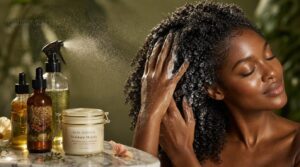
Once you know your porosity, you can build a routine that actually holds moisture in — instead of watching it disappear by midday. The order you apply products matters just as much as what you use. Here’s a simple sequence to follow every time you moisturize.
Start With Damp Hair
Think of your hair like a sponge — it absorbs best when it’s already a little wet. Starting on damp hair gives every product a head start.
- Damp hair distributes products more evenly from root to ends
- It reduces dry patches in hard-to-reach sections
- Moisture retention improves when cuticles are slightly open
- Detangling is easier and gentler on damp strands
- It helps seal in moisture before air-drying begins
Use Water-based Leave-ins
Once your hair is damp, a water-based leave-in is your next best move. These lightweight formulas use humectants like glycerin and hyaluronic acid to pull moisture straight toward each strand — that’s the humectant benefit working in real time.
| Leave-In Type | Best For | Key Benefit |
|---|---|---|
| Spray mist | Refresh method, daily use | Easy, even distribution |
| Light milk | Detangling spray, styling prep | Improved slip, smoother combing |
| Hydrating leave-in | Natural hair care, moisture retention | Deep strand hydration |
A good hydrating leave-in — like an Extreme Hydration Leave-In Conditioner — also improves slip, so detangling feels less like a battle. Apply it section by section for full coverage.
Seal With Natural Oils
Sealing is where your moisture routine actually sticks. Once your leave-in is on, a sealant oil traps that hydration before evaporation can pull it away. Apply your natural oils while hair is still damp — that timing matters more than most people realize. A thin, even layer does the job better than a heavy handful.
Layer Creams or Butters
Creams and butters are your moisture routine’s final armor. After your oil sealant locks in the leave-in, a cream or butter adds a second protective layer — thicker, longer-lasting, and more occlusive.
Here’s what each brings:
- Creams use humectants and emollients for slip and softness
- Butters like shea form a lipid-rich seal that slows evaporation
- Butter layering works best on high-porosity hair needing heavier protection
Refresh Before Hair Dries
Timing matters more than most people realize. If you wait until your hair is fully dry to add product, you’ve already missed the window.
Refresh damp hair — not soaking wet, not bone dry.
A light hydrating spritz on dry zones, followed by a water-based leave-in and a quick seal with an oil or butter, reactivates what’s already there and locks moisture in before it escapes.
Use The LOC Method Correctly
The LOC method is one of the most reliable ways to keep moisture locked in your natural hair — but only when you apply each step in the right order. Small tweaks to how you layer your products can make a big difference in how long your hair actually stays hydrated. Here’s how to get each step right.
Liquid for Hydration
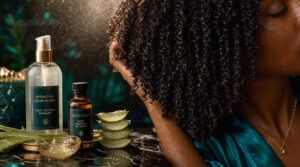
Think of the liquid step as your hair’s first drink of water. Apply a water-based leave-in conditioner to damp hair — this opens the cuticle just enough to let moisture in. Products like an Extreme Hydration Leave-In Conditioner work well here. Follow this four-step Hydration Spritz Technique:
- Mist hair lightly with a hydrating spritz
- Add aloe vera liquid for slip and cuticle pH balance
- Work in a glycerin moisture boost to attract water molecules
- Distribute evenly using your spray bottle routine
Humectants like glycerin and panthenol hold water close to the strand longer.
Oil to Seal Strands
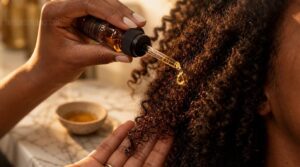
Once your hair has had that first drink of water, it’s time to lock it in. Sealant oils work by forming a barrier along the hair shaft — slowing evaporation so moisture doesn’t escape before your next wash.
Apply a lightweight natural oil like jojoba while hair is still damp. That timing matters more than most people realize.
Cream for Lasting Protection
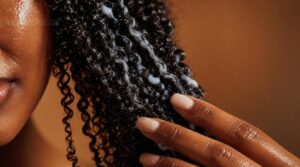
The final layer in the LOC method is cream — and it’s doing more than just styling. A good moisture-sealing cream coats each strand with a semi-solid film that slows evaporation long after the oil has settled. Look for barrier lipid creams with ceramides or fatty alcohols, which support the cuticle surface and keep hydration from leaking out throughout the day.
- Apply to damp, not dry, strands
- Choose humectant-rich formulas with glycerin or panthenol
- Focus on mid-lengths and ends
- Use just enough for even film coverage
LCO Versus LOC Layering
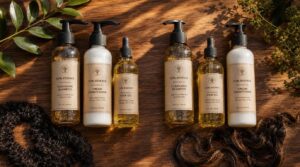
You’ve just locked in the cream layer — now here’s something worth knowing: LOC versus LCO isn’t just splitting hairs. Swap cream and oil, and you change everything.
Low porosity hair benefits from LCO — cream first, then oil seals over it.
High porosity hair absorbs better with LOC’s earlier oil barrier. Match the sequence to your strands.
Avoid Heavy Product Buildup
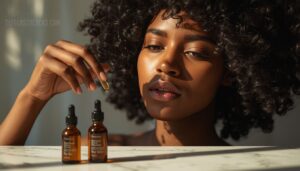
Once you’ve nailed your LOC or LCO sequence, less is genuinely more. Apply sparingly — a pea-sized amount of oil goes further than you think. Too much product doesn’t seal in moisture; it suffocates strands and invites product buildup instead.
Stick to lightweight oils and water-based leave-ins, rinse thoroughly on wash days, and use a refresh mist between styles to keep things balanced.
Try Weekly Moisturizing Hair Masks
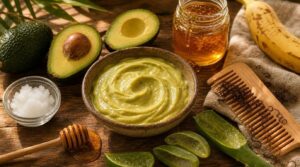
Your kitchen might already have everything you need for a serious moisture reset. Weekly hair masks are one of the most effective ways to replenish hydration and give your strands a real break from daily wear. Here are five you can start with.
Avocado Mask for Softness
Few DIY masks beat avocado when your hair needs a serious softness reset. Its natural oleic acid coats each strand like a light shield, smoothing down rough, dry cuticles.
Mash half a ripe avocado into a smooth paste, mix in a drizzle of honey for added moisture pull, and apply it to damp hair for 15–30 minutes weekly.
Banana Olive Oil Treatment
Bananas aren’t just a smoothie staple — they’re quietly one of the best ingredients for moisture retention in natural hair. Ripe banana blended smooth creates a slippery, coating texture that makes detangling noticeably easier.
Add one tablespoon of olive oil emollient to seal that hydration in. Apply to damp hair, cover with a shower cap, and rinse after 30 minutes.
Pumpkin Honey Moisture Boost
Pumpkin and honey are a surprisingly powerful duo for moisture retention. Honey acts as a natural humectant, drawing water toward the hair shaft and helping it stay there.
Pumpkin brings conditioning support that leaves strands noticeably softer.
Mix 1 cup pumpkin puree with 1–2 tablespoons of raw honey, apply to damp hair, wrap in plastic, and rinse after 15 minutes.
Yogurt Protein Hair Mask
Yogurt might be the most underrated thing in your fridge. It’s packed with protein and lactic acid — two things your strands genuinely need.
Here’s why it works:
- Protein strengthens the hair shaft, keeping strands strong and less prone to breakage.
- Lactic acid smooths the cuticle, improving softness and shine.
- Probiotics support scalp health, helping reduce dandruff.
- Moisture retention improves with regular use.
Mix 1 cup plain yogurt with 1 tablespoon honey, apply to damp hair, cover with a shower cap, and rinse after 30 minutes.
Coconut Oil Overnight Treatment
Few treatments work harder while you sleep than a coconut oil overnight mask.
Apply a small, warm amount to your ends on damp hair before bed, cover with a satin bonnet, and rinse thoroughly in the morning. Coconut oil forms an occlusive layer that slows moisture loss all night — giving your natural hair a genuine head start.
Choose Oils That Prevent Dryness
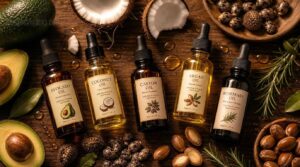
Not all oils are created equal — some seal, some strengthen, and some actually fight off humidity before it undoes all your hard work. Picking the right one makes a real difference in how long your hair holds onto moisture. Here are five oils worth keeping in your routine.
Jojoba Oil for Light Sealing
Jojoba oil is one of the best-kept secrets for light sealing on natural hair. Unlike most plant oils, it’s built from wax esters — the same structure as your scalp’s natural sebum. That means it absorbs quickly, leaves no greasy residue, and locks moisture in without weighing your strands down.
Just a few drops after your leave-in is all it takes.
Shea Butter for Thick Protection
When jojoba feels too light, shea butter steps in. Shea butter’s thick consistency lets it coat every strand with a rich emollient layer that slows moisture escape. Its fatty acid composition — heavy in oleic and stearic acids — creates genuine shea butter occlusion, sealing hydration in natural hair for longer between wash days.
Work a small amount through your mid-lengths and ends only.
Argan Oil Against Humidity
Where shea butter seals with weight, argan oil works lighter — like a second skin for your strands. Its anti-humectant properties slow moisture evaporation while keeping hair soft and manageable, making it a smart pick for humid days.
Here’s what makes argan oil worth adding to your routine:
- Fatty acid benefits: Oleic and linoleic acids smooth the cuticle surface, reducing frizz-triggering roughness
- Antioxidant protection: Tocopherols and polyphenols help the oil stay stable and shield strands from oxidative stress
- Argan humidity shield: That thin occlusive film limits how much ambient moisture enters the shaft, keeping swelling and puffiness down
For best results, apply a few drops to slightly damp mid-lengths and ends — never the roots. Scalp avoidance keeps buildup low and prevents that heavy, greasy feel humid air loves to intensify.
Castor Oil for Ends
Argan oil keeps things light, but castor oil goes heavier where it counts — your ends. Packed with ricinoleic acid, it coats the last 2–3 inches of your strands, sealing in moisture and smoothing the shaft to reduce breakage.
Warm a small amount between your palms and apply weekly after a leave-in for real split-end protection.
Coconut Oil for Strength
Castor oil seals your ends — coconut oil works deeper. It penetrates the hair shaft, strengthening protein bonds and reducing breakage from the inside out.
- Pre-wash treatment: Apply before shampooing to prevent dryness
- Heat buffer: Coats strands before styling heat
- Moisture retention: Slows water evaporation on natural hair
Warm a small amount, massage in, and let it work.
Protect Hair From Moisture Loss
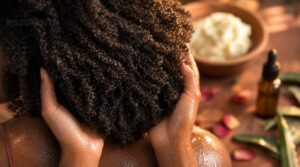
Keeping moisture in your hair isn’t just about what you put on it — it’s also about what you do between wash days. Small daily habits can make a surprisingly big difference in how long that hydration actually lasts. Here are five simple ways to protect your hair from moisture loss.
Sleep With Satin Bonnets
Think of a satin bonnet as a cocoon for your curls. While you sleep, friction reduction happens automatically — satin’s smooth surface doesn’t grab or tug at your strands the way cotton does. That means less breakage, less frizz, and moisture retention overnight stays intact because satin won’t absorb your styling products like a thirsty pillowcase would.
A satin bonnet protects curls overnight by reducing friction and locking in moisture while you sleep
| Without Satin Bonnet | With Satin Bonnet |
|---|---|
| Cotton absorbs oils overnight | Oils stay on your strands |
| Friction causes frizz and breakage | Smooth surface protects curl pattern |
| Styles flatten or distort | Curls and coils hold shape |
| More morning re-styling needed | Less manipulation between wash days |
A silk pillowcase works similarly if bonnets aren’t your thing.
Seal Ends Before Bed
Your ends are the oldest, most vulnerable part of your hair — and they show it first.
Here’s a simple end sealing routine to protect them overnight:
- Dampen ends lightly with water or a detangling mist.
- Apply a water-based leave-in to damp ends.
- Seal with a small amount of oil — jojoba, argan, or castor work well.
- Layer a touch of butter seal — shea butter is ideal — on top.
- Tuck ends into your satin bonnet or onto your silk pillowcase before sleep.
This bedtime moisture lock keeps overnight evaporation from stripping what you’ve already put in.
Limit Direct Heat Styling
Heat is one of the biggest culprits behind moisture loss in natural hair. Every pass of a flat iron or curling wand pulls hydration right out of your strands.
| Smart Heat Habit | Why It Helps |
|---|---|
| Use thermal protectant | Shields cuticle, slows moisture loss |
| Lower heat settings | Less stress on hair fibers |
Wear Low-manipulation Styles
Every time you touch your hair, you risk disrupting its moisture balance. Low manipulation is one of the simplest ways to stop that cycle.
- Pineapple updo — gathers hair loosely to reduce overnight friction
- Braided styles — keep strands bundled and ends protected for weeks
- Puff hairstyle — limits daily detangling with minimal product rework
- Twist out — locks curl pattern using style locking products that hold without repeated touch-ups
Mist Hair Between Washes
Between wash days, your hair is quietly losing moisture — and a quick mist can stop that. Spray damp, not soaking wet: aim a fine mist at your lengths and ends, where dryness hits hardest.
Follow with a water-based leave-in conditioner to lock hydration in, then seal with a drop of oil so it actually stays.
Top 5 Moisture-Sealing Products
The right products make all the difference with respect to keeping your hair hydrated. You don’t need a full store shelf — just a few reliable staples that actually work with your hair’s needs. Here are five moisture-sealing products worth having in your routine.
1. NOW Peppermint Essential Oil
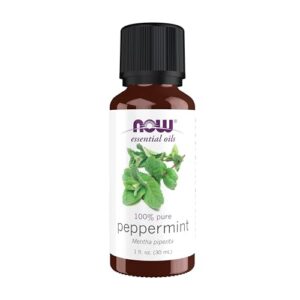
Most people overlook essential oils when building a moisture routine — but peppermint oil earns its spot here. NOW’s peppermint essential oil is 100% pure and steam-distilled from Mentha piperita, so you’re getting a potent, unadulterated product.
A few drops blended into your favorite carrier oil or DIY mask add a cooling, scalp-stimulating boost. Just remember: it’s highly concentrated, so always dilute before applying to avoid irritation.
| Best For | Anyone who wants a versatile, affordable essential oil for aromatherapy, DIY skincare, or natural home freshening. |
|---|---|
| Certifications | Vegan, Cruelty-Free |
| Additives | None |
| Primary Use | Aromatherapy & topical |
| Package Size | 1 oz / 30 mL |
| Natural Origin | Steam-distilled plant |
| Price (USD) | $5.39 |
| Additional Features |
|
- 100% pure and steam-distilled — no fillers or synthetics, just straight peppermint oil
- Incredibly versatile: works for diffusing, topical blends, cleaning, pest deterrence, and more
- At $5.39 for 1 oz, it’s a solid value for a high-quality single oil
- No dropper included, so dispensing can get messy without buying one separately
- The child-resistant cap is tough to open if you have limited grip strength
- Super concentrated — one too many drops in a small room and the scent can get overwhelming fast
2. Raw Organic Extra Virgin Coconut Oil
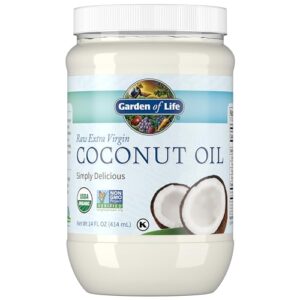
If peppermint oil is the stimulating spark, coconut oil is the steady anchor of any moisture routine. This raw, unrefined extra-virgin option is cold-pressed, meaning it keeps its natural fatty acids — especially lauric acid — fully intact. Those medium-chain fats coat each strand, slowing moisture evaporation without heavy residue.
Apply a small, warmed amount to damp ends. For very dry hair, leave it overnight. It’s simple, affordable at $8.24, and genuinely effective.
| Best For | Anyone with dry or damaged hair who wants a simple, clean, no-fuss moisturizing treatment they can use in the kitchen and the bathroom. |
|---|---|
| Certifications | USDA Organic, Non-GMO, Vegan, Kosher |
| Additives | None |
| Primary Use | Cooking & hair care |
| Package Size | 14 fl oz / 414 mL |
| Natural Origin | Cold-pressed coconut |
| Price (USD) | $8.24 |
| Additional Features |
|
- Certified organic, cold-pressed, and completely unrefined — what’s in the jar is exactly what it says
- Works as a deep conditioner, skin moisturizer, and cooking oil, so one jar pulls a lot of weight
- Medium-chain fatty acids absorb well and help lock in moisture without a heavy, waxy feel
- Solidifies in cool temps, so you’ll need to warm it up before each use
- Can feel greasy on hair if you use too much — a little really does go a long way
- Pricier than refined coconut oils, and some buyers have run into packaging damage on delivery
3. Pompeian Organic Robust Extra Virgin Olive Oil
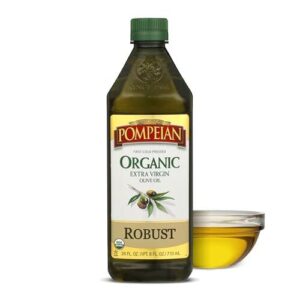
Coconut oil is great for ends, but olive oil? It works deeper into the strand itself.
Pompeian Organic Full-bodied Extra Virgin Olive Oil is USDA‑certified organic, first-cold-pressed, and packed with natural polyphenols that help seal the hair cuticle. Mix one tablespoon with a mashed banana for a 30-minute moisture mask — the combo softens and strengthens simultaneously. It’s widely available, budget‑friendly, and pulls double duty in your kitchen and your hair routine.
| Best For | Home cooks and health-conscious eaters who want a high-quality, certified organic olive oil that works just as well on a salad as it does in a hot pan. |
|---|---|
| Certifications | USDA Organic, Non-GMO, Kosher |
| Additives | None |
| Primary Use | Cooking & finishing |
| Package Size | 24 fl oz / 710 mL |
| Natural Origin | Cold-pressed olive |
| Price (USD) | Not listed |
| Additional Features |
|
- USDA Certified Organic and Non-GMO Verified, so you know exactly what you’re getting
- Rich, bold flavor with natural polyphenols — great for dressings, marinades, and finishing drizzles
- Versatile enough for sautéing, roasting, and grilling at medium-high heat
- Comes in a plastic bottle, which isn’t ideal if you prefer glass for storing organic oils
- The robust flavor can overpower dishes that need something lighter and more neutral
- Not built for deep frying — prolonged high heat goes beyond what this oil is optimized for
4. Farmers Market Organic Pumpkin Puree
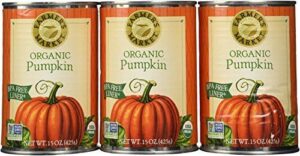
Olive oil works from the outside in — but pumpkin puree? It works from the inside out.
Farmers Market Organic Pumpkin Puree is loaded with vitamins A and C, which support scalp health and strengthen strands. Mix 1 cup with 1–2 tablespoons of honey, wrap your hair in plastic, and leave it on for at least 15 minutes. The result is soft, deeply moisturized hair. It’s USDA organic, non-GMO, and easy to find year-round.
| Best For | Home bakers, pet owners, and anyone who wants a clean, versatile pumpkin puree ready to go without any prep work. |
|---|---|
| Certifications | USDA Organic |
| Additives | None |
| Primary Use | Baking & cooking |
| Package Size | 15 oz / 425 g (x3) |
| Natural Origin | Organic pumpkin |
| Price (USD) | Not listed |
| Additional Features |
|
- 100% organic pumpkin with zero additives — what’s in the can is exactly what it says
- Works in just about everything: pies, breads, sauces, dog food, even hair masks
- Replaces oil or butter in baked goods, cutting fat while sneaking in fiber and vitamins
- Dented cans show up more often than they should, which is a real concern for shelf-stable food
- Some buyers have received cans past their expiration date — worth double-checking before you use it
- The flavor is pretty mild, so if you want that bold pumpkin taste, you’ll need to lean on your spices
5. Nature Nate’s Raw Unfiltered Honey
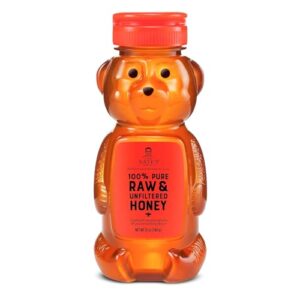
Pumpkin feeds your hair nutrients — honey seals them in.
Nature Nate’s Raw Unfiltered Honey is 100% pure, with no additives, just real honey. That natural stickiness acts like a humectant, drawing moisture into the hair shaft. Mix 1–2 tablespoons into your pumpkin or avocado mask for an added hydration boost.
It’s also gentle enough to use on its own as a quick gloss. Unfiltered and gently warmed, it keeps its natural enzymes intact — and your strands softer for longer.
| Best For | Anyone who wants a pure, natural sweetener or a simple ingredient to boost hydration in DIY hair masks. |
|---|---|
| Certifications | None listed |
| Additives | None |
| Primary Use | Sweetener & food topping |
| Package Size | 12 oz / 340 g |
| Natural Origin | Raw wildflower honey |
| Price (USD) | Not listed |
| Additional Features |
|
- 100% pure honey with no additives — what you see is what you get.
- Unfiltered and gently warmed, so the natural enzymes and pollen stay intact.
- Easy squeeze bottle makes it simple to drizzle just the right amount, no mess.
- Not certified organic, so it may still carry trace natural contaminants.
- Can crystallize over time and needs gentle warming to pour smoothly again.
- Pricier than your average grocery store honey, which might sting a little at checkout.
Frequently Asked Questions (FAQs)
Does diet affect natural hair moisture retention?
Yes, absolutely. What you eat matters. Protein builds keratin, omega-3s support scalp moisture, and dehydration makes strands brittle. Even iron levels affect how well your hair holds onto hydration.
How does water intake impact hair hydration?
Drinking water daily enhances scalp circulation and keeps hair fibers more flexible. Dehydrated strands feel rougher and break more easily. Think of internal hydration as your hair’s foundation — external products work better when you’re hydrated from within.
Can supplements like biotin improve hair moisture?
Biotin can help, but don’t expect a miracle. It promotes keratin production, which strengthens strands and reduces breakage — making hair look healthier. True moisture retention still comes from external care, not a pill.
How does chlorine damage natural hair moisture?
Chlorine strips your hair’s natural oils, roughens the cuticle, and weakens protein bonds — leaving strands porous, brittle, and unable to hold moisture. That dry, crunchy post-pool feeling? That’s chlorine damage in action.
If you’ve recently dyed your strands, check out this guide on how to protect red hair from chlorine when swimming before your next pool day.
What role do protein bonds play in hydration?
Protein bonds act like tiny anchors, holding water molecules close to each strand. Without them, moisture slips away fast. Strong protein–water hydrogen bonds mean your hair stays hydrated — and softer — longer.
Conclusion
Picture your strands finally holding onto every drop of hydration—coils springy, touchably soft, and full of life. That’s what happens when you stop guessing and start working with hair’s natural structure.
Learning to prevent moisture loss in natural hair isn’t about using every product on the shelf—it’s about choosing the right ones in the right order.
Stay consistent, trust your porosity, and your hair will show the difference.