This site is supported by our readers. We may earn a commission, at no cost to you, if you purchase through links. This content is for general informational and educational purposes only and is not a substitute for professional medical, dermatological, or nutritional advice.

Your hair soaks up water like a sponge—but loses it just as fast.
That’s the defining paradox of high porosity hair, where lifted cuticle scales create tiny gaps that absorb moisture quickly but can’t hold it long enough to matter.
By the time your hair air-dries, it’s often drier than before you washed it.
The frustration is real: no amount of product seems to stick.
But high porosity hair doesn’t resist hydration—it just needs the right approach to keep moisture sealed in.
These high porosity hair hydration tips target the core issue, not just the symptoms.
Table Of Contents
- Key Takeaways
- What is High Porosity Hair?
- Signs Your Hair Needs Hydration
- How to Test Hair Porosity
- Hydrating Wash Day Routine
- Best Ingredients for Moisture Retention
- Protein and Moisture Balance Tips
- Top 10 High Porosity Hair Products
- 1. Goldwell Kerasilk Heat Protective Hair Oil
- 2. L Oreal Paris Total Repair 5 Shampoo
- 3. Olaplex No 4 Bond Maintenance Shampoo
- 4. SheaMoisture Manuka Honey Mafura Conditioner
- 5. Silk18 Argan Shea Moisturizing Conditioner
- 6. Marc Anthony Deep Conditioning Hair Mask
- 7. Loreal Paris Thermal Smoother Cream
- 8. Sun Bum Revitalizing Leave In Conditioner
- 9. HSI Argan Oil Heat Protector
- 10. Hollywood Beauty Batana Hair Oil
- Daily Habits That Lock Hydration
- Frequently Asked Questions (FAQs)
- Conclusion
Key Takeaways
- High porosity hair absorbs moisture fast, but loses it just as quickly because lifted cuticle scales can’t hold hydration in place — so sealing with oils after every wash isn’t optional; it’s the whole game.
- The LOC method (liquid, oil, cream) layered on damp hair gives your strands the best shot at retaining moisture, since each layer builds on the last to slow evaporation.
- Protein and moisture need to stay in balance — too much protein makes hair brittle and snappy, while too little leaves it limp and unable to hold any hydration at all.
- Daily habits between wash days — sleeping on satin, avoiding heat, trimming split ends regularly — matter just as much as what you put on your hair during your wash routine.
What is High Porosity Hair?

High porosity hair has one defining quirk: its cuticle layer sits open instead of lying flat, which changes everything about how your hair behaves. Think of it like a pinecone that never fully closes — moisture gets in fast, but it escapes just as quickly.
That’s why locking in hydration with the right products matters so much — explore high porosity hair treatments that actually seal moisture in before it slips away.
Here’s what that actually means for your strands.
Open Cuticle Structure
Think of your hair cuticle like roof shingles — overlapping scales of tough keratin protein, each one lying flat to seal in moisture. With high porosity hair, those edges lift and separate.
The intercellular lipid complex that normally holds cuticle cells close together gets disrupted, breaking the surface wax barrier that keeps hydration where it belongs. Open cuticle scales allow moisture loss and increased frizz.
Fast Moisture Absorption
Those lifted cuticle scales actually work in your favor — at first.
Capillary water uptake happens fast because the open gaps act like tiny channels, pulling moisture straight into the strand. Humectants like glycerin boost this by attracting water molecules from the air, so your hair feels hydrated almost immediately after applying a leave-in or deep conditioner.
Quick Moisture Loss
But that fast absorption comes with a catch. Moisture loss in high porosity hair happens almost as quickly as uptake — the same open cuticle channels that let water in let it right back out. Within hours of washing, your hair can feel dry again, because cuticle sealing never fully occurs.
- Oil barrier application slows evaporation by coating exposed cuticle gaps
- Heat evaporation accelerates moisture loss, especially during blow-drying
- Humidity impact causes constant moisture fluctuation throughout the day
- Product film from deep conditioning temporarily reduces water escape
Frizz and Dullness
Moisture escaping so quickly leaves another visible problem behind: frizz and dullness. When your cuticle scales stay raised, light scatters unevenly across the strand surface instead of reflecting cleanly — so hair looks matte rather than glossy.
| Problem | Cause |
|---|---|
| Frizz | Rough cuticle increases surface friction |
| Dullness | Raised scales scatter light unevenly |
| Flyaways | Strand separation from humidity swelling |
| Static | Dry conditions cause strands to repel |
| Matte appearance | Moisture imbalance prevents cuticle lying flat |
Humidity frizz management matters here because moist air causes strands to swell unevenly, pushing them apart. Sealing with a heavier oil after conditioning reduces that surface friction and helps cuticle light reflection recover noticeably.
Breakage-prone Strands
High porosity hair isn’t just thirsty — it’s fragile. Open cuticle gaps mean strands can’t flex evenly under tension, so hair breakage prevention becomes a daily priority.
- Knot stress points snap weakened strands during detangling
- Heat damage leaves brittle, inflexible fibers
- Chemical processes reduce elasticity substantially
- Protein overload makes strands rigid and snap-prone
- Low moisture accelerates mechanical failure
Moisture sealing techniques and a quality leave-in conditioner are your first defense.
Signs Your Hair Needs Hydration

Your hair is always sending signals — you just need to know what to look for. High porosity hair has a way of making its thirst pretty obvious once you understand the patterns. Here are the most common signs that your strands are running on empty.
Hair Dries Too Quickly
Think of your hair as a sponge with holes too big to hold water. That’s basically what high porosity hair does — it drinks moisture in fast, then lets it escape just as quickly.
Rapid evaporation happens because the open cuticle can’t trap water, leaving strands bone-dry within minutes of washing.
Persistent Frizz
Frizz is your hair’s distress signal. When the cuticle layer stays lifted, humidity sneaks in unevenly, causing strands to swell and separate instead of lying flat.
That’s the puffiness you can’t style away.
Anti-frizz sealants and oil sealing after conditioning create a moisture barrier that keeps humidity out and hydration locked in where it belongs.
Rough Strand Texture
Run your fingers along a single dry strand — if it feels like sandpaper, that’s lifted cuticle edges doing the damage. Raised scales create an uneven surface that snags, scatters light, and resists conditioning.
Oil sealing on damp hair smooths those edges down, restoring slip and surface shine while keeping your moisture retention where it belongs.
Frequent Tangles
Tangles are often the first clue that your strands are seriously parched. Dry, rough cuticles create friction between hairs, causing them to interweave and lock together.
Using a leave-in conditioner on damp hair restores slip, while sectioning before detangling prevents unnecessary stress.
For high porosity hair, a silk or satin pillowcase reduces overnight friction dramatically.
Split Ends
Split ends are where moisture retention finally gives out. When your cuticle gaps allow hydration to escape faster than it enters, the oldest parts of your strand — the ends — dry out, weaken, and literally fork apart.
Five signs split ends signal a hydration crisis:
- Tips feel rough and snag on fabric
- Ends dry within minutes of washing
- Y-shaped or "tree" splits appear frequently
- Hair breaks during gentle combing
- Length gains stall despite careful handling
How to Test Hair Porosity
Before you can fix high porosity hair, you need to know for certain that’s what you’re dealing with. Luckily, a couple of simple at-home tests can give you a reliable answer in minutes. Here’s what to try, and what to watch out for along the way.
Clean Strand Float Test
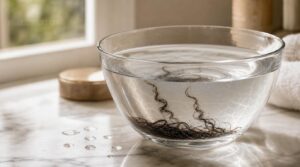
One of the simplest ways to check your hair’s porosity is the clean strand float test.
Since porosity affects how evenly pigment lifts or fades, it’s worth reading up on whether purple shampoo works on purple hair before you tone vivid shades.
Drop a few shed, product‑free strands into a bowl of room‑temperature water. Wait 2 to 4 minutes, then observe.
High porosity hair sinks quickly to the bottom, because open cuticles absorb water quickly, leaving little buoyancy to keep strands afloat.
Damp Hair Slip Test

The float test tells you if you have high porosity — the slip test tells you how much.
Wet a clean, product-free strand and slide two fingers along it from root to tip. High porosity hair feels noticeably bumpy, almost like running your fingers over rough fabric. That friction is your raised cuticles catching as you glide.
- Test while damp — not soaking wet, not nearly dry
- Use a clean strand — oils and creams mask the true surface feel
- Slide root to tip — tips show the most wear and roughness
Timing matters here. That window right after wetting gives you the clearest read on your cuticle behavior.
Product-free Testing Tips
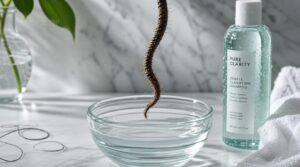
Both the Float Method and Slip Method only work accurately on product-free strands. Residue from oils or creams temporarily smooths the cuticle, masking its true state.
Wash your hair with a gentle shampoo, skip conditioner, and let it air dry before testing. That clean baseline gives you an honest water absorption rate reading — no interference, no guessing.
Common Testing Mistakes

Even clean, product-free hair can produce skewed results if you rush the process. Hot water swells strands temporarily, so always test with room‑temperature water.
Timing matters too — reading the float test too early or too late shifts your interpretation.
Testing a single thick section also hides uneven porosity across your head.
When to Retest
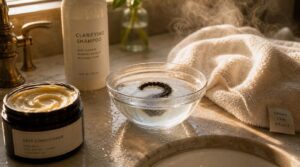
Retest your porosity after a full wash day, once your hair has completely dried to its normal state — that’s when the results are most reliable. Humidity, heat styling, and product buildup can all skew readings.
After a clarifying wash, the baseline is cleanest. Adjust retesting timing seasonally, since dry winter air and humid summers genuinely shift how your high porosity hair holds hydration.
Hydrating Wash Day Routine
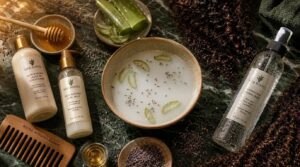
Your wash day sets the tone for everything that follows — get it right, and your hair holds moisture far longer. High porosity hair is thirsty but leaky, so every step matters from the first rinse to the final detangle. Here’s exactly how to structure your routine.
Wash Once or Twice Weekly
Wash high porosity hair once or twice weekly — not daily. Every cleanse opens already‑vulnerable cuticles, shortening your Hydration Lock Duration considerably.
If your scalp stays comfortable between washes, once weekly is enough. Notice buildup or odor sooner? Twice weekly restores balance.
That longer gap keeps your leave‑in conditioner and moisturizing products working longer, protecting each strand’s Moisture Retention Window.
Choose Sulfate-free Shampoo
Switching to a sulfate-free shampoo is one of the smartest moves you can make for high porosity hair. Traditional sulfates strip away your scalp’s natural oils along with the dirt — leaving cuticles drier and more vulnerable.
A gentle cleansing formula keeps that essential moisture barrier intact, so your deep conditioning work actually sticks between wash days.
Use Lukewarm Water
The temperature of your rinse water matters more than most people realize. Lukewarm water — around 32 to 40°C — keeps cuticles calm while still washing away product residue effectively. Hot water lifts those already-open cuticles further, accelerating moisture loss the moment you step out of the shower.
Key lukewarm rinse benefits for high porosity hair:
- Reduces cuticle lifting, so strands reflect more light and look less dull
- Promotes even hydration throughout the wash without thermal stress
- Keeps your scalp comfortable and less prone to irritation or over-drying
- Helps conditioner penetrate more consistently during the rinse step
- Sets your hair up for better moisture retention before styling
Deep Condition After Shampooing
Deep conditioning is the most important step you can add to your wash day.
Apply your treatment — the SheaMoisture High Porosity Moisture Correct Masque works well — immediately after shampooing while hair is still damp. Massage it in sections, let it sit 20 to 30 minutes under a heat cap, then rinse with cool water and seal with oil.
Detangle With Conditioner
Start detangling while the conditioner is still in — don’t rinse yet. Conditioner slip lets your fingers and a wide-tooth comb glide through knots instead of forcing through them.
Work from ends upward, using finger detangling first, then the comb. Give the conditioner dwell time of a few minutes before rinsing, especially on stubborn sections.
Best Ingredients for Moisture Retention
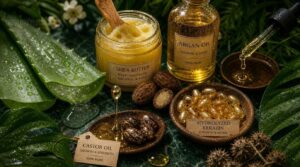
Not all ingredients are created equal for high porosity hair. Your strands need a specific combination of moisturizers, sealants, and proteins that work together to fill cuticle gaps and hold hydration in place. Here are the five ingredients worth looking for on your product labels.
Shea Butter
Shea butter is one of the hardest-working ingredients you can put on high porosity hair.
Sourced from the seeds of the African shea tree, it’s packed with oleic and stearic acids plus vitamins A and E — a combination that coats open cuticles like a seal, locking hydration in before it can escape.
Manuka Honey
If shea butter is your moisture seal, think of manuka honey as the magnet that pulls hydration in first. It works as a natural humectant, drawing water into the hair shaft before your sealant locks it down. What makes it stand out is its unique chemistry — specifically methylglyoxal content and the leptosperin marker, compounds found almost nowhere else.
Manuka honey is the magnet that pulls moisture in before your sealant locks it down
Here’s what manuka honey quietly does for high porosity hair:
- Acts as a honey moisture lock by binding water to open cuticles
- Delivers honey antibacterial properties that keep the scalp environment balanced
- Functions as a gentle manuka honey sealant over fragile, lifted strands
- Bolsters a smarter humectant strategy when layered under a cream or butter
Use it in a moisturizing or hydrating mask weekly, and your hair will start holding onto moisture instead of losing it by noon.
Coconut Oil
Manuka honey pulls moisture in — coconut oil keeps it there. As a moisture sealing oil, it works differently than most.
About 92% saturated fat gives it impressive stability and lets lauric acid penetrate the hair shaft directly, reducing protein loss. Its antimicrobial properties also support a healthier scalp environment, making it one of the most dependable daily sealants for high porosity hair.
Hydrolyzed Keratin
Coconut oil seals the shaft, but it can’t fill the gaps. That’s where hydrolyzed keratin steps in. It’s water-soluble, meaning it penetrates damp hair easily and deposits a thin cuticle film that temporarily patches the open scales common in high porosity hair.
- Molecular weight matters — fragments above 3,000 Da thicken and coat; below 1,000 Da, they slip deeper into the cortex
- UV damage resistance improves measurably; treated hair retains tensile strength while untreated hair loses over 14%
- Protein content varies by brand — look for formulas listing 80–89% protein concentration
- Cuticle film formation smooths the surface, reducing friction and frizz without heavy buildup
- Hydration balance stays stable when you layer keratin between a water-based product and a moisturizing cream
Panthenol
Panthenol is vitamin B5’s precursor, and it plays a quiet but powerful role in moisture management for high porosity hair. As a humectant, it attracts and binds water directly to the hair shaft — slowing the rapid moisture loss that open cuticles cause.
It also enhances barrier repair, smoothing rough texture and reducing frizz without heavy buildup. Look for it in leave-in conditioners alongside sealant oils.
Protein and Moisture Balance Tips
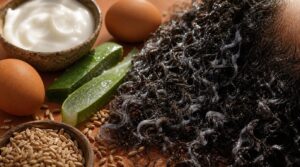
Getting this balance right is honestly one of the trickiest parts of caring for high porosity hair. Too much protein makes strands stiff and brittle; too little leaves them limp and unable to hold moisture. Here’s what actually works.
Use Low-dose Protein
Think of protein as a scaffold, not a wall. For high porosity hair, a low-dose protein approach means using hydrolyzed protein treatments in small amounts, spaced out so moisture can follow freely:
- Apply to damp mid-lengths and ends only
- Rinse thoroughly to prevent cuticle buildup
- Wait until hair feels soft again before repeating
This cuticle reinforcement strategy keeps your protein vs moisture balance stable without stiffness.
Avoid Protein Overload
Too much protein can quietly sabotage your routine.
Protein build-up detection starts with a feel: hair that turns stiff, crunchy, or loses stretch after a protein treatment is signaling overload.
When your high porosity hair stops responding to hydrating products, that’s your cue to pause strengthening formulas and begin a moisture reset routine before reintroducing any protein treatment.
Layer Moisture First
Moisture always goes before protein — that’s the golden rule for high porosity hair. Start on damp hair, apply a humectant-rich leave-in first, then layer:
- Water-based liquid to activate the humectant layer
- Cushioning conditioner for slip and strand coating
- Cream to seal in the moisture barrier before any protein step
Seal After Strengthening
Once your protein treatment is rinsed out, seal immediately — that’s when your hair is most receptive.
Apply a sealing oil to damp, towel-blotted strands, focusing on mid-lengths and ends where cuticle gaps are widest. This oil barrier layer slows moisture evaporation between wash days and keeps your protein-moisture balance from tipping dry.
Adjust by Hair Feel
Your hair tells you what it needs — you just have to listen. After sealing, run a slow snag check: glide your fingers through a dry freshly washed strand. If it stretches slightly then releases, your protein-moisture balance is solid. Here’s what each feel signals:
If it feels gummy or won’t stretch at all, your strands may be protein-overloaded, so check this guide on how rice water affects low porosity hair before your next rinse.
- Stiff and snapping — add more conditioner
- Gummy and limp — reduce softening, increase protein
- Frizzy but slick — improve your sealing step
Top 10 High Porosity Hair Products
Finding the right products for high porosity hair isn’t guesswork — it’s about knowing what your strands actually need. Each pick on this list was chosen because it covers moisture loss, cuticle repair, or both. Here are ten products worth adding to your routine.
1. Goldwell Kerasilk Heat Protective Hair Oil
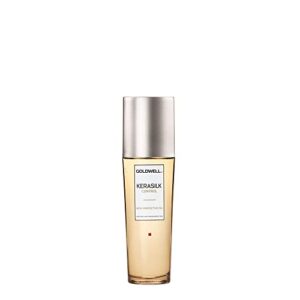
When heat styling is unavoidable, Goldwell Kerasilk Heat Protective Hair Oil deserves a spot in your routine.
Its blend of hydrolyzed keratin, silk proteins, and glyoxylic acid works to reinforce the cuticle and align the hair surface under heat.
Apply a few drops to damp mid‑lengths and ends before reaching for your flat iron — it shields against moisture loss without leaving roots greasy.
For high porosity strands, that kind of lightweight, bond‑supporting protection genuinely offers tangible benefits.
| Best For | Anyone with thick, coarse, or frizz-prone hair who heat styles regularly and wants protection that doesn’t weigh strands down. |
|---|---|
| Form Type | Serum/Cream |
| Hair Concern | Frizz & damage |
| Clean Formula | No sulfates listed |
| Key Ingredient | Glyoxylic Acid & Keratin |
| Hair Types | All types |
| Price (USD) | Not listed |
| Additional Features |
|
- Combines keratin, silk, and glyoxylic acid to actually strengthen hair while you style — not just coat it
- Lightweight enough for fine hair, but effective on thick or high-porosity strands too
- Leaves hair soft, shiny, and manageable without that greasy root situation
- The pump can leak if the bottle tips over, so it’s a bit of a gamble in a travel bag
- You have to be precise with application — too close to the scalp and it gets oily fast
- A few buyers reported getting the wrong product, so double-check your order when it arrives
2. L Oreal Paris Total Repair 5 Shampoo
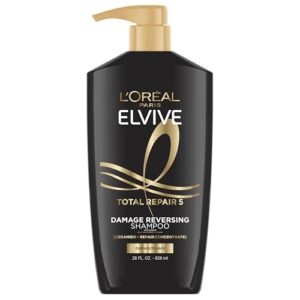
If Goldwell covers the heat-styling angle, you still need a solid foundation — and that starts with your shampoo.
L’Oréal Total Repair 5 targets five signs of damage: weakness, split ends, roughness, dullness, and dehydration. Its Keratin XS complex temporarily fills cuticle gaps and reinforces strand strength from the inside out, which matters when your cuticle is already wide open.
At $7.68 for 28 oz, it’s genuinely hard to argue with that value.
| Best For | Budget-conscious shoppers with damaged, heat-styled, or chemically treated hair who want real repair results without spending a lot. |
|---|---|
| Form Type | Shampoo |
| Hair Concern | Breakage & damage |
| Clean Formula | Contains sulfates |
| Key Ingredient | Protein & Ceramide |
| Hair Types | Normal to thick |
| Price (USD) | $7.68 |
| Additional Features |
|
- Targets five damage signs at once — weakness, split ends, roughness, dullness, and dehydration — so you’re not just masking the problem
- Packed with protein and ceramide to actually reinforce your strands, not just coat them
- An incredible deal at $7.68 for 28 oz — hard to find that kind of value anywhere else
- Not sulfate-free, so it may not be the best fit for sensitive scalps or certain color-treated hair routines
- Can feel heavy on fine hair, especially with daily use
- Works best as part of the full Total Repair 5 system — results on their own may be underwhelming
3. Olaplex No 4 Bond Maintenance Shampoo
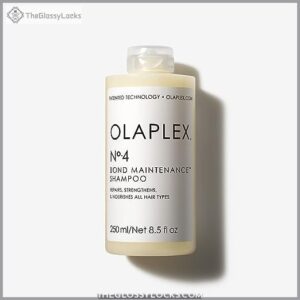
A great shampoo lays the groundwork, but Olaplex No. 4 goes further — it actually repairs while it cleans.
Its Bond Building Technology reconnects broken disulfide bonds inside the strand, not just on the surface. That matters for high-porosity hair, which is often damaged from bleaching or heat.
Clinically, it delivers 90% smoother hair and a 49% reduction in breakage.
At $34 for 8.5 oz, it’s an investment — but one your strands will thank you for.
| Best For | Anyone with dry, damaged, or chemically treated hair who wants a shampoo that actually repairs while it cleans — especially bleached or color-treated hair. |
|---|---|
| Form Type | Shampoo |
| Hair Concern | Breakage & dryness |
| Clean Formula | Sulfate-free |
| Key Ingredient | Coconut-derived surfactants |
| Hair Types | All types |
| Price (USD) | $34.00 |
| Additional Features |
|
- Clinically proven results — 90% smoother hair and 49% less breakage is hard to argue with
- Color-safe and works for all hair types, from coily to straight
- Repairs bonds inside the strand, not just on the surface
- At $34 for 8.5 oz, it’s a splurge that won’t fit every budget
- Works best as part of the full Olaplex system — solo results may be less dramatic
- Long ingredient list might put off anyone looking for a clean or minimal formula
4. SheaMoisture Manuka Honey Mafura Conditioner
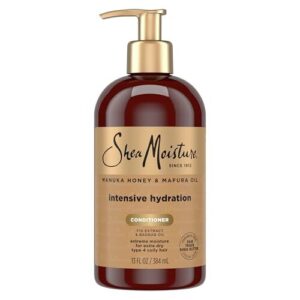
Once you’ve cleansed with a bond-repairing shampoo, your strands are primed and ready to absorb — which means your conditioner choice really counts.
SheaMoisture’s Manuka Honey & Mafura Oil Intensive Conditioner delivers intense moisture and softness to exactly that window of opportunity. Manuka honey draws moisture in as a humectant, while Mafura and baobab oils seal the cuticle gaps typical of high-porosity hair.
At $10.97 for 13 oz, it’s genuinely hard to beat.
| Best For | Anyone with coily, type 4, or high-porosity hair that’s dry, damaged, or prone to breakage — especially after color or heat styling. |
|---|---|
| Form Type | Conditioner |
| Hair Concern | Dryness & damage |
| Clean Formula | Sulfate-free |
| Key Ingredient | Manuka Honey & Baobab Oil |
| Hair Types | Coily/Type 4+ |
| Price (USD) | $10.97 |
| Additional Features |
|
- Manuka honey and baobab oil pack a serious moisture punch, leaving strands soft and way easier to detangle
- Clean formula — no sulfates, parabens, or mineral oil, so you’re not trading moisture for harsh ingredients
- At under $11 for 13 oz, it’s a solid deal for a conditioner that actually delivers
- Can feel heavy or boost frizz on finer curl patterns — it’s really built for thicker, coilier hair
- The pump can give out on you, which gets annoying fast when your hands are already wet
- Price per ounce runs higher than drugstore basics, so it adds up if you’re a heavy conditioner user
5. Silk18 Argan Shea Moisturizing Conditioner
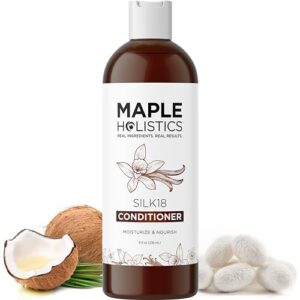
Silk18’s Argan & Shea Moisturizing Conditioner earns its place here for one key reason: it works on multiple levels at once. The eighteen silk amino acids temporarily fill cuticle gaps, while argan oil and shea butter seal moisture in without feeling heavy. It’s sulfate-free and color-safe, so you’re not undoing your last treatment.
Apply it from mid-lengths to ends after shampooing, leave it for a few minutes, and rinse. Simple, effective, no guesswork.
| Best For | People with dry, damaged, curly, or color-treated hair who want a simple, clean-ingredient conditioner that does more than one job. |
|---|---|
| Form Type | Conditioner |
| Hair Concern | Dryness & frizz |
| Clean Formula | Sulfate-free |
| Key Ingredient | Shea Butter & Argan Oil |
| Hair Types | Normal to thick |
| Price (USD) | Not listed |
| Additional Features |
|
- Eighteen silk amino acids plus argan oil and shea butter work together to deeply moisturize and smooth without feeling greasy.
- Sulfate-free, paraben-free, and color-safe — you can use it without worrying about stripping your last treatment.
- A little goes a long way, so that 8 oz bottle actually stretches further than you’d expect.
- Fine or thin hair types might find it too heavy, especially if used as a leave-in.
- Some users have noticed the scent changed recently — more floral and perfume-y than the original vanilla.
- No pump dispenser, which makes getting the right amount out a bit more fiddly than it should be.
6. Marc Anthony Deep Conditioning Hair Mask
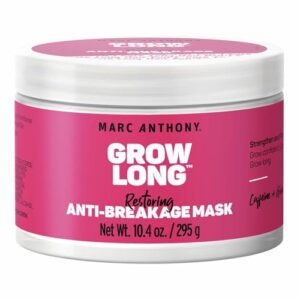
The Marc Anthony Deep Conditioning Hair Mask brings a lot to the table for high‑porosity strands.
Coconut oil and shea butter work together to seal the cuticle and restore lost moisture, while hydrolyzed keratin strengthens from within.
Apply it to damp hair from mid‑lengths to ends, leave it for three to seven minutes, then rinse with lukewarm water.
At $11.49 for 10.4 oz, it’s an accessible weekly treatment that delivers real softness without weighing your hair down.
| Best For | Anyone with thick, curly, or chemically treated hair who wants an affordable deep conditioner that targets breakage and brings back shine without a complicated routine. |
|---|---|
| Form Type | Hair Mask |
| Hair Concern | Breakage & frizz |
| Clean Formula | SLS & sulfate-free |
| Key Ingredient | Caffeine & Keratin |
| Hair Types | All types |
| Price (USD) | $11.49 |
| Additional Features |
|
- Packed with caffeine, ginseng, and hydrolyzed keratin — a solid combo for reducing breakage and boosting elasticity over time.
- Works as both a rinse-out mask and a leave-in, so you get more flexibility out of one product.
- Free from parabens, sulfates, SLS, and phthalates — clean enough for regular use without worry.
- The texture is really thick, so if you don’t rinse it out well, it can leave your scalp feeling itchy or weighed down.
- The fragrance is on the stronger side, which might be a dealbreaker if you’re sensitive to scented products.
- It’s not a fix for seriously damaged hair on its own — you’ll need to use it consistently and pair it with a good overall routine to see real results.
7. Loreal Paris Thermal Smoother Cream
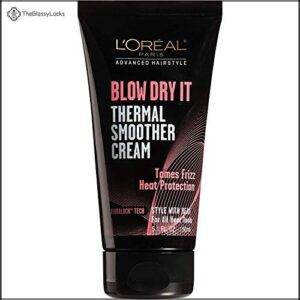
Heat styling and high-porosity hair don’t always mix well — but the L’Oréal Paris Thermal Smoother Cream helps bridge that gap. Its lightweight, lotion-like texture spreads easily on damp hair, creating a protective barrier against heat damage while smoothing frizz before you blow-dry.
Apply a quarter-sized amount from roots to mid-lengths, then style as usual. At $31.99 for 5.1 oz, it’s a reliable step for protecting already-fragile cuticles from further heat-related stress.
| Best For | Anyone with high-porosity, frizz-prone hair who heat styles regularly and wants a lightweight cream that protects without weighing hair down. |
|---|---|
| Form Type | Cream |
| Hair Concern | Frizz & damage |
| Clean Formula | Not specified |
| Key Ingredient | Fibralock technology |
| Hair Types | All lengths & types |
| Price (USD) | $31.99 |
| Additional Features |
|
- Spreads easily on damp hair and creates a solid barrier against heat damage from blow-dryers and straighteners
- Smooths frizz and leaves hair softer and shinier without a heavy or greasy feel
- Works across hair types and lengths, so it’s versatile enough for most routines
- At $31.99 for just 5.1 oz, the cost per ounce feels steep compared to similar products
- Some users noticed brittleness or reduced protection over repeated use, which is a red flag for damaged hair
- Doesn’t reliably cut down blow-dry time, so don’t expect a faster morning routine
8. Sun Bum Revitalizing Leave In Conditioner
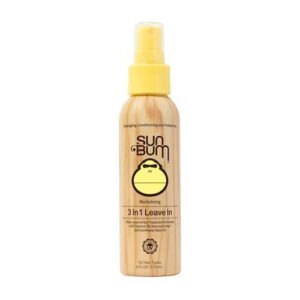
Sun Bum’s Revitalizing Leave-In Conditioner is a smart pick when your hair needs moisture on the go. Its 3-in-1 formula detangles, conditions, and shields strands from UV rays — a real bonus for high-porosity hair that fades color fast.
Coconut oil and quinoa protein work together to smooth the cuticle and retain moisture without heavy residue.
At $16.99 for 4 oz, it’s an affordable daily refresh, especially after sun or salt exposure.
| Best For | Anyone who’s always on the move — especially swimmers, beachgoers, or color-treated hair folks who need quick moisture without a full wash-day routine. |
|---|---|
| Form Type | Leave-in Spray |
| Hair Concern | Breakage & dryness |
| Clean Formula | Paraben-free |
| Key Ingredient | Quinoa Protein & Coconut Oil |
| Hair Types | All types |
| Price (USD) | $16.99 |
| Additional Features |
|
- Three jobs, one spray — detangles, conditions, and blocks UV rays all at once
- Coconut oil and quinoa protein smooth the cuticle without leaving hair feeling heavy or greasy
- Works on wet or dry hair, so you can toss it in your bag and refresh anytime
- The coconut-banana scent is strong and sticks around for hours — not great if you’re sensitive to fragrance
- Fine hair users need a light hand near the roots, or it can go flat fast
- The 4 oz bottle goes quickly with daily use, and the pump tends to get finicky toward the end
9. HSI Argan Oil Heat Protector
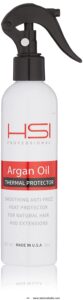
If you’re heat styling high-porosity hair without protection, you’re practically leaving the door wide open to damage. The HSI Argan Oil Heat Protector shields strands up to 450°F while acting as a leave-in conditioning serum — two jobs in one spray.
Its lightweight, argan oil‑rich mist reduces frizz, boosts shine, and helps retain moisture after styling. Apply it to damp hair before your flat iron or blow dryer for best results.
For more even heat distribution and cuticle hydration, explore this guide to natural heat protectants for hair.
| Best For | Anyone who heat styles regularly — especially those with high-porosity, color-treated, or extension hair that needs extra moisture and protection. |
|---|---|
| Form Type | Leave-in Spray |
| Hair Concern | Heat damage |
| Clean Formula | Sulfate-free |
| Key Ingredient | Argan Oil |
| Hair Types | All types |
| Price (USD) | Not listed |
| Additional Features |
|
- Shields hair up to 450°F while doubling as a leave-in conditioner, so you’re not adding extra steps to your routine.
- Argan oil and vitamins leave hair noticeably smoother, shinier, and easier to detangle after styling.
- Safe for color-treated hair and extensions, and free from sulfates, parabens, and phosphates.
- Using it on dry hair can leave fine or thin hair feeling weighed down or greasy — stick to damp hair for best results.
- Contains wheat, so it’s a no-go if you have celiac disease or a serious wheat allergy.
- The spray nozzle produces a very fine mist that some people find irritating to breathe in, and the scent isn’t for everyone.
10. Hollywood Beauty Batana Hair Oil
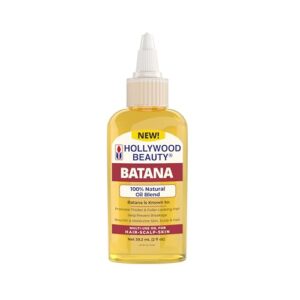
Batana oil has been a hair care staple in Honduras for generations — and for good reason. Hollywood Beauty Batana Hair Oil packs oleic acid, linoleic acid, and vitamin E into a small 2 fl oz bottle, giving high-porosity strands exactly what they’re starving for: moisture that actually stays.
Apply a few drops to damp mid-lengths and ends after your leave-in conditioner to seal the cuticle and reduce breakage. At $8.23, it’s an easy, affordable addition to your routine.
| Best For | Anyone with dry, high-porosity, or chemically treated hair who wants an affordable, multi-use oil to lock in moisture and cut down on breakage. |
|---|---|
| Form Type | Oil |
| Hair Concern | Dryness & breakage |
| Clean Formula | 100% natural |
| Key Ingredient | Batana Oil |
| Hair Types | All types |
| Price (USD) | $8.23 |
| Additional Features |
|
- Packed with oleic acid, linoleic acid, and vitamin E — exactly what thirsty strands need to stay soft and strong
- Works on hair, scalp, and skin, so one little bottle pulls a lot of weight in your routine
- At $8.23 for a multi-use oil with real ingredients, it’s hard to beat the value
- The scent is polarizing — some love the coffee/cocoa vibe, others find it genuinely hard to get past
- A handful of users report scalp irritation and increased shedding, so patch test first if you’re sensitive
- Packaging can be hit or miss — some bottles arrive without a foil seal or show signs of leakage
Daily Habits That Lock Hydration
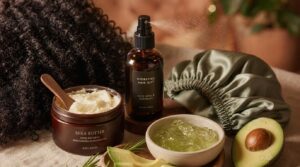
Your wash day routine matters, but what you do between washes is just as important for keeping moisture locked in. Small, consistent daily habits can make the difference between hair that stays hydrated and hair that’s constantly playing catch-up. Here are the ones worth building into your routine.
Sleep on Satin
What you do at night matters more than you might think. Sleeping on a satin pillowcase — or wearing a satin bonnet — keeps your high porosity hair from rubbing against rough fabric all night. That friction lifts already-open cuticles, which speeds up moisture loss prevention efforts you made all wash day.
| Feature | Satin/Silk | Cotton |
|---|---|---|
| Friction Level | Low | High |
| Cuticle Disruption | Minimal | Significant |
| Overnight Moisture Lock | Strong | Weak |
| Frizz Control | Effective | Poor |
| Hair Slide | Smooth | Snags easily |
A silk scarf alternative works just as well if pillowcases shift during sleep.
Try Protective Styles
Protective styles do more than look great — they give your hair a real break. Braids, twists, and loose buns keep your ends tucked away from daily friction, clothing snags, and environmental humidity shifts. That means less moisture escaping through those already-open cuticles.
Keep installation tension even, especially at the edges, and mist your scalp lightly with water to prevent dryness during wear.
Trim Split Ends Regularly
Protective styles buy you time, but split ends are still working against you. Those frayed tips aren’t just cosmetic — they’re active moisture-leak points.
On high-porosity hair, damaged ends absorb and release water unevenly, making hydration efforts feel pointless.
Trim every four to six weeks to stay ahead of the damage before it travels up the shaft.
Limit Heat Styling
Split ends leak moisture — so does every session with a flat iron or blow dryer. For high-porosity hair, heat styling accelerates damage faster than almost any other habit.
Always apply a heat protectant barrier first, keep tools at the lowest effective temperature, and aim for one pass per section. Blow-dry at 80% dry to cut total exposure.
Avoid Harsh Chemical Treatments
Chemical treatments are where high-porosity hair draws the line. Bleach, strong relaxers, and frequent permanent dye compound existing cuticle damage, making moisture retention nearly impossible.
Space out chemical services, switch to semi-permanent color, and reach for pH-balanced formulas that won’t further lift your cuticle. When styling, lean on chemical-free styling options and always follow up with oil-based sealants.
Frequently Asked Questions (FAQs)
What not to do with high porosity hair?
The real damage often happens quietly. Avoid hot water, harsh sulfates, and heat styling. Skip heavy oils that block absorption. Chemical processing worsens open cuticles fast.
How does humidity impact high porosity hair daily?
Humidity hits high porosity hair fast. Open cuticles absorb airborne moisture within hours, causing the strand to swell, lift, and frizz—often before midday.
Can scalp health influence how hair retains moisture?
Yes — your scalp health directly shapes how well your hair retains moisture. A disrupted scalp barrier increases water loss, inflammation, and dryness, making it harder for even high porosity hair to stay hydrated.
Is high porosity hair more prone to color fading?
Yes — high porosity hair fades faster. The open cuticle lets dye escape quickly during washing, especially with hot water or UV exposure. Sealing oils and cool rinses help lock pigment in longer.
Conclusion
Like Goldilocks searching for what’s just right, your hair needs that same careful balance—not too much protein, not too little moisture, but the exact routine that works for its unique structure. These high porosity hair hydration tips give you the foundation to stop chasing hydration and start holding onto it.
When your cuticles are supported and sealed, moisture stops escaping before it can do its job. Consistency is what transforms your wash day from frustrating to finally working.