This site is supported by our readers. We may earn a commission, at no cost to you, if you purchase through links. This content is for general informational and educational purposes only and is not a substitute for professional medical, dermatological, or nutritional advice.
Grab a walnut scrub and rub it hard enough, and you’ll strip away more than dead skin. You’ll scratch tiny tears into skin that took weeks to heal.
That’s the trouble with chemical exfoliation vs physical scrubs: one dissolves, the other scrapes, and picking wrong can set your skin back months instead of forward. Acids like glycolic and lactic work at a molecular level, loosening the "glue" between dead cells while you sleep. Scrubs work fast, but fast isn’t always gentle.
Your skin type decides the winner here, and getting it right changes everything about how your face looks and feels.
Table Of Contents
Key Takeaways
- Chemical exfoliants (AHAs, BHAs, PHAs, enzymes) dissolve the bonds between dead skin cells for gradual, lasting results, while physical scrubs use friction to buff away cells for instant but temporary smoothness.
- Your skin type should dictate your method: BHAs like salicylic acid suit oily/acne-prone skin, lactic acid or PHAs work best for dry or sensitive skin, and AHAs help mature or dull skin with cell turnover.
- Over-exfoliating or mixing multiple active ingredients (acids, retinol, scrubs) in one session damages the skin barrier, causing redness, microtears, and increased sun sensitivity.
- Safe exfoliation depends on matching frequency to your skin’s tolerance, always applying broad-spectrum SPF 30+ afterward, and pausing actives for 7–14 days if irritation signs appear.
Chemical Exfoliation Vs Physical Scrubs
Choosing between chemical exfoliation and physical scrubs isn’t about picking a winner—it’s about knowing what your skin actually needs. Both methods clear away dead cells, but they get there in completely different ways. Here’s how they stack up.
If you’re new to acids and enzymes, easing in with a beginner-friendly chemical exfoliant routine can help your skin adjust without irritation.
Key Differences
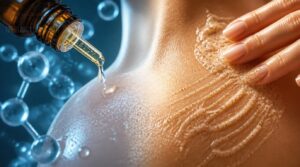
Ever wonder why one exfoliant leaves your face glowing instantly while another takes days? It’s contact time. Scrubs work through friction, on contact. Acids dissolve bonds gradually, even after rinsing.
| Chemical | Physical |
|---|---|
| Dissolves bonds, gradual results | Buffs surface, instant smoothness |
| Lower irritation risk | Higher friction risk |
| Works on skin barrier chemistry | Works on skin texture directly |
How Each Method Works
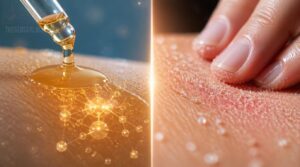
Solvent-based dissolution vs. mechanical friction action is the real story here.
Acids use water, alcohol, or oil-based solvents for molecular penetration and protein bond breakdown between dead cells. Scrubs rely on particles rubbing against skin.
| Chemical | Physical |
|---|---|
| Solvent dissolves bonds | Particle-driven smoothing |
| Affects cell turnover rate | Affects surface only |
| Works below skin’s surface | Works at contact point |
Results You Can Expect
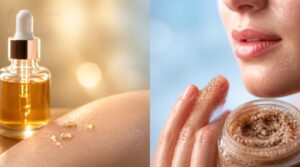
Timing tells the real story. Chemical exfoliation shows gradual skin resurfacing over weeks — smoother texture, faded pigment, less pore congestion. Physical scrubs deliver instant radiance that fades by next wash.
| Result | Chemical | Physical |
|---|---|---|
| Texture | Weeks, lasting | Immediate, temporary |
| Hydration | Improves with use | Can strip lipids |
| Recovery | Days if irritated | Fast, if mild |
Best Use Cases

Match the method to your goal. Chemical exfoliation wins for targeting acne lesions, minimizing hyperpigmentation, and supporting collagen renewal. Physical exfoliation suits quick pre-event polish on normal skin.
| Goal | Best Method | Why |
|---|---|---|
| Acne-prone skin | BHA | Clears pores |
| Dull texture | AHA | Resurfaces |
| Event-day glow | Scrub | Instant |
What is Chemical Exfoliation?
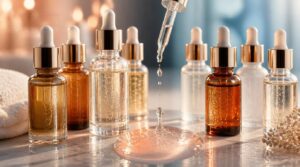
Chemical exfoliation isn’t just one thing—it’s a whole toolbox of ingredients, each working a little differently. Some target the surface, some dig into pores, and others go easy on sensitive skin. Here’s a breakdown of the main players you’ll find on skincare labels.
AHAs for Surface Renewal
Alpha-hydroxy acids work at the skin’s surface, dissolving the "glue" holding dead cells together for smoother texture and faster cell turnover.
Pairing this gentle exfoliation with a cleanser suited to your pore concerns can amplify results, as outlined in this guide to choosing the best face wash for large pores.
Molecular size matters here: glycolic acid’s tiny molecules penetrate deeply, while lactic acid works more gently.
These ingredients function as chemical exfoliants to promote skin renewal.
Lower pH means stronger exfoliation, but also more sun sensitivity—daily SPF isn’t optional when you’re using AHAs regularly.
BHAs for Clogged Pores
Ever wonder why your BHA toner works when scrubs don’t? Salicylic acid is oil-soluble, so it dissolves sebum buildup deep in pores instead of sitting on top.
That’s its comedolytic action—clearing pore congestion at the source. Benefits include:
- Fewer blackheads
- Smoother texture
- Less breakout frequency
- Calmer, clearer skin
Leave-on formulas boost effectiveness for acne-prone skin.
PHAs for Sensitive Skin
PHAs are the gentlest chemical exfoliants around. Their larger molecular size keeps them working on the surface, so sensitive skin gets renewal without the sting.
Gluconolactone and lactobionic acid also act as humectants, pulling in moisture as they exfoliate. That’s rare—most acids strip, PHAs hydrate. Look for barrier support formulas pairing PHAs with glycerin for reactive, easily-irritated skin.
Enzymes for Gentle Exfoliation
Enzymes skip the acid altogether. Papain (papaya) and bromelain (pineapple) are proteolytic enzymes—they digest keratin proteins directly, loosening dead cells without acidic bonds breaking down.
Working at a neutral pH, enzyme blends protect your barrier while still smoothing texture. Papain suits oily, blemish-prone skin; bromelain’s anti-inflammatory edge calms redness, making it a smart pick if you’re sensitive or rosacea-prone.
Glycolic Vs Lactic Acid
Glycolic acid’s molecule is tiny, so it penetrates fast for quicker resurfacing—but higher irritation risk. Sugarcane-derived glycolic suits toughened skin chasing texture fixes;
Lactic acid’s larger molecule works more on the surface, doubling as a humectant that draws in moisture. Milk-derived lactic acid is the beginner-friendly pick when comfort matters most.
What Are Physical Scrubs?

Physical scrubs work on a simple idea: rub away what you don’t want, and smoother skin shows up underneath. But not all scrubbing is created equal, and the tools you choose matter more than you’d think. Here’s what you need to know before you reach for that jar or brush.
Manual Buffing Explained
Friction is the whole game here. Manual buffing works by rubbing granular scrubs or tools against your skin, and how much irritation you get depends on pressure, stroke consistency, and slip.
Damp skin glides easier than dry skin, reducing harsh drag. Rougher tool textures create stronger mechanical action than soft cloths.
Light, even strokes limit physical exfoliation’s downside: redness from uneven pressure.
Common Scrub Ingredients
Sea salt delivers strong mechanical exfoliation, plus magnesium and calcium for mineral balance. Sugar particles melt slightly and act as a humectant, locking in moisture. Nut shells offer coarser abrasion but can turn jagged.
Coffee grounds add mild caffeine stimulation, while oats soothe sensitive, reactive skin during granular scrubs.
Brushes and Exfoliating Tools
Brushes add mechanical exfoliation without grit. Nylon bristles clean consistently, while silicone resists bacteria and suits sensitive skin. Electric cleansing brushes oscillate for deeper reach; manual facial cleansing devices work fine for gentler routines.
Dry brushing boosts circulation before showering. Wet brushing lowers friction and irritation.
Rinse heads after use, air-dry fully, and replace every 3–6 months.
Immediate Smoothness Benefits
Right after scrubbing, skin feels noticeably softer. Grains lift loose flakes and buildup instantly, giving that smooth, polished texture you can feel.
This makeup glide and instant radiance won’t last, though—skin cell turnover keeps producing new buildup within days. Think of it as pressing "reset" temporarily, not permanently, on surface exfoliation and serum absorption.
Scrubs to Avoid
That polish fades fast, and some scrubs make the trade-off not worth it. Skip walnut shells, apricot pits, and microbeads (nonbiodegradable and jagged).
Watch for:
- Micro-tear risks from sharp granules
- Rubbing over inflamed acne
- Gritty manual scrubs on active flare-ups
- Products causing barrier disruption with repeated use
When skin’s compromised, gentler wins.
Best Choice by Skin Type
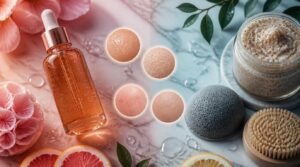
Not every skin type reacts the same way to exfoliation, and that’s exactly why this step trips people up. What works wonders for oily skin can leave sensitive skin red and irritated. Here’s how to match the right method to your specific skin type.
Oily and Acne-Prone Skin
Oily, acne-prone skin needs oil control, not just exfoliation. Reach for BHAs like salicylic acid (0.5%–2%) — this oil-soluble acid slips into pores to dissolve sebum and clear the pores from the inside out.
BHA pore penetration helps prevent comedones and calms breakout-triggering inflammation. Studies show it can cut inflammatory lesions by 40%-60%, taming T-zone shine while keeping new clogs from forming.
Dry or Dehydrated Skin
Dry or dehydrated skin needs moisture, not more stripping. Ask yourself: does your skin feel tight and dull, or rough and flaky? That’s the tell.
- Lactic acid or PHAs for gentle chemical exfoliation
- Skip harsh physical exfoliation
- Support water balance restoration
- Protect your skin barrier
Hydration softens fine lines and restores radiance, easing tightness without triggering sensitivity.
Sensitive or Reactive Skin
Ever notice your skin flushing or stinging within seconds of trying something new? That’s reactive skin talking.
Identifying triggers matters most here—fragrance, alcohol, temperature swings.
Choose enzymes or low-strength PHAs over acids or grainy scrubs. Minimizing stinging and reducing redness protects your skin barrier health, preventing flare-ups, tightness, and barrier recovery setbacks that keep sensitive skin stuck in a cycle of irritation.
Mature or Dull Skin
Collagen renewal slows with age, leaving skin less bouncy and more prone to fine lines.
Alpha-Hydroxy Acids boost cell turnover rates, fading dullness and restoring skin radiance.
Gentle chemical peeling smooths texture without stressing fragile, thinning skin.
For radiant complexion recovery, pair AHAs with rich moisturizers—mature skin loses moisture retention easily, so hydration keeps results looking fresh, not flaky.
Dark Spots and Hyperpigmentation
Dark spots don’t fade on their own timeline—they fade on yours. Melanin production kicks into overdrive from acne marks, melasma, or UV-induced spots, so pick your exfoliant carefully.
Dark spots fade on your timeline, not their own, so choose your exfoliant with care
- Postinflammatory hyperpigmentation from acne
- Melasma patches from hormones
- Sunspots from UV exposure
- Skin irritation triggering more melanin
- Darker tones needing gentler care
Mandelic acid or PHAs offer skin brightening without the irritation risk of harsh scrubs.
Benefits, Risks, and Side Effects
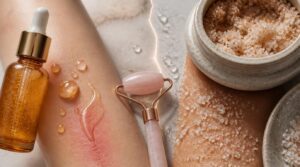
Every exfoliation method comes with a trade-off, and knowing what you’re signing up for makes all the difference. Both chemical and physical options offer real perks, but they also carry risks if you push too hard or mix the wrong products. Here’s what you need to watch for, starting with what each method does best.
Chemical Exfoliation Benefits
Skin cell turnover, minus the scrubbing. Chemical exfoliation works below the surface, using AHAs and BHAs to dissolve dead-cell bonds and clear clogged pores without friction.
| Benefit | How It Happens | Skin Payoff |
|---|---|---|
| Pore decongestion | BHAs dissolve oil | Fewer breakouts |
| Skin brightening | Cellular turnover | Fading dark spots |
| Texture refinement | Surface renewal | Smoother feel |
Consistent use also helps with collagen stimulation over time.
Physical Scrub Benefits
Instant texture smoothing is the biggest draw of physical exfoliation. Granular scrubs buff away pore debris and dead cells right away, no waiting for cell turnover.
Massaging also boosts enhanced blood circulation and aids lymphatic drainage, easing puffiness. The payoff? A radiant skin glow you can feel the moment you rinse off—manual scrubs deliver satisfaction chemical acids simply can’t match instantly.
Over-Exfoliation Warning Signs
Persistent redness, burning, or sudden breakouts are your skin’s way of waving a red flag. Overexfoliating disrupts the skin barrier, inviting inflammation and sensitivity.
Watch for skin peeling, tightness, or a rashlike texture. Increased sun sensitivity often follows, too. That satisfying glow shouldn’t come with stinging—if it does, your routine’s pushing too hard, and it’s time to scale back.
Barrier Damage Risks
Barrier damage builds quietly, often behind those warning signs you just learned to spot. Three culprits drive it:
- Microtear formation from rough scrubbing
- Lipid depletion, stripping moisture-holding oils
- Inflammatory responses raising transepidermal water loss
Recovery mismanagement—skipping rest days—turns temporary irritation into chronic sensitivity, weakening your barrier’s ability to bounce back.
Ingredient Mixing Mistakes
Mixing acids carelessly causes more harm than the acids themselves. Layering different exfoliating ingredients, or pairing acids with retinol, overwhelms your skin barrier fast.
Stick to one active per session. Avoid combining chemical exfoliant and physical scrub methods same-day—that’s a classic overexfoliation trap that leaves skin raw, reactive, and worse off than when you started.
Safe Exfoliation Routine Tips

Knowing the difference between chemical and physical exfoliation is only half the job. The real results come from how you use them, day to day. Here’s what to keep in mind before you add either one to your routine.
How Often to Exfoliate
More isn’t always better. Your ideal frequency depends on skin type: oily skin often controls BHAs 2-3 times weekly, while dry or sensitive skin does best starting once weekly.
- Redness or stinging
- Flaking or tightness
- Sudden breakouts
These signal overexfoliation. Adjust seasonally too — winter often demands less frequency to protect your skin barrier and sensitivity.
Apply Acids Correctly
Get the order right, and your acid actually works. Start on clean, dry skin — trapped residue or leftover moisture can dilute Alpha-Hydroxy Acids and Beta-Hydroxy Acids alike.
Apply thin layers, let them absorb before moisturizer. Never stack multiple acid-based treatments in one routine; that’s how irritation starts.
Patch test first, especially with new chemical peel concentrations. If stinging persists, dial back frequency or strength.
SPF After Exfoliating
Skipping SPF isn’t optional here. Freshly exfoliated skin is more sensitive to UV damage, so broad-spectrum SPF 30+ is non-negotiable, protecting against both UVA (aging, pigment) and UVB (burning) rays.
Apply after moisturizer, letting chemical formulas absorb fully. Reapply every two hours outdoors — sweat and water exposure cut effectiveness fast, raising your risk of post-exfoliation dark spots.
When to Stop Exfoliating
Your skin will tell you when to quit — you just have to listen. Watch for these five signs:
If you’re unsure what “too much” looks like, this honest breakdown of dry brushing for cellulite covers the real limits of what your skin can handle.
- Redness lasting beyond an hour
- Burning, stinging, or tenderness
- Peeling or a rash-like reaction
- Stinging when applying sunscreen
- Retinoid or benzoyl peroxide use
These signal a compromised skin barrier. Pause actives for 7–14 days, then restart weekly, slowly rebuilding tolerance.
Frequently Asked Questions (FAQs)
Can I exfoliate if Im pregnant or nursing?
Yes, but skip the strong stuff. Gentle acids like lactic acid are generally fine, since pregnancy heightens skin sensitivity. Always consult a medical professional first, and avoid high-risk actives like retinoids or hydroquinone during pregnancy or nursing.
Are hybrid scrub-and-acid products actually effective?
Combining fine granules with acids gives you dual-action results: immediate texture improvement plus ongoing chemical exfoliant benefits.
Look for gentle granule sizes and low acid concentrations, so your skincare routine gets smoother, faster results without the micro-tears harsh manual scrubs cause.
How long should I wait between patch test and use?
Wait a full 72 hours after your patch test observation window ends, monitoring 5-7 days for delayed reactions first. Any redness or irritation means pausing acid-based treatments entirely until your skin barrier fully recovers before trying again.
Can dermaplaning replace chemical exfoliation altogether?
Think of dermaplaning as sweeping the porch, not renovating the foundation. It clears vellus hair and surface debris, but mechanical exfoliation limits mean it can’t handle deep pore targeting—so chemical exfoliants still matter for real, lasting renewal.
Is it safe to exfoliate right before sun exposure?
Not right before. Fresh exfoliation raises UV sensitivity and irritation risk, weakening your skin barrier. Exfoliate about three days ahead, rinse acids on time, then always apply broad-spectrum SPF 30+ for even adhesion and real protection.
Conclusion
Here’s what your skin already knows: healing takes patience, not force. The real answer in chemical exfoliation vs physical scrubs isn’t about picking a winner. It’s about matching method to skin type, then respecting the process.
Acids work quietly while you sleep. Scrubs deliver instant polish but demand a lighter hand.
Start slow, watch how your skin responds, and adjust. Your complexion will tell you everything—listen before you scrub.