This site is supported by our readers. We may earn a commission, at no cost to you, if you purchase through links. This content is for general informational and educational purposes only and is not a substitute for professional medical, dermatological, or nutritional advice.

Most people grab whatever razor’s on sale without a second thought—then spend the next week dealing with razor burn, nicks, and stubble that never quite disappears.
The blade doing the work matters more than the handle holding it, and that’s a distinction most grooming aisles don’t make obvious. Coarse hair, sensitive skin, and daily shaving all pull your blade in different directions, and a one-size-fits-all approach rarely wins.
Choosing the right razor blade comes down to matching specific features—sharpness, coating, edge geometry—to your skin, hair type, and how often you shave. The ten blades ahead narrow the field considerably.
Table Of Contents
- Key Takeaways
- Key Factors When Choosing a Razor Blade
- Comparing Razor Blade Types and Features
- Top 10 Razor Blades to Consider
- 1. Astra Platinum Double Edge Razor Blades
- 2. Bic Chrome Platinum Razor Blades
- 3. Bluebird Single Edge Razor Blades
- 4. Derby Single Edge Razor Blades
- 5. Feather Double Edge Razor Blades
- 6. Gillette Platinum Double Edge Razor Blades
- 7. Lord Super Stainless Razor Blades
- 8. Merkur Double Edge Razor Blades
- 9. Muhle Stainless Steel Razor Blades
- 10. Parker Double Edge Razor Blades
- Matching Razor Blades to Your Needs
- Razor Blade Maintenance and Best Practices
- Frequently Asked Questions (FAQs)
- How to know which razor blade to use?
- What is the sharpest razor blade for shaving?
- How do I choose the right razor blade?
- How many blades should a razor have?
- How do I choose a shaver & a blade?
- Which type of razor should I choose?
- Which razor blade should I buy?
- Should you use a sharp razor blade?
- How do I choose a shaving blade?
- When determining razor quality, what are 6 factors to consider?
- Conclusion
Key Takeaways
- Your skin type and hair coarseness are the two biggest factors in choosing a razor blade — sensitive skin needs coated, milder blades, while coarse hair demands sharper, more durable edges.
- Blade coatings like platinum, Teflon, and chromium aren’t just marketing — they directly affect glide, edge retention, and how kind the blade is to your skin over multiple shaves.
- Safety razor blades cost as little as $0.10–$0.40 each and can deliver 5–20 shaves with proper care, making them far more economical than disposables or cartridges over time.
- Simple maintenance habits — rinsing thoroughly, air-drying instead of wiping, and storing away from moisture — can nearly quadruple a blade’s usable life and keep irritation at bay.
Key Factors When Choosing a Razor Blade
Picking the right razor blade isn’t just about grabbing whatever’s on sale — it actually comes down to a few personal factors that make a real difference. Your skin, your hair, how often you shave, and what you’re willing to spend all point you toward a blade that works for you instead of against you.
Getting the details right matters, so brushing up on razor blade handling best practices can save your skin — literally.
Here are the key things worth thinking about before you buy.
Skin Type and Sensitivity
Your skin type is the single biggest gatekeeper between a smooth shave and a morning of regret. Sensitive areas like the neck and jawline are especially prone to razor burn when your skin barrier is already compromised. Irritation factors stack fast—wrong blade, wrong pressure, done.
Your skin type is the ultimate gatekeeper: wrong blade, wrong pressure, and the neck and jawline pay the price
Key skin sensitivity considerations:
- Normal skin tolerates most blades well
- Dry or sensitive skin needs coated, milder blades
- Oily skin risks clogged follicles post-shave
- Combination skin may react inconsistently across zones
- Compromised skin barrier amplifies razor burn and irritation
For expert guidance on selecting the right technique, consider these sensitive skin shaving tips.
Hair Type and Coarseness
Just like your skin type shapes blade choice, your hair type runs the show just as much. Coarse hair — often 80 microns or more — resists dull edges and causes tugging. Fine hair bends before it cuts if blade sharpness isn’t there.
Hair texture and hair density both determine how aggressive your shaving technique needs to be.
| Hair Type | Blade Quality Needed | Shaving Technique |
|---|---|---|
| Fine | Moderately sharp | Single light pass |
| Medium | Razor blade sharpness | One to two passes |
| Coarse | Maximum blade quality | Multiple short strokes |
If you’re unsure about the distinctions between fine and coarse hair characteristics, helpful guides can clarify the differences and inform your razor blade selection.
Shaving Frequency and Area
How often you shave — and where — shapes which blade you actually need. Your shaving frequency and shaving area directly influence razor blade sharpness requirements and how forgiving your shaving technique needs to be.
- Face daily: Shave patterns here demand sharper blades; hair growth is fast, and skin irritation builds quickly without proper blade rotation.
- Legs every 2–3 days: Skin here tolerates slightly more aggressive shaving technique, so mid-range blades hold up fine.
- Underarms every 2–3 days: Moisture and friction make razor burn a real risk — gentler blades win here.
- Bikini line 1–2 times weekly: Delicate skin means your shaving routine should prioritize smooth coatings over raw sharpness.
- Rest days matter: Skipping at least one shaving day weekly lets your skin barrier recover, regardless of shaving area.
Budget and Maintenance Needs
Budget shapes your razor blade selection more than most people admit. Disposable razors run about $40 yearly — fine for occasional shavers.
But reusable razors with double edge blades drop your cost analysis to roughly $10–40 annually. Higher shave frequency makes blade longevity and razor maintenance matter more.
Simple maintenance tips — rinse, dry, store properly — can stretch razor blade sharpness from 5 shaves to nearly 20.
Comparing Razor Blade Types and Features
Not all razor blades are created equal, and the differences go deeper than just price.
From disposables to safety razors, coatings to handle grip, each feature shapes how your shave actually feels.
Here’s what you need to know before picking the right one.
This refined vs. unrefined coconut oil breakdown walks through the key differences in processing, flavor, and best uses so you can choose with confidence.
Disposable Vs. Cartridge Blades
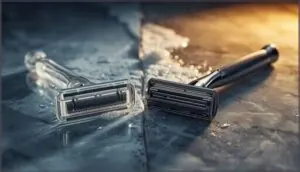
Disposable razors are cheap upfront — usually under $2 — but blade durability takes a hit fast, often dulling after five to seven shaves.
Cartridge razors cost more yet deliver better razor comfort, shave quality, and longer-lasting performance across ten to fifteen shaves. For razor blade selection, cartridges win on efficiency; disposables win on convenience. Worth noting: both carry a real environmental impact.
Safety Razor Blades
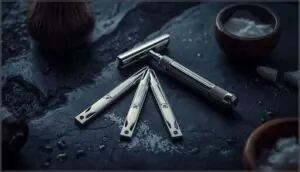
Safety razors give you something cartridges rarely do — real control. With a double edge blade, blade sharpness and edge geometry determine everything about your shave:
- Feather: extremely sharp, ideal for coarse hair
- Astra Platinum: balanced sharpness for daily use
- Derby: milder, forgiving for beginners
- Personna: Feather-level sharpness, lower blade durability
Razor blade selection here rewards good shaving techniques.
Blade Coatings and Materials
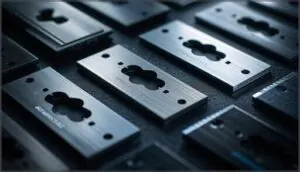
What’s actually inside your blade matters more than the brand name on the box. Most double-edged razor blades use Stainless Steel or Carbon Alloys as their base, each shaping razor blade sharpness differently.
| Coating Type | Material | Benefit |
|---|---|---|
| Hard Coatings | Platinum, Chromium | Edge durability |
| Low Friction | PTFE (Teflon) | Smoother glide |
| Noble Metals | Titanium, Platinum | Skin-friendly protection |
| Stainless Steel | Martensitic alloy | Rust resistance |
| Carbon Alloys | High-carbon steel | Maximum sharpness |
Stainless resists rust well; carbon cuts aggressively but demands more care — razor blade selection and maintenance both depend on understanding this tradeoff.
Handle Design and Grip
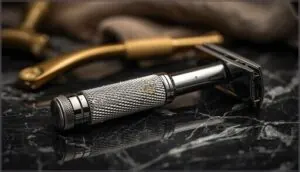
The grip is your steering wheel — and it’s easy to overlook during razor blade selection.
Ergonomic grips with thoughtful knurling patterns keep control sharp, even with soapy hands.
Handle materials like stainless steel or brass affect balance points and overall feel.
A well-weighted safety razor practically guides itself.
Get the grip texture right, and razor maintenance becomes second nature too.
Top 10 Razor Blades to Consider
Now that you know what to look for, it’s time to put that knowledge to work.
These ten blades cover a solid range of skin types, hair textures, and budgets, so there’s a good chance your next favorite is somewhere on this list.
Here’s a closer look at each one.
1. Astra Platinum Double Edge Razor Blades
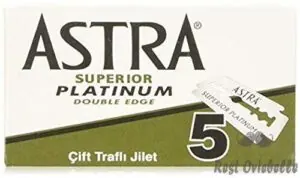
If you’re just getting into double edge shaving, Astra Platinum blades are one of the smartest starting points out there. Made from stainless steel with a ultra-thin platinum coating, they glide cleanly without dragging — especially on sensitive skin.
You’ll usually get 4 to 5 comfortable shaves per blade, and a 100-count bulk pack usually runs under $15. That’s hard to beat. They fit any standard DE razor, so no proprietary nonsense to worry about.
| Best For | Beginners and budget-conscious wet shavers with normal to sensitive skin who want a reliable, no-fuss entry into double edge shaving. |
|---|---|
| Blade Material | Stainless Steel |
| Blade Coating | Platinum |
| Unit Count | 100 |
| Individual Wrapping | Yes |
| Country of Origin | India |
| Razor Compatibility | Standard DE Razors |
| Additional Features |
|
- Great value — 100 blades for under $15 means you’re paying pennies per shave
- Smooth, comfortable glide thanks to the platinum coating, even on sensitive skin
- Fits any standard DE razor, so there’s no compatibility headache
- May not satisfy experienced shavers chasing a ultra-sharp, aggressive blade
- The nickel-steel alloy can trigger reactions in users with metal sensitivities
- Not the best pick for very coarse or thick hair that needs a more heavy-duty edge
2. Bic Chrome Platinum Razor Blades
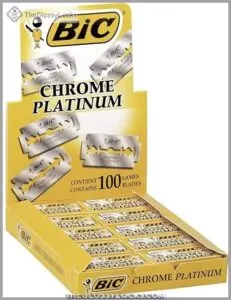
BIC isn’t just a pen company — these Chrome Platinum blades mean serious business.
They are triple honed and coated with chrome platinum, polymer, and Teflon, they’re built to cut cleanly without dragging across your face.
You’ll usually get around three solid shaves per blade, which is respectable.
They come individually wrapped, fit any standard DE razor, and a 50-count pack is easy on your wallet.
Made in Greece from quality stainless steel, they punch well above their price point.
| Best For | Anyone who wants a reliable, wallet-friendly DE blade — especially guys with coarse hair or sensitive skin who need a smooth shave without the premium price tag. |
|---|---|
| Blade Material | Stainless Steel |
| Blade Coating | Chrome Platinum + Teflon |
| Unit Count | 50 |
| Individual Wrapping | Yes |
| Country of Origin | Greece |
| Razor Compatibility | Standard DE Razors |
| Additional Features |
|
- Triple honed with chrome platinum and Teflon coating for a clean, comfortable shave with minimal drag
- Fits any standard double edge razor and comes individually wrapped to stay sharp and sterile on the shelf
- 50 blades at a budget price makes this one of the best value packs you’ll find
- Blades can dull after just 3–4 shaves, so heavy shavers may go through them faster than expected
- Some users have reported inconsistent quality control, with the occasional blunt or uneven blade in the pack
- Requires decent shaving technique — not the most forgiving option if you’re still learning the ropes with a safety razor
3. Bluebird Single Edge Razor Blades
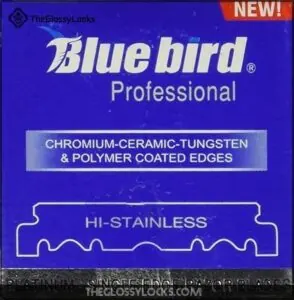
If BIC plays it safe, Bluebird takes things a step further into barbershop territory.
These single edge blades are made for shavettes and cut-throat style razors, pre-cut so you never have to snap a double edge blade yourself. Each one is coated with chromium, tungsten, platinum, and a polymer layer — meaning smooth glide with real edge retention. A box of 100 keeps your costs low, and most users get a full week of daily shaves from a single blade.
| Best For | Barbers and straight razor enthusiasts who want a reliable, cost-effective single edge blade for shavettes and cut-throat razors. |
|---|---|
| Blade Material | Stainless Steel |
| Blade Coating | Chromium + Tungsten + Platinum |
| Unit Count | 100 |
| Individual Wrapping | Yes |
| Country of Origin | Not Specified |
| Razor Compatibility | Cut Throat / Shavette |
| Additional Features |
|
- Coated with chromium, tungsten, platinum, and a polymer layer for a smooth, comfortable glide
- Pre-cut single edge design means no blade snapping — ready to use right out of the box
- 100 blades per box keeps costs low, with most users getting a full week of use per blade
- May feel dull compared to sharper brands like Feather, especially on coarser hair
- Not ideal for head shaving or daily use if you need a consistently aggressive edge
- Some quality control inconsistencies reported, so blade performance can vary from box to box
4. Derby Single Edge Razor Blades
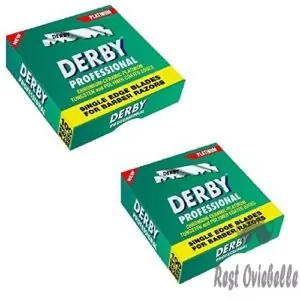
Derby takes a gentler approach than Bluebird, and that’s actually a selling point for the right person.
These pre-cut single edge blades fit straight razors and shavettes without any DIY splitting. They’re stainless steel with chromium, tungsten, platinum, and polymer coatings — smooth enough for sensitive skin, forgiving enough for beginners learning technique.
A 100-count box runs under ten dollars, making mistakes cheap. If you’re just starting out with a shavette, Derby is a smart first stop.
| Best For | Beginners learning straight shaving or shavette technique who want an affordable, forgiving blade that’s easy on sensitive skin. |
|---|---|
| Blade Material | Stainless Steel |
| Blade Coating | Uncoated |
| Unit Count | 200 |
| Individual Wrapping | No |
| Country of Origin | Not Specified |
| Razor Compatibility | Cut Throat / Shavette |
| Additional Features |
|
- Budget-friendly at under $10 for 100 blades, so mistakes don’t cost much
- Pre-cut to fit straight razors and shavettes with no splitting required
- Smooth coatings make them gentle enough for sensitive skin
- May feel too dull for guys with thick or coarse beard hair
- Not aggressive enough if you want a really close, barbershop-tight shave
- Blade quality has reportedly varied over time, so consistency isn’t guaranteed
5. Feather Double Edge Razor Blades
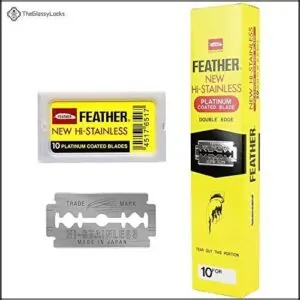
From gentle to unapologetically sharp — that’s the Feather difference. Feather’s Double Edge blades are made in Japan from platinum-coated stainless steel, and they earn their reputation fast.
They’re considered some of the sharpest DE blades available, cutting through coarse stubble cleanly with minimal passes. Each blade usually delivers two to four great shaves before performance drops. At roughly $0.40 per blade in a 100-count pack, the value holds up.
Just know your technique before loading one — these don’t forgive sloppy angles.
| Best For | Experienced wet shavers who want an exceptionally close shave and aren’t afraid of a sharp blade. |
|---|---|
| Blade Material | Stainless Steel |
| Blade Coating | Platinum |
| Unit Count | 200 |
| Individual Wrapping | No |
| Country of Origin | Japan |
| Razor Compatibility | Standard DE Razors |
| Additional Features |
|
- Platinum-coated stainless steel blades deliver one of the closest, cleanest shaves you can get from a DE razor
- Great value at around $0.22 per blade in a 200-count pack — that’s a lot of shaves for the money
- Works with most double edge razors and travels well thanks to the disposable blade containers
- Extremely sharp edges punish poor technique, so beginners risk nicks and cuts
- Not the best pick for sensitive skin that’s prone to irritation
- Blade life varies quite a bit depending on your hair type, skin, and shaving habits
6. Gillette Platinum Double Edge Razor Blades
If Feather’s blade is a scalpel, Gillette Platinum is the steady hand guiding it. Built on stainless steel with a platinum-polymer coating, these blades deliver a smooth, controlled shave without the aggressive bite.
You’ll usually get three to four solid shaves per blade — sometimes five if your beard runs lighter. They fit any standard DE safety razor and come in 100-count packs for long-term value. Sharp enough to impress, forgiving enough that you won’t regret loading one on a rushed Monday morning.
| Best For | Wet shavers and barbers who want a reliable, smooth blade that’s forgiving on sensitive skin without breaking the bank. |
|---|---|
| Blade Material | Stainless Steel |
| Blade Coating | Platinum + Polymer |
| Unit Count | 100 |
| Individual Wrapping | Yes |
| Country of Origin | Not Specified |
| Razor Compatibility | Standard DE Razors |
| Additional Features |
|
- Platinum-polymer coating makes each shave smooth and comfortable, even on sensitive skin
- Fits any standard DE safety razor, so no compatibility headaches
- 100-count pack keeps your supply stocked for months at a price that makes sense
- Not the sharpest blade on the market — experienced shavers chasing max edge may want something more aggressive
- Blade life varies depending on your hair type and razor, so mileage will differ
- Some users have noticed inconsistencies between older and newer packaging lots
7. Lord Super Stainless Razor Blades
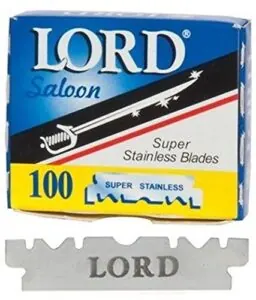
Lord Super Stainless blades are the workhorse of the shaving world — nothing flashy, just reliable, consistent performance day after day. Made by Lord Precision Industries in Alexandria, Egypt, these stainless steel blades hit a comfortable middle ground between sharp and smooth.
You’ll usually squeeze seven to eight shaves out of each blade, which makes the bulk 1,000-count pack genuinely practical for barbers or committed daily shavers. They won’t blow you away, but they won’t let you down either.
| Best For | Professional barbers and high-volume shavers who want a reliable, no-fuss blade in bulk without paying a premium. |
|---|---|
| Blade Material | Stainless Steel |
| Blade Coating | Uncoated |
| Unit Count | 1000 |
| Individual Wrapping | Yes |
| Country of Origin | Not Specified |
| Razor Compatibility | Single Edge Razors |
| Additional Features |
|
- Great value for money — 1,000 blades go a long way for daily use or a busy barber chair
- Stainless steel construction gives you a decent balance of sharpness and smoothness
- Each blade is individually wax paper wrapped, keeping them clean and easy to grab
- Some customers have flagged quality consistency issues, so you might get the occasional dud
- The 1,000-count pack is overkill for casual or infrequent shavers
- Lower Amazon ranking suggests it doesn’t quite match up to more popular competitors in its category
8. Merkur Double Edge Razor Blades
Merkur’s double edge blades sit comfortably in the middle lane — not the sharpest option out there, but smooth, forgiving, and surprisingly consistent.
Made from stainless steel with platinum and Teflon coatings, they glide rather than scrape, which your skin will appreciate.
Most shavers get five to seven comfortable shaves per blade before noticeable tugging kicks in. They’re a solid pick if you’re moving from cartridges to safety razors and still finding your footing.
| Best For | Shavers who are transitioning from cartridge razors to safety razors and want a forgiving, consistent blade that doesn’t punish beginner technique. |
|---|---|
| Blade Material | Stainless Steel |
| Blade Coating | Platinum + Teflon |
| Unit Count | 30 |
| Individual Wrapping | Yes |
| Country of Origin | Czech Republic |
| Razor Compatibility | Standard DE Razors |
| Additional Features |
|
- The platinum and Teflon coatings make for a smooth glide — your skin notices the difference, especially on sensitive areas.
- Compatible with all standard DE razors, so you’re not locked into any one handle.
- Consistent edge quality means you can count on five to seven comfortable shaves per blade without much variation.
- Long-time fans have noticed a dip in quality since production moved from Germany to the Czech Republic.
- The edge doesn’t hold up as long as some competing blades in the same price range.
- A bit pricier than expected, which stings a little given the reported quality concerns.
9. Muhle Stainless Steel Razor Blades
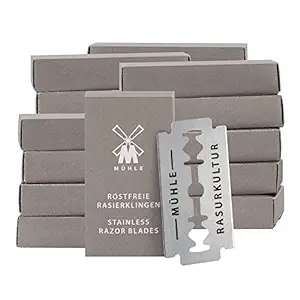
Muhle’s stainless steel double edge blades are built in Germany and hit that sweet spot between sharp and forgiving. They’re designed for standard safety razors, so compatibility won’t be an issue.
The double edge design lets you flip the blade mid-shave, stretching its value further. Mild to moderate aggression users tend to get the most out of these — clean cuts without punishing your skin.
For sensitive skin or daily shavers, they’re a reliable, eco-friendlier choice worth keeping stocked.
| Best For | Daily shavers and people with sensitive skin who want a reliable, eco-friendly blade that works with any standard safety razor. |
|---|---|
| Blade Material | Stainless Steel |
| Blade Coating | Uncoated |
| Unit Count | 200 |
| Individual Wrapping | No |
| Country of Origin | Not Specified |
| Razor Compatibility | All Safety Razors |
| Additional Features |
|
- Made from high-quality stainless steel in Germany, so you’re getting a sharp, durable blade that holds up well
- Works with all standard safety razors and the double edge design stretches the value of each blade further
- A solid eco-friendlier pick that cuts down on plastic waste without sacrificing shave quality
- Pricier than most drugstore blades, so the upfront cost is something to factor in
- Results can vary depending on your skin type and technique — not everyone will notice a big difference
- Blade lifespan can be hit or miss for some users, meaning you may go through them faster than expected
10. Parker Double Edge Razor Blades
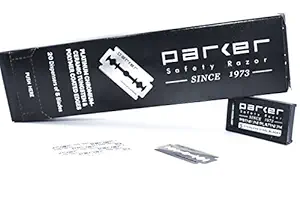
Parker’s triple coating — platinum, tungsten, and chromium — might sound like overkill, but each layer earns its place. The platinum reduces drag, tungsten keeps the edge sharp longer, and chromium fights corrosion.
These blades sit comfortably in the medium-sharp range, so they’re forgiving enough for daily shaves without feeling dull. They’re built from Sandvik stainless steel, honed on German machinery, and come in a 100-pack with safe disposal built into the dispenser. Solid all-around value for barbers and home shavers alike.
| Best For | Daily shavers, barbers, and anyone with sensitive skin who wants a smooth, close shave without spending a lot. |
|---|---|
| Blade Material | Stainless Steel |
| Blade Coating | Platinum + Tungsten + Chromium |
| Unit Count | 100 |
| Individual Wrapping | No |
| Country of Origin | Not Specified |
| Razor Compatibility | Standard DE Razors |
| Additional Features |
|
- Triple coating (platinum, tungsten, chromium) keeps the edge sharp and corrosion-free longer than basic blades
- Medium sharpness makes them forgiving for beginners while still delivering a clean, comfortable shave
- Great value — 100 blades with built-in safe disposal slots in each dispenser
- Not the sharpest option out there — if you’re used to Feather blades, these may feel like a step down
- Packaging can be frustrating with no easy tear tab to open the plastic wrapper
- May struggle with coarse or thick hair, and some users only get 4–5 shaves per blade before noticing a drop in performance
Matching Razor Blades to Your Needs
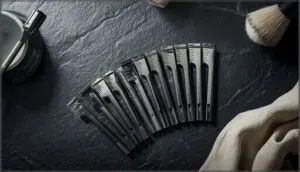
Not every blade works the same for every person, and that’s the whole point. Your skin type, hair texture, and experience level all play a role in finding what actually works for you.
Here’s a breakdown to help you match the right blade to your specific needs.
Sensitive Skin Recommendations
Sensitive skin doesn’t have to mean dreading shave day. Derby and Astra are solid sensitive skin products — mild blades that cut cleanly without punishing your face.
Pair them with proper shaving techniques like short, light strokes with the grain, and a fragrance-free balm afterward for razor burn prevention. Your skin type should always drive the blade choice, not habit.
Best Blades for Coarse Hair
Coarse hair is basically a stress test for any blade — and weak ones fail fast. For thick, wiry stubble, blade sharpness and edge durability aren’t optional extras; they’re the whole game.
Astra High-Grade Platinum and Gillette Nacet cut coarse hair cleanly across multiple shaves without excessive tugging. Bic Chrome Platinum earns high marks too, balancing razor blade sharpness and durability with a smoother feel on skin.
Beginner-Friendly Options
Starting out with a safety razor doesn’t have to feel like defusing a bomb. Mild blades like Astra Premium Platinum and Dorco ST-301 are go-to starter kits for a reason — they’re forgiving while you’re still dialing in your shave technique.
Pair them with beginner razors like the Merkur 34C or Henson AL13 for built-in safety features that keep early mistakes minor.
Value and Durability Considerations
Once you’ve nailed your technique, it’s time to make sure your wallet agrees with your routine. Razor blade quality and shave economy often come down to these four factors:
- Cost Analysis: Double edge blades run $0.30–$1.50 each, slashing monthly costs versus disposable razors
- Blade Longevity: Coated blades deliver 7–10 shaves; blade sharpness and durability hold longer
- Rust Resistance: Platinum coatings seal steel against humidity, protecting razor blade sharpness over time
- Razor Maintenance: Proper drying extends sharpness factors and delays replacement cycles
Razor Blade Maintenance and Best Practices
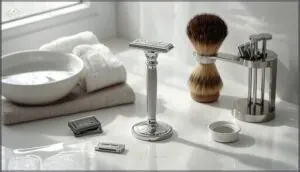
Getting the most out of your razor blade isn’t just about picking the right one — it’s also about how you treat it after each use. A few simple habits can stretch your blade’s life, protect your skin, and keep things safe around the bathroom.
Here’s what you need to know.
Changing Blades Regularly
Most people wait too long to swap out a razor blade, and your skin pays for it. For daily shavers, a solid replacement schedule means changing your razor blade every one to two weeks.
Coarse hair wears down blade sharpness faster, so adjust accordingly. Consistent razor maintenance protects against skin irritation, nicks, and that dreaded dragging feeling that no shave routine needs.
Cleaning and Storing Blades
Once blades are swapped on schedule, keeping them clean makes every shave count. A solid razor maintenance and care routine doesn’t need to be complicated.
- Rinse thoroughly — 10–20 seconds under warm running water clears buildup fast.
- Shake, don’t wipe — blade drying by air beats towel-dragging every time.
- Dip in 70%+ alcohol — quick razor sanitizing manages bacteria and rust prevention together.
- Store it smart — storage methods like a razor stand beat damp shower ledges for blade sharpness and durability.
Using Shaving Creams and Gels
The right shaving cream or gel does more than just smell nice — it’s what stands between your skin and a rough ride. Shaving cream benefits start with lubrication methods that let the razor glide cleanly, softening hair and boosting skin hydration before the blade ever touches down.
For sensitive skin, a fragrance-free cream reduces drag dramatically. Gel texture works better for quick routines. Either way, don’t skip it.
Safe Blade Disposal Tips
After shaving, don’t just toss loose razor blades into the trash — that’s how sanitation workers get hurt.
Proper disposal means dropping used safety razor or disposable razor blades into a sharps container or sealed metal tin. Label it clearly, tape the lid, and check local waste management rules. Some brands even offer blade recycling programs, making safe handling surprisingly straightforward.
Frequently Asked Questions (FAQs)
How to know which razor blade to use?
Picking the wrong razor blade is more common than you’d think — studies suggest nearly 60% of shavers deal with skin irritation simply from using the wrong blade for their hair texture and skin type.
What is the sharpest razor blade for shaving?
Feather Hi Stainless double-edged razor blades top every sharpness ranking.
Their platinum-coated edge delivers outstanding cutting efficiency, razor blade sharpness and durability, and superb shave quality — making them the benchmark for sharp blades.
How do I choose the right razor blade?
There’s no one-size-fits-all answer here. Your skin sensitivity, hair coarseness, and shaving techniques all point you toward different razor blade sharpness and durability levels that actually work for your face.
How many blades should a razor have?
For most people, two to three blades hit the sweet spot — enough Blade Count for solid Shave Efficiency without the Skin Irritation that higher-count Cutting Technology and Razor Design can trigger.
How do I choose a shaver & a blade?
Your skin sensitivity and hair type narrow the field fast. Match shaver types and blade materials to both, then let shaving frequency seal the deal.
Which type of razor should I choose?
Your razor selection really comes down to three things: skin sensitivity, hair coarseness, and budget.
Safety razors offer precision and low cost, cartridge razors bring convenience, and electric razors like Braun minimize irritation fast.
Which razor blade should I buy?
Your skin type, hair texture, and shaving techniques all steer the answer.
Sharp blades suit coarse hair; milder ones protect sensitive skin conditions.
DoubleEdged Razor Blades balance razor materials, cost, and control beautifully.
Should you use a sharp razor blade?
Yes — sharp blades are the clear winner for shave comfort and razor safety. Razor blade sharpness reduces skin irritation, cuts cleanly without tugging, and makes every shaving session smoother and safer on your skin.
How do I choose a shaving blade?
Start with your skin sensitivity and hair type. Coarse hair needs sharp blades; sensitive skin does better with milder ones. Match blade durability to how often you shave.
When determining razor quality, what are 6 factors to consider?
Six factors shape razor quality: blade sharpness, edge geometry, coating durability, razor comfort, skin compatibility, and corrosion resistance.
Together, they determine how cleanly and consistently your shaving routine performs over time.
Conclusion
Sure, experimenting with razor blades feels tedious when you just want a clean shave—but choosing the right razor blade is a one-time learning curve that pays off every morning after.
Match your skin, your hair type, and your shaving habits to the right edge, and razor burn becomes a distant memory. You don’t need the most expensive option on the shelf. You just need the right one for you.