This site is supported by our readers. We may earn a commission, at no cost to you, if you purchase through links. This content is for general informational and educational purposes only and is not a substitute for professional medical, dermatological, or nutritional advice.
That bunny logo on the bottle? It might mean less than you think. I’ve spent years formulating shampoos, and I still see people grab a "cruelty-free" label and assume it also means vegan. Nope! (Lanolin and keratin sneak into plenty of "kind" formulas.)
Finding a cruelty free shampoo that actually fits your hair shouldn’t feel like decoding a chemistry exam. Whether you’re fighting brassy blonde, hard-water buildup, or a flaky scalp, the right bottle exists, and some cost just $7.99 at Target.
Here are six I’d happily put in my own shower, starting with the one that rescues dry hair.
Table Of Contents
- Key Takeaways
- Best Cruelty-Free Shampoos for Every Hair Type
- What is Cruelty-Free Shampoo—and is It Vegan?
- How to Choose Cruelty-Free Shampoo for Your Hair and Scalp
- Drugstore Vs. Salon Cruelty-Free Shampoos: What’s Worth Paying For?
- Where to Buy Cruelty-Free Shampoo and Verify Brand Claims
- Frequently Asked Questions (FAQs)
- Which shampoo brands are cruelty-free?
- Which shampoo brands are not cruelty-free?
- Which shampoo doesn’t test on animals?
- Does Dove shampoo use animal testing?
- Are cruelty free shampoos as effective as regular shampoos?
- How do I know which shampoo brands are truly cruelty free?
- Where can I find cruelty free shampoos in physical stores?
- How long do cruelty-free shampoos typically last?
- Are cruelty-free shampoos safe during pregnancy?
- Can cruelty-free shampoos help with hair growth?
- Conclusion
Key Takeaways
- "Cruelty-free" only means no animal testing, so you’ll still need to check the label for lanolin, keratin, honey, or silk if you want a truly vegan shampoo.
- Don’t trust a bunny logo alone: confirm the brand in the Leaping Bunny directory (updated in real time) or PETA’s list, and check that its certification is current.
- Match your shampoo to your hair and scalp needs, like argan oil for dry hair, a violet-pigment shampoo for brassy blonde, a clarifying formula for buildup, or sulfur and salicylic acid for dandruff.
- You can find good options at every price, from $7.99 drugstore picks like Giovanni to $28-$36 salon brands, so splurge only when you have a specific concern like color-treated or damaged hair.
Best Cruelty-Free Shampoos for Every Hair Type
I’ve tested a LOT of shampoos, and these are the ones I’d happily put in your shower. Whether your hair is dry, damaged, brassy, flat, or flaky, there’s a cruelty-free pick below with your name on it (yes, really!). Let’s find your match!
If you’re also looking to tame flyaways or add hold between washes, these cruelty-free hairspray alternatives work beautifully with any of the shampoos below.
Hask Argan Oil for Dry Hair
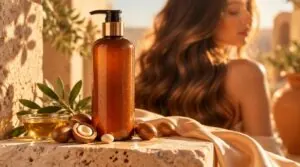
A bottle of Hask Argan Oil Shampoo is my go-to for dry or damaged hair, and it’s totally cruelty-free! It’s a sulfate-free, silicone-free moisturizing shampoo that tames frizz without weighing you down.
Is it all-natural? Nope, so skim the label if fragrance bugs you. Still, panthenol and argan oil leave your thirsty strands soft, bouncy and, honestly, kind of dreamy. The argan kernel oil in this formula is an emollient rich in unsaturated fatty acids and vitamin E, which helps explain that softness.
Giovanni Smooth as Silk for Damage
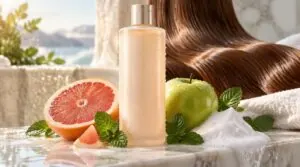
Fried ends need a different kind of love, and Giovanni Smooth As Silk delivers! This crueltyfree, vegan sulfatefree shampoo is the bomb for damaged hair.
Picture your routine:
- Cool, sleek lather glides through your strands.
- Grapefruit and apple extracts perk up tired hair.
- Panthenol and glycerin lock in moisture.
- Frizz settles down, finally.
Color-treated? Relax, you’re safe, it’s color-safe too!
Kevin Murphy Blonde Angel for Brassiness
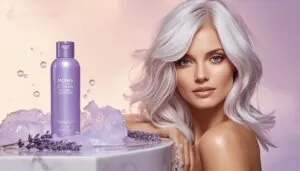
Yellow creeping into your blonde? Kevin Murphy Blonde Angel is a crueltyfree purple shampoo that fights it!
Violet pigments deposit on the hair shaft, so brassiness prevention happens with every wash, even on colortreated hair.
| Step | Action | Payoff |
|---|---|---|
| Wash | Massage wet hair | Deposits violet |
| Rinse | Rinse well | Clears residue |
| Repeat | If needed | Boosts toning |
| Frequency | Use daily | Keeps cooler blonde |
Paul Mitchell Shampoo Two for Buildup
Hair feeling dull, heavy, or just off? Blame buildup!
A lightweight smoothing cream can help tame frizz and restore shine, and you can see how hair smoothing cream benefits dull, weighed-down strands once buildup is cleared away.
Paul Mitchell Clarifying Shampoo Two is the bomb for buildup removal. Trust me. Its chelating EDTA grabs hard-water minerals, while sulfate cleansers lift silicone and styling gunk. Think of it as a scalp detox for your strands. Wash twice, then deep condition. Skip this clarifying shampoo the week after coloring, though.
Yarok Feed Your Volume for Fine Hair
A limp, flat lid on your head? Meet Yarok Feed Your Volume Shampoo, my pick for fine hair! It’s a volume-boosting shampoo built on gentle botanical ingredients like coconut protein and seaweed (the bomb for scalps). Your strands get lift without that heavy, coated feel.
You’ll love the cruelty-free certification and the zing of citrus. Just use a little, seriously!
Cruelty-Free Dandruff Shampoos for Flaky Scalps
Why do so many dandruff shampoos feel like a gamble? Because flakes aren’t all the same! JASON Dandruff Relief Shampoo is my pick (seriously, the bomb). Its 2% sulfur and 2% salicylic acid loosen flakes fast, and the scalpsoothing formula calms itch.
Use this crueltyfree shampoo two or three times weekly. You’ll often see flake reduction within two weeks.
What is Cruelty-Free Shampoo—and is It Vegan?
A bunny-free lab doesn’t mean a bee-free bottle. That’s the sneaky thing about shampoo labels, friend!
Cruelty free means no animal testing. **Vegan means no animal-derived ingredients. Different promises, and a shampoo can keep one while breaking the other (I’ve seen it a lot in formulas).
Cruelty-free means no animal testing, vegan means no animal ingredients, and a shampoo can keep one promise while breaking the other
Picture a bottle that’s paraben free, allnatural, and wearing a cute bunny logo. Still might hide:
- Beeswax glossing your ends
- Honey dripping golden
- Keratin shaved from hooves
- Silk proteins spun by silkworms
- Lanolin pulled from sheep wool
A Leaping Bunny logo proves no testing at any production stage. It says nothing about vegan status, so read the ingredient list too.
Trust me, your conscience (and your curls) will thank you for the thirty seconds.
How to Choose Cruelty-Free Shampoo for Your Hair and Scalp
Picking a cruelty-free shampoo shouldn’t feel like cracking a secret code (I promise!). Here are five quick checks that’ll help you find your perfect match without wasting money on a dud. Let’s walk through them one by one so your hair and scalp end up happy.
Verify Cruelty-Free Certification
Ever trust a bunny logo and feel betrayed later? Don’t let that happen. Fakes exist, so confirm any crueltyfree certification in the official directory. Leaping Bunny certified brands face audits, which protects animal welfare and helps ethical hair care. Consumer education starts here (it’s easy!).
| Skip it | You risk |
|---|---|
| Logo | Fake badge |
| Number match | Wasted trust |
| Directory | Betrayal |
| Date | Lies |
Match Your Hair Type
Ever notice how the "perfect" shampoo for your bestie wrecks your hair? Yep, been there!
Your texture decides everything. Imagine this:
- Fine hair loves light, non-greasy formulas that won’t flatten it
- Dry or damaged hair drinks up rich, creamy cleansers
- Blonde or silver hair needs purple toning to kill brassiness
Oily roots? Try a clarifying shampoo occasionally.
Address Your Scalp Concerns
Your scalp is skin, so treat it that way! Great scalp health starts with matching shampoo to your problem. Flaky? Go for gentle cleansing. Oily? Look for sebum regulation. Sensitive? Grab a fragrance-free option with chamomile or aloe for an anti-inflammatory scalp boost.
| Scalp Concern | What To Look For |
|---|---|
| Dandruff | Zinc pyrithione or salicylic acid |
| Dryness | Sulfate-free formulas, tea tree oil |
Check For Animal-Derived Ingredients
Once your scalp is sorted, flip the bottle over and read the label. "Cruelty-free" only means no animal testing (it doesn’t mean vegan!). Watch for lanolin, keratin, casein, and collagen, plus vague terms like "glycerin" or "parfum."
Look for vegan certification from the Vegan Society or PETA. Plantbased ingredients keep ethical hair care kind, and crueltyfree brands spell them out.
Compare Price And Availability
Now peek at the price tag and availability. Crueltyfree brands span a wide range, and ethical hair care doesn’t have to wreck your wallet.
- Drugstore: Giovanni, $7.99, found at Target and Walmart
- Salon: Kevin Murphy, $28 to $36, sold at Sephora and Ulta
- Bars: HiBAR, $14.95, $0.30 per wash
- Subscriptions: Ethique saves 10 to 15 percent
Sustainable beauty fits budgets.
Drugstore Vs. Salon Cruelty-Free Shampoos: What’s Worth Paying For?
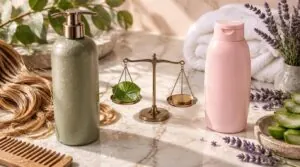
Now that you’ve got your checklist, here’s the big question: should you grab a drugstore bottle or splurge on salon? (Honestly, it depends!)
Salon formulas are usually more concentrated, so you use less per wash. Drugstore bottles cost less upfront, but you’ll often pump more. Heads up: Redken and Biolage aren’t cruelty-free, so always verify.
| Factor | Drugstore | Salon |
|---|---|---|
| Upfront cost | Low | Higher |
| Best for | Everyday basics | Color, damage, blondes |
Salon shampoo shines on color-treated or damaged hair, where targeted ingredients earn their keep, while drugstore shampoo runs everyday cleansing just fine.
Splurge when you’ve got a specific concern. Stick with budget picks like Giovanni when you don’t. Plenty of vegan options exist at both price points! Check labels either way.
Where to Buy Cruelty-Free Shampoo and Verify Brand Claims
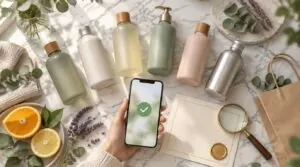
Whether you pick drugstore or salon, where you shop matters just as much (seriously!). Target, Walmart, CVS and Walgreens all stock crueltyfree options, and iHerb and Credo Beauty screen brands before listing them. Love that.
But don’t trust a pretty bunny logo on the bottle. Check the Leaping Bunny database before you buy, because it updates in real time. PETA’s search tool refreshes monthly, so it’s a handy backup.
Brand sites help too. Rahua and Plaine Products post current certificates, and that supply chain transparency tells you a lot about ethical cosmetics. Also, check certificate expiration dates, since brands must renew every year. Hunting for vegan hair products? Scan the ingredient list for honey or silk amino acids. Easy peasy!
Frequently Asked Questions (FAQs)
Which shampoo brands are cruelty-free?
Okay, so here’s the good news: plenty of favorites are cruelty free! Acure, Giovanni, and Paul Mitchell carry Leaping Bunny certification, which means real audits. Moroccanoil and Avalon Organics hold PETA’s stamp. Always check the logo yourself!
Which shampoo brands are not cruelty-free?
Think of beauty giants as family trees. Companies That Test On Animals like L’Oréal, Procter and Gamble, and Unilever own Pantene, Garnier, and Tresemme. Mainland China makes animal testing Required by Law, even through third parties.
Which shampoo doesn’t test on animals?
Think of the bunny logo as your shampoo’s passport.
Hask, Giovanni, Kevin Murphy, Paul Mitchell and Yarok are Leaping Bunny certified, meaning no animal testing. Want proof? Seek PETA approved, cruelty free vegan shampoo labels.
Does Dove shampoo use animal testing?
Good news: your Dove shampoo doesn’t involve animal testing. PETA approved Dove globally in 2018, making it a crueltyfree shampoo pick. Want some extra proof? Check the Leaping Bunny list too (I always do, promise)!
Are cruelty free shampoos as effective as regular shampoos?
Think of your shampoo as a good bouncer: it should toss out the grime, not your hair’s natural oils. Cruelty free formulas do that well. Sulfatefree plant surfactants clear 82% of sebum versus 90%, so effectiveness comparison favors gentler cleansing.
How do I know which shampoo brands are truly cruelty free?
Look for the Leaping Bunny certified logo, confirm it in the public directory. Truly crueltyfree brands meet animal welfare standards, use nonanimal testing methods, skip mainland China, and vet suppliers. Vegan shampoo alone isn’t proof.
Where can I find cruelty free shampoos in physical stores?
Wondering where to actually grab these? Target, Ulta, and Sephora are your easiest bets, and drugstores like CVS stock Giovanni too. Want an ecofriendly shampoo with real stylist cred? Salon supply stores carry Kevin Murphy and Paul Mitchell!
How long do cruelty-free shampoos typically last?
Think cruelty-free means it spoils faster? Nope! Shampoo shelf life is the same: 6-12 months after opening, 1-2 years sealed. You’ll usually get 30-50 washes, so watch your product expiration, ingredient stability, and packaging preservation.
Are cruelty-free shampoos safe during pregnancy?
Crueltyfree doesn’t automatically mean pregnancy-safe, friend! Scan labels for parabenfree hair care, a fragrancefree option, and a hypoallergenic formula with natural ingredients. Skip salicylic acid, MIT, and CMIT. Rinse-off shampoo is really low risk anyway!
Can cruelty-free shampoos help with hair growth?
Your shampoo won’t sprout a jungle overnight, friends!
But plantpowered formulas with caffeine and biotin can back scalp health, hair hydration, and gentle hair growth stimulation. Try a vegan shampoo, but don’t expect miracles alone.
Conclusion
Think a kind shampoo means sacrificing results? Not even close. (I’ve formulated enough bottles to promise you that.)
Pick the cruelty free shampoo that matches your hair type and scalp, then check the label for lanolin and keratin if vegan matters to you. Skip the guesswork, verify the brand, and don’t overpay for hype.
Your hair gets healthier, animals get left alone, and your shower shelf gets a whole lot cooler. That’s a triple win!