This site is supported by our readers. We may earn a commission, at no cost to you, if you purchase through links. This content is for general informational and educational purposes only and is not a substitute for professional medical, dermatological, or nutritional advice.
A hot shower feels like relief until your cheeks start burning twenty minutes later, and that sting tells you more than any label ever will. Sensitive skin doesn’t just react to fragrance or harsh scrubs; it reacts to water temperature, wind, even the friction of a towel. That’s a barrier problem, not bad luck.
Most people reach for another product to fix the redness, when the real fix means using fewer of them, chosen with more care. Dermatologist recommended sensitive skin care routines strip things down to what the skin barrier actually needs: gentle cleansing, targeted hydration, and ingredients that calm rather than provoke.
Get the order and the actives right, and that stinging, tight feeling starts to fade for good.
Table Of Contents
- Key Takeaways
- Dermatologist-Recommended Sensitive Skin Basics
- Minimal Daily Sensitive Skin Routine
- Sensitive Skin Ingredients to Choose
- Sensitive Skin Ingredients to Avoid
- Top 10 Sensitive Skin Products
- 1. Red Light Therapy Face Mask
- 2. Elizabeth Arden Retinol Ceramide Capsules
- 3. La Roche-Posay Toleriane Gentle Cleanser
- 4. Babor Doctor Lifting RX Silver Foil Mask
- 5. WelleCo Super Elixir Daily Greens Powder
- 6. Eryfotona Ageless Mineral Sunscreen SPF 50
- 7. SkinMedica Eye Masks for Puffy Eyes
- 8. Hyaluronic Acid Face Serum
- 9. Sara Happ Lip Balm Luxe Treatment
- 10. ISDIN Mineral Brush Powder Blue Light Protection
- Frequently Asked Questions (FAQs)
- What do dermatologists recommend for very sensitive skin?
- What is the perfect skincare routine for sensitive skin?
- What is the 4 2 4 rule in skincare?
- What skincare is most recommended by dermatologists?
- What is the best skin routine for sensitive skin?
- Which skincare brand is best for sensitive skin dermatologists?
- What is the best skincare routine for sensitive skin?
- What do dermatologists recommend for a skin care routine?
- What is the No. 1 brand recommended by dermatologists?
- What is the best advice for sensitive skin?
- Conclusion
Key Takeaways
- Sensitive skin reactions stem from a damaged skin barrier, not from bad luck, so treatment should focus on repairing that barrier rather than adding more products.
- A minimal daily routine of gentle cleansing, hydrating serum, ceramide-rich moisturizer, and mineral sunscreen does more for reactive skin than a complicated regimen.
- Key ingredients like ceramides, hyaluronic acid, niacinamide, squalane, and centella asiatica support hydration and calm redness, while fragrance, high-percentage alcohol, harsh sulfates, and strong acids should be avoided.
- Introducing new active ingredients one at a time, with patience and consistency, protects the skin barrier better than layering multiple treatments at once.
Dermatologist-Recommended Sensitive Skin Basics

Sensitive skin doesn’t act the same way from one person to the next, so understanding what’s really going on underneath matters. Before you change a single product, it helps to know what your skin is telling you and why. Let’s walk through the basics you need to recognize first.
From common triggers to underlying conditions, this anti-aging skincare routine for sensitive skin breaks down what to watch for before you build a routine around it.
Common Sensitivity Symptoms
When your skin flares up, it rarely picks just one symptom. Redness and flushing often show up first, sometimes with stinging or burning even without a rash. Itching can strike alongside swelling, while other times you’ll notice dry, leathery patches instead. Hives or limited-area rashes sometimes join in too.
Recognizing your own pattern helps you catch flareups early. Remember to avoid hot showers, as they can damage the skin barrier and worsen sensitivity.
Skin Barrier Damage
Underneath those flare-ups sits one root problem: a damaged skin barrier. Once the stratum corneum weakens, transepidermal water loss climbs, ceramides deplete, and skin barrier dysfunction sets in.
Add cold wind, pollution, or over-washing, and epidermal thinning follows. This disrupts your skin’s microbiome too.
Barrier repair with ceramides and hyaluronic acid restores protection and calms reactivity.
Sensitive Versus Dry Skin
Patients often confuse dry skin with sensitive skin, but they’re not the same. Dryness reflects moisture retention, while sensitivity reflects barrier integrity and reactivity to triggers.
Texture differences help distinguish them:
- Dry skin: flaking, tightness, seasonal fluctuations
- Sensitive skin: stinging, redness, product reactions
- Both: possible barrier compromise
Identifying triggers matters, since dryness versus sensitivity often overlap, requiring a custom dermatologist-recommended skincare routine.
Rosacea and Eczema Links
Confusing dryness with sensitivity is one thing—confusing rosacea with eczema is another. Both cause redness and burning, but facial versus body patterns offer clues: rosacea sticks to cheeks and nose, eczema favors elbows and knees.
Heat, sun, and irritants trigger both. Since coexisting conditions happen, managing overlapping symptoms means treating each area differently, using anti-inflammatory ingredients suited to each flare’s specific cause.
When to See Dermatologists
Once a rash spreads quickly or covers over 10% of your body, don’t wait it out—call your dermatologist.
Watch for three red flags:
- Nonhealing skin ulcers past two weeks
- Changing mole appearance in size or color
- Persistent skin lesions resisting basic care
Adverse skin reactions and contact dermatitis that worsen also warrant prompt, dermatologist-led evaluation—dermatology best practice favors early assessment over guesswork.
Minimal Daily Sensitive Skin Routine
Sensitive skin doesn’t need a complicated routine to stay calm and healthy. In fact, less really is more when your barrier is already working overtime. Here’s what a simple, dermatologist-backed daily routine looks like, step by step.
Gentle Morning Cleanse

Your morning cleanse shouldn’t feel like a chore, just a quick reset. Use lukewarm water and a low pH cleanser like Vanicream Gentle Facial Cleanser, massaging with fingertips for 20-30 seconds only.
Overcleansing strips your barrier, so skip cleanser entirely if skin isn’t oily overnight—water alone works. Pat dry gently, then moisturize within minutes while skin’s still damp to lock in hydration.
If you’re skipping cleanser but still want a comforting layer before bed, try one of these unscented shaving cream alternatives for sensitive skin to avoid hidden fragrance irritation.
Calming Hydrating Serum

Once skin’s dry, apply a thin layer of hydrating serum, like Vichy Minéral 89, while skin’s still damp for better absorption.
Look for:
- Hyaluronic acid to bind water
- Centella or panthenol for soothing
- Antioxidant support without fragrance
Skip serums with alcohol or essential oils. This lightweight layer boosts skin hydration before richer products lock moisture in.
Barrier-repair Moisturizer
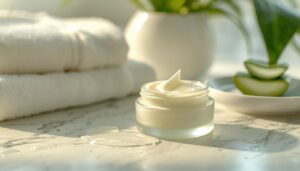
Think of this step as patching the wall, not just painting over it. Reach for a noncomedogenic moisturizer with ceramides, cholesterol, and fatty acids—the lipid triad your barrier needs.
Hair needs patching too, and if uneven color is the problem, this guide to fixing patchy hair dye shows what usually went wrong.
Repairing your skin barrier means patching the wall, not just painting over it
| Ingredient | Role |
|---|---|
| Ceramides | Rebuilds barrier |
| Humectants | Draws hydration |
| Fatty acids | Seals moisture |
Balanced humectant-occlusive formulas, slightly acidic pH, and a wearable cream texture support daily comfort without heaviness.
Mineral Sunscreen Daily

Skip this step and every other one falls apart, since UV radiation sensitivity is often the biggest trigger for reactive skin.
- Zinc oxide covers UVA and UVB
- Titanium dioxide blocks UVB, some UVA
- Mineral vs chemical: less stinging risk
- Reduces white cast with tinted formulas
- Reapply after sweat, water, or towel-drying
Try La Roche-Posay Anthelios Mineral Sunscreen SPF 50 for broad-spectrum protection without irritation.
Rich Nighttime Moisturizer

Your skin does its best repair work while you sleep, which is why the last step of your evening routine matters most.
Look for hydrating emollients like squalane, occlusive agents such as petrolatum, and humectants like glycerin working together for true barrier strengthening. CeraVe Moisturizing Cream layers these for overnight skin barrier repair and redness comfort, leaving a soft, non-greasy finish by morning.
Sensitive Skin Ingredients to Choose
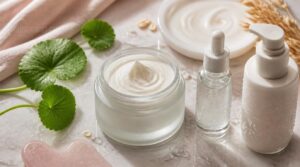
Not every ingredient on a label deserves your trust, but a handful have earned it through solid research and dermatologist backing. These are the ones that actually rebuild your barrier, calm redness, and hold onto moisture without causing a reaction. Here’s what to look for the next time you’re reading an ingredient list.
Ceramides for Barrier Repair
Ceramides rebuild your skin barrier from within, replacing lipids lost to irritation and transepidermal water loss.
Look for Ceramide NP, AP, or EOP paired with cholesterol and fatty acids—this lipid matrix mix mirrors your skin’s natural composition better than ceramides alone.
Choosing ceramide-rich moisturizers with this trio helps restore lipid homeostasis, strengthening toughness daily, and forms a cornerstone of any dermatologist-recommended skincare routine.
Hyaluronic Acid for Hydration
Once ceramides rebuild that lipid matrix, hyaluronic acid adds the water those lipids hold. It’s a humectant, pulling moisture into skin’s upper layers.
Apply serums like Vichy Minéral 89 on damp skin for better absorption. Results depend on humidity, so layer moisturizer on top.
Benefits include:
- Plumping effect
- Smoother texture
- Water retention
- Lightweight comfort
Niacinamide for Redness
Niacinamide, a form of vitamin B3, is your next step for calming visible redness. It works on inflammation pathways directly, reducing the cytokine activity that triggers flushing.
Look for 2–5% concentrations in water-based serums—gentle enough for sensitive skin. It also strengthens barrier lipid support, so redness management improves gradually, often within several weeks of consistent use.
Squalane for Comfort
Once redness eases, your skin still needs a moisture boost that won’t clog pores. Squalane fills that gap—a lightweight, non-greasy emollient that softens skin while reinforcing your barrier against water loss.
Unlike heavier oils, it’s non-comedogenic and absorbs fast, making it comfortable for reactive, sensitive skin. Layer it under sunscreen or moisturizer for all-day comfort without residue.
Centella for Calming
Tiger grass, or Centella asiatica, has a long history of calming reactive skin, and its saponin active compounds (asiaticoside, madecassoside) support redness reduction.
Look for it in lightweight serum textures, layered after cleansing, before moisturizer. Check the ingredient list for "Centella asiatica extract" to confirm potency, and pair this calming serum with fragrance-free basics for daily sensitive skin comfort.
Sensitive Skin Ingredients to Avoid

Knowing what to avoid matters just as much as knowing what to add. Certain ingredients can quietly undo your barrier’s progress, even when a product seems gentle on the surface. Here’s what dermatologists recommend keeping off your shelf.
Fragrance and Essential Oils
Fragrance and essential oils top the avoid list for reactive skin. Natural doesn’t mean gentle.
Essential oils contain volatile terpenes that evaporate unevenly and oxidize, raising allergen risk over time. Synthetic fragrance blends can irritate too. Both increase barrier permeability, worsening sensitivity.
Choose fragrance-free formulas instead, and always patch-test new products before applying them to your full face.
High-percentage Alcohol
High-percentage alcohol works fast, evaporating quickly and pulling moisture with it, which spikes transepidermal water loss and interferes with barrier recovery.
That solvent action speeds ingredient delivery, but on reactive skin it means:
- Stinging
- Rebound dryness
- Worsening redness
- Irritant dermatitis risk
Choose an alcohol-free formula instead—your barrier repairs faster without repeated cosmetic irritants disrupting it.
Harsh Sulfates
That satisfying lather doesn’t mean your cleanser is working better—it’s often a sign of harsh surfactants like sodium lauryl or laureth sulfate stripping lipids your barrier needs. This increases dryness and irritation risk, especially with eczema-prone skin.
Check labels for SLS/SLES, and swap in a sulfate-free, fragrance-free gentle cleanser instead. Your skin cleans just as well, without the rebound tightness.
Strong Exfoliating Acids
Not every chemical exfoliant belongs on reactive skin. Glycolic acid works fast because of its small molecular size, but that speed often means more stinging for sensitive types.
Concentration and pH level both drive irritation risk, and leave-on formulas linger longer than rinse-off versions. If you exfoliate, choose lactic or mandelic acid, use it once a week, and always pair with sunscreen for sun sensitivity.
Overusing Active Treatments
More is not better here—it’s how skin barriers break down. Layering retinoids, exfoliating acids, and vitamin C at once overwhelms tolerance and triggers an irritation cascade, with redness rebounding worse than before.
Introduce one active at a time, watch for stinging, and give your skin barrier real recovery time between changes. Patience protects results; overuse just invites the flare-ups you’re trying to avoid.
Top 10 Sensitive Skin Products
Building a routine is one thing, but picking the right products is where most people get stuck. You don’t need a crowded shelf of options, just a handful that actually earn their place. Here are ten worth knowing about, each suited to different needs within a sensitive skin routine.
1. Red Light Therapy Face Mask

A mask that works while you scroll your phone or fold laundry? That’s the appeal here. These devices use 630 nm red and 830 nm near-infrared LEDs, penetrating deeper dermal layers to support elasticity and hydration.
Sessions run 10–20 minutes, cordless and hands-free. Some users report LED burnout within a year, so check warranty terms first. For sensitive skin, this non-chemical option avoids common irritants entirely, making it a gentle addition to your routine.
| Best For | People who want an easy, hands-free way to fit skincare into their day, whether that’s while working, walking, or relaxing at home. |
|---|---|
| Sensitive Skin Suitable | Yes |
| Fragrance Level | None |
| Key Active | Red/NIR Light |
| Usage Frequency | Daily |
| Price Tier | Mid |
| Application Time | 10-20 min |
| Additional Features |
|
- Dual-wavelength red and near-infrared LEDs target fine lines, texture, and hydration
- Cordless, lightweight design allows multitasking during sessions
- Non-chemical option that’s gentle on sensitive skin
- Some users report LED failure within a year, with limited warranty support
- Non-removable wiring makes repairs difficult if something breaks
- No disclosed battery runtime or water resistance, so care with storage is needed
2. Elizabeth Arden Retinol Ceramide Capsules
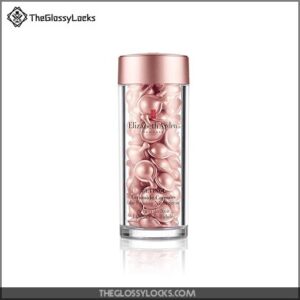
If retinol makes you nervous, this format helps. Each capsule delivers a precise dose of cosmetic-grade retinol paired with ceramides NP and NS, so barrier support arrives alongside the active ingredient rather than after.
Clinical data shows 96% of users reporting smoother skin within 4 weeks.
If you’re ready to tackle stubborn heel calluses yourself, this foot scraper buying guide breaks down exactly what separates an effective tool from a mediocre one.
The fragrance-free formula suits sensitive, redness-prone skin, though you should still patch test near the eye area first, since irritation remains possible even with buffering lipids included.
| Best For | Anyone new to retinol or with sensitive, redness-prone skin who wants an easy, pre-measured way to ease into using it. |
|---|---|
| Sensitive Skin Suitable | Yes |
| Fragrance Level | Fragrance-Free |
| Key Active | Retinol |
| Usage Frequency | Nightly |
| Price Tier | High |
| Application Time | Overnight |
| Additional Features |
|
- Encapsulated, single-dose capsules pair retinol with ceramides NP and NS for built-in barrier support
- Clinically shown to improve smoothness for 96% of users in 4 weeks, with texture and tone gains by 8 weeks
- Fragrance-free, non-drying formula that also helps minimize the look of pores
- Can still cause irritation or sensitivity, especially if applied too close to the eyes
- Priced higher than standard retinol serums, and needs consistent nightly use to see results
- Results vary from person to person and aren’t a permanent fix for aging skin
3. La Roche-Posay Toleriane Gentle Cleanser
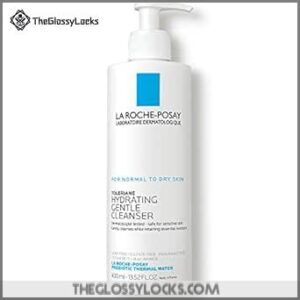
Actives work best on a barrier that’s already stable, and that starts with washing your face correctly. This cleanser skips foam entirely, relying on a non-foaming cream formula with ceramide-3, niacinamide, and La Roche-Posay’s thermal spring water.
At $14.98, it’s an affordable daily step for normal-to-dry, reactive skin. You won’t get that squeaky-clean feeling, but that’s the point: less stripping means less irritation waiting to happen.
| Best For | People with normal-to-dry, sensitive, or reactive skin who want a gentle daily cleanser that hydrates without stripping the skin barrier. |
|---|---|
| Sensitive Skin Suitable | Yes |
| Fragrance Level | Fragrance-Free |
| Key Active | Niacinamide |
| Usage Frequency | Daily |
| Price Tier | Low |
| Application Time | Quick |
| Additional Features |
|
- Non-foaming cream formula with niacinamide, ceramide-3, and thermal spring water helps restore and maintain the skin barrier
- Free of soaps, fragrances, oils, parabens, and sulfates, making it well-suited for sensitive skin
- Affordable at $14.98 and gentle enough for daily morning or nighttime use
- No foam, so it may not satisfy those who prefer a deep-clean feeling
- Not effective for removing heavy makeup, so a separate cleanser or balm may be needed
- Minimal clarifying power, which may not suit oily or acne-prone skin
4. Babor Doctor Lifting RX Silver Foil Mask
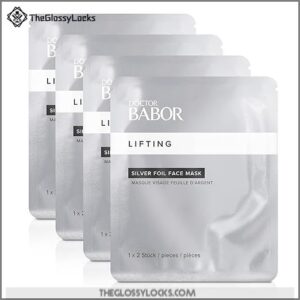
Once your daily routine is set, an occasional treatment can add extra support. The Babor Doctor Lifting RX mask uses a dual-piece silver foil design that seals hyaluronic acid and tripeptides against your skin for 15-20 minutes.
That foil barrier limits evaporation, helping actives penetrate rather than sit on the surface. Results vary, though, and some users notice greasiness afterward. At roughly $15 per set, it’s a pricier option worth reserving for weekly use, not daily.
| Best For | Those with dry or mature skin looking for an occasional, at-home boost to help plump the skin and soften the look of fine lines. |
|---|---|
| Sensitive Skin Suitable | Yes |
| Fragrance Level | Unscented |
| Key Active | Hyaluronic Acid |
| Usage Frequency | Weekly |
| Price Tier | Mid |
| Application Time | 15-20 min |
| Additional Features |
|
- Dual-piece silver foil design seals in hyaluronic acid and tripeptides for deep, lasting hydration
- Mesh-reinforced material stays put for the full 15-20 minute treatment without slipping
- Convenient at-home alternative to professional lifting masks, fitting a range of face shapes
- Results are inconsistent, with some users seeing minimal lifting effect
- Can leave a greasy residue on the skin after use
- Higher price point (~$15 per set) than many comparable foil masks
5. WelleCo Super Elixir Daily Greens Powder
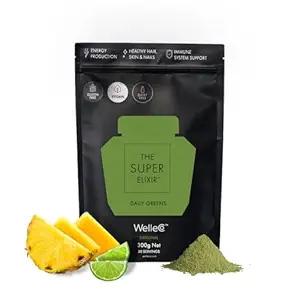
Skin health starts from within, and that’s the logic behind WelleCo’s Super Elixir Greens Powder. This combination mixes whole-food greens, probiotics, and silica from horsetail herb, which helps collagen formation for skin, hair, and nails.
Shiitake and maitake mushrooms add fiber, while acai and pomegranate offer antioxidant support. One caution: some users report a metallic taste, and the copper content may trigger migraines in sensitive individuals. If you have mushroom or copper sensitivities, check ingredients carefully before adding this to your routine.
| Best For | Anyone looking to support gut health, skin, and immunity with a whole-food greens supplement they can easily mix into water or smoothies each day. |
|---|---|
| Sensitive Skin Suitable | Yes |
| Fragrance Level | None |
| Key Active | Silica |
| Usage Frequency | Daily |
| Price Tier | Mid |
| Application Time | Quick Mix |
| Additional Features |
|
- Combines whole-food greens, probiotics, vitamins, and minerals in one daily serving
- Contains natural silica from horsetail herb to support collagen for skin, hair, and nails
- Includes antioxidant-rich acai, pomegranate, and grapeseed powders
- Some users notice a metallic taste that can be off-putting
- High copper content may trigger migraines in sensitive individuals
- Not ideal for those with mushroom or copper sensitivities
6. Eryfotona Ageless Mineral Sunscreen SPF 50
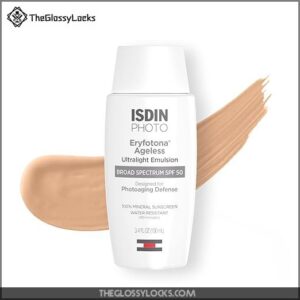
Sun protection meets repair with Eryfotona Ageless, which pairs 10.7% zinc oxide with DNA repair enzymes that activate under UV exposure. This liposome-delivered technology targets existing UV damage while the mineral filter blocks new harm, ideal for sensitive skin that reacts to chemical sunscreens.
The tinted formula uses iron oxides for natural coverage, blending well under makeup without heavy residue. Watch for a slight shine on oily skin by afternoon, and reapply near the neck, since a small amount covers the face alone.
| Best For | People with sensitive or acne-prone skin who want daily high-level sun protection along with extra support against existing UV damage. |
|---|---|
| Sensitive Skin Suitable | Yes |
| Fragrance Level | Fragrance-Free |
| Key Active | Zinc Oxide |
| Usage Frequency | Daily |
| Price Tier | Mid |
| Application Time | Quick |
| Additional Features |
|
- 10.7% zinc oxide delivers broad-spectrum SPF 50 protection without a white cast
- Tinted formula evens skin tone and layers well under makeup
- Lightweight, non-comedogenic texture suits oily and acne-prone skin
- Tint may not match all skin tones and can shift orange-tan on some users
- Can look slightly shiny on oily skin by the afternoon
- Extra sunscreen may be needed on the neck and ears since only a small amount is used on the face
7. SkinMedica Eye Masks for Puffy Eyes
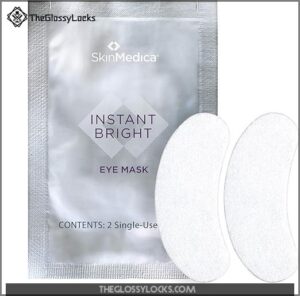
When mornings leave you with tired, swollen eyes, these hydrogel patches deliver instant cooling relief in just 15 to 20 minutes. Hyaluronic acid and glycerin pull moisture into delicate under-eye skin, while allantoin soothes irritation.
Rhodiola and niacinamide add antioxidant, brightening support. Each patch is single-use and fragrance-free, gentle enough for sensitive skin. Apply before makeup or after a long day, but don’t expect them to erase deep wrinkles.
| Best For | Anyone with tired, puffy under-eyes who wants a quick, soothing pick-me-up before makeup or after a rough night’s sleep. |
|---|---|
| Sensitive Skin Suitable | Yes |
| Fragrance Level | Fragrance-Free |
| Key Active | Hyaluronic Acid |
| Usage Frequency | As Needed |
| Price Tier | Low |
| Application Time | 15-20 min |
| Additional Features |
|
- Hydrogel technology delivers instant cooling relief for tired, swollen eyes
- Hyaluronic acid and glycerin deeply hydrate while allantoin calms irritation
- Gentle, fragrance-free formula suitable for sensitive skin
- Single-use and disposable, so there’s no reusing a patch
- Requires 15–20 minutes of application time, which isn’t ideal if you’re in a rush
- Won’t resolve deep wrinkles or severe discoloration, only temporary puffiness and dullness
8. Hyaluronic Acid Face Serum
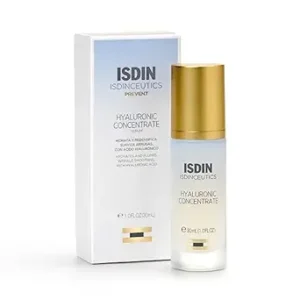
Think of hyaluronic acid as a sponge for your skin, pulling water into the surface layers and holding it there. Formulas blending multiple molecular weights hydrate at different depths, plumping fine lines from dryness.
Apply a few drops to damp skin after cleansing, then follow with moisturizer to lock in hydration. It’s usually fragrance-free and well tolerated, making it a safe first step for sensitive skin, morning or night, before sunscreen.
| Best For | This serum is best for anyone wanting a hydrating, anti-aging step in their skincare routine, including those with oily or sensitive skin who don’t mind a light fragrance and a higher price tag. |
|---|---|
| Sensitive Skin Suitable | Yes |
| Fragrance Level | Light Fragrance |
| Key Active | Hyaluronic Acid |
| Usage Frequency | Daily |
| Price Tier | High |
| Application Time | Quick |
| Additional Features |
|
- Combines multiple‑weight hyaluronic acids with BioMarine extract, peptides, and lentil extract for deep hydration and improved firmness
- Lightweight water‑gel texture absorbs quickly and leaves a satin finish without feeling heavy
- Non‑comedogenic and dermatologist‑tested, making it suitable for all skin types, including oily and sensitive skin
- Premium price point may be hard to justify compared to more affordable hyaluronic acid serums
- Contains a subtle fragrance, which isn’t ideal if you’re looking for something completely scent‑free
- Some users have reported brief, mild irritation when first starting to use it
9. Sara Happ Lip Balm Luxe Treatment
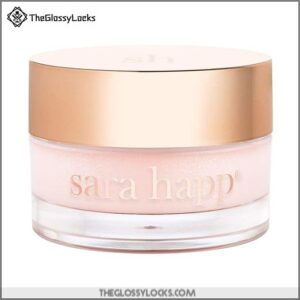
Chapped lips need more than lip balm—they need a treatment. This Luxe Balm blends jojoba, macadamia, and sweet almond oils to seal in moisture and calm windburn or dry cracking. Squalane adds lightweight comfort without greasiness, ideal for sensitive skin.
Apply it alone, as an overnight mask, or under lipstick for added slip. The formula’s fragrance profile stays minimal, reducing irritation risk. For lips exposed to cold, wind, or dry heat, this offers steady, cushioning relief.
| Best For | People with dry, chapped, or cracked lips—especially those dealing with harsh weather or desert-like conditions—who want a deeply hydrating overnight treatment rather than a basic balm. |
|---|---|
| Sensitive Skin Suitable | Yes |
| Fragrance Level | Minimal |
| Key Active | Squalane |
| Usage Frequency | Nightly |
| Price Tier | Mid |
| Application Time | Overnight |
| Additional Features |
|
- Deeply moisturizing formula with jojoba seed oil, essential oils, and skin-soothing vitamins A and E
- Versatile use—works alone, as an overnight mask, or as a base under lipstick or gloss
- Long-lasting texture that keeps lips hydrated through the night while helping soften fine lines
- Premium price point compared to standard lip balms
- Feels slightly sticky at first, though this fades within a few minutes
- Limited availability (mainly sold in Tokyo), plus a recent size reduction that may affect perceived value
10. ISDIN Mineral Brush Powder Blue Light Protection
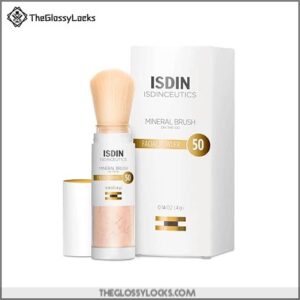
Screens count as sun exposure too, at least where blue light is concerned. ISDIN Mineral Brush pairs titanium dioxide and zinc oxide with mica for a silky, matte finish that diffuses visible and IR light along with UV rays.
At just 4 grams, it tucks into any bag for midday touch-ups over makeup. Use it as a supplement to your regular sunscreen, not a substitute, and sweep it over face, neck, and hands whenever shine or screen time ramps up.
| Best For | People who want an easy, makeup-friendly way to reapply mineral sun protection throughout the day, especially those concerned about blue light from screens. |
|---|---|
| Sensitive Skin Suitable | Yes |
| Fragrance Level | Unscented |
| Key Active | Zinc Oxide |
| Usage Frequency | Daily |
| Price Tier | High |
| Application Time | Quick |
| Additional Features |
|
- Broad-spectrum formula shields against UV, blue light, and pollution while giving skin a smooth, matte look
- Brush-on design lets you touch up over makeup without any mess or removal
- Small, travel-ready size makes it easy to carry and reapply on the go
- Only comes in one shade, which may look too dark or cause an orange cast on fair to medium skin
- Takes a bit of practice to activate and tap out the right amount of powder
- Costs more than typical pressed powders, which might not suit budget-minded shoppers
Frequently Asked Questions (FAQs)
What do dermatologists recommend for very sensitive skin?
Why fix a leaky roof instead of mopping puddles daily? For very sensitive skin, dermatologists recommend gentle, fragrance-free basics: minimal steps, barrier-repairing ceramides, daily mineral sunscreen, and patch-testing anything new before it touches your face.
What is the perfect skincare routine for sensitive skin?
Keep it simple: gentle cleanser, hydrating toner, niacinamide serum, moisturizer on damp skin, then mineral SPF. At night, double-cleanse and add a ceramide-rich moisturizer. Introduce actives slowly, one at a time, and always patch-test first.
What is the 4 2 4 rule in skincare?
Ironically, spending ten minutes washing your face is supposed to leave it less irritated, not more. The 4-2-4 rule means four minutes oil cleansing, two minutes water cleansing, then a four-minute warm-to-cold rinse.
For a gentler approach, this simple skincare routine for busy moms keeps cleansing practical and irritation-conscious.
What skincare is most recommended by dermatologists?
Most dermatologists point to gentle, fragrance-free cleansers, barrier-repair moisturizers with ceramides, and daily mineral sunscreen containing zinc oxide. This trio protects skin without overwhelming it, forming a foundation you can build on safely.
What is the best skin routine for sensitive skin?
Picture your skin calming like water settling after a ripple. The best routine stays simple: gentle cleanse, hydrating serum, barrier-repair moisturizer, and mineral sunscreen every morning, with a richer moisturizer at night to support repair.
Which skincare brand is best for sensitive skin dermatologists?
La Roche-Posay, Vanicream, and EltaMD top most lists, favored for fragrance-free, hypoallergenic formulas. Their Toleriane, barrier-repair, and mineral sunscreen lines target redness and irritation directly, making them reliable, budget-friendly picks you can trust long-term.
What is the best skincare routine for sensitive skin?
The best routine stays minimal and consistent: gentle cleanser, hydrating serum, ceramide moisturizer, and mineral SPF every morning; double-cleanse at night with a richer moisturizer. Introduce actives slowly, one at a time, watching closely for burning or lasting redness.
What do dermatologists recommend for a skin care routine?
The essential basics stay simple: gentle cleansing, moisturizing on damp skin, and daily SPF 30+ protection. Keep routines consistent morning and night, choose products matched to your skin type, and introduce new actives one at a time.
What is the No. 1 brand recommended by dermatologists?
Ask ten skincare sites; get one answer: La Roche-Posay.
It tops most recommendation lists thanks to its thermal spring water formulas, clinical testing, and pharmacy availability, making it a trusted, accessible pick for sensitive, reactive skin needing gentle, effective daily care.
What is the best advice for sensitive skin?
Simplify, protect, be patient. Use fragrance-free products, moisturize daily to support your barrier, and wear mineral sunscreen every morning. Introduce new actives slowly, one at a time, and stop anything causing burning or persistent redness immediately.
Conclusion
Think of your skin barrier like a brick wall: mortar holds everything together, and once it crumbles, every irritant finds a way in. Rebuilding that mortar takes patience, not more products.
Dermatologist-recommended sensitive skin care routines work because they respect this simple architecture, layering ceramides, hydration, and protection in the right order. Skip the guesswork.
Consistency, not intensity, gives you calmer, stronger skin that finally stops fighting back.