This site is supported by our readers. We may earn a commission, at no cost to you, if you purchase through links. This content is for general informational and educational purposes only and is not a substitute for professional medical, dermatological, or nutritional advice.

That deep, painful lump under your skin isn’t a typical pimple, and treating it like one usually makes things worse. Cystic acne forms beneath the surface, where inflammation and trapped bacteria create lesions that resist spot treatments and often leave lasting marks. You’ve likely tried the toothpaste tricks and harsh scrubs, only to watch the redness spread.
Understanding how to treat cystic acne naturally starts with knowing what’s happening under your skin, not just on it. Hormones, diet, and inflammation all play a role, and the right approach can calm breakouts without unnecessary risk. Get the causes right, and the remedies that follow make far more sense.
Table Of Contents
- Key Takeaways
- What Causes Cystic Acne?
- Treat Cystic Acne Naturally and Safely
- Soothe Painful Cysts at Home
- Support Clearer Skin Through Diet
- Know When Natural Care Isn’t Enough
- Frequently Asked Questions (FAQs)
- Can cystic acne be cured naturally?
- What is the root cause of cystic acne?
- What kills cystic acne bacteria?
- How to draw out deep cystic acne?
- What foods get rid of cystic acne?
- Can essential oils worsen cystic acne symptoms?
- How does pollution affect cystic acne severity?
- Are there natural remedies for cystic acne pain relief?
- Is makeup safe for skin with cystic acne?
- How long until natural remedies show visible results?
- Conclusion
Key Takeaways
- Cystic acne forms deep under the skin from hormonal oil overproduction, clogged pores, and bacterial buildup, so surface treatments and squeezing only worsen inflammation and scarring risk.
- Safe home care relies on gentle, non-comedogenic methods like warm compresses, ice therapy, and diluted or patch‑tested natural remedies (tea tree oil, turmeric, honey) rather than harsh scrubbing or picking.
- Diet changes such as cutting dairy and sugar, choosing low‑glycemic foods, and adding omega‑3s, zinc, and probiotics can ease inflammation but won’t cure cystic acne on their own.
- Persistent pain, spreading redness, or signs of infection call for a dermatologist, since prescription options like retinoids, antibiotics, or isotretinoin outperform home remedies for severe or scarring‑prone cysts.
What Causes Cystic Acne?
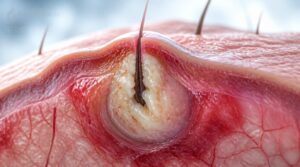
Cystic acne doesn’t show up randomly; it develops through a specific chain of events under your skin. Understanding that chain gives you real control over how you treat it and what you can realistically prevent. Here’s what’s actually driving those deep, painful breakouts.
It often starts with excess oil and dead skin clogging pores deep down, which is why sticking to a daily skin cleansing routine for acne matters so much.
Hormonal Oil Overproduction
When androgens like testosterone surge, sebaceous glands respond by pumping out excess sebum—this is often the true root of cystic breakouts.
Menstrual cycles, birth control changes, and stress-driven cortisol all shift this balance. Genetics set your baseline gland activity too.
That’s why hormonal acne often clusters along the jawline, resisting typical skincare until the root imbalance is addressed.
Hormonal shifts such as those during menstruation can greatly boost sebum production, a fact explained in detail in the guide on hormonal oil overproduction.
Clogged Pores and Bacteria
All that extra oil has nowhere to go once dead skin cells trap it inside the follicle, and sebum buildup sets the stage for trouble.
C. acnes—normally harmless—starts feeding on the debris, multiplying fast and sometimes forming bacterial biofilms that resist clearing.
Add makeup residue, and pore clogging worsens. Trapped material oxidizes, darkening surface debris, while bacteria quietly prime the follicle for a deeper, cystic response.
Inflammation Beneath Skin
When cystic acne erupts, the inflammation doesn’t stay at the surface. Immune cells release cytokines deep in the skin, causing swelling and pain in the subcutaneous fat layer.
If your skin barrier is compromised, irritants slip further inside, amplifying redness and tenderness. Swelling often feels tight, and infections or injuries can worsen these painful, under-skin nodules.
Diet and Lifestyle Triggers
After swelling and pain set in, your daily habits can either fan the flames or help calm your skin. High-sugar foods, dairy, and whey protein all spike insulin and drive oil production. Poor sleep and chronic stress push cortisol higher, triggering more inflammation. Friction from tight clothes and smoking’s oxidative stress both worsen lesion severity.
- High-glycemic meals
- Dairy and whey
- Stress, poor sleep
- Sweat, friction, smoking
Scarring Risk Factors
Not every cyst leaves a mark, but certain factors stack the odds against you. Inflammation depth matters most: deeper lesions damage collagen more than surface blemishes.
Acne lasting over a year, high severity grades, and oily skin all raise scarring risk. Men show higher odds too.
Skip aggressive exfoliation—microscarring from over-scrubbing compounds existing damage rather than preventing it.
Treat Cystic Acne Naturally and Safely
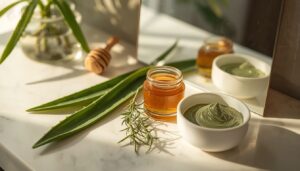
Natural remedies can genuinely help with cystic acne, but only when you use them the right way. Safety comes first, before any specific treatment even enters the picture. Here are five ground rules to follow before you try anything else.
Patch Test Every Remedy
Skin doesn’t forgive guesswork—one bad reaction can set healing back weeks. Before trying turmeric paste or diluted tea tree oil, apply a small amount to your upper forearm and watch for 24 hours.
If your skin passes the patch test, this guide to natural acne treatments walks through how to layer these remedies in without overwhelming your skin.
- Burning or stinging that won’t quit
- Spreading redness or swelling
- Blistering at the application site
- Persistent itching
No reaction? Proceed to your face. Any of these signs means stop immediately—your skin just told you something important.
Never Squeeze Deep Cysts
When a cyst sits deep, pressure just pushes contents further into tissue, spreading inflammation instead of resolving it. Squeezing damages surrounding structures, raises infection risk, and often worsens scarring.
| Squeezing | Leaving Alone |
|---|---|
| Tissue damage | Faster healing |
| Spread inflammation | Contained lesion |
| Higher infection risk | Lower scarring |
| Permanent marks | Smoother recovery |
| Prolonged pain | Reduced swelling |
Use Non-Comedogenic Products
Every product you put on cystic-prone skin either helps or hinders recovery—there’s no neutral option. Look for noncomedogenic labeling, but understand it signals pore-clogging risk, not treatment efficacy.
A lightweight noncomedogenic moisturizer, ideally with niacinamide or hyaluronic acid, supports skin barrier protection without excess oil. Check ingredient exclusions for heavy oils and fragrances. Even labeled products carry some skin irritation risk, so patch testing still matters.
Avoid Harsh Scrubbing
Friction is the enemy of inflamed skin. Manual cleansing pressure and abrasive tools cause microtears, compromising skin barrier integrity and worsening irritation.
- Textured washcloths
- Scrub brushes
- Gritty exfoliants
- Rough drying technique
Use fingertips with a gentle cleanser, light circular motions, then pat dry. This reduces inflammation and irritation risk, protecting already-vulnerable cystic lesions from further damage.
Track Skin Changes Weekly
Cystic acne fluctuates week to week, so memory alone won’t tell you what’s working.
Take weekly photos in the same lighting and angle, and keep a short diary noting new blemishes, products used, and any burning or dryness. Score severity on a 1-10 scale.
This log reveals dietary triggers, stress patterns, and whether it’s time for a dermatological assessment.
Soothe Painful Cysts at Home
A deep, painful cyst can feel impossible to ignore, but you don’t need a prescription pad to start calming it down. Several at-home approaches can ease swelling, fight bacteria, and take the edge off discomfort while you wait it out. Here are five methods worth trying, along with what to know before you use them.
Warm Compresses for Drainage

Grab a clean washcloth, soak it in warm—not scalding—water, and press it against the cyst for 10 to 15 minutes, several times daily.
Moist heat boosts blood flow, softening trapped debris so the lesion can drain naturally.
Always wash your hands first, and never reuse an unwashed cloth. Stop if skin turns irritated or painful; heat won’t replace deeper treatment.
Ice Therapy for Swelling
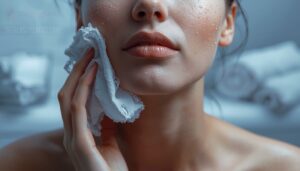
Warm compresses draw cysts outward, but when swelling flares up, ice pulls in the opposite direction.
Vessel constriction limits fluid buildup, while cold slows nerve conduction, easing pain and calming acne inflammation.
- Wrap ice in cloth—never apply directly
- Ice 10 minutes, several times daily
- Stop if skin turns numb or pale
- Space sessions to prevent ice burns
- Expect temporary relief, not a cure
Diluted Tea Tree Oil
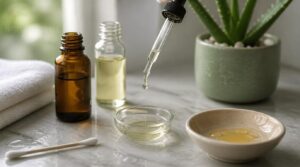
Once swelling calms, bacteria still needs addressing—tea tree oil offers antimicrobial action against P. acnes, but only when diluted 1–3% in a carrier oil like jojoba.
| Step | Ratio | Note |
|---|---|---|
| Dilute | 1-2 drops per tsp carrier | Never apply undiluted |
| Patch test | 24 hours, inner arm | Skip if irritation occurs |
| Apply | Spot-treat, twice daily | Avoid broken skin |
Turmeric Spot Masks

Yellow, earthy, and surprisingly potent, turmeric brings curcuminoid compounds with genuine anti-inflammatory and antimicrobial properties to the table.
- Powder-and-water paste
- Oil-based blends
- Honey or yogurt masks
- Stick-form spot sticks
Limit contact time to 10–15 minutes, since turmeric stains skin and fabric readily. Always patch-test 24 hours beforehand—sensitivity varies.
Honey Cinnamon Face Mask

Combine 1–2 tablespoons raw honey with roughly ½ to 1 teaspoon ground cinnamon into a smooth paste.
Manuka honey offers stronger antimicrobial benefits, though it costs more.
Apply for 10–15 minutes, avoiding sensitive skin, then rinse with warm water. Cinnamon can irritate, so patch test first.
Some formulas add egg white or lemon juice for extra tightening effect.
Support Clearer Skin Through Diet

What you eat won’t cause cystic acne on its own, but it can quietly influence how often breakouts show up and how severe they get.
Certain foods trigger inflammation and hormonal shifts that make existing lesions worse, while others help calm your skin from the inside out.
Here are five dietary changes worth trying if you’re ready to see what your plate has to do with your skin.
Reduce Dairy Intake
Milk isn’t always the obvious culprit — it hides in bread, dressings, and "dairy-free" labels that still list milk proteins. The American Academy of Dermatology links cow’s milk to increased breakouts.
- Clearer skin without constant flare-ups
- Freedom from unpredictable cysts
- Confidence in your food choices
- Relief from guessing food triggers
- Control over your own diet
Try eliminating dairy for three weeks, swap in oat or soy milk, cut cheese portions, and replace lost calcium elsewhere.
Choose Low-Glycemic Foods
Since blood sugar spikes can worsen inflammation, glycemic index matters for acne-prone skin. Foods scoring under 55 digest slowly, blunting insulin surges linked to breakouts.
| Choose | Limit |
|---|---|
| Lentils, chickpeas | White bread |
| Steel-cut oats, barley | Instant oats |
Fiber-rich legumes and whole grains outperform refined carbs. Cooking method and fruit ripeness also shift glycemic impact—riper, softer fruit spikes sugar faster.
Limit Sugar and Processed Foods
Sugar hides in plain sight, wearing disguises like sucrose, dextrose, and corn syrup on ingredient labels.
Read the nutrition facts table before buying, and skip anything ultraprocessed—sodas, pastries, packaged snacks.
Try these swaps:
- Water instead of soda
- Unsweetened cereal over frosted
- Fresh fruit instead of syrup-packed cans
Cutting processed sugars helps the low-glycemic approach already discussed, giving inflamed skin fewer triggers to react against.
Add Omega-3 Foods
Fatty fish like salmon, mackerel, and sardines supply EPA and DHA, the omega-3s most linked to inflammation reduction in acne-prone skin. Flaxseed, chia, and walnuts offer ALA instead, which your body converts to EPA/DHA inefficiently.
Store nuts in a cool, dark spot to prevent fat oxidation. Caution: high omega-3 intake may raise bleeding risk—ask your doctor if you take blood thinners or have surgery scheduled.
If inflammation or nutritional gaps are behind your hair loss, exploring how omega-3 fatty acids support hair growth can help you decide whether adding nuts to your diet is worth the effort.
If nuts alone aren’t cutting it, pairing them with a quality supplement is worth a look—see this breakdown of how fish oil supports hair growth and strength before adding one to your routine.
Consider Zinc and Probiotics
Zinc and probiotics work through what’s called the gut-skin axis—your intestinal health directly influences inflammation on your face. Zinc deficiency can impair wound healing and immune balance.
Consider:
- Zinc gluconate, 30mg daily
- Multi-strain probiotics
- Fermented foods (kefir, kimchi)
- Gradual dosing
Watch for digestive side effects. Ask your dermatologist before combining supplements, especially if you’re on other medications.
Know When Natural Care Isn’t Enough
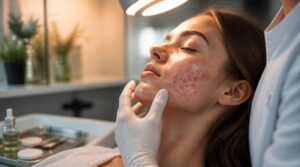
Natural remedies have real limits, and cystic acne can cross a line where home care just won’t cut it. Knowing that line matters, because waiting too long raises your risk of scarring. Here’s what tells you it’s time to bring in a dermatologist.
Signs You Need Dermatology Care
Since natural remedies can only do so much, watch for severe swelling or chronic pain indicators—especially if a cyst worsens over days rather than improving.
Persistent infection signs (pus, warmth, rapid redness spread) or an unusual lesion appearance that doesn’t fit your typical breakouts both call for prompt medical consultation.
A dermatologist can offer dermatology treatment options and skin scarring treatment, plus safe acne cyst drainage—something you should never attempt yourself.
Prescription Acne Treatment Options
Once a dermatologist confirms you need more than home care, treatment usually starts with topical retinoids like tretinoin to speed skin turnover, often paired with antibiotics or benzoyl peroxide to curb resistance.
Hormonal options like spironolactone target oil-producing pathways.
For severe scarring cysts, oral isotretinoin offers the most effective option, though it requires close safety monitoring. If you’re weighing cosmetic options alongside acne treatment, it’s worth understanding the potential side effects of Botox before adding another treatment to your routine.
Corticosteroid injections shrink painful cysts within 48-72 hours.
Preventing Permanent Acne Scars
Corticosteroid injections and isotretinoin matter less than what happens next: how you protect skin while it heals. Early breakout control limits how long lesions stay inflamed.
Skip picking or squeezing—trauma pushes damage deeper. Apply cold compresses for swelling, keep routines non-comedogenic, and wear SPF 30 daily.
Sun exposure darkens healing marks, turning temporary discoloration into scars that linger far longer than they should.
Combining Natural and Medical Care
Protecting healed skin doesn’t mean abandoning natural care—it means layering it wisely. Ingredient compatibility matters most: tea tree oil or turmeric masks can worsen irritation when paired with retinoids or benzoyl peroxide.
Tell your dermatologist about every supplement, oil, and topical you’re using. Watch for burning or excess dryness, and scale back accordingly. Coordinated care, not either-or thinking, keeps evidence-based treatment working while natural remedies support recovery.
Risks of Self-Treating Cysts
That satisfying pop when you squeeze a cyst? It’s a gamble. Bacteria can spread deeper, turning one bump into an abscess.
That satisfying pop is a gamble—squeezing a cyst can drive bacteria deeper, turning one bump into an abscess
- Permanent scarring
- Infection requiring antibiotics
- Cyst recurrence cycles
- Misdiagnosed lesions worsened
Allergic reactions to oils happen too. Anecdotal fixes aren’t science—professional treatment consistently outperforms guesswork when tissue damage is on the line.
Frequently Asked Questions (FAQs)
Can cystic acne be cured naturally?
Ironically, "curing" cystic acne naturally is a bit like promising to tame a hurricane with a fan. Natural cure limitations are real: home remedies ease flares and support skin microbiome balance, but deep inflammation often needs professional intervention.
What is the root cause of cystic acne?
Cystic acne stems from androgen sensitivity driving excess sebum, which clogs follicles until the wall ruptures. This triggers immune signaling and deep inflammation, compounded by dietary impact on acne, gut microbiome imbalances, and impaired skin barrier integrity.
What kills cystic acne bacteria?
Benzoyl peroxide triggers oxidative bacterial destruction against C. acnes, while salicylic acid clears pores of debris. Tea tree oil offers natural antibacterial properties too.
Antibiotics work but carry resistance risks—so pairing them with retinoids for pore-clearing action often works better long-term.
How to draw out deep cystic acne?
You can’t truly draw out a deep cyst. Warm compresses for 10-15 minutes soften surface buildup, while ice reduces swelling. Avoid squeezing—it forces contents deeper, worsening inflammation and scarring risk.
What foods get rid of cystic acne?
No single food erases cysts, but low-glycemic choices, omega-3-rich fish, and zinc-containing foods like pumpkin seeds may ease inflammation. Dairy trigger testing helps some patients.
Probiotic-rich foods support gut health, potentially reducing flares, though evidence remains limited overall.
Can essential oils worsen cystic acne symptoms?
Yes—these potent botanicals can be a double-edged sword. Essential oil irritation, contact dermatitis, and pore clogging are real risks.
Always dilute properly, patch test first, and choose anti-inflammatory oils cautiously, since concentration varies widely between products.
How does pollution affect cystic acne severity?
Airborne particulate matter settles on skin, triggering oxidative stress and disrupting microbiome balance, which raises sebum secretion and inflammation. Elevated PM5, NO2, and ozone levels correlate with more flares, so protecting your skin barrier against these environmental triggers matters daily.
Are there natural remedies for cystic acne pain relief?
A cloth-wrapped ice pack eases swelling, diluted tea tree oil targets bacteria, and a turmeric mask calms inflammation—though it may stain skin temporarily.
Honey’s soothing, humectant properties round out gentle, evidence-supported relief for painful cysts.
Is makeup safe for skin with cystic acne?
Can a mask hide inflammation without adding to it? Only if you choose wisely: non-comedogenic cosmetics, mineral-based formulas, and thin application.
Avoid thick coverage, remove makeup nightly, and clean brushes often—dirty tools and heavy layers worsen acne cosmetica and inflammation.
How long until natural remedies show visible results?
Patience matters here: skin turnover and hormonal settling take 4 to 12 weeks. Track progress weekly rather than daily. Mild improvement may appear sooner, but lasting change needs consistency—no overnight fixes, despite what anecdotal claims suggest.
Conclusion
Picture a patient who battled jaw-line cysts for months with turmeric masks alone, only to find real relief once she added zinc, cut dairy, and saw a dermatologist for a short course of topical retinoids. That’s the balance that works.
Learning how to treat cystic acne naturally means respecting inflammation, not fighting it blindly. Home remedies can calm mild flares, but persistent, painful cysts need professional evaluation.
Your skin deserves patience, not punishment—give it both time and the right care.