This site is supported by our readers. We may earn a commission, at no cost to you, if you purchase through links.

That box of hair dye you stashed under the bathroom sink six months ago might not deliver the vibrant auburn you’re expecting. Hair dye contains reactive chemical compounds, including hydrogen peroxide and ammonia, which break down over time and lose their effectiveness.
The formulation that promises full gray coverage when fresh can turn unpredictable when degraded, potentially leaving you with patchy color or an unexpected shade entirely. Storage conditions accelerate this process: exposure to heat, light, and humidity speeds up chemical deterioration, while proper storage in cool, dark environments extends shelf life.
Understanding expiration timelines, recognizing the warning signs of degraded product, and knowing how different dye types age helps you avoid disappointing results and potential scalp irritation from compromised formulations.
Table Of Contents
Key Takeaways
- Hair dye expires because chemical compounds like hydrogen peroxide, ammonia, and color pigments break down over time, with unopened products lasting 2-3 years and opened formulas remaining effective for only 6-12 months under proper storage conditions.
- Expired hair dye produces unpredictable color results, patchy coverage, and increased risk of allergic reactions or scalp irritation due to degraded preservatives and destabilized chemical formulations that lose their ability to deposit color evenly.
- You can identify expired hair dye by checking for separation, clumping, texture changes, sour or unusually strong chemical odors, and color shifts in the product itself—physical signs that indicate compromised chemical stability regardless of the printed expiration date.
- Store unopened hair dye in cool, dark environments between 59-77°F away from heat, light, and moisture to maximize shelf life, and dispose of expired products through household hazardous waste programs rather than pouring them down drains to prevent environmental contamination.
Does Hair Dye Expire?
Yes, hair dye does expire, and the timeline depends on the specific formulation, storage conditions, and whether you’ve opened the package. The expiration occurs because the chemical compounds in hair dye—ammonia, hydrogen peroxide, paraphenylenediamine, and color pigments—break down over time, losing their effectiveness and stability. If you’re planning to dye your hair soon, understanding how long the actual coloring process takes can help you work with fresh product before it loses potency.
Understanding what causes this breakdown, how long different types last, and the differences between temporary, semi-permanent, and permanent formulas will help you use hair dye safely and get the color results you expect.
What Causes Hair Dye to Expire
Chemical instability drives hair dye expiration through several interconnected processes. Oxidation reactions alter dye molecules and bleaching agents over time, diminishing their performance. Preservative degradation increases microbial growth risk, while emulsifier breakdown causes separation or color shifts. Packaging materials can accelerate chemical degradation under certain conditions, ultimately reducing shelf life.
Understanding these factors helps you recognize when a cosmetic product has exceeded its safe expiration date. This process is similar to the concept of methodological rigor in scientific studies, where small flaws can lead to significant errors.
Chemical Breakdown and Shelf Life
Hydrogen peroxide concentration declines over time, reducing its oxidizing power to near-zero effectiveness. Aromatic amines in p-phenylenediamine formulations undergo slow oxidation, altering color shade unpredictably. To minimize degradation, store products using a soothing natural cleanser for irritated skin in opaque containers at stable temperatures below 77°F.
Dye stability depends on product formulation—sealed kits retain potency longer, while opened containers accelerate chemical breakdown.
Most manufacturers assign a 12–24-month shelf life based on accelerated aging tests, reflecting the cosmetic product shelf life needed to maintain consistent color degradation control and safe chemical composition.
Differences Between Temporary, Semi, and Permanent Dyes
Shelf life considerations vary markedly across dye types. Temporary hair dye washes out in 1–2 shampoos, offering vibrant shade variation with minimal color deposit into the cortex.
Semi-permanent hair dye lasts 4–12 washes through superficial penetration, displaying gradual fading patterns.
Permanent hair dye chemically modifies melanin, requiring touch-ups every 4–6 weeks, though hair porosity affects dye longevity across all formulations. Since dye chemicals can trigger sensitivities in some people, choosing hypoallergenic skin care for face formulas helps minimize reactions during the coloring process.
How Long Hair Dye Lasts Unopened and Opened
Your hair dye’s lifespan depends on whether you’ve cracked the seal yet. Unopened boxes last much longer than products exposed to air, moisture, and temperature fluctuations.
Understanding these timelines helps you decide whether that box from last year is still safe to use.
Shelf Life of Unopened Hair Dye
Most unopened hair dye maintains its potency for 2 to 3 years when stored properly. Permanent formulations generally offer the longest shelf life due to their stabilizers, while temporary dyes may degrade faster.
Chemical stability depends on storage conditions—keeping your product sealed, away from heat and light, preserves color preservation and prevents product degradation.
Always check the expiration date or batch code for accurate cosmetic shelf life information.
Expiration Timeline After Opening
Once you crack the seal, your hair dye’s clock starts ticking—most formulas remain effective for 6 to 12 months. Period After Opening markers on packaging guide you, but Storage Conditions play a huge role in Dye Stability and preventing Chemical Degradation that leads to Color Fading. If oxidation damage has already set in, DIY hair treatments for damage can help restore moisture and strength between color sessions.
- Keep containers tightly closed to minimize air exposure and maintain Shelf Life
- Store in cool, dark places away from heat sources to prevent Expired Hair Dye issues
- Watch for separation, clumping, or off-odors signaling Beauty Product Expiration
- Perform patch tests before using dye stored long after opening
- Follow manufacturer Expiration Date guidance and ShelfLife recommendations closely
Manufacturer Expiration Dates Vs. Batch Codes
You’ll spot two distinct markers on your dye box—manufacturer expiration dates indicate unopened shelf life backed by shelf life testing, while batch codes enable batch tracking for quality control. Product labeling regulations require clear expiration guidelines, though code decoding often needs brand-specific help.
For accurate cosmetic product regulation compliance and hair dye expiration dates verification, trust the printed expiration date and PAO symbol over batch codes alone.
Signs Your Hair Dye Has Expired
You don’t need a lab coat to spot expired hair dye, but you do need to know what to look for before you apply anything to your scalp. Chemical compounds like hydrogen peroxide and paraphenylenediamine break down over time, causing physical changes in the product that signal it’s no longer safe or effective.
Here are three clear signs that your hair dye has passed its prime.
Changes in Smell, Color, or Texture

Your senses are your first line of defense when checking for dye degradation. Fresh hair dye maintains consistent color, texture, and a mild chemical scent, but expired products signal their decline through noticeable changes:
- Smell Tests: A sour, acetone-like, or unusually strong odor indicates chemical breakdown and potential contamination
- Color Shift: Fading effects or darkening suggest weakened pigments that won’t deliver predictable results
- Texture Change: Separation, clumping, or watery consistency reveals compromised formulation integrity
These warning signs mean the product has exceeded its shelf life, even if the expiration date hasn’t passed.
Damaged or Leaking Packaging
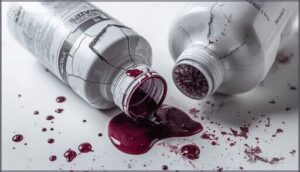
Physical damage to your dye container compromises seal integrity and accelerates product contamination, rendering cosmetic product storage conditions ineffective. Before use, inspect for cracks, bulges, or residue leaking from the seal, as these signs indicate chemical instability that dramatically shortens the shelf life.
| Damage Type | Visual Indicator | Safety Risk |
|---|---|---|
| Broken seal | Scratches, gaps, loose cap | Bacterial growth, moisture ingress |
| Leaking dye | Staining, wet exterior | Skin exposure, formula breakdown |
| Bulging container | Swollen sides, tight cap | Gas production, ingredient instability |
Discard any dye showing packaging damage immediately, regardless of the expiration date printed on the container. Compromised containers cannot protect against environmental factors that trigger product degradation.
Separation or Clumping of Product
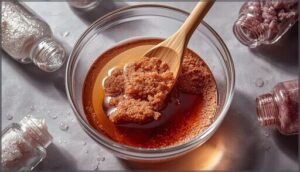
When your dye splits into distinct layers or forms granular masses that won’t blend, product instability and chemical breakdown have compromised the formula. Dye separation signals incompatible preservatives failing, while clumping causes include moisture ingress and temperature fluctuations during storage.
These signs confirm you’ve passed the expiration date—discard immediately, as uneven pigment distribution guarantees patchy, unpredictable color results despite shaking attempts.
Risks of Using Expired Hair Dye

Using expired hair dye puts your hair and health at risk in ways you mightn’t expect. The chemical compounds that create color break down over time, which means the product won’t perform as it should and could potentially harm you.
Here’s what can go wrong when you use hair dye past its prime.
Unpredictable or Undesirable Color Results
When chemical compounds in expired hair dye break down, you’re rolling the dice on your final shade. Weakened pigment breakdown and inconsistent developer strength prevent proper color deposition, leading to patchy, faded, or completely unexpected hues.
The dye formulation loses its ability to interact predictably with your natural hair pigments, causing tone correction nightmares and accelerated fading factors that no color-changing magic can fix.
Increased Risk of Allergic Reactions
Beyond unpredictable shades, expired hair dye brings serious allergic reaction and dermatitis risk. Degraded paraphenylenediamine and preservatives in old formulas trigger skin irritation and chemical sensitivity in 2% to 5% of users, even if you’ve tolerated the product before.
Expired hair dye increases allergic reaction risk up to 5%, even if you’ve safely used the product before
Your body’s response to expired ingredients includes:
- Mild itching or redness appearing within 72 hours
- Full-blown allergic contact dermatitis requiring medical attention
- Increased toxicity from breakdown compounds affecting hair dye safety
Potential Hair and Scalp Damage
Scalp irritation from degraded ammonia and hydrogen peroxide disrupts your skin’s protective barrier, causing redness, burning, or eczema-like rashes within 24 to 72 hours.
Hair breakage accelerates as weakened oxidizers fail to deposit color evenly, leaving strands dry, brittle, and prone to split ends.
Dye damage compounds over repeated use, elevating dermatitis risks and allergic reactions and toxicity in susceptible individuals.
Factors Affecting Hair Dye Shelf Life
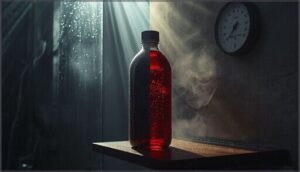
Your hair dye won’t last forever, and how you treat it makes all the difference. Temperature swings, bright light, and humidity can break down the chemical compounds faster than you’d expect.
Let’s look at the key factors that determine whether your dye stays fresh or loses its punch.
Exposure to Heat, Light, and Moisture
Your hair dye’s expiration date and shelf life shrink fast when storage conditions aren’t ideal. Chemical degradation picks up speed under poor environments, compromising product shelf life extension efforts.
- Heat damage accelerates reactions, reducing stability by several percentage points per 10°C above recommended range
- Light exposure fades dye precursors and alters pH balance before you even open the bottle
- Moisture effects include microbial growth, dilution, and hydrolysis of sensitive compounds
- Combined heat and light create faster degradation than either alone
- Cosmetic expiration timelines depend heavily on keeping products cool, dark, and dry
Proper Storage Practices
Protecting your investment starts with smart storage solutions. Keep unopened bottles sealed in air tightness to prevent contamination, and store them between 15–25°C (59–77°F) away from sunlight. Temperature control and low humidity levels stop chemical breakdown cold.
After opening, check the PAO symbol for safe use windows—proper storage and handling practices can extend shelf life considerably when you respect cosmetic expiration science.
Impact of Product Ingredients on Longevity
Formulation density directly affects how long your color stays vibrant. Hydrogen peroxide and paraphenylenediamine undergo chemical interactions that determine dye stability—aromatic amines form bonds with hair keratin, boosting color persistence.
Antioxidants slow chemical compound breakdown, while the developer’s strength influences ingredient effects over time. Thicker formulations with stabilized pigments extend shelf life better than watery alternatives, giving you reliable results.
Safe Storage and Disposal of Hair Dye
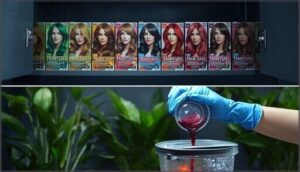
You can’t control every factor that affects your hair dye’s shelf life, but you can control how you store it. Proper storage conditions extend the usable life of your product, while improper disposal can contaminate water supplies and harm the environment.
Here’s what you need to know about keeping your hair dye fresh and disposing of it safely when it’s past its prime.
Best Storage Conditions to Prevent Expiry
You’re in control when you store your dye right. Keep it between 60°F and 77°F—temperature control and humidity levels below 60% preserve chemical stability. Seal tubes tightly after each use to maintain air tightness and container integrity.
Label products with expiration dates and opening times to track shelf life. Avoid heat sources, direct sunlight, and moisture to guarantee cosmetic product safety and prevent premature product expiration under ideal storage conditions.
How to Dispose of Expired Hair Dye Responsibly
When your dye hits its expiration date, proper chemical disposal protects water supplies and soil from contamination. Contact your local household hazardous waste program—don’t pour expired hair dye down drains or toss it with regular trash.
- Keep original packaging with product labels for hazardous waste classification
- Check municipal websites for eco friendly recycling tips and drop-off schedules
- Separate plastic containers for recycling where local waste management permits
- Never mix beauty product safety items with other chemicals before disposal
Top 5 Hair Dyes and Their Expiry Guidelines
Not all hair dye formulations are created equal, and manufacturers provide different expiration guidelines based on their specific chemical compositions, preservative systems, and packaging methods. Understanding the shelf life of popular brands helps you make informed purchasing decisions and ensures you’re working with products that will deliver predictable, safe results.
Here’s a breakdown of five widely-used hair dyes and what you need to know about their expiration timelines.
1. Herbatint Permanent Hair Dye

Herbatint Permanent Hair Dye stands out among vegan formulas with its ammonia-free, alcohol-free composition, available in 28 natural shades. This permanent dye maintains a shelf life of up to three years when unopened, though you should use it within twelve months after opening.
Store your hair color away from heat and direct light to prevent chemical reactions that compromise the formula. If you notice separation, unusual odor, or drastic color shifts, discard the product immediately.
The expiration date ensures peak performance, while batch codes help verify production timing for remaining shelf life assessment.
| Best For | People with sensitive skin looking for a gentle, vegan hair dye that covers gray without ammonia or alcohol. |
|---|---|
| Gray Coverage | Up to 100% |
| Form | Gel |
| Hair Type | All types |
| Application | At-home |
| Nourishing Benefits | Organic herbal extracts |
| Color Longevity | Long-lasting |
| Additional Features |
|
- Covers up to 100% of gray hair with 28 natural shades to choose from
- Ammonia-free and alcohol-free formula is gentle enough for frequent use on sensitive skin
- Long shelf life of up to 3 years unopened, with eco-friendly packaging
- Won’t lighten very dark hair and requires careful timing to get the right shade
- More expensive than many drugstore dye options
- Can cause allergic reactions in some users, especially with the included conditioner
2. Age Beautiful Hair Color Dye
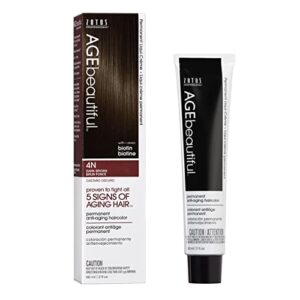
You’ll find that Age Beautiful Hair Color Dye maintains a shelf life of two to three years unopened, dropping to twelve months once you break the seal.
This permanent formula relies on peroxide developer and conditioning agents—biotin, melanin, keratin peptide—that degrade over time, affecting product stability tests and color fade factors.
Check the batch code on your tube to verify freshness and watch for separation, darkening, or off-odors that signal expired hair dye.
Using product past its expiration date increases hair damage risks and dye ingredient safety concerns, compromising your gray coverage and overall hair color results.
| Best For | Anyone looking for permanent gray coverage with anti-aging benefits who wants salon-quality results at home and doesn’t mind purchasing a separate developer. |
|---|---|
| Gray Coverage | 100% |
| Form | Liquid |
| Hair Type | All types |
| Application | At-home |
| Nourishing Benefits | Biotin, Melanin, Keratin |
| Color Longevity | Up to 8 weeks |
| Additional Features |
|
- Delivers complete gray coverage that lasts up to 8 weeks with a formula enriched with biotin, melanin, keratin peptide, and silk protein for healthier-looking hair.
- Makes hair noticeably softer, more manageable, and shinier while providing the conditioning benefits that aging hair needs.
- Offers a wide range of shades and produces professional-level results without requiring a salon visit.
- Requires purchasing a separate peroxide developer, which adds to the total cost and isn’t included in the package.
- Some users report the color comes out darker than expected, and there are no instructions included with the product.
- Must be used within 12 months of opening for best results, and expired dye can cause unpredictable color outcomes or scalp irritation.
3. Schwarzkopf Keratin Hair Color Cream
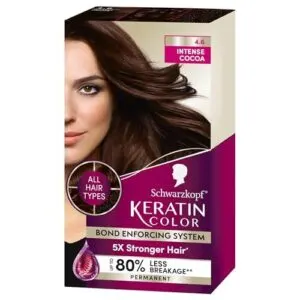
Your Schwarzkopf Keratin Hair Color Cream, with its K-Bond Plex technology and conditioning agents, holds a shelf life of two to three years unopened, dropping to twelve to twenty-four months once you mix the color cream with developer.
The PAO symbol—usually twelve months—marks when keratin benefits and dye stability decline, compromising hair nourishment and gray coverage.
Store your cosmetic products at 59–77°F, away from heat and light, to preserve the Schwarzkopf formula’s pigment integrity and prevent premature expiration date failures in your hair color.
| Best For | Anyone wanting salon-quality color at home with complete gray coverage and hair strengthening, especially if you’re looking to save money while getting rich, long-lasting results. |
|---|---|
| Gray Coverage | 100% |
| Form | Liquid |
| Hair Type | All types |
| Application | At-home |
| Nourishing Benefits | Keratin infusion |
| Color Longevity | Long-lasting |
| Additional Features |
|
- 3-step Bond Enforcing System with K-Bond Plex strengthens hair while coloring, reducing breakage and leaving it soft and shiny
- 100% gray coverage with vibrant, long-lasting color intensity that stays true even after multiple washes
- Complete kit with everything you need—pre-color serum, developer, color cream, conditioner, and gloves—makes at-home application easy
- Strong chemical smell requires good ventilation during application, which can be uncomfortable in small bathrooms
- Can stain skin and surfaces easily, so you’ll need to be careful and prep your space before starting
- May not fully cover the lightest grays if you don’t leave it on long enough, and it’s not ideal for very damaged hair
4. Schwarzkopf Keratin Hair Dye Cream
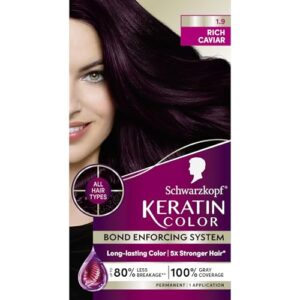
Your Schwarzkopf Keratin Hair Dye Cream delivers color vibrancy and hair nourishment through its 3-step Bond Enforcing System, maintaining dye longevity of twelve to eighteen months unopened—dropping to six to twelve months after you break the seal.
Chemical reactions between hydrogen peroxide and pigments weaken when expired hair dye develops a sour odor, separated cream texture, or patchy color results.
Store your cosmetic products below 77°F in airtight containers to preserve keratin benefits, preventing premature breakdown that compromises gray coverage and leaves your hair color uneven, faded, or unpredictable.
| Best For | Anyone looking for affordable at-home hair color that covers gray while strengthening hair with keratin and a 3-step bonding system. |
|---|---|
| Gray Coverage | Up to 100% |
| Form | Cream |
| Hair Type | All types |
| Application | At-home |
| Nourishing Benefits | Keratin infusion |
| Color Longevity | Fade-resistant |
| Additional Features |
|
- Rich, long-lasting color with up to 100% gray coverage at under $10
- Keratin-infused formula nourishes hair while the Bond Enforcing System repairs and strengthens during coloring
- Easy cream application works on all hair types and textures
- Strong perfume smell that some users may find overwhelming
- Color may fade faster with frequent washing, especially on gray hair
- Can stain skin and surfaces during application, requiring extra cleanup care
5. Clairol Advanced Gray Hair Color
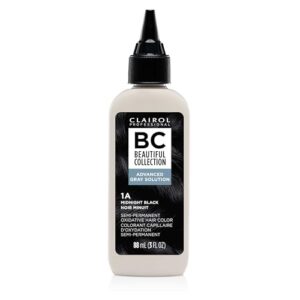
Your Clairol Enhanced Gray Hair Color maintains a product shelf life of three years unopened when stored properly, dropping to twelve months after dye application begins. Expiration dates printed as ‘EXP’ or ‘Best if used by’ guide safe usage timelines.
Expired hair dye shows separation, discoloration, or sour chemical odors—signals that hydrogen peroxide has degraded. This breakdown compromises gray coverage, creates uneven color fade, and reduces hair moisture conditioning benefits.
Store below room temperature with caps tightly sealed, and discard immediately if texture thickens or pigments clump together.
| Best For | Anyone looking for a gentle, ammonia-free hair color that covers grays without damage, especially if you have chemically treated, curly, or coily hair. |
|---|---|
| Gray Coverage | Blends grays |
| Form | Cream |
| Hair Type | All types |
| Application | At-home |
| Nourishing Benefits | Moisturizing formula |
| Color Longevity | Semi-permanent |
| Additional Features |
|
- Zero damage formula with no ammonia or peroxide, making it safe to use after relaxers or other chemical treatments
- Leaves hair feeling moisturized and soft instead of dried out like traditional dyes
- Works on all hair types and provides flexible coverage from natural-looking to vibrant results
- Gray coverage can be incomplete for some users, and color may fade noticeably after a few weeks
- Can turn out darker than expected, even when choosing lighter shades
- Strong chemical smell during application that some people find off-putting
Frequently Asked Questions (FAQs)
Can expired hair dye cause damage to your hair?
Don’t let your color dreams turn into a chemical nightmare. Expired hair dye can cause hair breakage, uneven color fading, scalp irritation, and increased hair porosity, compromising damage prevention and triggering allergic reactions.
What should I do if I have an allergic reaction to hair dye?
Stop using the dye immediately, rinse your scalp thoroughly with lukewarm water, and seek medical help if you experience severe symptoms like difficulty breathing, widespread hives, or facial swelling.
Can you freeze hair dye to extend shelf life?
Tossing your dye into the freezer won’t save it—freeze damage compromises chemical stability, triggers dye separation, and ruins cosmetic stability.
Instead, follow expiration dates and proper storage conditions to preserve shelf life without risking formulation breakdown.
Does hair dye expire faster in humid climates?
Yes, humidity accelerates chemical breakdown in hair dye. Moisture destabilizes hydrogen peroxide and color pigments, shortening shelf life.
Store your dye in cool, dry spaces—away from bathrooms—to maintain color stability and prevent premature expiration.
Are natural hair dyes safer than chemical options?
Are natural dyes truly risk-free? Natural dyes reduce chemical exposure but still trigger allergic reactions from plant allergens, while inconsistent safety testing across botanical formulations means they aren’t automatically safer than regulated chemical dyes.
How do you perform a proper patch test?
Apply a pea-sized dye amount to your inner elbow or behind your ear 48 hours before coloring. Cover with a bandage, avoid washing, and monitor for redness, itching, or swelling indicating allergic reactions.
Conclusion
You wouldn’t apply mystery chemicals to your scalp without checking their integrity first, yet that’s exactly what happens when you ignore expiration timelines. The question “does hair dye expire” has a definitive answer: yes, and using degraded formulations risks uneven color, scalp irritation, and wasted effort.
Store your products properly, check for deterioration signs before each application, and replace expired dye without hesitation—your hair’s health depends on it.
- https://www.youtube.com/watch?v=tWCUQFIFG6s
- http://www.lorealparis.com.au/faq.aspx
- http://www.checkfresh.com/garnier.html
- http://www.ask.com/beauty-fashion/can-expiration-date-hair-dye-3d047ff3478b55a1
- https://academichelpexpress.blog/2024/08/please-use-the-bulleted-points-and-the-rubric-below-to-guide-your-work-your-pa/