This site is supported by our readers. We may earn a commission, at no cost to you, if you purchase through links. This content is for general informational and educational purposes only and is not a substitute for professional medical, dermatological, or nutritional advice.
Your skin cells rebuild collagen every day, but that process slows down fast without the right raw materials. Most people reach for creams and serums first, chasing results from the outside in, while the real repair work happens at the dinner table. Vitamin C, zinc, and omega-3s all play direct roles in how firm, hydrated, and bright your skin looks over time.
That’s not skincare marketing, it’s basic biochemistry.
The foods that fight skin aging aren’t exotic or expensive, either. Oranges, salmon, walnuts, and even dark chocolate carry real, research-backed benefits for your complexion. Here’s what to put on your plate if you want your skin to show it.
Table Of Contents
- Key Takeaways
- Best Foods That Fight Skin Aging
- Vitamin C Foods for Collagen
- Healthy Fats for Hydrated Skin
- Antioxidant Foods for Younger-Looking Skin
- Skin-Supporting Minerals and Proteins
- Frequently Asked Questions (FAQs)
- What should I eat to promote anti-aging?
- How do anti-aging foods affect your skin?
- What is the best anti-aging food?
- What is a good diet for aging skin?
- How does diet affect skin aging?
- Which food is best for anti-aging skin?
- Can you reverse aging skin with diet?
- What foods make you look younger naturally?
- What is the most powerful anti-aging food?
- How quickly do anti-aging foods show results?
- Conclusion
Key Takeaways
- Vitamin C from foods like oranges, red bell peppers, and strawberries directly fuels collagen production, keeping your skin firm and helping it repair itself.
- Omega-3 fatty acids from fatty fish, walnuts, and flaxseeds strengthen your skin’s barrier so it holds onto moisture instead of drying out.
- Antioxidant-rich foods like berries, green tea, dark chocolate, and pomegranates fight the free radical damage and oxidative stress that speed up visible skin aging.
- Zinc and protein from shellfish, eggs, poultry, and legumes give your skin the structural building blocks it needs for collagen support and wound repair.
Best Foods That Fight Skin Aging
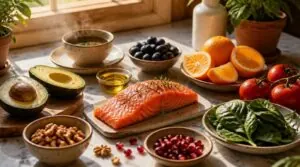
Your skin reflects what’s on your plate, plain and simple. The right foods can fight wrinkles, boost collagen, and bring back that natural glow, all from your kitchen. Here are five everyday favorites worth adding to your next grocery list.
Take fatty fish like salmon or sardines, packed with omega-3s that calm inflammation—or explore how cod liver oil can help clear up acne for an easy way to work those same benefits into your routine.
Your skin reflects what’s on your plate—the right foods can fight wrinkles, boost collagen, and restore your natural glow
Berries
A handful a day works wonders. Blueberries, blackberries, and raspberries owe their deep color to anthocyanins, polyphenol pigments that fight free radicals and support skin rejuvenation. Their edible seeds add fiber, aiding gut regularity while keeping calories low. Even frozen berries retain these antioxidant properties year-round, so don’t shy away from the freezer aisle when fresh ones aren’t in season!
These fruits are rich in antioxidant polyphenols that help reduce inflammation.
Citrus Fruits
Once berries have you covered on antioxidants, oranges, lemons, and grapefruit bring vitamin C for collagen support and skin cell repair. Their flavonoids add extra antioxidant punch, while soluble fiber and citric acid support digestion. Even citrus rind oils and potassium content contribute—hydration and electrolyte balance included. One orange often covers your daily vitamin C needs!
Fatty Fish
Once citrus has your collagen covered, salmon and mackerel step in for the fats your skin actually needs. Omega-3 fatty acids like EPA and DHA strengthen your skin barrier, locking in hydration and smoothness. Aim for two servings weekly.
Choose wild over farmed when you can, and stick to smaller fish like sardines to sidestep mercury concerns.
Leafy Greens
Spinach and kale bring chlorophyll, the pigment giving them that deep green color and real antioxidant punch.
They also pack vitamin K for tissue repair, folate for cell turnover, and carotenoids that guard against UV damage.
- Spinach
- Kale
- Romaine
- Swiss chard
Their fiber even feeds gut bacteria, easing inflammation that ages skin from the inside out.
Avocados
Slice one open and you’ll see why it’s the perfect skin food: creamy, rich, and packed with monounsaturated fats that strengthen your skin barrier and lock in moisture.
That fat also helps you absorb fat-soluble antioxidants from other foods. Toss avocado into your salad, and you’re boosting nutrient uptake automatically.
With fiber for gut health and vitamin E for cellular protection, avocados deliver smoothness from the inside out.
Vitamin C Foods for Collagen
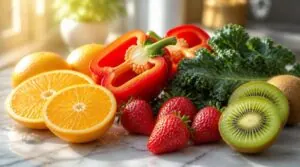
Think of vitamin C as your skin’s collagen coach, keeping production steady and firm. It’s not just about avoiding a cold, this nutrient works hard behind the scenes on your skin’s structure. Here are five foods that give you a serious vitamin C boost.
Oranges and Lemons
Grab an orange, and you’re basically holding a collagen-boosting power pack, one medium fruit delivers enough vitamin C to cover your daily needs. That’s high citrus vitamin bioavailability at work.
Pair that vitamin C boost with a green tea cleansing mask for calm, energized skin to round out your brightening routine.
Lemons add citric acid and peel oils rich in flavonoids like hesperidin, creating flavonoid benefits your skin loves.
Both fruits are over 85% water, so you’re sipping hydration and antioxidants for smoother, brighter skin, one wedge at a time.
Kiwi and Guava
Two tropical fruits pack a bigger vitamin C punch than most people realize. Kiwi collagen synthesis gets a real boost here, plus vitamin E and K along with lutein for antioxidant skin protection.
Guava brings vitamin C with guava zinc benefits, a mineral collagen needs too.
Both offer fruit fiber impact worth noting—steadier digestion, calmer inflammation, happier skin from the inside out.
Red Bell Peppers
Ounce for ounce, a red bell pepper beats an orange in vitamin C levels—one medium pepper delivers roughly 169% of your daily need.
- Carotenoid skin protection from red pigments
- Provitamin A content for cell turnover
- Antioxidant boost even in fermented pepper nutrients
That combo fights wrinkles, calms free radicals, and leaves skin brighter. Toss slices into salads or hummus for an easy daily win.
Strawberries
Ever notice those tiny seeds dotting a strawberry’s surface? Those are achenes, and each one holds a seed—over 200 per berry!
Beyond that crunch, strawberries pack vitamin C for collagen support and anthocyanins, antioxidants giving them that red hue while fighting free radical damage.
Ripening boosts sugar and lowers citric acid, while their juicy, water-dense flesh keeps skin refreshed and glowing.
Broccoli and Kale
Two greens, one glow-boosting duo: broccoli and kale bring vitamin C for collagen synthesis plus vitamin K for connective tissue health.
Chewing or chopping triggers sulforaphane conversion, releasing protective compounds. Their carotenoids fight oxidative stress, while fiber aids gut health tied to clearer skin.
Toss them into stir-fries or salads—your skin (and your gut bacteria) will thank you.
Healthy Fats for Hydrated Skin
Dry, dull skin often comes down to one missing piece: fat. Not the kind to fear, but the kind that keeps your skin’s barrier strong and locks moisture in. Here are five foods that bring the healthy fats your skin’s been asking for.
Salmon and Mackerel
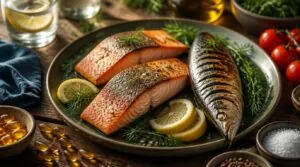
Slide these oily fish onto your plate for omega-3 benefits that build stronger skin barrier function and lock in hydration. They also deliver:
- B12 for red blood cell formation
- Selenium for thyroid health
- Protein for tissue repair
Bonus: baking or pan-frying preserves vitamin D better than heavy sauces or frying in extra oil.
Walnuts and Chia Seeds
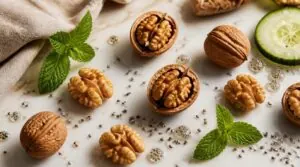
Not a fan of fish? Walnuts and chia seeds have your back. Both offer plant-based ALA, though your body converts only a small amount into the omega-3s your skin barrier craves.
Chia’s soluble fiber aids digestion, while walnuts bring zinc, magnesium, and ellagitannins—antioxidant compounds that fight oxidative stress. Together, they add protein and amino acid variety, supporting smoother, better-hydrated skin from the inside out.
Flaxseeds
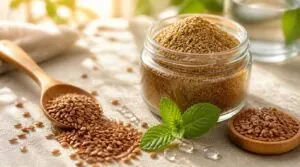
Tiny but mighty. One tablespoon of ground flaxseed packs about 1.8 grams of omega-3s, plus lignans that fight free radicals and support skin hydration.
Grind them fresh for best absorption—whole seeds pass right through you.
Why flaxseeds work:
- ALA aids skin barrier
- Lignans offer antioxidant protection
- Fiber mucilage aids digestion
- Peptides show anti-inflammatory activity
- Grinding boosts nutrient access
Almonds
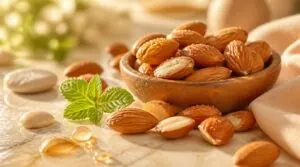
A handful goes a long way: one ounce delivers 7.3 mg of vitamin E, nearly half your daily needs, protecting cell membranes from damage.
| Nutrient | Benefit |
|---|---|
| Vitamin E | Antioxidant protection |
| Monounsaturated fats | Skin hydration |
| Fiber | Blood sugar stability |
| Magnesium, zinc | Mineral support |
| Polyphenols | Cellular defense |
Those healthy fats keep skin smooth, supple, and resilient—your daily glow snack.
Extra Virgin Olive Oil
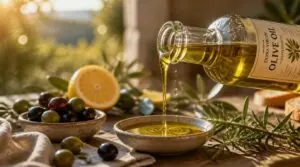
Drizzle it on, and you’re getting more than good fat. Extra virgin olive oil is rich in oleic acid, a stable monounsaturated fat that resists oxidation better than most cooking oils.
It also packs polyphenols like hydroxytyrosol and oleocanthal, plus vitamin E, all working to calm inflammation and shield skin cells. That peppery bite? It’s a sign of quality.
Antioxidant Foods for Younger-Looking Skin
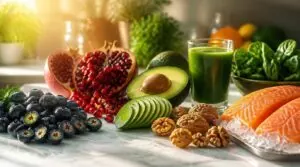
Free radicals are relentless, and your skin feels every bit of that daily wear and tear. The good news? A handful of powerhouse foods can help you fight back and keep that youthful glow intact. Here are five antioxidant all-stars worth adding to your plate.
Green Tea
That daily cup is doing more than warming your hands. Green tea’s polyphenols, especially EGCG, fight oxidative stress that ages skin cells.
Three reasons to sip up:
- Fights free radicals
- Calms inflammation
- Helps cellular repair
Caffeine boosts circulation, while theanine adds smooth, umami flavor. Brewing pulls these compounds straight into your cup—simple, effective skin support.
Dark Chocolate
Yes, chocolate can actually help your skin—the trick is picking the right kind.
Look for 70-85% cocoa, where flavonoid antioxidants and minerals concentrate. A 50g bar delivers 33% DV iron, 28% DV magnesium, plus theobromine for a gentle energy lift.
| Component | Amount (50g bar) | Skin Benefit |
|---|---|---|
| Fiber | 5.5g | Gut-skin support |
| Iron | 33% DV | Cell repair |
| Magnesium | 28% DV | Reduced inflammation |
Pomegranates
Pomegranates pack more punch per bite than their tough exterior suggests. Inside, juicy arils surround tiny seeds in a translucent sarcotesta, delivering concentrated nutrients and fiber (20% DV per 100g).
The real magic? Ellagitannins and anthocyanins—polyphenols giving pomegranates their deep red color and serious antioxidant power against cellular aging.
- Fights free radicals
- Helps collagen
- Boosts fiber intake
- Fights wrinkles
Red Grapes
Snacking on grapes with the skin on is where the real payoff hides. That’s where resveratrol and skin-protecting anthocyanins concentrate, fueling antioxidant defense against aging.
These polyphenols support skin health while grapes’ high water content adds gentle hydration. A simple, juicy way to fight free radicals—no peeling required!
Turmeric
That golden rhizome does more than color your curry. Turmeric’s curcuminoids—curcumin plus a few related compounds—work as antiinflammatory antioxidants, calming skin inflammation before it accelerates aging.
Its volatile oils bring that earthy aroma, while soil quality shapes potency batch to batch. Pair it with black pepper for better absorption, and let this humble spice quietly defend your glow.
Skin-Supporting Minerals and Proteins
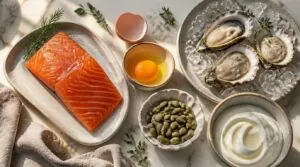
Great skin isn’t just about vitamins and antioxidants, your body needs raw building blocks too. Protein and minerals give your skin the structural support it can’t produce on its own. Here are five foods that quietly do the heavy lifting.
Eggs
Six grams of protein and 77 calories make eggs one of the most efficient anti-aging foods on your plate. The yolk holds choline for cell membranes, plus selenium for skin protection.
- Complete amino acids for tissue repair
- Choline helps maintain cell membrane structure
- Selenium guards against cellular damage
- Zinc, folate, and vitamin E included
- Earns its "nature’s multivitamin" reputation
Truly nutrient-dense, skin-friendly fuel.
Shellfish
Shrimp, oysters, and scallops pack zinc for collagen support, a mineral your skin structure genuinely depends on. Zinc also fuels wound healing and antioxidant enzymes.
Shellfish deliver selenium antioxidant defense plus B12 for cellular repair, keeping dividing skin cells running smoothly.
Omega-3s here help maintain your skin barrier, while lean protein aids collagen production and dermal health overall.
Chicken and Turkey
Poultry gives you essential amino acids for steady collagen production without the saturated fat load of red meat. Turkey breast offers about 29g protein per 100g; chicken breast, 31g.
- Choose lean protein sourcing—skip the skin sometimes
- Use moist poultry cooking methods (braising, roasting)
- Simmer bones for bone broth benefits, extra collagen support
Legumes
Not all skin protein needs a face. Beans, lentils, and chickpeas deliver plant-based protein plus fiber for steady digestion and blood sugar. Their mineral density—zinc, magnesium, iron—helps collagen work quietly. Cheap, flexible, and gut-friendly, they’re an easy addition to any anti-aging plate, no fuss required.
Mushrooms
Little umbrellas, big payoff. Sun-exposed mushrooms trigger vitamin D conversion from ergosterol, supporting immune health and skin repair alike.
- Ergothioneine fights oxidative stress
- Selenium protects skin cells
- B vitamins support cell turnover
- Umami flavor cuts reliance on processed seasonings
That’s nutritional dermatology in action: antioxidants, minerals, and flavor working together. Even their farming helps—mycoremediation turns waste into wellness, inside and out.
Frequently Asked Questions (FAQs)
What should I eat to promote anti-aging?
Focus on berries, citrus, and fatty fish for antioxidant-rich, hydrating nutrition. Add leafy greens and avocados for micronutrient balance and cellular repair.
Together, they create a nutrient-dense foundation that boosts collagen, fights oxidative stress, and keeps skin genuinely radiant.
How do anti-aging foods affect your skin?
Your daily plate works on multiple fronts: antioxidants neutralize free radical damage, vitamin C fuels collagen synthesis, omega-3s strengthen your skin barrier, and anti-inflammatory compounds calm redness, together supporting cellular repair for smoother, more resilient skin over time.
What is the best anti-aging food?
No single food wears the crown alone — real results come from nutrients working together, not one miracle item. Still, if you want a top pick: berries deliver antioxidants that fight collagen breakdown while supporting whole-body skin cell regeneration.
What is a good diet for aging skin?
A good diet for aging skin blends nutrient-dense foods rich in vitamin C, omega-3s, and antioxidants. Think berries, citrus, fatty fish, and leafy greens working together for maximum benefit.
Supporting collagen synthesis, skin hydration, and cellular repair from the inside out.
How does diet affect skin aging?
Your plate is basically a paintbrush for your skin’s future. Sugar spikes glycation, stiffening collagen, while oxidative stress and inflammation from nutrient-poor diets accelerate visible aging—antioxidants and preventative nutrition slow the clock, keeping skin firmer, smoother, and genuinely healthier over time.
Pairing a skin-friendly diet with professional treatments works best when you also explore facial care and skin rejuvenation options, always choosing licensed providers and pausing retinoids beforehand.
Which food is best for anti-aging skin?
Truthfully, no single winner exists, but avocados come close: monounsaturated fats plus vitamin E tackle hydration and oxidative stress together.
That’s nutrients working together in action, pairing healthy fat absorption with antioxidant protection for genuinely glowing, resilient skin.
Can you reverse aging skin with diet?
You can’t hit undo, but you can slow the damage. Cutting sugar limits glycation, while antioxidants and vitamin C fight oxidative stress and support dietary collagen—giving skin a genuine shot at looking younger, firmer, and healthier over time.
What foods make you look younger naturally?
Berries, citrus, and fatty fish top the list—loaded with vitamin C, omega-3s, and antioxidants that boost collagen, fight photo-aging, and support nutrient absorption. Pair with leafy greens and avocados for hydration and cellular repair, naturally brightening skin from within.
What is the most powerful anti-aging food?
If one food had to wear the crown, it’s the blueberry. Its blueberry nutrient density delivers antioxidant benefits, vitamin C, and polyphenols that support collagen synthesis, fight cellular aging, and calm oxidative stress—making it nutrient-dense powerhouse for lasting skin health.
How quickly do anti-aging foods show results?
Patience pays off here: collagen remodeling takes weeks to months, not days. Antioxidant damage lag means visible skin texture improvement follows consistent, nutrient-dense eating. Genetics and lifestyle add variability, but steady intake beats sporadic effort every time.
Conclusion
What’s really stopping you from radiant, youthful skin? Not your skincare shelf, your grocery cart.
Every orange, salmon fillet, and handful of walnuts you eat becomes part of the foods that fight skin aging, quietly rebuilding collagen while you sleep. You don’t need fancy serums to see change, you need consistency at the table.
Start small: swap one processed snack for berries or nuts today. Your skin remembers every meal, so make this one count.