This site is supported by our readers. We may earn a commission, at no cost to you, if you purchase through links. This content is for general informational and educational purposes only and is not a substitute for professional medical, dermatological, or nutritional advice.
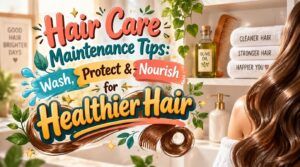
That $40 serum on your shelf? Olive oil on your ends does a similar job for pennies. Yes, really. Stylists see it daily.
Healthy hair doesn’t come from a fancy bottle. It comes from small habits you repeat: how you wash, how you dry, what you do before bed. Skip them, and no product can save you. Nail them, and even a drugstore routine looks salon-fresh.
I’ve spent years behind the chair, and these hair care maintenance tips are the ones I hand every client. They’re simple. They’re cheap. Start with your hair type, and everything else falls into place.
Table Of Contents
- Key Takeaways
- Tailor Your Hair Care to Your Needs
- Wash, Condition, and Detangle Hair Gently
- Prevent Hair Damage When Drying and Styling
- Protect Your Hair Between Washes
- Support Hair Health With Nutrition and Lifestyle
- Frequently Asked Questions (FAQs)
- What is a good hair maintenance routine?
- What is the 3 rule for hair?
- What are 3 do’s and don’ts or hair care?
- What are some tips for maintaining good hair?
- How often should I trim my hair?
- Can sleeping habits affect hair breakage?
- What is the best pillowcase material for hair?
- How do I care for hair while swimming?
- Should I change products with the seasons?
- How often should I get my hair trimmed?
- Conclusion
Key Takeaways
- Your daily habits beat pricey products, so wash gently, dry kindly, and protect your strands before you spend a dime.
- Shampoo only your scalp, put conditioner on your mid-lengths and ends, and detangle wet hair slowly from the ends up with a wide-toothed comb.
- Cut heat damage by squeezing out water first, using heat protectant, keeping irons under 300°F for fine hair and 350°F for thick hair, and sleeping on silk or satin.
- Your hair grows from the inside, so eat enough protein, iron, and calories, skip crash diets and mega-dose supplements, and trim every 6 to 8 weeks to stay ahead of split ends.
Tailor Your Hair Care to Your Needs

Your hair isn’t anyone else’s hair, so it shouldn’t get anyone else’s routine. Two quick steps will help you sort out your needs before you buy or try anything new. Let’s walk through them, because your hair deserves a plan that actually fits.
If your hair shows signs of dryness, heat damage, or bleach-related frizz, these healthy hair treatment plans can help you repair it and build a routine that fits.
Your hair isn’t anyone else’s, so it deserves a routine built around your own needs, not someone else’s
Identify Hair Type and Scalp Needs
How do you know what your hair wants? Feel a strand: fine, medium, or coarse. Drop one in water to test hair porosity, since floating means low and sinking fast means high.
Scalp type next. Greasy within a day? Oily. Tight and flaky? Dry. Fresh for two or three days? Balanced.
Nail both for scalp health and hair type care. Beyond texture and porosity, you can also gauge hair density by scalp visibility by pulling a front section of hair to the side.
Choose Products Without Overspending
Now that you know what your hair wants, shop only for that. Use this hair care guide: check the first five ingredients, since they make up most of the bottle.
If a label lists sulfates, heavy silicones, or drying alcohols near the top, this guide to bad ingredients for hair explains why they can leave strands dull, dry, or weighed down.
Dilute the shampoo so one bottle lasts longer. Swap pricey serums for olive oil on your ends. Try natural remedies, like aloe masks. Skip trendy hair products. Your wallet cheers.
Wash, Condition, and Detangle Hair Gently
Once you know your hair, it’s time to wash it like you mean it. Gently, though.
Focus shampoo on your scalp. That’s where the oil and sweat live. Dilute the shampoo in your palms with a little water, then massage it in with your fingertips. The suds will rinse down the lengths on their own, so don’t scrub them. Keep the water warm, not scorching, and rinse thoroughly.
Next, conditioner goes on your mid-lengths and ends. Skip the roots. Spread it evenly, then follow the label’s timing.
Now for detangling technique. Grab a wide-toothed comb and start at the ends, working upward. Wet hair stretches and snaps, so go slow. Blot with a microfiber towel. Easy does it!
Prevent Hair Damage When Drying and Styling

Your hair’s clean and damp, so don’t grab the dryer yet. Squeeze out extra water with a microfiber towel first. Less water means less heat time.
Once your strands feel completely dry, you can run a float test for hair porosity at home to see how well your hair absorbs moisture.
Next, spray heat protectant from mid-lengths to ends. Comb it through with your fingers or a wide-tooth comb. Skip the roots, since they’ll go flat.
For blow drying, rough-dry on cool air until you’re about 80% done. Then keep the dryer moving, nozzle on, pointing down the hair shaft. Never park it in one spot! Finish with a cool shot to lock in shine.
Flat ironing? Keep it below 300°F for fine hair and 350°F for thick hair. Add a drop of hair oil after styling. Or wrap damp hair in a silk scarf.
Protect Your Hair Between Washes

Your hair doesn’t clock out just because wash day is over. Between washes, it faces pillowcases, sunshine, pool water, and whatever the weather throws at you. Here are the two spots where a little daily protection pays off big.
Nighttime Hair Care and Protective Hairstyles
Your pillow is rougher than you think.
- Detangle before bed.
- Dry hair fully with a microfiber towel.
- Try hair oil application on your ends.
- Pick loose protective hairstyles, never tight ones.
- Wear a scarf over braids.
Then slide onto a silk pillowcase tonight. Cotton steals moisture and causes tangles. Silk? Smooth sailing. You’ve got this, so wake up gorgeous!
Sun, Swimming, and Seasonal Hair Protection
The sun is sneaky, so don’t skip UV protection. Spritz a hair sunscreen along your part and hairline, then add a hat. Swimming? Wet your hair first, rinse right after, and wear a swim cap.
For summer hair care, try protective hairstyles like braids. In winter, tuck hair under a silk scarf to fight static and wind. Easy, breezy, done.
Support Hair Health With Nutrition and Lifestyle

My client Dana swore her shampoo was betraying her. Three months after crash dieting, her brush was full. Her shampoo was fine. Her plate was the problem.
Your hair grows from the inside, so feed it. A nutrientrich diet is real hair loss prevention. Aim for:
- Protein from beans, soy, nuts, or fish
- Iron-rich foods, checked with a ferritin test
- Enough calories, no crash dieting
- Water and healthy fats for hair hydration
Skip the mega-dose gimmicks. Supplements mostly help when you’re actually deficient, and too much vitamin A, selenium, or zinc can cause shedding. Biotin can also scramble lab results, so tell your doctor.
Stress matters. Prioritize stress management and sleep for hair growth, and be patient. Recovery takes time.
Frequently Asked Questions (FAQs)
What is a good hair maintenance routine?
Think you need a fancy, pricey routine? Nope, that’s a myth. A good hair care routine means washing as needed, conditioning your lengths, detangling gently, and protecting your hair. Simple. Consistent. Done.
What is the 3 rule for hair?
Picture a three-legged stool: pull one leg and it wobbles. Your hair care routine works the same way.
Shampoo your scalp, add deep conditioning to your lengths, then finish with hair protection and hair nourishment.
What are 3 do’s and don’ts or hair care?
Picture straw turning silky. Your hair care routine can do that.
Do deep condition weekly, use heat protectant, and add hair oils to ends. Don’t scrub shampoo through lengths, rub with towels, or crank heat.
What are some tips for maintaining good hair?
Build a hair care routine that fits your scalp. Shampoo the roots, condition the ends, and deep condition weekly. Use heat protectant, add hair oils sparingly, and sleep on silk. That’s hair health maintenance, done!
How often should I trim my hair?
Your split ends are plotting against you right now! Hair trimming every 6 to 8 weeks keeps most hair happy.
Fine or damaged hair? Go every 4 to 6 weeks. Healthy and growing? Every 3 to 4 months works.
Can sleeping habits affect hair breakage?
I only sleep eight hours, how much harm can that do?" Plenty! Cotton creates 51% more friction than silk, so every toss weakens strands. Swap your pillowcase, keep hair dry, and you’ll protect hair health and cut hair breakage.
What is the best pillowcase material for hair?
Go with mulberry silk. It cuts hair breakage, locks in moisture, and protects hair elasticity, whatever your hair type.
On a budget? Satin’s a solid swap. Your hair health and hair care both still win.
How do I care for hair while swimming?
Picture Jess, who swam daily and watched her hair turn straw.
Wet it first, oil your hair, wear a hatscarf, then rinse fast. Use clarifying shampoo weekly, moisturizing shampoo after, to restore lost hair moisture.
Should I change products with the seasons?
Not by the calendar, no. Change products when your hair type or scalp acts differently. Dry winter air? Try a moisturizing shampoo or richer conditioner. Swim or sweat more? Adjust one product at a time.
How often should I get my hair trimmed?
Trim every 6 to 8 weeks as a baseline. Fine or heat-styled hair? Go every 4 to Thick, curly, or growing it out? Stretch to 10 to Split ends don’t heal, so snip them.
Conclusion
Your hair is a garden, not a science experiment. Water it gently, shield it from harsh weather, and feed it well, and it’ll bloom.
These hair care maintenance tips work because you repeat them, not because they’re fancy. Wash smart. Dry kindly. Protect your strands at night and in the sun. Eat like you love yourself.
Skip the $40 hype. Your daily habits do the heavy lifting, and your mirror will notice first. Start tonight.