This site is supported by our readers. We may earn a commission, at no cost to you, if you purchase through links. This content is for general informational and educational purposes only and is not a substitute for professional medical, dermatological, or nutritional advice.
You finally hit your goal weight, and then your hairbrush starts looking like a crime scene. Sound familiar? You’re not imagining it, and you’re not alone. Somewhere between 50 and 200 hairs a day can end up in the shower drain after major weight loss, especially if you dropped the pounds fast.
Here’s the good news: this shedding has a name, a timeline, and an ending. Telogen effluvium, the medical term for stress-triggered hair loss, is temporary. Your follicles aren’t broken, they’re just resetting.
Let’s figure out why it happens and exactly when you’ll see hair growth after weight loss kick back in.
Table Of Contents
- Key Takeaways
- Why Does Hair Loss Happen After Weight Loss?
- Which Nutrient Deficiencies Affect Hair Regrowth?
- When Does Hair Grow Back After Weight Loss?
- How to Support Hair Growth After Weight Loss
- How to Prevent Further Hair Loss
- Frequently Asked Questions (FAQs)
- Will losing weight regrow hair?
- Can eating too little fat cause hair loss?
- Is hair loss from malnutrition reversible?
- How long does it take for a diet to repair hair?
- How long does hair loss after weight loss last?
- Can hair loss after weight loss be permanent?
- What are the best supplements for hair regrowth?
- How can stress management help prevent hair loss?
- What lifestyle changes can promote hair growth?
- Do certain medical conditions slow hair recovery?
- Conclusion
Key Takeaways
- Losing weight fast can push your hair into telogen effluvium, a temporary shedding phase caused by stress on your follicles, not permanent damage.
- Crash diets under 1,200 calories starve your body of protein, iron, and zinc, so losing weight gradually at 0.5-1 kg weekly protects both your body and your hair.
- Shedding typically peaks around months three to six, with regrowth starting near month six and fuller density returning by month twelve.
- Getting your ferritin, zinc, vitamin D, and protein levels checked and corrected under medical guidance is the most reliable way to speed up recovery.
Why Does Hair Loss Happen After Weight Loss?

Losing weight fast can throw your whole body into a kind of survival mode, and your hair often takes the hit first. It’s not random, either. Here are the five main reasons your scalp might be shedding more than usual right now.
The good news is you can support regrowth while your body rebalances, and pairing patience with targeted hair growth serums for women over 50 can help nudge things along.
Telogen Effluvium and Hair Cycling
When your body senses major change, your hair cycle reacts fast. Normally, 85% of hairs sit in anagen (growth) and 15% rest in telogen. Significant stress can push 70% into telogen early.
Roughly 3-4 months later, those "club hairs" shed. This pattern of stress-triggered shedding is known as stress-induced telogen effluvium, and most cases resolve on their own within a few months. It’s temporary: new anagen growth is already forming underneath, pushing old hairs out.
Crash Diets and Calorie Restriction
Crash diets add fuel to the fire. Dropping below 1,200 calories daily starves follicles of protein and iron, forcing early telogen shift.
This isn’t just stress-induced shedding, it’s nutrient depletion compounding rapid weight loss. Muscle loss follows too, since your body cannibalizes tissue for energy.
Worse, rebound weight gain often follows crash diets, restarting the shedding cycle. Gradual, steady loss protects both your body and your hair.
Stress and Hormonal Changes
Your body doesn’t separate "diet stress" from "life stress," it just reacts. Cortisol spikes push follicles into telogen (resting phase) early.
This disrupts hormonal feedback loops, shifting thyroid function and prolactin levels too.
Five stress-driven shifts to know:
- Cortisol surges
- Thyroid hormone drops
- Prolactin imbalances
- Cycle disruption
- Allostatic load builds
Stress management isn’t optional, it’s hair insurance.
Hair Loss After Bariatric Surgery
Bariatric surgery amplifies everything you just read about stress and hormones. Rapid weight loss triggers telogen effluvium in 57% of patients, often within two to four months post-op.
| Timing | Driver | Pattern |
|---|---|---|
| 3-7 weeks | Rapid restriction | Diffuse shedding |
| 2-4 months | Low ferritin, zinc | Progressive loss |
| 6+ months | Poor supplementation | Chronic risk |
Other Compounding Hair Loss Triggers
Weight loss rarely acts alone. Hormonal imbalances, medication side effects, autoimmune conditions, and chronic illness stress often stack on top of it.
Scalp inflammation matters too. Irritation or dandruff can worsen shedding independently.
Patchy loss instead of diffuse thinning? That points beyond diet, toward autoimmune triggers needing separate evaluation, not just nutrition and stress management alone.
Which Nutrient Deficiencies Affect Hair Regrowth?

Weight loss doesn’t just shift your calories, it shifts what your follicles have to work with. When key nutrients run low, hair growth is often the first thing to suffer. Here are the deficiencies worth checking first.
Iron and Ferritin Deficiency
Think of ferritin as your hair’s savings account for iron. When levels drop below 30 ng/mL, shedding often follows. Iron deficiency symptoms include fatigue and noticeable thinning.
Beyond nutrient levels, everyday habits matter too—brushing gently and avoiding tight styles are simple hair breakage prevention methods that protect strands already weakened by low iron.
Boost dietary iron through legumes and greens, though absorption varies. Supplement only under medical guidance since excess iron carries risks. Recovery timelines improve once ferritin stabilizes and regrowth resumes.
Zinc and Follicle Function
When zinc runs low, your follicles feel it fast. Zinc drives enzyme activity behind cellular growth, DNA repair, and mitochondrial function, all needed for follicle maturation.
Deficiency shows up as:
- Brittle, easily broken strands
- Slower growth cycles
- Impaired mitochondrial function
- Disrupted follicle function
- Weaker zinc metabolism overall
Patients average 84 µg/dL versus 98 µg/dL in controls, four times more common in hair loss cases.
Protein and Keratin Production
Your hair is almost pure keratin, about 95% by weight. No protein, no keratin synthesis, no growth. You need 1.0-1.2g protein per kg bodyweight daily, spread across meals for steady amino acid supply.
| Source | Protein | Quality |
|---|---|---|
| Egg | 7g | Complete |
| Greek yogurt | 10g/½ cup | Complete |
| Lentils | Varies | Combine for complete |
Deficiency shows in 2-3 months. Reversible once corrected.
Vitamin D and B Vitamins
Sunlight builds vitamin D, but crash dieters often stay indoors, missing this free source.
Vitamin D cycles follicles from resting to growth phase. B vitamins like biotin and folic acid fuel your hair matrix’s cellular engine.
Since B vitamins are water soluble, your body can’t stockpile them; daily intake matters.
- Eggs, fatty fish
- Leafy greens, legumes
- 10-15 minutes midday sun
Testing for Nutritional Deficiencies
Guessing which nutrient is failing you wastes time. Get a blood test panel covering iron, ferritin, zinc, protein, and vitamin D.
| Prep Step | Why It Matters |
|---|---|
| Fasting | Improves accuracy |
| List supplements | Prevents interference |
| Note doses | Aids interpretation |
| Same lab | Ensures comparability |
| Report changes | Adds context |
Skip supplements beforehand, they skew results.
When Does Hair Grow Back After Weight Loss?
You’ve made it through the shedding phase, and now you want a real timeline, not vague reassurance. Hair recovery follows a predictable pattern, with distinct stages you can track month by month. Here’s what to expect as your follicles wake back up and get to work.
The First Three Months

When shedding starts, don’t panic, it’s your body catching up on delayed stress. Months 1-3 bring diffuse shedding (50-200+ hairs daily) with minimal regrowth, though fine hairs may appear by month 2.
Protein intake and ferritin levels drive recovery. Watch for:
- Shedding over 200 hairs, 2+ months
- Bald patches
- Scalp pain or burning
- Zero regrowth by month 3
Peak Shedding During Months Three–Six

By month three, shedding hits its ceiling. Follicles that shifted into telogen (resting phase) weeks earlier now release, driven by cortisol spikes and nutrient shortfalls.
| Month | Shedding Level | Cause |
|---|---|---|
| 3 | Rising | Follicle resting phase shift |
| 4 | Peak volume | Cortisol + calorie deficit |
| 5-6 | Plateau | Delayed telogen release |
Gradual weight loss blunts this spike considerably.
Early Regrowth Around Month Six
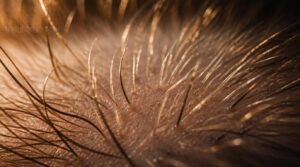
The plateau breaks. Around month six, follicles finally shift from telogen back to anagen growth phase, and fine new strands appear at the crown first.
They’ll feel soft, almost baby-like, at first.
- Hair count often rises 10-20%
- Growth starts at crown, temples first
- Shedding count drops roughly 50% from peak
- New strands feel softer, more pliable
- Scalp tenderness usually eases
Nutrient support (protein, iron, zinc) fuels this follicle change.
Fuller Density Within Twelve Months

By month twelve, most patients see full hair density restoration, strands filling back in at pre-loss thickness.
Ferritin above 60 ng/mL and vitamin D at 40-60 ng/mL sustain this growth.
Rome wasn’t built in a day, and neither is your hair, but consistent nutrient balance turns your comeback story into a lasting one.
Your hair’s comeback, like Rome, takes time, but steady nutrient balance makes it lasting
Factors That Delay Hair Recovery

When your timeline stretches past twelve months, something’s blocking the reset. Common culprits:
- Unresolved nutritional deficiencies (iron, zinc, protein)
- Nutrient absorption issues post-surgery
- Hormonal imbalances
- Sleep deprivation and chronic inflammation
- Medication side effects
Crash diets compound these. Correct the root cause, and your follicles catch up.
How to Support Hair Growth After Weight Loss

Shedding feels scary, but you’re not powerless here. Your body needs the right building blocks and the right conditions to shift back into growth mode. Here’s what actually moves the needle.
Correct Nutrient Deficiencies
Blood work beats guesswork every time. Get ferritin, zinc, vitamin D, and B12 tested before supplementing anything.
Ferritin under 70 ng/mL needs iron plus vitamin C. Low zinc calls for 15-30 mg daily. Vitamin D deficiency improves with 50,000 IU weekly, then maintenance dosing. B12 gaps need 1,000-2,000 µg daily.
Recheck levels every 8-12 weeks. Rome wasn’t built in a day, and neither is repletion.
Meet Daily Protein Needs
Since your body can’t store protein, you need fresh amino acids daily to rebuild hair follicles.
Calculate your target: 0.8g per kilogram of body weight minimum.
- Eggs, fish, poultry
- Greek yogurt, cottage cheese
- Lentils, beans, tofu
- Quinoa, nuts, seeds
Spread protein across every meal, not just dinner. Consistent intake helps steady nutrient absorption and keeps your hair growth cycle running smoothly.
Use Supplements With Medical Guidance
Supplements aren’t a free-for-all, they’re a targeted fix for a confirmed deficiency.
Consult your doctor first for a safety check and proper dosing advice. Ask about deficiency-specific supplements for iron, zinc, or protein.
Verify quality: check labels, skip products claiming to "cure" hair loss. That’s a red flag, not a promise.
Manage Stress and Prioritize Sleep
Your follicles can’t tell the difference between diet stress and life stress, both spike cortisol and push hair into shedding mode.
- Keep a consistent bedtime and wake schedule, even on weekends
- Try five minutes of gentle breathing before bed
- Get morning sunlight to anchor your circadian rhythm
- Journal worries before sleep to quiet a racing mind
Good sleep hygiene isn’t optional, it’s regrowth fuel.
Track Shedding and New Growth
What gets measured gets managed, and that’s true for your hairline too.
Snap photos every four weeks in the same lighting, same part. Count strands in a one-inch square weekly.
| Method | What It Reveals |
|---|---|
| Photo timeline | Density changes over months |
| Strand count | Daily shedding trends |
| Length ruler | Regrowth rate (0.5-1 cm/month) |
| Texture check | Quality of new growth |
Patterns beat panic every time.
How to Prevent Further Hair Loss

Recovering the hair you’ve lost is only half the job. The other half is making sure you don’t trigger a second round of shedding while your follicles are still healing. Here’s how to protect your progress from now on.
Lose Weight at a Gradual Pace
Rome wasn’t built in a day, and neither is a full head of hair. Aim for 0.5 to 1 kg weekly, the sweet spot for steady progress without shocking your follicles.
Pairing that steady pace with the right nutrients makes all the difference — explore plant-based hair growth supplements tailored for vegetarians to keep your follicles fueled every step of the way.
- Set two to three short-term goals
- Track weight weekly, not daily
- Pair caloric deficit with protein intake
- Build sustainable habits, not quick fixes
- Expect gradual, lasting results
Avoid Very Low-Calorie Diets
Crash diets under 1,200 calories daily starve more than your waistline, they starve your hair follicles too. Very low-calorie diets (800 calories or less) raise nutritional deficiency risk and trigger hair shedding within months.
Choose nutrient-rich alternatives instead. Gradual weight loss, adequate protein, and steady hydration protect your hair regrowth timeline while stress reduction techniques keep cortisol from pushing follicles into resting phase early.
Maintain Balanced, Hydrating Meals
Skipping meals starves follicles twice over, once from calories, once from nutrients they can’t absorb without food variety.
Build balanced plates: half fruits/vegetables, whole grains, lean protein, dairy.
- Cucumber (96% water)
- Whole grains
- Varied protein sources
- Fresh produce
Water-rich foods add roughly two cups of fluid daily. Check urine color, clear means you’re hydrated and supporting follicle health.
Practice Gentle Hair Care
Your plate feeds follicles from the inside, but your hands can undo that work fast.
Detangle gently: wide-tooth comb, ends first, hair 70-80% dry. Avoid wet brushing, use proper shampoo technique on the scalp, and reduce heat styling. Rome wasn’t built in a day, and neither is regrowth you’ve just fed.
Know When to See Dermatologist
Most shedding after weight loss is temporary, but not always. See a dermatologist for unexplained hair thinning, bald spots, or scalp itching that won’t quit.
Redness, scaling, or persistent scalp symptoms need evaluation too, since they can signal nutritional deficiency alopecia or another condition entirely.
When shedding outlasts 6-9 months, don’t wait it out.
Frequently Asked Questions (FAQs)
Will losing weight regrow hair?
Rome wasn’t built in a day, and neither is a full head of hair. The scale alone won’t fix shedding; correcting nutritional deficiencies from crash diets, boosting protein intake, and easing stress restores healthy follicle function and lasting regrowth.
Can eating too little fat cause hair loss?
Yes. Very low fat intake limits fat absorption of vitamins A, D, and E, weakens scalp barrier function, and reduces nutrient uptake, essential fatty acids your follicles need for steady hair growth and shedding control.
Is hair loss from malnutrition reversible?
Think of your follicles as seeds waiting out a drought. Once nutrients return, growth resumes. Correcting iron, protein, and vitamin gaps is fully reversible, with visible regrowth usually starting within four to six months.
How long does it take for a diet to repair hair?
Correcting nutritional deficiencies doesn’t fix hair overnight. Follicle cycling shifts slowly, so expect a visible improvement lag of three to six months as the hair shedding period fades and new anagen strands push through.
How long does hair loss after weight loss last?
Picture a garden shedding old leaves before new buds push through: that’s your scalp. Hair shedding usually runs three to six months, with full regrowth and thicker density often taking up to twelve, depending on nutrient status and stress levels.
Can hair loss after weight loss be permanent?
In most cases, no. Telogen effluvium is reversible once the trigger resolves. Correct nutritional deficiencies, stabilize weight, and manage stress hormones, and follicles often resume normal cycling within 6-12 months, restoring density and strength.
What are the best supplements for hair regrowth?
Your best bets are iron, zinc, biotin, vitamin D, and protein. Check ferritin before supplementing iron, add zinc for follicle cycling, and give it 2-3 months. Always loop in your provider first.
How can stress management help prevent hair loss?
High cortisol pushes follicles into telogen phase, worsening shedding. Meditation reduces cortisol, yoga lowers stress, and deep breathing calms your nervous system.
Adequate sleep aids recovery, while mindfulness improves coping, protecting nutrient absorption and easing telogen effluvium during weight loss.
What lifestyle changes can promote hair growth?
Funny how the fix for falling hair isn’t a fancy serum. Regular physical activity, real sleep, and a nutrient-rich diet with protein, iron, and zinc do more, alongside gentle handling and steady stress management.
Do certain medical conditions slow hair recovery?
Yes. Thyroid disorders, autoimmune diseases, scalp infections, and chronic illnesses disrupt hair cycling. Combined with nutritional deficiencies (iron, zinc, protein) or malabsorption, these conditions stall regrowth, so treating the root cause matters as much as diet.
Conclusion
Feeling like your shed strands will never stop? They’ll. Hair growth after weight loss follows a predictable script, three months of shock, three more of shedding, then a slow, steady comeback. Your follicles aren’t punishing you, they’re just catching up.
Fix your nutrient gaps, eat enough protein, and give your body grace. Rome wasn’t built in a day, and neither is a full head of hair. Patience is the last ingredient your regrowth needs.