This site is supported by our readers. We may earn a commission, at no cost to you, if you purchase through links. This content is for general informational and educational purposes only and is not a substitute for professional medical, dermatological, or nutritional advice.

Most people treat their hair like a living thing that needs to be fixed. It isn’t. The strand you see is already dead, a protein filament pushed out from the follicle long before you ever touch it. What you do to visible hair matters far less than what you do to the scalp beneath it.
Hair growth and maintenance starts underground, governed by cycles, hormones, and tissue health that most people overlook. A follicle in poor condition doesn’t just grow slower. It grows weaker, thinner, and shorter with every cycle.
Getting this right means working with your biology, not against it.
Table Of Contents
- Key Takeaways
- How Hair Growth Works
- Build a Healthy Scalp Routine
- Condition and Style Hair Safely
- Eat for Healthy Hair Growth
- Prevent Breakage, Shedding, and Hair Loss
- Frequently Asked Questions (FAQs)
- What helps maintain hair growth?
- What are the big 3 for thinning hair?
- What stimulates hair growth best?
- What is the best hair care routine for hair growth?
- Can a healthy diet help your hair grow?
- How to maintain a healthy hair growth rate?
- How do you keep your hair healthy?
- Why should you care for your hair?
- How can a healthy scalp improve hair growth?
- How can Mena help with hair growth?
- Conclusion
Key Takeaways
- Healthy hair begins at the scalp and follicle, where genetics, hormones, stress, inflammation, and nutrition determine growth, thickness, and shedding.
- Build a simple scalp routine by cleansing based on oil and buildup, using gentle products, protecting the scalp from environmental stress, and massaging with fingertips rather than nails.
- Preserve length by conditioning for moisture and strength, detangling from the ends upward, limiting heat and chemicals, avoiding tight styles, and trimming damaged ends regularly.
- Support growth from within with adequate protein and a varied diet, correct confirmed nutrient deficiencies with clinical guidance, and seek professional help for persistent or sudden shedding.
How Hair Growth Works
Healthy hair starts with understanding what happens beneath the surface. Your growth rate, density, and shedding pattern are shaped by more than the products you use. These four factors explain what influences your hair from root to length.
Hormones, stress, and nutrition can all silently disrupt your follicle cycle — explore the science behind what causes hair to stop growing to better recognize the warning signs early.
Hair Growth Cycle and Phases
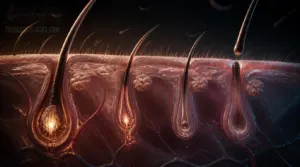
Imagine every follicle as a factory running its own shift. Your hair growth cycle has four phases, so hair shedding does not happen all at once:
- Anagen phase: growth lasts 2–8 years.
- Catagen shift phase lasts 2–3 weeks.
- Telogen phase rests 2–4 months in roughly 9% of hair follicles.
- The exogen shedding process releases strands, then follicle cycles restart again.
Normal daily telogen hair shedding averages 50–100 strands.
Hair Type, Texture, and Porosity
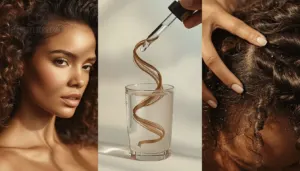
Once the growth phase begins, your hair type shapes strand behavior. Texture analysis identifies fine, medium, or coarse hair texture. Check hair density by scalp visibility and hair elasticity with gentle stretching, since low elasticity can snap.
Your cuticle pattern controls hair porosity and hair hydration. For porosity testing, drop a clean, dry strand into water: floating suggests low porosity.
Genetic and Hormonal Influences

Porosity affects moisture, but your genetic hair loss risk shapes follicle behavior. Hormone receptor sensitivity determines how strongly androgens affect hair follicles.
- Androgen impact can shorten the hair growth cycle
- Estrogen effects often support fuller growth
- Thyroid hormone influence can alter cycle timing
- Family patterns predict hair thinning
Puberty, pregnancy, and menopause can change hormonal influences, sometimes revealing inherited hair loss patterns.
Factors That Slow Hair Growth

Genes and hormones set baseline, but stressors determine whether your hair reaches length. Scalp inflammation from dandruff, environmental pollutants, smoking, or buildup can push follicles into resting, worsening hair thinning. Poor sleep quality and stress shorten active growth, so stress management matters.
Nutritional deficiencies slow keratin production. Heat styling and split ends reduce retained length; scalp massage helps you retain.
Build a Healthy Scalp Routine

Healthy hair starts with a scalp that is clean, balanced, and protected. Your routine doesn’t need to be complicated, but it should match your scalp’s needs and your daily habits. Focus on these five foundations to create a better environment for steady growth.
For a deeper look at how each of these habits supports your follicles, these hair growth tips grounded in scalp science break down the biology behind what actually works.
Scalp Cleansing and Wash Frequency
Clean the scalp first. Scalp oil, flakes, and dirt collect at roots, so match wash frequency to hair care routine:
- Fine hair: every 1–2 days.
- Medium hair: every 2–4 days.
- Thick hair: weekly, as needed.
- Rinse.
- Scalp massage: fingertips.
Clean scalp helps hair grow and reduces flakes. Choose sulfate-free shampoo for hair moisture balance; wash sooner after pollution or dirt.
Choosing Shampoo for Hair Type
Because your scalp sets the conditions for healthy strands, choose shampoo by hair type and scalp behavior. Fine, straight hair often needs effective cleansing without heavy oils. Curly or coarse hair benefits from a sulfatefree shampoo that helps moisture retention.
For buildup-prone, low-porosity hair, lather and rinse thoroughly. Sensitive scalps need gentle, pH-balanced formulas. Ignore most hair growth shampoos unless they suit your hair cleansing routine.
Scalp Massage and Circulation
Use fingertip pressure for scalp massage, not nails. Starting at the hairline, make small circles with enough pressure to shift scalp skin over bone, then cover the top, sides, back, and temples.
Aim for 5 minutes daily. This microcirculation boost may support nutrient delivery to scalp and hair growth stimulation. Finish by gently raking fingers from forehead to nape.
Managing Oil, Buildup, and Inflammation
Sebum control starts with balance, not stripping. Wash when your scalp feels oily, itchy, or coated, then choose lightweight, water-based styling products to support hair shaft hydration without waxy residue.
Once weekly, use a clarifying shampoo if hard water or silicones cause buildup. For inflammation relief, use zinc pyrithione or tea tree formulas as tolerated. A pH-balanced routine protects the scalp microbiome, barrier support, and nutrient delivery to scalp.
Environmental Scalp Protection
Shield your scalp from sun, wind, pollution, and hard-water residue. Wear breathable, wide-brim headgear outdoors, and use leave-in conditioners to support hair shaft hydration and create a pollutant barrier. Protective hairstyles reduce UV exposure and wind-driven moisture loss.
After mineral-heavy water, rinse thoroughly and clarify weekly as needed. This environmental stress shielding improves scalp health and moisture retention.
Condition and Style Hair Safely
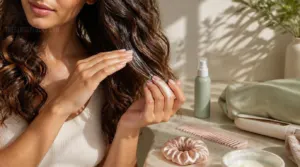
Conditioning and styling choices can protect your length or quietly work against it. The goal is to keep hair flexible, moisturized, and strong without adding unnecessary tension or heat damage. Use the following practices to build a routine that helps healthier-looking, more resilient hair.
Conditioning for Moisture Balance
Conditioning protects your hair’s moisture balance by smoothing the cuticle and supporting scalp barrier repair. After shampooing, apply conditioner through mid-lengths and ends, then rinse with lukewarm or cool water for cuticle sealing.
Look for humectants to draw in water, emollients to improve flexibility and hair elasticity, and occlusives to slow evaporation. This moisture retention reduces roughness and breakage, helping protein synthesis in hair translate into stronger-looking strands.
Deep Conditioning and Protein Treatments
Once conditioner restores moisture, deep conditioning adds a longer reset. After shampooing, apply to damp mid-lengths and ends for 20–30 minutes. For low-porosity hair, gentle heat activation can help.
Protein treatments with hydrolyzed proteins support hair shaft integrity and hair strength, but protein balance matters for keratin synthesis. Try an elasticity test: wet strand lacks stretch, choose moisture; too stretchy, protein.
Gentle Detangling Techniques
After a moisture or protein treatment, protect your progress with gentle detangling:
- Use sectioned detangling; clip finished sections.
- Apply slip enhancing products to damp ends for hair shaft smoothing.
- Start from ends, then work upward.
- Use fingers first knot separation, then a wide tooth comb technique.
This helps tangle prevention, hair breakage prevention, hair shaft repair, and protective hairstyles daily.
Heat-Free and Low-Heat Styling
After detangling, let your hair set without punishment. Air-dry until 80 to 90 percent dry, then braid or twist damp sections overnight for soft waves.
For curls, use heatless rollers or flexi rods and cover with a satin bonnet. If heat styling, apply heat protectant, keep temperatures low, and avoid repeated passes for better hair breakage prevention.
Improving Hair Strength and Elasticity
Choose heat-free or low-heat styles to preserve the flexibility that keeps strands from snapping. Build protein elasticity balance with conditioning for strength, then use a protein treatment every four to six weeks if hair feels weak.
Support hair shaft strengthening with daily protein intake for keratin synthesis. Improve moisture retention with cool rinses, gentle detangling methods, and heat damage protection.
Eat for Healthy Hair Growth

Healthy hair begins with what reaches the follicle from within. Your daily eating pattern can support steady growth, strength, and a more resilient scalp. Focus on these nutrition essentials to give your hair the building blocks it needs.
Daily Protein for Keratin Production
Hair is built from keratin, so your follicles need a reliable protein supply each day. Aim for roughly 1.0–1.2 grams per kilogram of body weight, spread across meals.
Eggs, salmon, beans, lean meats, nuts, and seeds provide amino acids, especially cysteine and methionine, for keratin synthesis. Pair protein with meals instead of catch-up shakes to support hair strengthening and growth.
Iron, Zinc, and Vitamin D
Minerals act like the delivery crew behind healthy strands. For hair growth nutrition, watch for:
- Iron deficiency: fatigue, shedding.
- Zinc hair benefits: helps hair follicle health.
- vitamin D: ask about testing.
- Iron absorption tips: pair plant iron with vitamin C; separate calcium.
- Supplement timing guide: use zinc oxide only as directed.
Vitamin D sources help correct deficiencies; don’t self-treat loss.
Best Foods for Hair Growth
Build meals around protein intake for keratin synthesis: eggs, lentils, beans, tofu, nuts, and seeds all help.
Add salmon, sardines, or mackerel for omega-3 fats that support a healthy scalp.
Orange peppers provide antioxidant-rich vitamin C. Brazil nuts supply selenium, while soybeans offer spermidine. These hair growth vitamins and hair growth minerals support follicles when nutritional deficiencies aren’t getting in the way.
Preventing Restrictive Diet Deficiencies
Restrictive diets can quietly rob follicles of fuel. Keep protein intake steady, about 20–30 g per meal, and pair iron-rich foods with vitamin C. Include healthy fats with vitamins A, D, E, and K for better utilization.
Lose weight gradually, 0.5–1 kg weekly. Track ferritin, zinc, and vitamin D, diversify foods, and ask a dietitian or clinician to investigate persistent shedding.
Hair Growth Supplement Effectiveness
Hair growth supplements can help, but they’re not magic. Evidence strength varies, and benefits are usually modest when deficiencies aren’t present.
- Expect 3–6 months before judging results.
- One 2024 trial found a 10.1% hair-density increase at six months.
- Look for transparent doses, not flashy marketing.
They may improve shedding and strength, but food-first hair nutrition and nutrient absorption still matter. Stop if side effects occur.
Prevent Breakage, Shedding, and Hair Loss

Hair growth depends on what happens at the scalp, but length retention depends on how well you protect each strand. Some shedding is normal, yet persistent loss and breakage deserve attention. Use the steps below to reduce preventable damage and spot warning signs early.
Trimming for Length Retention
Trimming doesn’t grow your hair faster, but it protects the length you’ve already earned. Split ends, left unchecked, travel up the shaft and force you to cut more later.
Trimming won’t speed growth, but protecting your ends preserves every inch you’ve already earned
Trim every 6-12 weeks based on your texture, fine hair needs it sooner, thicker or curly hair can wait longer. Removing just a quarter-inch consistently retains more healthy length over time.
Protective Styles Without Tension
Once your ends are trimmed, protective styles shield that length from daily friction, but only when tension stays low.
Tight installs strain your hairline over time. Choose loose braids, distribute weight evenly, and keep edges free.
- Braid with moderate pressure to allow natural scalp movement
- Moisturize your scalp weekly without disturbing the style
- Remove styles after 6-8 weeks to prevent matting
Heat, Chemical, and UV Protection
Protective styles guard your length from friction, but heat, chemicals, and UV light can still quietly reverse your hard-won progress.
Keep heat below 300°F to prevent permanent keratin damage. A heat protectant coats the hair shaft before styling, reducing breakage. Space chemical services 8-10 weeks apart, and outdoors, use a leave-in with zinc oxide or simply wear a wide-brimmed hat.
Stress Management and Better Sleep
Chronic stress spikes cortisol, pushing hair follicles into early shedding. Protecting your hair growth cycle means addressing stress directly.
If stress-related shedding has left patchy areas on your face too, this guide on how to fix bald spots in your beard offers practical regrowth tips.
If bleaching has added to your shedding, you can reduce hair loss after bleaching by matching moisture, protein, and bond-building care to your hair’s damage.
Start with these five habits:
- Identify daily stressors like pain or work overload
- Practice bedtime breathing for five minutes nightly
- Try progressive muscle relaxation, starting with your toes
- Keep a consistent sleep schedule
- Build a mindfulness practice over eight weeks
Recognizing Excessive Hair Shedding
Losing 50 to 100 hairs daily is completely normal, and most people never notice it happening.
The concern starts when that number clearly climbs higher. Try the pull test: gently tug a small section of clean, dry hair. More than two hairs in one pull may signal telogen effluvium, which often follows a stressor and usually resolves on its own.
Frequently Asked Questions (FAQs)
What helps maintain hair growth?
Maintaining hair growth comes down to a few key pillars: consistent protein intake, balanced iron levels, and a healthy scalp. Supporting your hair follicles through nutrition, scalp massage, and a steady routine keeps the anagen phase thriving.
What are the big 3 for thinning hair?
Ironically, the most effective strategy for thinning hair doesn’t require anything exotic. Minoxidil, finasteride, and ketoconazole shampoo form the "big three," with each one targeting a different root cause of hair loss and scalp decline.
What stimulates hair growth best?
The most reliable stimulants are daily scalp massage, correcting nutritional deficiencies, and applying minoxidil when a clinician recommends it. All three help push hair follicles back into the anagen phase, where active growth actually happens.
What is the best hair care routine for hair growth?
Think of your scalp as the root: nourish it right, and growth follows. Your hair care routine needs sulfate-free shampoo, cool water rinses, weekly scalp massage, nighttime hair protection, and a protein-rich hair growth diet.
Can a healthy diet help your hair grow?
What you eat directly shapes follicle function. Hair is roughly 95% keratin, so your body needs steady protein to rebuild it constantly.
Deficiencies in iron, zinc, and vitamins can slow or stall growth within months.
If you’re hoping for actual regrowth rather than just softer hair, this breakdown of whether beard growth oil really works explains what the evidence actually shows.
How to maintain a healthy hair growth rate?
Your scalp health sets the pace. Daily habits like scalp massage, targeted nutrition for growth, gentle brushing methods, and stress reduction protect your hair follicles and keep each phase of your growth cycle on track.
How do you keep your hair healthy?
Like a garden thriving in good soil, your hair reacts to gentle handling, hydration balance, and daily consistency. Wash with sulfate-free shampoo, condition deeply, detangle carefully, and trim every 8-12 weeks to keep ends strong.
Why should you care for your hair?
Your hair shapes social perception and self-confidence more deeply than most people realize. A consistent hair care routine actively promotes long-term vitality, guards against nutritional deficiencies, and turns everyday upkeep into a meaningful self-care ritual.
How can a healthy scalp improve hair growth?
Healthy scalp conditions support follicle health. Keep pH near 5, cleanse sebum and dead skin 2–3 times weekly, reduce inflammation, and use a five-minute hair growth massage to improve scalp circulation and nutrient delivery.
How can Mena help with hair growth?
Think of Mena as a follicle wake-up call: Mena serum ingredients support hair follicle stimulation, a scalp circulation boost, moisture retention benefits, and breakage reduction effects, protecting hair follicles while complementing hair growth supplements daily.
Conclusion
Treat your scalp like the control room of a small empire, because every visible strand answers to what happens there.
Hair growth and maintenance becomes far simpler when you protect the follicle, feed your body well, cleanse with purpose, and stop breakage before it steals your progress. Consistency beats miracle products. Give your routine time, watch for unusual shedding, and seek clinical help early. Stronger hair is built quietly, one healthy cycle at a time.