This site is supported by our readers. We may earn a commission, at no cost to you, if you purchase through links. This content is for general informational and educational purposes only and is not a substitute for professional medical, dermatological, or nutritional advice.
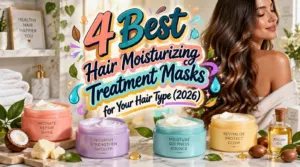
Your conditioner promised softness, and it delivered. For about a day. By Thursday, your ends feel like straw again, and every brush stroke snaps a few strands.
Here’s what’s happening. Regular conditioner smooths the surface, but hair moisturizing treatment masks pack more oils, proteins, and humectants, so they reach deeper and hold on longer. Glycerin and panthenol pull water into the strand, while shea butter and argan oil seal the cuticle so it reflects light.
The right formula depends on your texture, porosity, and color history. These four masks cover the range, from featherweight hydration to serious repair.
Table Of Contents
- Key Takeaways
- Benefits of Hair Moisturizing Treatment Masks
- Moisturizing Hair Masks Vs. Regular Conditioners
- Choosing a Mask for Your Hair Type
- Top 4 Hair Moisturizing Treatment Masks
- Hair Mask Application Steps and Frequency
- Frequently Asked Questions (FAQs)
- What is the best moisturizing mask for hair?
- What is the best moisture mask for dry hair?
- What is a good hair hydrating mask?
- What do I put in my hair to moisturize it?
- What ingredients should I avoid in hair masks?
- Can hair masks cause product buildup over time?
- Should I apply masks on wet or dry hair?
- How long should I leave a mask on?
- Can I use hair masks with scalp conditions?
- Can I leave a hair mask on overnight?
- Conclusion
Key Takeaways
- A hair mask packs in more oils, proteins, and humectants than regular conditioner, so it reaches deeper into the strand and keeps your hair soft for days instead of just a day.
- Your best mask depends on your hair type: go lightweight with glycerin, aloe, or hyaluronic acid if your hair is fine, and choose rich butter-based formulas if it’s thick, coarse, curly, or coily.
- Start with one mask a week on damp, shampooed hair from mid-lengths to ends, then adjust, using it two to three times weekly if your hair is dry or damaged and every one to two weeks if it’s fine or oily.
- Matching the mask to your porosity, texture, and color history matters more than the label, and clarifying regularly keeps heavy silicones and butters from building up and blocking moisture.
Benefits of Hair Moisturizing Treatment Masks
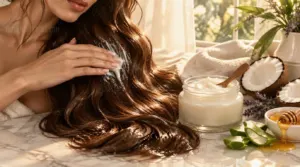
A good hydrating mask does a lot more than make your hair feel nice for an afternoon. Here are the four biggest benefits you can expect when you add one to your routine. Let’s walk through what each one does for your strands.
If your color-treated strands also need tone correction between masks, using purple shampoo on highlighted hair pairs well with a hydrating routine to keep brassiness away and moisture in.
Restored Hair Hydration
Moisture is the first thing a hydrating hair treatment delivers. A good hair mask packs in glycerin and panthenol, which attract water and hold it inside the strand, so your hair feels less brittle after one wash.
Think of it as a deep conditioning treatment for moisture retention. Emollients seal the cuticle, slowing water loss. The effect is temporary, so repeat it.
Softer
Hydration is only half the story. Once water stays put, hair softness follows, and that’s where a good hair mask earns its keep.
Shea butter, argan oil and mango butter coat the strand and smooth the cuticle, so friction drops. Hair glides instead of grabbing. Better moisture retention also improves hair elasticity, which means fewer snaps when you detangle. Because masks improve lubrication, they also help reduce mechanical stress on hair, making it easier to comb through without breakage.
Smoother Strands
Softness feels great, but smoothness is what you’ll see. Humectants like hyaluronic acid pull water into the strand, and cuticle sealing locks it there, so the surface lies flat and bounces light back as shine.
Use a hydrating hair treatment weekly, then add a leavein conditioner on damp lengths. Your hair mask does the heavy lifting; leavein keeps frizz quiet.
Targeted Damage Repair
Smooth hair still has to be strong, and that’s where repair comes in. A hair mask reaches past the surface, so it can patch weak spots inside the strand.
- Snapping at the brush? Bondbuilding reparative treatment rebuilds strength.
- Hair feels like straw? Protein treatment fills gaps.
- Frizz creeping back? Leavein conditioner helps.
- Dullness? Hair hydration restores bounce.
Moisturizing Hair Masks Vs. Regular Conditioners
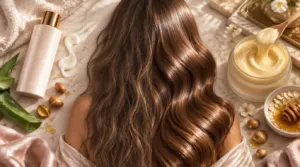
The difference between a hair mask and your everyday conditioner comes down to concentration and time. Conditioner smooths the surface and helps with detangling. A mask packs in more oils, proteins, and humectants, so it can reach inside the strand and deliver up to 50% more moisture.
| Feel | Conditioner | Hair Mask |
|---|---|---|
| After washing | Soft for a day | Soft for days |
| Mirror moment | Just fine | Finally glowing |
| Your mood | Rushed | Pampered |
Think of conditioner as a quick daily rinse and a mask as one of your deep conditioning treatments. Use conditioner every wash for hair hydration upkeep, then add a mask weekly when hair repair is needed.
If your hair is damaged from heat or color, a hair mask vs. deep conditioner comparison can help you choose between rebuilding protein and simply smoothing the cuticle.
Need a boost between masks? Try a leave-in hair repair spray. Strands will thank you.
Choosing a Mask for Your Hair Type
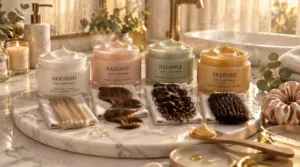
Not every mask works for every head of hair, and the wrong one can leave fine strands limp or thirsty curls still wanting more.
The right pick depends on your hair type and texture, plus whatever your strands have been through lately.
Here’s how to match a mask to your hair so you get the softness you’re after.
Fine Or Thin Hair
Ever slathered on a rich mask and ended up with limp, greasy strands? Fine hair needs lightweight hydration, so look for glycerin, aloe, or hyaluronic acid. Skip heavy oils and silicones, which flatten strands.
A proteinrich hair formula with gentle silk or keratin helps moisture retention and hair elasticity improvement. Use it monthly, not weekly, to avoid stiff, brittle strands.
Thick Or Coarse Hair
Coarse strands are like thick rope: sturdy, but stiff and slow to soften. A rich, butter-based hair mask works like a good lubricant. Shea butter and murumuru butter coat each strand, easing roughness.
Coarse hair is like thick rope, sturdy but stiff, and a rich butter mask coats each strand to ease the roughness
Apply mostly to mid-lengths and ends. Roots can turn greasy, so save scalp nourishment for a lighter product. Leave it on a few minutes, then rinse well.
Curly And Coily Hair
Picture each coil as a thirsty little spring, stretched and ready to snap.
A weekly mask gives you:
- Softer curl definition you’ll actually notice.
- Real frizz control without stiff, crunchy strands.
- Hair breakage prevention, so your length finally sticks around.
Match frequency to your hair porosity, apply to damp hair, and detangle gently. Hair manageability improves surprisingly fast, I promise.
Dry Or Damaged Hair
Does your hair feel like straw by Wednesday? Dry, damaged strands need more than surface slip. Reach for a bondbuilding reparative treatment with keratin or argan oil, and use it two to three times weekly.
Heat styling and high hair porosity make moisture escape fast, so leave it on longer. For hair breakage prevention, pair it with a proteinrich diet.
Color-Treated Hair
Fresh color deserves better than a basic rinse.
Color-treated hair care starts with sealing the cuticle, so pigment stays put. Look for:
- A bond-building reparative treatment like K18 Leave-In Molecular Hair Mask
- Olaplex No 3 Hair Perfector for weekly strengthening
- Sulfate-free, pH-balanced formulas for heat damage repair
Alternate protein and moisture masks so strands stay strong, never stiff. Your color wins.
Top 4 Hair Moisturizing Treatment Masks
Ready to find your match? Below are four masks I’d happily put on my own hair, each one picked for a different set of needs. Scan the list, spot the hair concerns that sound like yours, and start there.
1. Oribe Gold Lust Hair Masque
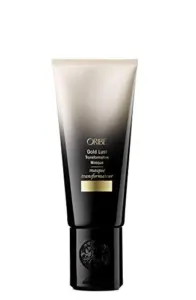
A rich, creamy mask like Oribe Gold Lust is built for hair that’s been through it. Plant collagen, caffeine, biotin and niacinamide work to rebuild fibers, restoring elasticity, softness and shine while taming frizz and split ends.
It’s vegan, silicone-free and suitable for color-treated hair, so most textures can use it.
If you’re curious how these formulas actually work, this guide to the benefits of hair growth stimulating serums explains what to expect and how to use one safely.
The catch? At $72, it’s a splurge, results vary, and some buyers report leaking or open containers. Check the packaging when it arrives. Give it a few uses first.
| Best For | People with dry, damaged, or color-treated hair of any type who want softer, shinier, less frizzy hair and are comfortable paying a premium price. |
|---|---|
| Dimensions | 1.8 × 2.6 × 7.25 in |
| Weight | 1 oz (30 ml) |
| Model Number | 811913019788 |
| Hydration | Intense nourishment |
| Frizz Control | Reduces frizz |
| Price Concern | $72.00, pricey |
| Additional Features |
|
- Rebuilds hair fibers with plant collagen, caffeine, biotin, and niacinamide to restore elasticity, softness, and shine
- Reduces split ends and frizz while adding body and high shine
- Vegan, silicone-free, cruelty-free, and suitable for all hair types and textures, including color-treated hair
- The $72.00 price may be too high for some shoppers
- Results vary, and not everyone sees an immediate transformation
- Some buyers report packaging problems, including leaking or open containers
2. Amika Hydro Rush Moisture Mask
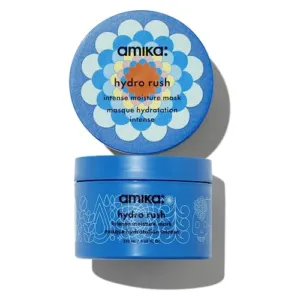
If Oribe’s richness feels like too much, Amika’s Hydro Rush is worth a look for dry, bleached, or dyed hair. One application boosts hydration 5×, and it makes hair 5× easier to comb. Breakage drops by 76%.
You’ll notice better slip on natural 4C hair. Massage it in and wait a few minutes so the full effect kicks in. Hair feels soft, shiny, and manageable, with no heavy residue.
The catch? It’s pricey, and some people still want a leave-in.
| Best For | People with dry, bleached, or dyed hair, including natural 4C hair in humid climates, who want intense, lasting moisture and easier detangling without heavy residue. |
|---|---|
| Dimensions | 3.55 × 3.55 × 2.65 in |
| Weight | 10.56 oz |
| Model Number | 2689750 |
| Hydration | 5× hydration boost |
| Frizz Control | N/A |
| Price Concern | Considered expensive |
| Additional Features |
|
- Boosts hydration 5× after one application and makes hair 5× easier to comb.
- Reduces breakage by 76%.
- Leaves hair soft, shiny, and manageable with better slip on natural 4C hair.
- It’s pricey, and many users see the cost as a drawback.
- You have to massage it in and wait a few minutes to get the full slip effect.
- Some users may still want a leave-in conditioner alongside it.
3. Virtue Flourish Hair Thickening Mask
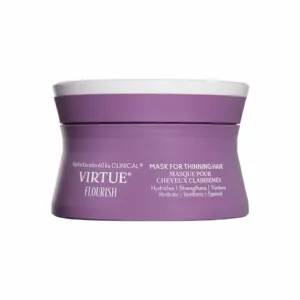
Fine or thinning hair needs something lighter, and that’s where Virtue Flourish comes in. Its whipped, creamy texture spreads evenly without weighing strands down.
The formula pairs Alpha Keratin 60ku with red clover, beet extract, green coffee, and caffeine, plus basil and patchouli oils for your scalp. It’s silicone-free, sulfate-free, and safe for color-treated hair.
Apply it to damp mid-lengths and ends, leave it on for 2 to 3 minutes, then rinse.
Fair warning: some users notice no real difference.
| Best For | People with fine or thinning hair, including color-treated hair, who want a lightweight, silicone-free mask that adds body without weighing strands down. |
|---|---|
| Dimensions | 5.79 × 4.29 × 2.91 in |
| Weight | 8.47 oz |
| Model Number | N/A |
| Hydration | Moisturizing |
| Frizz Control | N/A |
| Price Concern | N/A |
| Additional Features |
|
- Whipped, creamy texture spreads evenly and moisturizes without a heavy feel
- Free of silicones, sulfates, and parabens, and safe for color-treated and chemically treated hair
- Includes Alpha Keratin 60ku, caffeine, and basil and patchouli oils to support thickness, body, and scalp care
- Some users report no noticeable difference in their hair condition
- May be difficult to brush through on color-treated hair
- Feedback is mixed on how well it works compared to regular shampoo
4. Amika Intense Hair Repair Mask
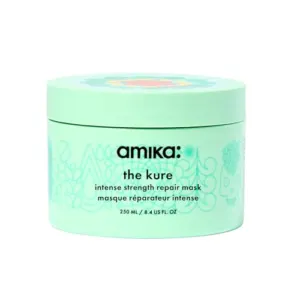
If your hair is dry or damaged, Amika’s Intense Hair Repair Mask is the heavier hitter. Where Virtue Flourish keeps things light, this one strengthens and conditions while intensely hydrating dry strands.
You’ll notice softer, smoother, less frizzy hair with more shine, and it helps your strands hold onto moisture. The jar is 10.56 ounces, so you get plenty for long or thick hair.
Fair warning: some users find it pricey, and it may not rescue severely damaged, fried hair.
| Best For | People with dry, frizzy, or damaged hair who want a deeply hydrating mask that conditions and smooths, especially those with long or thick hair. |
|---|---|
| Dimensions | 3.55 × 3.55 × 2.65 in |
| Weight | 10.56 oz |
| Model Number | 2497790 |
| Hydration | Intense hydration |
| Frizz Control | Reduces frizz |
| Price Concern | Higher price noted |
| Additional Features |
|
- Strengthens and conditions hair while intensely hydrating dry strands
- Reduces frizz and makes hair softer, smoother, and shinier
- Helps hair retain moisture, and the 10.56-ounce jar gives plenty of product
- Some users find the price high
- May not work effectively on severely damaged or fried hair
- Long or thick hair needs a generous amount per use
Hair Mask Application Steps and Frequency
How often should you do a hair mask application? Start once a week, then adjust to what your hair tells you. Your strands will let you know quickly if they want more or less.
Shampoo first, then squeeze out water so you have damp hair, not soaking wet. Detangle, then smooth the mask from mid-lengths to ends. Wrap with a shower cap or warm towel for 5 to 20 minutes, rinse with lukewarm water, and finish with cool water for shine.
Is it a leave-in or rinse-out treatment? Check the label, because that changes your timing.
| Hair type | Frequency |
|---|---|
| Dry or damaged | 2-3 times weekly |
| Fine or oily | Every 7-14 days |
| Thick or curly | 1-2 times weekly |
| Color-treated | Once weekly |
Frequently Asked Questions (FAQs)
What is the best moisturizing mask for hair?
For most hair types, K18 Leave-In Molecular Hair Mask wins at repairing dry damaged and/or dehydrated hair. Pair it with Olaplex No 3 Hair Perfector once a week, and keep your hair mask application simple.
What is the best moisture mask for dry hair?
For dry hair, Amika Hydro Rush Intense Moisture Mask is your best bet. Niacinamide, squalane, hyaluronic acid and polyglutamic acid hydrate deeply, boosting hair moisture retention so strands feel softer and look healthier.
What is a good hair hydrating mask?
Try Amika Hydro Rush, a hair mask with hyaluronic acid that’s great for repairing dry, damaged or dehydrated hair as a weekly hair treatment. Thick hair? Choose a butter-based hair mask or oil-based hair hydration.
What do I put in my hair to moisturize it?
One client’s hair drank water yet stayed brittle. Her fix: try a hair mask or butter-based hair mask with higher concentrations of vitamins oils and butters, then hair oil to seal or leave-in hair repair.
What ingredients should I avoid in hair masks?
Think of your hair as a thirsty sponge, and don’t hand it anything that wrings it out.
Skip drying alcohol denat, and use sulfatefree shampoo. Sensitive? Dodge synthetic fragrances. Silicones and parabens aren’t automatic villains.
Can hair masks cause product buildup over time?
Ironically, the mask meant to boost hair moisture retention can block it. Yes, buildup happens. Silicones and heavy butters leave a greasy residue that stacks up. Clarify weekly, and your hair strength rebounds.
Should I apply masks on wet or dry hair?
Shampoo your hair before using one, then work the mask into damp hair, not soaking wet. Towel-dried strands soak up more and dilute less. Oil-based and pre-shampoo formulas are the exception, since they prefer dry hair.
How long should I leave a mask on?
Think of your mask as a slow cooker, not a flash fry. Leave it on 5 to 10 minutes on damp hair, not soaking wet, unless the label differs. Longer risks buildup and greasiness.
Can I use hair masks with scalp conditions?
Think masks and scalp conditions never mix? Not quite. Fragrance-free formulas can support scalp health if it’s dry.
With scalp oil or flakes, keep masks mid-length down for follicle health, hair strengthening, and breakage prevention.
Can I leave a hair mask on overnight?
Sometimes, but not every mask is built for it. Check the label first, since overnight mask application works best with oil-rich, leavein formulas. Protein-heavy or acid-based rinseout treatments can leave hair stiff, so skip them.
Conclusion
Picture two friends with the same bleach-damaged waves. One grabs a rich repair jar and ends up with limp, greasy roots. The other picks a light hydrating formula and finally gets bounce back. Same hair goal, different results.
That’s the whole lesson. The right hair moisturizing treatment masks match your porosity, texture, and color history, not the loudest label. Use one weekly, leave it on, and your Thursday straw ends will fade.