This site is supported by our readers. We may earn a commission, at no cost to you, if you purchase through links.
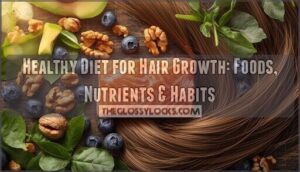
Your hair follicles don’t just respond to what you put on your scalp—they’re shaped by what you put on your plate. Each strand grows from a metabolically active structure that demands a steady supply of protein, vitamins, and minerals to maintain the anagen phase, where growth actually happens.
When your diet falls short on key nutrients, follicles shift prematurely into telogen, the resting phase where shedding takes over. The result? Thinning hair, delayed regrowth, and strands that break before reaching their full potential.
A healthy diet for hair growth isn’t about miracle foods or overnight transformation—it’s about understanding which nutrients fuel follicular activity and how to deliver them consistently through strategic food choices.
Table Of Contents
Key Takeaways
- Hair follicles require consistent intake of protein, omega-3 fatty acids, iron, zinc, and vitamins A, C, D, and B-complex to maintain the anagen growth phase and prevent premature shedding during telogen.
- Nutrient deficiencies—particularly iron (affecting up to 40% of women with diffuse shedding), zinc, selenium, and vitamin D—directly shorten growth phases and delay regrowth, with corrections typically showing results within 3–6 months.
- Strategic food pairing dramatically improves nutrient absorption: combining plant-based iron sources with vitamin C can boost absorption by up to 300%, making meal composition as important as food selection itself.
- The Mediterranean diet’s combination of extra-virgin olive oil, fatty fish, nuts, and antioxidant-rich vegetables has been clinically shown to improve hair density and shaft thickness after 12 months of consistent adherence.
How Diet Influences Hair Growth
Your hair doesn’t grow in a vacuum—it responds directly to what you put on your plate. When your diet falls short on key nutrients, your hair follicles feel it first, often slowing growth or triggering loss before you notice other signs.
Understanding how nutrition powers the hair growth cycle gives you real control over your hair’s health and resilience.
The Hair Growth Cycle and Nutrition
Your hair growth cycle operates in three stages—anagen (growth), catagen shift, and telogen (rest)—each demanding specific nutrition therapy for hair loss. Dietary patterns directly shape hair follicle health and growth phase duration. Nutrient-rich diets for hair health influence how long strands stay active:
- Anagen lasts 2–6 years, with hair growth and development averaging 1–1.7 cm monthly
- Telogen accounts for 5–10% of scalp hairs, shedding 50–100 daily
- Nutrient deficiency can shorten growth phases while prolonging rest periods
Understanding the literature review process is essential for identifying the best nutrition strategies.
Impact of Nutrient Deficiencies on Hair Health
When your plate lacks the right building blocks, your follicles pay the price. Iron deficiency correlates with telogen effluvium in up to 40% of women experiencing diffuse shedding, while zinc and selenium gaps alter hair cycle timing. Vitamin deficiency—particularly D and B12—compounds hair loss patterns, and protein-energy malnutrition stalls growth for weeks to months. Understanding AP study resources can help individuals better grasp the importance of a balanced diet for overall health, including hair growth.
| Nutrient Imbalance | Observable Hair Loss Patterns |
|---|---|
| Iron deficiency | Diffuse shedding, reduced terminal regrowth |
| Zinc/Selenium gaps | Altered cycling, shaft abnormalities |
| Vitamin D/B12 deficiency | Thinning, prolonged telogen phase |
| Protein-energy malnutrition | Delayed anagen re-entry, fragility |
Correcting dietary insufficiency and micronutrient defects through mineral supplements and omega-3 fatty acids aids hair loss prevention and restores follicle function within 3–6 months in many cases.
Essential Nutrients for Healthy Hair
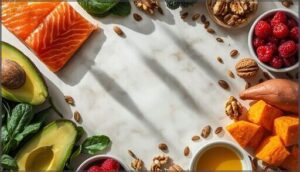
Your hair needs specific nutrients to grow strong and stay healthy. Without them, you might notice thinning, breakage, or slower growth than you’d like.
Let’s look at the key nutrients that make the biggest difference for your hair.
Protein and Keratin Formation
Think of keratin as the backbone of your hair’s strength. If you want resilient strands, focus on consistent Protein Intake and Nutrient Balance.
Amino Acid Role is critical—especially cysteine, lysine, and methionine, which shape Keratin Structure.
Incorporate Protein-Rich Foods like eggs, lean meats, and legumes to support Hair Growth and fortify Hair Strength from root to tip.
Omega-3 Fatty Acids and Hair Follicles
If you’re chasing stronger strands, don’t overlook Omega-3 Fatty Acids. Fatty Acid Benefits go beyond heart health—DHA and EPA from fatty fish boost Scalp Nutrition and foster Hair Follicle Health. Omega-3 Supplements can help balance Inflammatory Responses, nurture Hair Follicles, and even increase hair density.
- Fatty Fish improve scalp sebum composition
- Omega3 aids follicle cycling
- Balanced Nutrition and Hair Health
Key Vitamins: A, C, D, and B-Complex
Certain vitamins fuel hair follicle health from the inside out. Vitamin A regulates sebum and cell differentiation, though toxicity can trigger shedding. Vitamin C drives collagen synthesis and boosts iron uptake. Vitamin D activates growth phases, while B vitamins—biotin, B12, folate—support keratin formation and cellular turnover.
Nutrient deficiencies stall growth; dietary supplements and vitamin interactions matter when correcting gaps.
Vital Minerals: Iron, Zinc, Selenium, and Magnesium
Iron deficiency hits 11% of women, starving follicles of oxygen and triggering telogen effluvium. Zinc supplements (under 40 mg daily) regulate hair cycling, though excess blocks copper. Selenium intake—around 55 micrograms—powers antioxidant defenses; too much backfires. Magnesium benefits protein synthesis for keratin, yet most Americans fall short.
Iron, zinc, selenium, and magnesium each fuel hair growth at precise doses—but excess or deficiency in any mineral disrupts the delicate follicle balance
Mineral balance matters: pair iron-rich plants with vitamin C, and skip megadoses without supervision.
The Role of Biotin in Hair Growth
Biotin’s reputation in hair growth circles isn’t just hype—it’s rooted in biotin metabolism and its direct impact on keratin production. If you’re battling brittle strands or shedding, Biotin Deficiency might be the culprit.
Nutrition therapy for hair loss prioritizes:
- Egg yolks
- Nuts
- Legumes
- Vitamin and mineral supplements
- Hair supplements targeting Biotin benefits and Hair Growth promotion
Best Foods to Promote Hair Growth
If you’re looking to give your hair a boost, what you eat truly matters. Some foods pack a bigger punch for hair growth than others.
Here’s where to focus your attention for the best results.
Fatty Fish and Omega-3 Sources
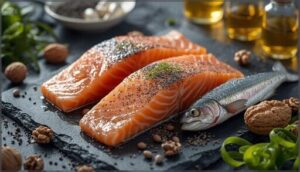
Ever wondered why salmon and mackerel are hailed as hair heroes? Fatty Fish Benefits go beyond taste—these DHA Rich Foods flood your follicles with Omega-3 Fatty Acids, dialing down inflammation and boosting scalp blood flow.
If you’re plant-based, Algal Oil Alternatives pack a similar punch. Omega-3 Supplements and Fish Oil Effects offer backup when fresh fish isn’t on your plate.
Protein-Rich Foods: Eggs, Meats, and Plant-Based Options
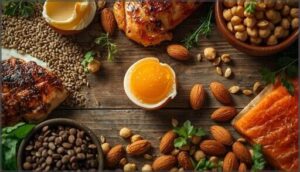
Think your hair’s just cosmetic? Protein Sources drive real change beneath the surface. Eggs deliver top-tier Egg Nutrition, while lean Meat Benefits include iron and all essential amino acids for Keratin Production.
Plant Options—like legumes, nuts, and seeds—pack a punch, especially when combined smartly.
You need protein daily; skimp and your hair’s growth slows, shedding speeds up.
Iron-Boosting Foods: Leafy Greens and Red Meat
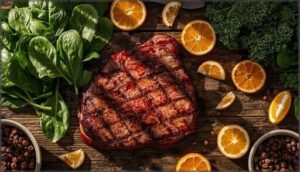
Want to turbocharge your hair’s resilience? Pair dark leafy greens like spinach with vitamin C-rich foods to boost iron absorption—up to 18% from plant sources. Red meat benefits shine with higher bioavailability factors, delivering iron your body grabs fast.
Balance leafy greens, meat, and legumes in your meals; your hair follicles will thank you for the upgrade.
Antioxidant-Rich Berries and Vegetables

Your hair follicles face oxidative stress daily—that’s where berry antioxidants and vegetable benefits step in. Polyphenol-rich berries, bell peppers, and dark leafy greens deliver vitamin C and phytochemical effects that protect follicle cells and support collagen synthesis for stronger hair shafts.
- Strawberries and blueberries reduce oxidative damage markers linked to shedding phases
- Carrots and leafy greens improve sebum quality, creating a healthier growth environment
- Anthocyanins in berries may delay follicle aging through antioxidant signaling pathways
Nuts, Seeds, and Whole Grains for Hair Health
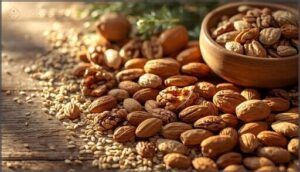
Berries protect follicles, but nuts and seeds deliver mineral precision your scalp can’t manufacture. One ounce of walnuts provides 2.5 g of omega-3 fatty acids, while pumpkin seeds supply zinc co-factors that build keratin.
Whole grains like quinoa offer complete protein for hair shaft integrity. Pair these with vitamin C-rich foods to boost nutrient absorption—soaking seeds first improves hair mineral balance through better grain preparation methods.
Dietary Habits for Optimal Hair Health
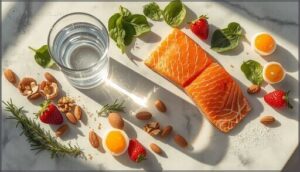
Eating the right foods matters, but how you build your plate and structure your eating habits makes a real difference in whether those nutrients actually reach your hair follicles.
Your daily dietary patterns—from hydration to food pairings—directly influence nutrient absorption and utilization.
Here’s how to enhance your approach for healthier, stronger hair growth.
Building a Balanced, Nutrient-Dense Diet
Your hair depends on a steady stream of nutrients, not sporadic feedings. Balanced eating means integrating protein, healthy fats, vitamins, and minerals into every meal—meal planning helps you avoid gaps that slow growth.
Food variety ensures you’re covering all bases, from iron-rich greens to omega-3-packed fish. Healthy snacking on nuts or berries between meals keeps nutrient timing consistent, supporting hair follicles around the clock without restrictive diets or fads.
Hydration and Scalp Health
Drinking two to three liters of water daily keeps your scalp moisture where it needs to be—dehydration can increase water loss from your scalp by 40% within just one day.
That dry scalp you’re fighting? It’s often a hydration status issue affecting sebum production and triggering scalp irritation.
Proper water intake nourishes hair follicles and creates the foundation for effective nutrition therapy for hair loss, making hair care and nutrition truly work together.
Pairing Foods for Better Nutrient Absorption
Strategic food synergy transforms how your body absorbs nutrients critical for hair growth—iron bioavailability factors shift dramatically when you pair plant sources with vitamin C. Smart meal planning maximizes these nutrient boosters:
- Spinach salads with strawberries boost iron absorption by up to 300%
- Salmon with vitamin D-rich mushrooms optimizes omega-3 fatty acids uptake
- Zinc from pumpkin seeds pairs with protein for better digestive health
- Legumes with bell peppers convert non-heme iron efficiently
- Greek yogurt with berries aids nutrient transport to follicles
Limiting Deficiency Risks With Smart Choices
Nearly half of all adults carry at least one micronutrient balance issue affecting hair health—iron and zinc deficiencies top the list. Your deficiency prevention strategy starts with smart supplementation: iron-deficient individuals saw 21% density improvements in six months, while 25–30 mg zinc daily restored growth in deficient cases.
Healthy hair strategies require monitoring vitamin D, omega-3 fatty acids, protein, iron, and B vitamins carefully—nutrient interactions matter more than isolated supplementation.
Special Diets and Hair Growth Considerations

Your dietary approach matters more than you might think regarding hair health. Whether you follow a specific eating pattern, manage a health condition, or wonder if supplements could help, there are key strategies that can support your hair growth goals.
Let’s break down what you need to know about specialized diets and when professional guidance becomes essential.
Mediterranean Diet Benefits for Hair
You mightn’t expect it, but the Mediterranean diet isn’t just good for your heart—research shows it can strengthen your hair, too. A randomized trial found that extra-virgin olive oil and mixed nuts improved hair density and shaft thickness after 12 months.
The omega-3 fatty acids from fatty fish reduce shedding, while antioxidants from vegetables support scalp health and follicle function naturally.
Vegetarian and Vegan Hair Health Strategies
If you’re ditching animal products, you’ll need to get strategic about plant protein, dark leafy greens, and omega balance. Pair iron-rich spinach with berries for better absorption—zinc deficiency from phytates is real.
Load up on avocados, nuts, and seeds, and consider iron supplements if shedding persists. Vegan hair care isn’t about restriction; it’s about smart swaps that keep follicles fed and thriving.
Managing Hair Health With Medical Conditions
When autoimmune disorders, thyroid health issues, or hormone balance problems disrupt your hair, food alone won’t fix everything—but it can still move the needle. You’ll need targeted medical hair care alongside nutrition that aids what’s broken:
- Thyroid dysfunction patients: prioritize iron, zinc, and omega-3 fatty acids to counter metabolic slowdown
- Autoimmune conditions: boost vitamin D and protein to stabilize inflammation
- Hormone imbalances: focus on nutrient density to support hair loss therapy and follicle resilience
When to Consider Supplements or Professional Advice
Your scalp isn’t a guessing game. If blood work confirms nutrient deficiency—ferritin below 40, low zinc—dietary supplements for hair become medical evaluation territory, not DIY.
Registered dietitians design nutrition therapy that corrects vitamin and mineral deficiencies without toxicity risk, while dermatologists unravel hair loss causes beyond diet. Supplement timing matters less than professional guidance on safe dosing for hair loss prevention and treatment.
| When You Need Help | Who to See |
|---|---|
| Sudden shedding or thinning | Dermatologist or trichologist |
| Diet gaps with fatigue, weight changes | Registered dietitian |
| Thyroid or metabolic concerns | Endocrinologist or primary care |
Frequently Asked Questions (FAQs)
Can stress cause nutritional deficiencies affecting hair?
Yes—chronic stress disrupts your nutrient status. Cortisol alters iron metabolism, stress depletes zinc in 30–40% of adults, and vitamin C levels drop 10–25%, all directly compromising hair follicle function and growth.
How long until dietary changes show results?
Hair follicles respond like seeds in spring—patience matters. Most people notice improvements within 3–6 months of nutrient-rich diets as hair cycles shift, with peak density changes appearing after 6–12 months of consistent nutrition optimization.
Does alcohol consumption negatively impact hair growth?
Heavy drinking disrupts nutrient absorption—particularly zinc, iron, and B vitamins—which weakens hair follicles and slows growth.
Dehydration from alcohol also compromises scalp health, increasing breakage risk and contributing to hair loss over time.
Can exercise improve circulation for better hair?
Regular physical activity delivers a circulation boost that enhances scalp health and blood flow to hair follicles.
Exercise benefits include improved nutrient delivery, supporting hair growth and collagen production for stronger hair health.
Do hair masks work better than nutrition?
Nutrition delivers systemic support to hair follicles, improving growth patterns and density over months through nutrient absorption.
Topical treatments like hair masks boost shine and moisture temporarily but don’t reliably accelerate hair growth without dietary impact.
Conclusion
Think of your follicles as high-performance engines—they’ll only run as well as the fuel you provide. A healthy diet for hair growth isn’t restrictive; it’s restorative.
By prioritizing protein, omega-3s, iron, and targeted vitamins, you’re not chasing quick fixes—you’re rebuilding from the root up. Consistency wins over intensity.
Feed your scalp the nutrients it demands, and your hair will respond with density, resilience, and sustained growth you can actually see.
- https://ods.od.nih.gov/factsheets/VitaminD-HealthProfessional/
- https://www.ncbi.nlm.nih.gov/pmc/articles/PMC4989391/
- https://lpi.oregonstate.edu/mic/health-disease/skin-health/vitamin-C
- https://my.clevelandclinic.org/health/diseases/21753-hair-loss
- https://karger.com/sad/article/3/3/166/291279/A-Review-of-the-Use-of-Biotin-for-Hair-Loss