This site is supported by our readers. We may earn a commission, at no cost to you, if you purchase through links.

Your scalp produces roughly half an inch of hair each month, but genetics dictates whether your strands reach your shoulders in two years or your waist in five. Most people won’t grow Rapunzel-length hair because their growth phase taps out long before that happens.
Hair follicles cycle through active growth, shift, rest, and shedding on their own schedule, with each strand operating independently.
Understanding these phases and the factors that speed up or stall growth—from nutrition to stress levels—gives you the leverage to work with your biology instead of against it. The right approach doesn’t require expensive treatments or miracle products, just evidence-based strategies that target what actually influences how long your hair grows and how quickly it gets there.
Table Of Contents
- Key Takeaways
- How Fast Does Hair Grow?
- The Four Stages of Hair Growth
- Key Factors Affecting Hair Growth Rate
- How Nutrition and Lifestyle Impact Growth
- Proven Ways to Promote Faster Hair Growth
- Top 5 Products for Supporting Hair Growth
- When to Seek Professional Advice
- Frequently Asked Questions (FAQs)
- How does hair growth work?
- What factors affect hair growth?
- What are the best ways to promote healthy hair growth?
- What should I do if I’m losing hair?
- When should I see a doctor about hair loss?
- Can cutting hair make it grow faster?
- Does shaving increase hair growth speed?
- Do hair growth vitamins actually work?
- How long to grow hair past shoulders?
- Does wearing hats slow down hair growth?
- Conclusion
Key Takeaways
- Your hair grows about 0.5 to 1.0 centimeters monthly, translating to roughly 6 to 12 centimeters yearly, with genetics determining maximum length through the anagen phase duration rather than growth speed.
- Hair follicles cycle through four distinct phases—anagen (active growth lasting 2-8 years), catagen (2-3 week transition), telogen (2-3 month rest), and exogen (shedding 50-100 hairs daily)—with each strand operating independently.
- Nutrient deficiencies in iron, biotin, and vitamins A, D, and E directly impair follicle function and slow growth, while stress, illness, and hormonal imbalances trigger telogen effluvium and excessive shedding.
- Minoxidil remains the only FDA-approved topical treatment proven to increase hair count by about 10 hairs per square centimeter within 24 weeks, though continuous use is required to maintain results.
Since each follicle runs on its own independent timeline, tracking your actual growth rate offers a clearer picture than averages alone—see how much hair grows in two weeks to set realistic expectations.
How Fast Does Hair Grow?
Hair growth follows a predictable pattern that’s consistent across most people. Your strands don’t spring up overnight—they follow specific rates that you can measure and track. If you’re wondering whether you can wax stubble or need to wait for longer regrowth, timing matters more than you’d think.
Understanding these numbers gives you realistic expectations for how long it’ll take to reach your hair goals.
Average Monthly and Yearly Growth Rates
On average, your hair grows about 0.5 to 1.0 centimeters per month, translating to roughly 6 to 12 centimeters yearly. These monthly growth patterns depend heavily on growth rate factors like age and genetics.
The anagen phase—your hair’s active growth stage—determines how long each strand extends before the hair cycle duration shifts to resting and shedding phases, affecting your overall hair regrowth timeline.
Understanding the importance of methodological rigor is essential in scientific studies related to hair growth.
Daily and Weekly Hair Growth Measurements
Your hair length increases by about 0.3 to 0.5 millimeters daily, totaling roughly 2 to 3 millimeters each week. Tracking growth with measurement tools reveals significant daily fluctuations tied to hydration and sleep.
Scalp health directly influences your hair growth rate during the anagen phase, so monitoring these subtle changes helps you spot shifts in your hair growth cycle and apply targeted hair growth tips effectively.
Differences by Hair Type and Body Location
Growth patterns shift dramatically based on hair texture and body location. Scalp follicles remain in anagen for years, while eyebrows cycle through in months.
Regional variations mean coarse hair on your scalp extends six inches annually, but body hair barely reaches half that rate. If you’re curious about the factors that influence these differences, check out this guide on how much hair grows on average in one month for a deeper look at growth patterns across different areas.
Your hair type determines follicle depth and growth cycle duration, directly affecting how long strands can grow before entering telogen. Supporting your follicles with regular scalp oiling and massage can help maximize your genetic growth potential by boosting circulation and nourishment during the active growth phase.
The Four Stages of Hair Growth
Your hair doesn’t just grow continuously—it moves through a cycle of distinct phases that determine when it grows, rests, and eventually falls out. Understanding these stages helps explain why you lose hair daily and why growth can seem slower at certain times. Fortunately, clinically proven hair growth products like minoxidil and finasteride can help extend the active growth phase and reduce excessive shedding.
Hair moves through distinct growth, rest, and shedding phases—that’s why you lose strands daily without going bald
Each strand on your head is in a different phase at any given moment, which is why you’re not losing all your hair at once. This staggered cycle is also why some hair grows faster than others on different parts of your scalp.
Anagen (Growth Phase)

Your scalp is a cellular powerhouse during anagen, the growth phase that defines your hair’s destiny. This stage lasts two to eight years for most people, with rapid cellular activity in each hair follicle driving the hair growth rate.
Key details about the anagen phase include:
- About 85 percent of your follicles are in anagen right now
- Hair grows roughly 0.35 millimeters daily during this phase
- Molecular regulators like Wnt β-catenin signaling control anagen duration
- Matrix keratinocytes proliferate rapidly, building your hair shaft continuously
- Anagen length determines maximum hair length, not growth speed
Understanding the hair growth cycle is essential for maintaining healthy hair.
Catagen (Transition Phase)

Regression marks the beginning of catagen, your follicle’s brief interlude between explosive growth and complete rest. This shift phase lasts two to three weeks, signaling your follicle to pause hair production while the dermal papilla detaches.
About 1 percent of your follicles enter catagen at any moment, shifting from the anagen phase toward the telogen phase in the hair growth cycle.
Telogen (Resting Phase)

Dormancy defines telogen, when your follicles take a two to three month break from manufacturing new strands. Around 10 to 15 percent of your follicles sit in this resting phase at any time, holding hair in place before the exogen phase triggers release.
- Telogen duration spans roughly three to four months under normal conditions
- Follicle health remains stable while your hair anchors without lengthening
- Telogen effluvium occurs when stress or illness pushes excess follicles into early resting
- Hair shedding during telogen is minimal compared to the exogen phase that follows
- Your hair growth cycle maintains balance through staggered telogen timing across your scalp
Exogen (Shedding Phase)

Release marks the moment your club hair detaches and falls from your scalp during exogen, the final stage of the hair growth cycle. You’ll shed between 50 and 100 hairs daily through this natural process, though stress or scalp conditions can disrupt shedding patterns and trigger excessive hair loss.
If your shedding feels heavier than usual, it’s worth checking whether your styling routine is to blame—especially if you’re wondering whether dreads are bad for your hair in the long run.
| Exogen Characteristic | Normal Range | Concern Indicator |
|---|---|---|
| Daily hair shedding | 50–100 hairs | Over 150 hairs daily |
| Follicle health status | Intact bulb visible | Broken or damaged shafts |
| Shedding duration | Continuous low-level | Sudden clumps or patches |
| Telogen phase overlap | Natural shift | Prolonged telogen effluvium |
| Hair growth rate impact | Minimal disruption | Slowed regrowth or thinning |
Your exogen phase maintains follicle health by clearing old strands, making room for new anagen growth and keeping your hair growth cycle balanced across your entire scalp.
Key Factors Affecting Hair Growth Rate

Your hair growth rate isn’t set in stone. Several biological and environmental factors can speed it up or slow it down, often without you realizing it.
Understanding these influences gives you the tools to take control of your hair health and work with your body instead of against it.
Genetics and Hereditary Influences
Your genes don’t just dictate your hair texture—they control growth cycles, follicle density, and strand thickness. Genetic variants influence anagen duration, while hereditary traits like androgen receptor sensitivity shape how your follicles respond to hormones.
Epigenetic factors can even adjust hair biology across generations. These inheritance patterns mean your hair growth potential is hardwired, though you can still enhance what you’ve inherited.
Hormones and Age
Your hormone balance shifts with each decade, reshaping hair biology in ways you can’t outrun. Age-related changes disrupt hair growth patterns and challenge your thyroid function, menopause effects, and metabolic rhythms:
- Androgens like testosterone decline with age, thinning scalp hair in males
- Estrogen drops during menopause trigger increased hair loss in women
- Thyroid hormones regulate follicle activity and slow growth cycles
- Growth hormone and IGF-1 decrease, reducing overall hair health
Nutrition and Diet
Your nutrient intake fuels every strand’s keratin production, and diet planning determines whether follicles get what they need. Protein deficiency stalls hair growth, while iron status correlates with shedding in women.
Hydration levels support scalp health, and caloric balance matters—extreme restriction derails hair nutrition advice that actually works.
Hair health demands consistent meal frequency and micronutrient-rich food choices, not supplements alone.
Stress and Illness
Beyond what you eat, stress management and illness impact can sabotage your hair restoration goals. Elevated cortisol effects during chronic pressure shift follicles into telogen effluvium, triggering hair shedding months later.
- Fever and infection accelerate hair loss through hormonal disruption.
- Thyroid disorders and alopecia directly compromise follicle function.
- Maintaining hormone balance through stress reduction protects your hair growth trajectory.
Medications and Health Conditions
Pharmaceutical solutions like minoxidil and finasteride directly alter your hair growth cycle by targeting DHT or stimulating follicles. However, medication side effects from chemotherapy or hormonal therapies can trigger temporary hair loss.
Health condition impacts from thyroid disorders or alopecia require dermatology evaluation.
Regrowth therapy works when you tackle the underlying issue—your hair loss treatment must match your specific diagnosis for real results.
How Nutrition and Lifestyle Impact Growth

Your hair growth doesn’t happen in isolation—it responds directly to what you eat, how you live, and how well you care for yourself. Nutritional deficiencies, poor hydration, chronic stress, and inadequate sleep can all slow your hair’s progress or trigger excess shedding.
Understanding these connections gives you control over the factors within your reach.
Essential Vitamins and Minerals
Your hair growth rate depends heavily on mineral balance and nutrient absorption. Vitamin deficiency, particularly iron, biotin, and vitamins A, D, and E, weakens follicles and disrupts hair health maintenance.
Meeting your dietary needs through food or hair supplements promotes hair nutrition and hair wellness.
Don’t ignore signs like thinning or shedding—they often signal your body needs specific nutrients for ideal hair growth.
Effects of Diet and Hydration
Your calorie intake and protein sources directly influence hair growth rate by supporting keratin production and reducing shedding. Iron supplements address deficiency-related hair loss, while adequate hydration levels maintain scalp health.
Nutrient balance matters more than isolated vitamins—adequate fats and carbohydrates support follicle cycling through metabolic health.
Prioritize consistent hair nutrition and hair health maintenance through balanced meals for ideal hair care and hair growth.
Role of Sleep and Stress Management
Chronic sleep deprivation disrupts circadian rhythms and increases hair shedding through elevated cortisol levels, which prolong the resting phase and delay new growth. Prioritize seven to nine hours of quality sleep nightly to enhance follicle function.
Beyond sleep, lifestyle factors like smoking compound this stress on follicles, since how nicotine affects hair growth and shedding shows how quickly it reaches your scalp.
Stress reduction through mindful relaxation stabilizes hair loss patterns and aids hair restoration. Your sleep patterns directly impact hair growth rate by regulating inflammation and hormonal balance essential for hair care.
Proven Ways to Promote Faster Hair Growth

You can’t force your hair to grow overnight, but you can create conditions that support its natural growth cycle. A few targeted changes to your hair care routine can reduce breakage and keep follicles healthy.
The following strategies are backed by dermatological evidence and focus on scalp health, gentle handling, and damage prevention.
Scalp Care and Exfoliation
Removing buildup from your scalp unlocks cleaner hair follicles and better product penetration. Exfoliation tips include using physical or chemical exfoliants 1–2 times weekly to improve scalp health and maintenance without irritating your skin.
Gentle products prevent barrier disruption while supporting your hair growth cycle. A scalp massage during exfoliation boosts microcirculation and nutrient delivery.
Prioritize scalp care—your follicles depend on it.
Hair Oils and Scalp Massages
Massaging your scalp 3–5 minutes per session stimulates blood flow and may improve hair thickness over time. Blend rosemary, peppermint, or lavender essential oils with coconut, jojoba, or olive oil carriers to reduce protein loss and boost scalp moisture. Repeat 3–7 times weekly for best results.
These hair oil benefits and massage techniques support scalp health, nourish follicles, and boost your hair growth potential naturally.
For an extra dandruff-fighting boost, try mixing a few drops of lemongrass oil for hair into your favorite scalp treatment routine.
Avoiding Heat and Chemical Damage
Heat exposure above 180°C damages cuticles and increases breakage. Protect your strands and reclaim control of your hair health maintenance with these damage prevention strategies:
- Apply heat protection sprays before styling to reduce cuticle damage by 30–50%.
- Choose chemical free or sulfate-free shampoos to minimize irritation and preserve strand integrity.
- Lower tool temperatures and air-dry when possible to maintain tensile strength.
- Use bond-building hair repair treatments during color processing to prevent breakage.
Regular Trims and Gentle Detangling
Protect your growth investment by minimizing mechanical damage through strategic trimming and proper detangling techniques. Split end prevention requires cutting damaged ends every 8–12 weeks to maintain strand integrity. Gentle combing with wide-tooth tools reduces hair breakage by 40% when you start at the tips and work upward. Your hair care routine determines whether strands reach their full length potential or snap prematurely.
| Hair Maintenance Strategy | Frequency | Breakage Reduction |
|---|---|---|
| Regular hair trimming | Every 8–12 weeks | Prevents split ends |
| Wide-tooth comb detangling | Daily as needed | Up to 40% less breakage |
| Leave-in conditioner application | Before detangling | Reduces combing force markedly |
| Tip-to-root detangling method | Each session | Minimizes strand snagging |
Top 5 Products for Supporting Hair Growth
You don’t need to overhaul your entire routine to support hair growth. Several products target specific factors like scalp health, circulation, and nutrient delivery to create better conditions for growth.
Here are five options that address different aspects of the hair growth cycle.
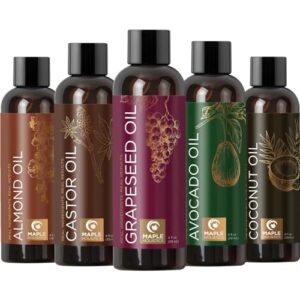
1. Essential Oil Carrier Oil Set
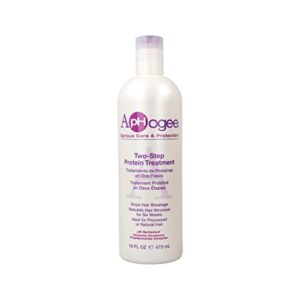
Carrier oils dilute essential blends to safe concentrations while delivering oil benefits directly to your scalp. Jojoba and sweet almond oil provide hair moisture without weighing strands down, creating an ideal base for scalp massage that can support your hair growth cycle.
These products don’t contain clinically proven actives for hair restoration methods, but they moisturize your scalp, reduce dryness, and may decrease breakage.
For best results with hair growth rate and hair care tips, apply a tablespoon during massage and use consistently over several weeks.
| Best For | People looking to moisturize their scalp and reduce breakage while supporting their natural hair growth cycle through gentle, consistent care. |
|---|---|
| Primary Use | Scalp moisturization |
| Application Method | Topical massage |
| Results Timeline | Several weeks |
| Side Effects | Pore clogging |
| FDA Status | Not approved |
| Maintenance Required | Consistent use |
| Additional Features |
|
- Lightweight oils like jojoba and sweet almond absorb well without leaving hair greasy or weighed down
- Can reduce scalp dryness and improve hair manageability when used regularly over several weeks
- Cold-pressed, unrefined varieties preserve natural nutrients that support overall scalp health
- Lacks clinically proven hair-growth ingredients, so results are supportive rather than restorative
- Heavy or overused oils can clog pores or make fine hair look flat if not applied carefully
- Requires patience and consistent use to see noticeable improvements in texture and breakage
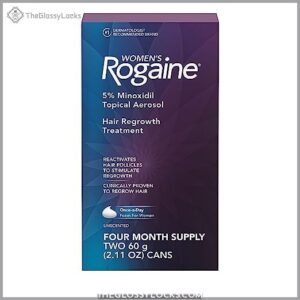
2. Women’s Hair Regrowth Treatment
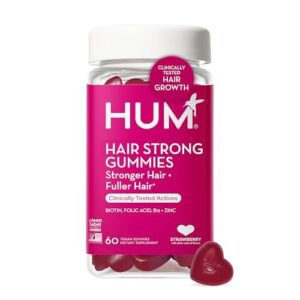
Topical minoxidil therapy stands as the only FDA-approved medication for female pattern hair loss, offering you a proven hair restoration method. The 5 percent foam formulation increases hair count by about 10 hairs per square centimeter within 24 weeks.
You’ll need continuous use to maintain hair regrowth, since stopping usually triggers loss within months. Watch for mild scalp irritation or temporary shedding in early weeks.
For stubborn cases, your dermatologist may combine minoxidil with low-level laser devices or platelet-rich plasma injections to strengthen hair regrowth strategies.
| Best For | Women experiencing female pattern hair loss who want an FDA-approved treatment with proven results and are willing to commit to long-term daily application. |
|---|---|
| Primary Use | Hair loss treatment |
| Application Method | Topical foam |
| Results Timeline | 24 weeks |
| Side Effects | Scalp irritation |
| FDA Status | FDA-approved |
| Maintenance Required | Continuous daily use |
| Additional Features |
|
- Only FDA-approved medication specifically for female pattern hair loss, with clinical trials showing measurable increases in hair count within 24 weeks
- Available over-the-counter in both 2% and 5% formulations, giving you options based on your tolerance and needs
- Can be combined with other treatments like laser devices or platelet-rich plasma injections for better results in stubborn cases
- Requires continuous daily use indefinitely—stopping treatment typically leads to hair loss returning within a few months
- Common side effects include scalp irritation, itching, and unwanted facial hair growth, especially with the 5% concentration
- Temporary increase in hair shedding during the first 2-8 weeks of treatment, which can be discouraging even though it’s normal
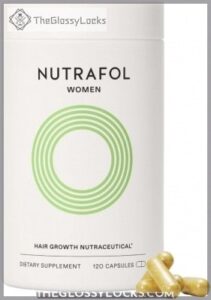
3. Nutrafol Women’s Hair Growth Supplements
Nutraceutical benefits enter the picture when topical treatments aren’t enough. Nutrafol ingredients target multiple hair growth pathways through vitamins, minerals, and plant compounds like ashwagandha and saw palmetto.
In controlled trials, women taking this hair supplement showed about 10 percent more terminal hairs after six months. You’ll take four capsules daily with food to support the growth cycle. Expect gradual improvements in hair growth rate starting around three months.
Skip it if you’re pregnant or taking blood thinners without medical clearance.
| Best For | Women with thinning hair who want a clinically tested supplement that addresses multiple causes of hair loss and are committed to a six-month daily routine. |
|---|---|
| Primary Use | Hair growth supplement |
| Application Method | Oral capsules |
| Results Timeline | 3-6 months |
| Side Effects | Minor digestive issues |
| FDA Status | Not FDA-cleared |
| Maintenance Required | Daily 4 capsules |
| Additional Features |
|
- Clinical trials showed 10% more hair growth after six months, with 80% of women reporting thicker hair compared to 46% on placebo.
- Targets several hair loss pathways at once using vitamins, minerals, and botanicals like ashwagandha and saw palmetto.
- Good safety profile in studies with no serious side effects reported during the six-month trial period.
- Requires taking four capsules daily with food, which can feel like a lot compared to one-pill options.
- Not safe for pregnant or breastfeeding women, and may interact with blood thinners or hormone-sensitive conditions.
- Results take time—you won’t see visible improvements until around three months, with full benefits at six months.
4. Pro Pac Hair Repair Treatment
Hair repair treatments promise scalp health benefits and regrowth support, but Pro Pac lacks the rigorous clinical evidence you’ll find with FDA-cleared options. The formulation aims to nourish follicles and support the hair growth cycle, yet peer-reviewed data confirming consistent treatment results remain scarce.
You might experience mild scalp irritation or allergic reactions. If you’re chasing measurable improvements in hair growth rate, prioritize products with documented efficacy. This treatment won’t deliver hair restoration miracles without solid science backing the claims.
| Best For | People seeking a gentle scalp treatment to support overall hair health, though it’s not the strongest choice if you need proven regrowth results. |
|---|---|
| Primary Use | Scalp treatment |
| Application Method | Topical treatment |
| Results Timeline | Varies |
| Side Effects | Mild irritation |
| FDA Status | Not FDA-cleared |
| Maintenance Required | Regular application |
| Additional Features |
|
- Focuses on nourishing the scalp and hair follicles, which can improve overall hair condition
- Generally mild side effects, mostly limited to minor scalp irritation in sensitive users
- Easy to work into your existing hair care routine without major lifestyle changes
- Lacks strong clinical evidence or peer-reviewed studies showing consistent regrowth
- Not FDA-cleared like more established hair loss treatments, so efficacy claims aren’t as rigorously backed
- May not deliver measurable improvements in hair density or growth rate compared to proven alternatives
5. Alpecin C1 Caffeine Hair Growth Shampoo
Caffeine-based shampoos like Alpecin C1 aim to boost scalp stimulation and extend the anagen phase of your hair growth cycle. The caffeine benefits center on improved blood flow to hair follicles, potentially supporting healthier hair growth rates.
For those curious how the same active ingredient works beyond bottled products, this guide on leaving coffee grounds in your hair overnight explores a DIY approach to the same follicle-stimulating effect.
However, consumer reviews show mixed results, and shampoo ingredients alone won’t reverse genetic hair loss. You’ll need consistent daily use for months to notice changes in hair care outcomes.
Regulatory oversight varies by region, so patch-test this product before committing. For proven hair growth solutions, prioritize FDA-cleared treatments over caffeine effects alone.
| Best For | People looking for an affordable, daily-use shampoo that might support scalp health and complement other hair growth treatments, though results vary widely. |
|---|---|
| Primary Use | Hair growth supplement |
| Application Method | Oral capsules |
| Results Timeline | 3-6 months |
| Side Effects | Potential interactions |
| FDA Status | Not FDA-cleared |
| Maintenance Required | Daily 4 capsules |
| Additional Features |
|
- Contains caffeine which may stimulate blood flow to the scalp and support healthier hair follicles
- Designed for daily use as part of your regular hair care routine
- More affordable than supplement-based options like Nutrafol at around $88/month
- Mixed consumer reviews suggest inconsistent results across different users
- Won’t reverse genetic hair loss on its own and requires months of consistent use to see any changes
- Regulatory standards vary by country, and you’ll need to patch-test before committing to regular use
When to Seek Professional Advice

Hair loss is common, but certain patterns signal a problem that needs medical attention. You shouldn’t ignore sudden thinning, bald patches, or excessive shedding that disrupts your daily life.
Recognizing when to see a dermatologist helps you address underlying conditions and explore treatments that actually work.
Signs of Unusual Hair Loss
You should seek professional evaluation if you notice sudden hair shedding lasting several weeks, distinct bald spots, or patchy hair thinning. Watch for accompanying scalp inflammation, itchy scalp, or visible redness.
Telogen effluvium often causes widespread baldness when stress or illness disrupts growth cycles.
Early hair loss prevention starts with recognizing these warning signs and consulting a dermatologist before damage progresses.
Underlying Medical Conditions
Several conditions disrupt your hair growth rate and demand attention from a dermatologist. Hormonal Imbalance linked to polycystic ovary syndrome, Hypothyroidism slowing follicle activity, and Iron Deficiency depleting ferritin stores all trigger telogen effluvium and impair hair regeneration.
Watch for:
- Autoimmune Disorders like alopecia areata causing patchy hair loss
- Scalp Infections from fungal organisms
- Chronic inflammation from lupus or sarcoidosis
- Insulin resistance affecting follicle function
Options for Medical Treatments and Therapies
Evidence-based medical therapy gives you control when over-the-counter solutions fail. Your dermatologist may prescribe Minoxidil (Rogaine) to stimulate follicles or finasteride to reduce hair loss. Sophisticated options include Platelet-Rich Plasma scalp injections, low-level laser therapy, and hair transplant surgery for permanent restoration.
| Treatment Type | Mechanism | Typical Candidates |
|---|---|---|
| Minoxidil/Rogaine | Stimulates follicles, extends growth phase | Androgenetic alopecia, early thinning |
| Platelet-Rich Plasma | Injects growth factors, improves density | Pattern hair loss, seeking natural option |
| Low-Level Laser | Increases circulation, energizes follicles | Mild to moderate thinning |
| Finasteride | Blocks DHT, slows progression | Male pattern baldness, not pregnant women |
| Hair Transplant | Relocates follicles surgically | Permanent loss, adequate donor area |
Frequently Asked Questions (FAQs)
How does hair growth work?
Ever wonder what’s happening beneath your scalp? Hair growth starts in follicles, where keratinocytes divide rapidly, producing keratin strands through distinct growth cycles—anagen phase for growth, telogen phase for rest, then shedding.
What factors affect hair growth?
Your genetic predisposition, hormonal balance, nutrient intake, environmental factors, and lifestyle choices all influence hair follicle activity and the hair growth cycle, determining how effectively hair growth and development occur through different hair growth techniques.
What are the best ways to promote healthy hair growth?
Ironically, the best hair growth techniques don’t speed growth—they prevent damage.
Scalp massage boosts circulation, a healthy diet fuels follicles, and hair growth supplements fill gaps.
Natural remedies support hair care tips promoting wellness.
What should I do if I’m losing hair?
If you’re losing hair, consult a dermatologist to identify the cause—whether it’s genetics, hormones, or stress.
Early intervention with scalp treatment, hair regrowth therapies, or thinning remedies can prevent baldness and support hair restoration.
When should I see a doctor about hair loss?
You should consult a dermatologist if hair shedding happens rapidly, appears patchy, or accompanies symptoms like fatigue or weight loss.
Medical evaluation helps identify health concerns and prevents baldness through early hair loss prevention strategies.
Can cutting hair make it grow faster?
Despite popular belief, trimming doesn’t accelerate growth from follicles. Hair growth patterns remain unchanged by cutting frequency.
Regular trims prevent split ends and breakage, improving scalp health and helping you maintain length—not gain it faster.
Does shaving increase hair growth speed?
Shaving myths persist, but follicle health determines growth patterns—not your razor.
The anagen phase and hair growth cycle remain unchanged regardless of shaving frequency, so hair texture changes are purely superficial illusions.
Do hair growth vitamins actually work?
Here’s the bottom line: hair growth supplements work mainly when you’re running on empty. If you’ve got nutrient deficiencies like low iron or biotin, vitamins can help restore what’s missing and stabilize shedding.
For most people with balanced diets, though, these products won’t speed up growth or act as miracle growth accelerators. The dietary impact matters most when there’s an actual gap to fill. Think of hair nutrition like fuel—your tank needs to be adequately filled, but overfilling won’t make you go faster.
Supplements may support overall hair health in deficient individuals, but they’re not universal hair growth promotion tools. Before investing in hair care products or hair growth supplements, get tested for vitamin deficiencies. That way, you’ll know if supplementation makes sense for your situation or if you’re better off focusing on a nutrient-rich diet and proven scalp care practices.
How long to grow hair past shoulders?
Reaching shoulder length usually requires 12 to 18 months from a short starting point.
Your hair growth cycle, daily progress tracking, and a consistent hair care routine determine whether you’ll hit this growth barrier sooner or later.
Does wearing hats slow down hair growth?
Hair grows at 3–4 millimeters daily, regardless of hat wear effects.
Tight hat consequences include scalp irritation and breakage, but hair follicle health and the hair growth cycle remain unaffected by typical headwear use.
Conclusion
Your follicles don’t wait for permission to operate. They cycle, rest, and shed according to genetic blueprints you inherited long before you started researching how long it takes for hair to grow.
You can’t override biology, but you can enhance conditions—scalp health, nutrient intake, damage prevention—that let each strand reach its maximum potential.
Stop chasing overnight miracles. Start working with the timeline your body already set, and you’ll see measurable progress without the guesswork.