This site is supported by our readers. We may earn a commission, at no cost to you, if you purchase through links.
Your friend swears that biotin transformed her thinning hair. The supplement aisle offers bottles ranging from 1,000 to 10,000 micrograms, each promising lustrous locks. Yet the recommended daily allowance sits at just 30 micrograms—a puzzling gap that leaves you wondering whether you need a little or a lot.
The truth is, biotin’s relationship with hair growth depends entirely on your current levels. Most people get enough from diet alone, but certain conditions create deficiencies that manifest first in your hair follicles. Understanding where you fall on this spectrum determines whether supplementation will transform your hair or simply produce expensive urine.
Table Of Contents
- Key Takeaways
- What is Biotin and Its Role in Hair Growth
- Recommended Biotin Intake for Hair Health
- Signs and Causes of Biotin Deficiency
- Does Biotin Supplementation Promote Hair Growth?
- Biotin-Rich Foods for Natural Hair Support
- Safe Biotin Supplementation: Dosage and Precautions
- Top Biotin Supplements for Hair Growth
- Frequently Asked Questions (FAQs)
- Is 10,000 mcg of biotin too much for hair growth?
- How much biotin should I take a day for hair growth?
- Do biotin supplements prevent hair loss?
- Can biotin help men grow hair?
- How long does biotin take to grow hair?
- Should you take a biotin supplement for hair & nail growth?
- Can biotin help hair grow faster and thicker?
- Is 10,000 mcg biotin too much for hair?
- What is the downside of taking biotin?
- Is 5000 mcg biotin too much?
- Conclusion
Key Takeaways
- Biotin supplementation only improves hair growth if you have a confirmed deficiency—most people already get the recommended 30 micrograms daily through diet alone, making high-dose supplements ineffective for those with adequate levels.
- Deficiency symptoms include hair loss accompanied by brittle nails, scaly skin, and fatigue, with higher risk groups including pregnant women, individuals with malabsorption disorders, and those taking certain medications like antibiotics or anticonvulsants.
- Common supplement doses of 1,000-10,000 micrograms far exceed daily requirements and can interfere with lab tests for cardiac function and thyroid function, potentially leading to diagnostic errors even though biotin toxicity itself is rare.
- Dietary sources like beef liver, egg yolks, and salmon provide sufficient biotin for hair health when combined with adequate protein, iron, zinc, and omega fatty acids—making a balanced diet more effective than isolated supplementation for non-deficient individuals.
What is Biotin and Its Role in Hair Growth
Biotin is a water-soluble B vitamin that plays a fundamental role in maintaining healthy hair, skin, and nails. Your body relies on this nutrient to support the production of keratin, the structural protein that forms the foundation of your hair.
Since keratin production also affects facial hair, incorporating exercises for beard growth can further stimulate circulation and support stronger, healthier growth.
Understanding how biotin functions in your body can help you make informed decisions about whether supplementation might benefit your hair health.
Biotin as a B Vitamin
Biotin, also known as vitamin B7, is one of eight water-soluble B vitamins your body can’t store long-term. It functions as a cofactor in biotin metabolism, helping enzymes convert fats, proteins, and carbohydrates into energy through nutrient conversion processes.
This B vitamin complex member aids energy production at the cellular level, and biotin deficiency can disrupt these metabolic pathways, potentially affecting hair health alongside other functions. Biotin also plays an important role in promoting nervous system, liver, and skin health (https://www.webmd.com/diet/health-benefits-biotin).
Biotin’s Function in Keratin Production
Your body relies on biotin metabolism to fuel keratin production, the structural protein that makes up roughly 95% of each hair strand. Biotin acts as a coenzyme in protein production pathways, helping convert amino acids like cysteine into the building blocks your hair follicle needs.
Here’s how it works at the cellular level:
- Activates enzymes that synthesize fatty acids essential for keratin structure
- Facilitates amino acid metabolism supplying keratin building blocks
- Maintains keratinocyte function in the hair follicle
- Regulates gene expression linked to keratin synthesis
Proper biotin levels substantially influence, supporting stronger and healthier strands.
How Biotin Affects Hair Strength and Structure
Once keratin forms the foundation of your strand, biotin metabolism continues shaping how resilient and durable that hair becomes. Adequate biotin strengthens the keratin matrix, reducing breakage and brittleness you might notice during brushing. It also promotes scalp conditions that anchor each hair follicle, promoting hair shaft strength from root to tip.
| Biotin Level | Hair Characteristics |
|---|---|
| Adequate | Strong, elastic strands with smooth texture |
| Deficient | Brittle, fragile hair prone to splitting |
| Restored | Improved resilience and reduced breakage |
Recommended Biotin Intake for Hair Health
Your body’s biotin needs aren’t one-size-fits-all. Age, gender, and life stage all play a role in determining how much you actually need.
Two situations deserve special attention in terms of biotin intake for hair health.
Biotin Needs During Pregnancy and Breastfeeding
During pregnancy and breastfeeding, your body’s nutrient demands shift in ways that directly impact maternal health and fetal development. Your prenatal nutrition should include adequate biotin intake—pregnant women need 30 micrograms daily, while breastfeeding mothers require 35 micrograms to support both their own needs and milk production.
Here’s what you should know:
- Pregnancy increases biotin demands for fetal development
- Breastfeeding support requires higher biotin dosage for milk excretion
- Most individuals meet these needs through balanced diets
- Prenatal vitamins usually contain sufficient biotin
- Biotin deficiency during these periods can affect hair health
Consult your healthcare provider before starting biotin supplements during pregnancy or breastfeeding.
While biotin is generally considered safe, just as proper timing and application of natural treatments like henna require careful consideration, your doctor can help determine the right dosage for your specific needs.
Differences in Requirements for Men and Women
When considering gender differences in nutrient needs, you’ll find that biotin requirements don’t vary substantially between men and women within the same age group. Both adults need approximately 30 micrograms daily for ideal hair growth and overall health.
However, hormonal effects during pregnancy and breastfeeding increase women’s demands to 30-35 micrograms, as discussed previously. Men generally have higher energy requirements due to greater lean muscle mass, but this doesn’t translate to increased biotin dosage needs.
For hair growth purposes specifically, supplement guidance remains consistent across genders—deficiency correction matters more than your sex when addressing hair loss concerns with biotin supplements.
Signs and Causes of Biotin Deficiency
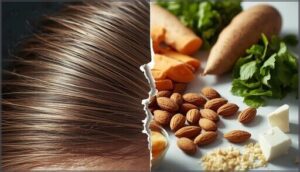
Biotin deficiency is uncommon in healthy adults, but when it occurs, your body sends clear signals that something’s off.
Hair loss is one of the most recognized symptoms, though it’s rarely the only one.
Understanding what causes biotin deficiency and who’s at greatest risk helps you determine whether your hair concerns might stem from inadequate biotin levels.
Hair Loss and Other Deficiency Symptoms
You’ll recognize biotin deficiency through multiple signals, not just hair loss. Your body sends clear warnings when nutrient imbalance disrupts normal function.
- Hair shedding accompanied by thinning or increased breakage
- Dry, scaly skin issues or facial rashes
- Brittle nails that crack or split easily
- Fatigue, mood changes, or difficulty concentrating
These health consequences often appear together. Biotin supplements may help restore hair growth once a vitamin deficiency is confirmed through proper evaluation.
Risk Factors for Biotin Deficiency
Your lifestyle, medication regimen, and underlying conditions can tip your biotin status into deficit territory. Long-term antibiotic use disrupts gut bacteria that produce biotin, while chronic alcohol accelerates nutrient breakdown.
Malabsorption disorders like Crohn’s disease or celiac disease impair uptake. Raw egg whites consumed regularly bind biotin through avidin protein. Anticonvulsants, isotretinoin, and proton pump inhibitors also interfere with biotin metabolism, raising malnutrition risks and potential hair loss.
Groups Most Vulnerable to Deficiency
Certain life stages and health conditions place you at higher risk for biotin deficiency and its hair-thinning consequences. Understanding your vulnerability helps you address nutrient deficiency before it impacts hair growth.
- Elderly nutrition suffers from reduced absorption and limited dietary variety
- Pregnancy and breastfeeding demand increased dietary allowance beyond standard biotin supplements
- Vegan diets restrict key biotin sources like eggs and liver
- Malabsorption conditions including Crohn’s and celiac disease impair uptake, affecting infant development and adult hair health
Does Biotin Supplementation Promote Hair Growth?
You’ve likely seen biotin marketed as a hair growth solution, but the science doesn’t quite support the hype for everyone.
The truth is, biotin supplementation works differently depending on whether you’re deficient or not.
Let’s look at what the research actually shows about biotin’s effectiveness and where the evidence falls short.
Effectiveness in Non-Deficient Individuals
If you’re already meeting your daily biotin needs through diet, adding supplements won’t accelerate your hair growth. Research shows that biotin efficacy in non-deficient individuals is limited—hair density and growth rate ordinarily remain unchanged even with higher biotin dosage.
For those with adequate biotin levels, supplementation doesn’t improve hair growth—your body can’t use what it already has enough of
Your follicles don’t respond to excess biotin when stores are already adequate. While biotin supplements are marketed for hair loss, the science tells a different story for those without biotin deficiency. Non-deficient benefits simply don’t materialize because your body’s carboxylase enzymes are already working at full capacity.
If your biotin levels are normal, supplement safety remains reasonable, but hair growth improvements are unlikely.
Limitations of Current Research
You should know that medical research on biotin for hair growth has significant evidence inconsistencies. Most clinical trials involve small sample sizes and short follow-up periods, which limit our ability to detect real benefits. Study bias presents another challenge—publication trends may overrepresent positive findings while underreporting neutral results.
Data gaps are particularly concerning. Methodology flaws include inconsistent measurement tools, with some studies tracking strand count while others assess thickness. Research limitations extend to population diversity, as most investigations exclude varied ethnic backgrounds and age groups. Without standardized protocols addressing biotin deficiency markers and hair growth endpoints, drawing firm conclusions about supplementation efficacy remains difficult.
Biotin-Rich Foods for Natural Hair Support
You don’t need supplements to get biotin—most people already consume enough through their regular diet. Certain foods naturally contain high amounts of this vitamin, making them excellent choices for supporting hair health from the inside out.
Let’s look at the top dietary sources and how they fit into a balanced approach to nutrition.
Best Dietary Sources of Biotin
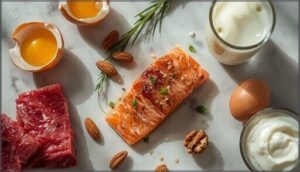
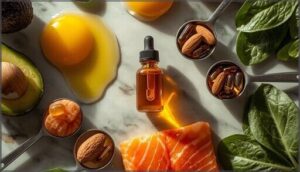
You can boost your dietary biotin through several excellent food sources. Beef liver tops the list at around 30 micrograms per 3-ounce portion, while egg yolks deliver approximately 10 micrograms each.
Salmon provides about 5 micrograms per 4-ounce serving. Nuts like almonds and walnuts contribute 0.5 to 1 microgram per ounce. Even dairy products such as milk and yogurt add modest amounts to your biotin intake.
Importance of a Balanced Diet for Hair Growth
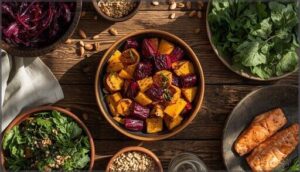
A balanced diet goes beyond biotin alone to support hair growth patterns. You need adequate protein for keratin structure, iron and zinc for follicle function, and omega fatty acids for scalp health tips.
Nutrient dense foods like colorful vegetables, whole grains, and lean proteins deliver the vitamins and minerals your hair follicles require. Balanced meal planning with dietary fiber benefits ensures your body absorbs these nutrients efficiently for ideal hair growth.
How Nutrition Impacts Biotin Levels

Your dietary choices directly shape how much biotin your body absorbs and retains. Biotin absorption happens in your small intestine through a sodium-dependent transport system, but certain fatty acids and medications can interfere with this process.
- Egg yolks, liver, and peanut butter provide the highest dietary biotin concentrations
- Food processing reduces biotin content more than gentle cooking methods
- Legumes, nuts, and mushrooms offer plant-based biotin sources with variable bioavailability
- Your liver stores small amounts of biotin for release when dietary intake drops
- Adequate protein intake enhances overall B vitamin status and biotin metabolism
Safe Biotin Supplementation: Dosage and Precautions

Taking biotin supplements for hair growth isn’t as simple as picking up a bottle and hoping for the best. You need to understand proper dosing, recognize potential risks, and know when professional guidance matters.
Let’s break down what you should consider before adding biotin to your routine.
Typical Supplement Dosages for Hair Growth
Most hair supplements contain biotin dosages ranging from 1,000 to 10,000 micrograms daily, substantially higher than the recommended dietary allowance of 30 micrograms. You’ll usually find formulations with 2,500 to 5,000 micrograms marketed specifically for hair growth.
While these doses exceed normal requirements, biotin supplementation at these levels generally shows good supplement safety profiles. Remember, there’s no proven effective biotin dosage for non-deficient individuals, and biotin efficacy varies considerably between people.
Potential Side Effects and Lab Interference
While biotin toxicity remains uncommon, supplement risks deserve your attention. High doses can interfere with laboratory tests, potentially masking cardiac markers or skewing thyroid panels—complications the FDA has flagged publicly.
Watch for these warning signs during biotin supplementation:
- Skin reactions indicating possible biotin allergy
- Digestive upset like nausea or cramping
- Unusual lab results that don’t match your symptoms
Always inform providers about your biotin supplements before any blood work.
When to Consult a Healthcare Professional
Sometimes, a medical evaluation becomes essential even when biotin supplements seem harmless. Consult a healthcare professional if hair loss symptoms persist beyond two months or if you notice scalp infections with redness and scaling.
A dermatologist can order diagnostic tests to confirm biotin deficiency versus other causes like thyroid dysfunction. Healthcare guidance ensures you address the real problem behind hair loss rather than masking it with biotin supplements alone.
Top Biotin Supplements for Hair Growth
If you’ve decided to supplement biotin for hair health, choosing a reputable product matters.
The market offers countless options, but quality and formulation vary substantially. Here are three supplements that combine biotin with complementary nutrients for thorough hair support.
1. Now Foods Hair Skin Nails Supplement
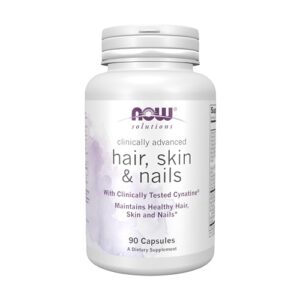
You might find Now Foods Hair Skin Nails a worthwhile option if you’re looking for a biotin-based supplement. This formula provides 5,000 mcg of biotin per serving—the standard dose often recommended for hair support.
It combines Cynatine HNS, a solubilized keratin, with hyaluronic acid for moisture retention and antioxidants like vitamins C and E to protect against free radicals.
| Best For | People looking for a biotin-rich supplement with added keratin and hyaluronic acid to support hair growth, skin hydration, and nail strength. |
|---|---|
| Primary Benefit | Hair, skin, nails support |
| Form | Capsule |
| Supply Duration | 90 capsules |
| Key Ingredients | Cynatine HNS keratin |
| Suitability | General use |
| Results Timeline | Several months |
| Additional Features |
|
- Contains 5,000 mcg of biotin plus patented Cynatine HNS keratin for comprehensive hair, skin, and nail support
- Includes hyaluronic acid for moisture retention and antioxidants (vitamins C and E) to fight free radicals
- GMP certified and made by a family-owned company with quality standards
- Results vary widely—some users report no improvement or even adverse effects like nail peeling
- Contains folic acid, which may not be suitable for everyone depending on individual health needs
- Benefits may take several months of consistent use to appear
2. Vegan Omega 3 Hair Supplements
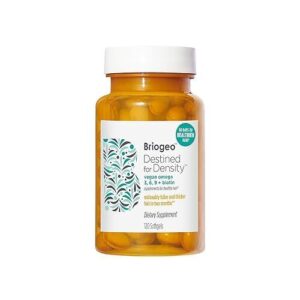
If you’re following a plant-based diet, algae-derived omega-3 supplements offer EPA and DHA without fish. These formulas provide 200 to 600 mg of combined EPA and DHA per serving, supporting hair structure alongside biotin.
Look for products tested for heavy metals and toxins, with certificates of analysis available. Take them with a fat-containing meal to improve absorption and check exact EPA and DHA amounts per capsule.
| Best For | People on a plant-based diet who want to support hair health with vegan omega-3s from algae instead of fish oil. |
|---|---|
| Primary Benefit | Hair growth support |
| Form | Capsule |
| Supply Duration | 30 servings |
| Key Ingredients | Omega-3, 6, 9 |
| Suitability | Vegan-friendly |
| Results Timeline | Variable |
| Additional Features |
|
- Contains DHA from micro-algae plus biotin to support hair strength and growth
- Includes multiple omega fatty acids (3, 6, and 9) in one supplement
- Transparent supplement facts and testing for heavy metals
- Some users report unpleasant smell and taste
- Can cause stomach upset if not taken with food
- Expensive compared to other hair supplements
3. Nutrafol Hair Growth Supplement
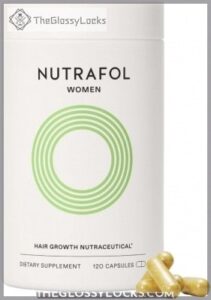
Nutrafol targets six root causes of thinning with a 21-ingredient blend including ashwagandha, marine collagen, and saw palmetto. Clinical testing shows increased hair counts over three to six months.
You’ll take four capsules daily at $88 per month. The company publishes peer-reviewed data, though some users report mild digestive discomfort. Consult your doctor if you have thyroid or hormonal conditions before starting.
| Best For | Women 18-44 who want a comprehensive supplement backed by clinical research and are willing to invest $88 monthly for results that typically show in 3-6 months. |
|---|---|
| Primary Benefit | Hair growth and thickness |
| Form | Capsule |
| Supply Duration | 1-month supply |
| Key Ingredients | 21 vitamins and minerals |
| Suitability | Women ages 18-44 |
| Results Timeline | 3-6 months |
| Additional Features |
|
- Clinically proven formula targeting six root causes of hair thinning with 21 ingredients including ashwagandha and marine collagen
- Dermatologist-recommended with peer-reviewed data supporting effectiveness for visibly thicker, stronger hair
- Works for all hair types and can be combined with other hair growth treatments
- Expensive at $88 per month for a 1-month supply, making it a significant long-term investment
- Results take 3-6 months to become visible, requiring patience and consistent daily use of four capsules
- May cause digestive discomfort in some users and isn’t suitable for everyone, especially those with thyroid or hormonal conditions
Frequently Asked Questions (FAQs)
Is 10,000 mcg of biotin too much for hair growth?
Ten thousand micrograms far exceeds the typical 30 microgram daily requirement. While generally safe, this dose offers little added benefit for hair growth unless you have a documented deficiency.
How much biotin should I take a day for hair growth?
For hair health, you’ll usually see supplements offering 1,000 to 5,000 micrograms daily. The standard adult requirement remains 30 micrograms, so discuss high-dose use with your clinician first.
Do biotin supplements prevent hair loss?
Biotin supplements won’t prevent hair loss unless you’re deficient. Deficiency can cause thinning and brittle strands, but routine supplementation doesn’t reverse loss from other causes.
Address underlying issues and consult a clinician before starting biotin for hair concerns.
Can biotin help men grow hair?
Yes, biotin can help men grow hair if they’re deficient. However, men with normal biotin levels won’t see dramatic new growth from supplements alone, since adequate intake from diet usually meets daily needs.
How long does biotin take to grow hair?
Most people notice healthier-looking hair and reduced breakage within one to three months of consistent supplementation.
Visible length increases usually require three to six months, especially if you’re correcting a documented deficiency.
Should you take a biotin supplement for hair & nail growth?
Supplementation makes sense if you’ve confirmed a deficiency through testing or have risk factors like pregnancy or malabsorption disorders.
Otherwise, prioritize biotin-rich foods and address other potential causes of hair concerns first.
Can biotin help hair grow faster and thicker?
Consider someone adding biotin to their routine hoping for long, flowing locks.
In reality, you’ll see minor improvements in hair strength and thickness only if you’re deficient—not a dramatic transformation otherwise.
Is 10,000 mcg biotin too much for hair?
Taking 10,000 mcg of biotin daily is generally well tolerated for most adults, though it exceeds typical recommendations. This higher dose won’t cause toxicity but may interfere with certain laboratory tests.
What is the downside of taking biotin?
While biotin is generally safe, high doses can interfere with lab tests for heart and thyroid function, potentially leading to misdiagnosis.
Some people also experience mild digestive upset or skin reactions.
Is 5000 mcg biotin too much?
For most people, 5000 mcg daily is well above standard recommendations and usually unnecessary unless you’re addressing a diagnosed deficiency.
This amount rarely causes toxicity but may interfere with certain lab tests.
Conclusion
Your hair follicles operate like precision factories—they’ll manufacture strong strands when supplied with adequate biotin, but excess amounts won’t accelerate production beyond normal capacity.
Understanding how much biotin you need for hair growth starts with evaluating your current intake through diet and identifying whether deficiency explains your concerns. For most people, 30 micrograms daily suffices.
If thinning persists despite adequate biotin levels, the answer lies elsewhere in your body’s complex hair growth machinery.