This site is supported by our readers. We may earn a commission, at no cost to you, if you purchase through links. This content is for general informational and educational purposes only and is not a substitute for professional medical, dermatological, or nutritional advice.

Most people think dry skin just needs more moisturizer, but dehydration runs deeper than that. Imagine your face feeling taut no matter how much cream you smooth on or waking up to sudden redness that wasn’t there yesterday—these subtle annoyances are your skin calling for real hydration.
Harsh cleansers, apartments blasted with heat, or too many late nights can all tip the balance in unexpected ways. Learning how to care for dehydrated skin isn’t about chasing glow—it’s about restoring balance and comfort, so your complexion looks and feels like home again.
Table Of Contents
- Key Takeaways
- Key Signs of Dehydrated Skin
- Common Causes of Dehydrated Skin
- Differences Between Dry and Dehydrated Skin
- Step-by-Step Skincare Routine for Dehydrated Skin
- Choosing Safe Cleansers for Dehydrated Skin
- Essential Ingredients for Skin Hydration
- Moisturizing and Sealing in Hydration
- Exfoliation Tips for Dehydrated Skin
- Daily Habits to Prevent Dehydrated Skin
- Top 4 Products for Dehydrated Skin
- Frequently Asked Questions (FAQs)
- How to hydrate skin during pregnancy?
- How do you fix dehydration skin?
- What is the best skin care routine for dehydrated skin?
- How can I super hydrate my skin?
- How to quench dehydrated skin?
- Can diet alone improve dehydrated skin?
- How does stress affect skin dehydration levels?
- Are face oils or creams more effective?
- Can dehydration increase skin sensitivity to sunlight?
- How does age impact skin hydration needs?
- Conclusion
Key Takeaways
- Dehydrated skin is caused by a lack of water, not oil, and can feel tight, itchy, or look dull even if it appears oily.
- Gentle, sulfate-free cleansers, hydrating serums with humectants like hyaluronic acid, and barrier-repair moisturizers are crucial for comfort and recovery.
- Environmental stressors, harsh skincare products, inadequate water intake, and certain lifestyle habits all contribute to skin dehydration.
- Layering hydration—applying products in the right order and locking in moisture with creams or gentle oils—makes a real difference in restoring balance and resilience.
Key Signs of Dehydrated Skin
Spotting dehydrated skin isn’t always straightforward, since it often disguises itself as dryness or oiliness.
If you’re curious about nourishing solutions, check out these homemade face toner recipes for soothing dehydrated skin.
If you’re unsure what to look for, certain signs can help you figure out what your skin needs. Here’s what you should keep an eye out for.
Tightness and Itchiness
Facial tightness is the calling card of dehydrated skin—imagine smiling and feeling your cheeks pull, or noticing dry patches that itch after cleansing. This surface-level discomfort stems from water loss, not oil.
Skin sensitivity increases, so soothing remedies like a gentle moisturizer offer quick itch relief. Avoid hot water and harsh products; your skin care routine should focus on calming, hydrating solutions.
Paying attention to your skin’s acid mantle protection role can help you restore comfort and maintain healthy hydration.
Dullness and Uneven Tone
When your skin’s hydration levels drop, light reflection changes—leaving your complexion dull and uneven. Think of it as cloudy glass: less translucency, more scattered shine.
Dehydrated skin often shows:
- Patchy tone correction issues
- Rough skin texture with shadowed spots
- Dull complexion from dead cell buildup
- Color balance thrown off, making dark circles and redness stand out
A good moisturizer helps restore clarity. Hydration is essential to counteract common causes of dull skin, including internal and external lifestyle factors.
Fine Lines and Increased Oil
Just as uneven tone blurs your skin’s natural glow, dehydration triggers fine lines that seem to multiply overnight—especially around your eyes and mouth.
Meanwhile, Oil Regulation goes haywire; your face shines, yet feels oddly parched.
Here’s how these signs play out:
| Dehydration Causes | Visible Effect |
|---|---|
| Loss of water | Fine lines grow |
| Oil rebounds | Shiny T-zone |
| Barrier strained | Clogged pores |
| Improper moisturizer | More creasing |
| Skipped hydration | Tightness lingers |
Flakiness and Rough Texture
If you’ve noticed makeup clinging to tiny flakes or your cheeks feeling gritty, you’re seeing classic Dehydration Signs. Flaky Skin Causes include slow corneocyte shedding and a weakened skin barrier—often worsened by harsh cleansers.
Gentle Exfoliation Methods paired with a nourishing moisturizer are your best Rough Texture Remedies. Skin Barrier Repair is key for smoother, healthier Dehydrated Skin.
Common Causes of Dehydrated Skin

It’s easy to wonder why your skin feels tight or looks dull, even when you’re doing everything right.
A few common culprits can quietly drain your skin of its natural moisture.
Here’s what you need to watch for.
Harsh Skincare Ingredients
Ever feel like your skin suddenly rebels after a new product? That’s often your barrier reacting to harsh ingredients in your skincare routine—think Toxic Chemicals, Sulfate Effects, Alcohol Damage, and Fragrance Irritation.
Watch for these troublemakers:
- Strong sulfate cleansers
- Drying alcohols
- Synthetic fragrances
- Overuse of exfoliants
Stick to gentle options like hyaluronic acid to avoid ingredient overload.
Environmental Factors
Against the backdrop of your daily routine, subtle environmental factors chip away at your skin hydration. Low humidity from winter heat, harsh wind exposure, and air pollution all threaten your skin barrier. Even rapid temperature fluctuations—think going from a heated car to the cold outdoors—draw water out, leading to tight, uncomfortable, dehydrated skin.
| Triggers | Skin’s Reaction |
|---|---|
| Low Humidity | Dull, flaky patches |
| Wind Exposure | Redness, tightness |
| Air Pollution | Irritation, dryness |
| Climate Change | Barrier disturbance |
| Temp. Fluctuations | Sudden dehydration |
Insufficient Water Intake
When your hydration levels drop, your skin barrier weakens, making every day feel like a losing battle against dryness.
For a boost, you can try a few simple steps recommended by dermatologists—these skin barrier repair techniques are easy to work into your daily routine.
Water deficiency doesn’t just leave you thirsty—it triggers dehydration effects such as tightness, dullness, and fine lines. If you don’t drink water consistently, your skin’s fluid balance suffers, and even the best hydrating products can’t fully restore true skin hydration.
Without enough water, your skin can become tight, dull, and lined—no moisturizer alone can restore true hydration
Diet and Lifestyle Habits
Think your daily choices don’t affect your skin? Think again. What you eat, drink, and the stress you carry each day play a starring role in your skin’s thirst level.
To boost hydration, prioritize:
- Water-rich foods and soups
- Steadier fluid intake
- Less caffeine and alcohol
- Healthy fats from fish and nuts
- Consistent sleep and stress management
Differences Between Dry and Dehydrated Skin

Knowing the difference between dry and dehydrated skin sets the stage for real change in your routine. It isn’t always as simple as it sounds—they can look and feel similar but need totally different care.
Let’s break down the key ways these two concerns stand apart.
Water Vs. Oil Deficiency
Picture your skin barrier as a brick wall—water balance holds the bricks together, while oil levels seal the gaps.
Dehydrated skin lacks water, causing tightness despite oil on the surface. Dry skin, though, struggles with oil deficiency, sacrificing moisture retention.
You can confirm which type you’re dealing with by trying the simple skin pinch test for hydration, a fast way to spot dehydration before it leads to bigger issues.
Depending on your genetics, environment, and habits, you might notice different causes of dry, flaky skin showing up in surprisingly different ways.
Hydration methods and moisturizing should target both sides to truly support skin health and hydration.
Recognizing Overlapping Symptoms
Ever wonder why tightness and flaking pop up even when your T-zone glows with oil? Overlapping symptom patterns make it tricky—skin texture turns rough and makeup clings to dry patches.
Dehydrated skin and dry skin often share facial redness, sensitivity, and dullness, but dehydration signs can flare up regardless of your skin type, making careful hydration essential for lasting skin health.
Step-by-Step Skincare Routine for Dehydrated Skin
Ready to give your skin the skin support it needs? Let’s break down a straightforward routine to keep dehydration in check.
Here’s what every routine should include, morning to night.
Morning Routine Essentials
Mornings set the tone for resilient skin. Start with gentle cleansing—creamy or balm cleansers protect your skin barrier and never leave you tight. Layer a hydrating toner for instant morning hydration, then massage in a moisturizer to lock water in place. End with sunscreen; hydrating products help seal in comfort for the day. Your skin will thank you.
- Gentle Cleansing promotes barrier health
- Hydrating products deliver lasting comfort
- Daily moisturizing seals in hydration
- Morning hydration is essential in every skin care routine
Nighttime Routine Adjustments

After a day’s exposure, your nightly skincare routine matters as much as the morning’s. Swap in gentle cleansing to avoid stripping water from your skin barrier. Layer in hydrating masks or serums, then seal everything with rich, moisture-locking creams. Good sleep hygiene aids repair—give your skin the same chance to recuperate overnight in your skin care routine.
| Step | What to Use | Why It Helps |
|---|---|---|
| Gentle Cleansing | Low pH cream cleanser | Prevents moisture loss |
| Hydrating Serum | Hyaluronic acid formula | Boosts water retention |
| Moisture Locking | Rich, barrier cream | Locks hydration overnight |
Weekly Hydration Boosts

Moving from nightly care to weekly hydration boosts, add a targeted treatment to give your skin that needed “glass of water.”
Rotating Overnight Sleep Masks and Hydrating Sheet Masks keeps dehydrated skin plump and smooth.
Try Facial Steaming Prep before your mask to boost absorption.
Support hydration through diet and drink, but never skip moisturizing products for complete skin hydration.
Choosing Safe Cleansers for Dehydrated Skin
Picking the right cleanser can make all the difference for dehydrated skin. Let’s walk through what matters most when you’re looking for something gentle, safe, and effective.
Here’s what to look out for next.
Avoiding Sulfates and Irritants
If your skin feels tight after cleansing, harsh sulfates could be at play. Swapping to Sulfate Free cleansers helps your skin barrier stay intact, not stripped.
Always check product labeling for hidden irritants, and try Irritant Testing on a small patch first. Gentle Cleansing keeps Dehydrated Skin comfortable, making it easier for your Hydrating moisturizer to do its job.
Benefits of Gentle Cleansers
A gentle cleanser is your best ally when tackling dehydrated skin. By respecting the skin barrier and pH balance, you lock in essential moisture and create a base for hydration techniques to work.
Here’s what you gain:
- Improved moisture retention and lasting comfort
- Less redness and fewer flare-ups
- Smoother, healthier-looking skin—ready to soak up your hydrating serum!
Proper Cleansing Techniques
Think of proper cleansing methods as setting the stage for every step that follows in your skin care routine. Use lukewarm water to preserve your skin barrier and maintain pH balance, letting your facial care products work without disruption.
Stick to light, circular motions—this gentle exfoliation clears debris but leaves dehydrated skin soothed and ready for your moisturizing routine.
Essential Ingredients for Skin Hydration

When your skin’s thirsty, the right ingredients can make all the difference. Some do the heavy lifting in terms of holding onto moisture and supporting your skin barrier.
Here’s what you’ll want to look for next time you scan an ingredient list.
If you’re not sure where to start, this rundown of the best cleansers for oily skin breaks down which formulas actually control shine without stripping your skin.
Hyaluronic Acid and Glycerin
Think of Hyaluronic Acid and Glycerin as the perfect team for moisture retention—two skin humectants with distinct Hyaluronic Benefits and Glycerin Effects, working hand in hand to bring your hydration levels back to life.
You’ll notice:
- Softer and plumper dehydrated skin
- Lightweight hydration from hyaluronic serums and gels
- Glycerin’s dewy finish, especially in a well-formulated moisturizer
Ceramides and Fatty Acids
Ever wonder why some moisturizers seem to work magic on dehydrated skin? The secret lies in ceramides and fatty acids, which reinforce your skin barrier like sturdy bricks and mortar.
Ceramide benefits and fatty acid balance boost moisture retention, support true skin barrier repair, and restore your natural lipid structure—keeping your skin comfortably hydrated and healthy alongside hyaluronic acid.
Avoiding Drying Additives
Did you know drying agent effects from harsh sulfates, alcohols, and fragrances can sabotage your best moisturizer? Choosing sulfate free products and fragrance free benefits is more than a trend—it’s a lifeline for dehydrated skin.
Gentle skincare tips: scan labels for irritants, stick with natural moisturizers, and let hyaluronic acid and emollients do the heavy lifting.
Moisturizing and Sealing in Hydration
Now comes the step that makes the real difference for thirsty skin: locking in moisture so your face stays comfortably hydrated.
Every product has a specific job, and getting the most out of each one often comes down to technique and timing. Here’s how to choose the best options for sealing in hydration.
Emollients and Occlusives Explained
Picture your skin barrier as a brick wall—emollients fill the cracks, making rough, dehydrated skin feel supple and calm. Occlusive layers, like a protective raincoat, seal in moisture and shield against water loss.
For effective hydration strategies, layering emollients with humectants like hyaluronic acid in your moisturizer helps boost moisture retention—especially when your skin feels tight, flaky, or uncomfortable.
If beard burn has left your skin extra sensitive, understanding what causes beard burn can help you choose gentler, more targeted hydration to speed up recovery.
Timing and Application Tips
Right after your cleanser, layer hyaluronic acid on barely damp skin—timing helps prevent moisture from slipping away. Skin patting works wonders; softly press in each moisturizer for better absorption.
Product layering matters, so serums first, then creams. Try a gentle facial massage as part of your routine; this application technique boosts comfort and gives dehydrated skin an instant, hydrated glow.
Exfoliation Tips for Dehydrated Skin
Exfoliating dehydrated skin isn’t just about scrubbing away. It’s a balancing act between smoothing and protecting your skin’s delicate barrier.
Here’s what you need to know before choosing your approach.
Frequency and Method Selection
Occasionally, less is more—especially in the case of exfoliating dehydrated skin. Your best bet? Once weekly, using gentle methods at night, after cleansing but before a hydrating serum.
Frequency control protects the skin barrier, keeping hydration balance in check. Remember: overdoing exfoliation techniques can sabotage even the most careful skincare routine advice and moisturizing ingredients.
Gentle Chemical Vs. Physical Exfoliants
Once your exfoliation frequency is set, how you exfoliate matters even more. For dehydrated skin, chemical exfoliants—like gentle peels with polyhydroxy acids—soften buildup with less risk to your skin barrier.
Compare these Exfoliant Types and Exfoliation Methods:
- Gentle Chemical Exfoliants
- Enzyme Powder Exfoliants
- Mild Physical Scrubs
- Hydrating Serum Layer After Exfoliant
Supporting Skin Barrier Recovery
Think of post-exfoliation care as patching up a garden fence after pruning. To help your skin barrier recover, start with a moisturizer containing barrier-repair lipids and ceramide therapy.
Layer humectants like hyaluronic acid under a nourishing emollient. These hydration strategies boost moisture retention, support healthy skin lipids, and keep your complexion resilient—just what fragile, thirsty skin needs most.
Daily Habits to Prevent Dehydrated Skin

Small changes in your routine can make a big difference for your skin care. Let’s look at a few daily habits that help keep dehydration at bay.
Here are some practical steps you can start with right away.
Drinking Adequate Water
Ever notice your skin feels dry, even if you’re oily? Often, that’s your body sending a subtle SOS for water.
Good drinking habits—like sipping throughout the day—support skin health and hydration. Meeting your daily fluid goals helps restore skin water balance, while practical Skin Hydration Tips, such as marked bottles, make maintaining hydrated skin easier than you’d expect.
Using a Humidifier
For skin that feels parched, adjusting your air quality works wonders—especially overnight.
A room humidifier keeps moisture levels steady, slowing water loss from your skin. Aim for 30–50% humidity to enhance the Humidifier Benefits, supporting hydrated skin and healthy barriers. Pair this with humectants in your routine, and you’ll notice softer, brighter skin by morning.
Protecting Skin From Extreme Conditions
From Wind Protection in winter to Sun Damage risk in summer, environmental factors challenge your skin’s hydration. To outsmart them:
- Dress in layers and cover exposed skin.
- Use barrier creams in harsh weather.
- Apply broad-spectrum SPF for sun defense.
- Run a humidifier to boost Moisture Retention.
- Moisturize before Air Travel; dry cabins threaten the Skin Barrier.
Sleep and Stress Management
What if your pillow was the best serum on your shelf? Consistent sleep patterns and evening routines do more for skin health and hydration than any magic cream, fortifying your skin barrier overnight.
Add mindful habits and relaxation techniques—like deep breathing or screen-free time—and you’ll outsmart stress reduction. Here’s how it all connects:
| Sleep Patterns | Stress Reduction |
|---|---|
| Improves hydration | Enhances skin barrier repair |
| Reduces water loss | Minimizes skin inflammation |
Top 4 Products for Dehydrated Skin
Choosing the right products can make all the difference for thirsty, uncomfortable skin.
If you’re wondering what really helps, I’ve pulled together a handful of trusted favorites I recommend to my own patients. Here’s what stands out when your skin needs extra support.
1. La Roche Posay Gentle Face Cleanser
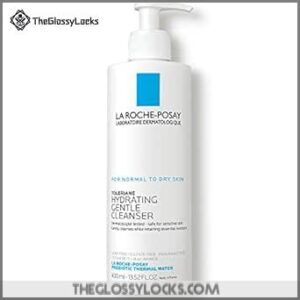
Imagine rinsing your face and feeling relief, not tightness—that’s the promise behind La Roche-Posay’s Gentle Face Cleanser. Formulated for normal to dry, easily dehydrated skin, this creamy, non-foaming wash sweeps away light makeup and daily grime without stripping your natural moisture barrier.
Thanks to ingredients like prebiotic thermal water, ceramide-3, and niacinamide, your skin feels soothed and lightly hydrated after every use. There’s no heavy scent, no harsh detergents, just simple comfort—morning and night, without worry.
| Best For | People with normal to dry sensitive skin who want a gentle, hydrating everyday face wash with no fragrance or harsh additives. |
|---|---|
| Hydrating | Yes |
| Fragrance-free | Yes |
| For daily use | Yes |
| Dermatologist-tested | Yes |
| Suitable for sensitive skin | Yes |
| Non-comedogenic | Yes |
| Additional Features |
|
- Won’t strip your skin barrier or leave skin tight
- Hydrates, calms, and helps fade discoloration over time
- Free from soap, oil, and fragrance—great for sensitive skin
- Doesn’t remove heavy makeup or give a deep clean
- May feel too mild for oily or acne-prone skin types
- Creamy, non-foaming texture may not suit those who prefer lather
2. Kiehl’s Hyaluronic Acid Face Serum
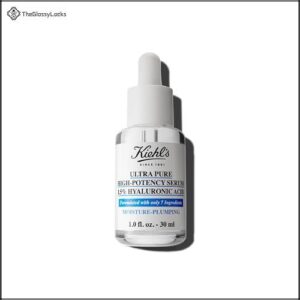
Thirsty complexions, meet relief in a bottle. Kiehl’s Ultra Pure 1.5% Hyaluronic Acid Serum delivers concentrated hydration with just seven ingredients—no perfume, no colorants, just what your skin actually needs.
The blend of sodium hyaluronate and glycerin acts like a sponge for moisture, drawing water deep and making skin feel instantly plumper. Its lightweight, quick-absorbing texture won’t weigh you down, and it slides easily into any routine, morning or night—especially after cleansing, before sealing in with moisturizer.
| Best For | Anyone with normal skin looking for simple, fragrance-free hydration to boost moisture without extra additives. |
|---|---|
| Hydrating | Yes |
| Fragrance-free | Yes |
| For daily use | Yes |
| Dermatologist-tested | No |
| Suitable for sensitive skin | Yes |
| Non-comedogenic | No |
| Additional Features |
|
- Lightweight, absorbs quickly, and works well under other products.
- Only seven ingredients, so it’s gentle and straightforward.
- Instantly plumps and hydrates for skin that feels soft and refreshed.
- The price might feel steep for what you get.
- Some find the serum a bit too watery.
- Results may be subtle or slower compared to pricier options.
3. Ilia Face Milk Moisturizer
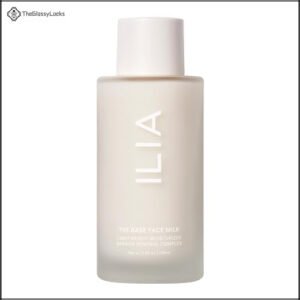
Tired of that tight, prickly feeling lingering after even the most careful cleansing? Ilia’s Base Face Milk steps in like a glass of water for your skin, fusing hyaluronic acid and a barrier renewal complex in a lightweight, layer-friendly formula.
You’ll notice how it sinks in instantly—no greasy residue, just comfort and hydration that lasts. Its milky texture soothes, calms redness, and builds resilience over time, making it ideal when you need relief without heaviness, especially for easily-irritated or combination complexions.
| Best For | Anyone who wants fast, soothing hydration and gentle barrier support in a clean, lightweight moisturizer—especially those with sensitive, dry, or combination skin. |
|---|---|
| Hydrating | Yes |
| Fragrance-free | Yes |
| For daily use | Yes |
| Dermatologist-tested | Yes |
| Suitable for sensitive skin | Yes |
| Non-comedogenic | Yes |
| Additional Features |
|
- Instantly hydrates and calms skin without heaviness
- Clean, vegan formula powered by hyaluronic acid and barrier-repair ingredients
- Layers easily under makeup, sunscreen, or other creams
- The price is high for the small bottle you get
- No pump means you have to shake and pour, which can be messy
- May cause some redness in sensitive users
4. Innisfree Daily UV Defense Sunscreen
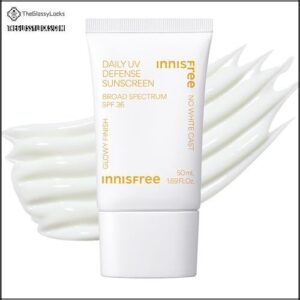
Now, think of your sunscreen as both shield and support—especially if your skin leans parched or prone to dullness.
Innisfree’s Daily UV Defense Sunscreen does more than block UVA/UVB rays (SPF 36); it quietly comforts with green tea, sunflower seed oil, and cica. The result? A lightweight, hydrating finish that slips under makeup, adds just the right glow, and never leaves a chalky cast. You get smooth, protected skin that stays comfortable even when the air feels bone-dry.
| Best For | Anyone with dry, dull, or sensitive skin who wants soothing, lightweight sun protection that fits easily into a daily routine. |
|---|---|
| Hydrating | Yes |
| Fragrance-free | No |
| For daily use | Yes |
| Dermatologist-tested | No |
| Suitable for sensitive skin | Yes |
| Non-comedogenic | Yes |
| Additional Features |
|
- Award-winning formula hydrates and calms with green tea, sunflower seed oil, and cica
- No white cast; invisible finish works well under makeup for a natural, dewy look
- Lightweight and non-greasy, making it comfortable for everyday use
- The fresh green tea scent may be strong for some, though it fades after application
- The packaging can be prone to damage during shipping
- SPF 36 may not be high enough for those wanting extra sun protection or with special skin concerns
Frequently Asked Questions (FAQs)
How to hydrate skin during pregnancy?
Gentle cleansing, humectant-rich serums, and fragrance-free moisturizers form the backbone of pregnancy-safe hydration.
Add a humidifier, sip water throughout the day, and choose mineral sunscreens. This simple trio promotes supple, comfortable skin—even during hormonal changes.
How do you fix dehydration skin?
To fix dehydrated skin, focus on hydrating cleansers, layer humectants like hyaluronic acid, seal with a nourishing moisturizer, and protect with sunscreen.
Drink water, use a humidifier, and avoid harsh products that strip moisture.
What is the best skin care routine for dehydrated skin?
If your skin feels thirstier than a desert, start with a sulfate-free cleanser, follow with a hydrating serum and milky moisturizer, then seal it all in with SPF during the day.
Night routines swap SPF for a richer cream.
How can I super hydrate my skin?
To super hydrate your skin, layer a hyaluronic acid serum on damp skin, seal with a barrier-rich moisturizer, and use a humidifier at night.
Drinking more water daily helps improve your skin’s overall hydration from within.
How to quench dehydrated skin?
To quench dehydrated skin, layer a hydrating serum with hyaluronic acid or glycerin onto damp skin, seal with a nourishing moisturizer, and sip water through the day.
Avoid harsh cleansers or hot water, which strip precious hydration.
Can diet alone improve dehydrated skin?
Diet helps, but it’s not the whole solution.
Even with plenty of water and healthy fats, dehydrated skin usually needs gentle cleansers, barrier repair, and topical moisturizers.
Think of diet as support, not a cure-all.
How does stress affect skin dehydration levels?
When stress builds, your body releases more cortisol, which weakens your skin’s barrier and lets water escape faster.
You might notice extra oil, itchiness, or tightness—stress quietly drains moisture, making dehydration harder to control and reverse.
Are face oils or creams more effective?
Creams offer deeper hydration for dehydrated skin than oils because they supply both water and moisture-binding ingredients, while oils mainly seal in what’s already there.
Use a hydrating cream first, then layer an oil if needed.
Can dehydration increase skin sensitivity to sunlight?
As the saying goes, “Where there’s smoke, there’s fire”—dehydrated skin loses water, weakening its barrier.
This makes your skin more sensitive to sunlight, so redness, burning, and irritation happen faster, even with mild UV exposure.
How does age impact skin hydration needs?
As you age, your skin loses natural oils and hyaluronic acid, so it can’t hold water as well.
That’s why mature skin often needs richer creams, frequent moisturizer application, and gentler routines to keep dryness and tightness at bay.
Conclusion
Picture your skin as a thirsty garden—only attentive care revives each fragile petal. When you nurture the soil with gentle ingredients, shield blossoms from stormy weather, and offer water at the right moments, your complexion naturally thrives.
Let these steps for how to care for dehydrated skin become your consistent ritual. Restoration isn’t just about quenching today’s thirst; it’s about creating an environment where softness and comfort take root and remain, season after season, as your daily reward.