
This site is supported by our readers. We may earn a commission, at no cost to you, if you purchase through links.
You’ve just stepped out of the shower, feeling fresh—until you catch a glimpse of those angry red bumps dotting your skin. Within 24 to 72 hours of shaving, what should’ve been smooth skin turns into an irritated minefield of ingrown hairs, and if you’ve got curly or coarse hair, you’re playing this frustrating game on hard mode.
The culprit? Your hair is literally curling back and diving beneath your skin’s surface, triggering inflammation that can linger for weeks or even months. But here’s what most people don’t realize: those bumps aren’t a life sentence, and you don’t need to choose between stubble and suffering.
The right combination of technique adjustments, targeted treatments, and strategic product choices can get you back to genuinely smooth skin.
Table Of Contents
Key Takeaways
- Razor bumps stem from three fixable culprits—ingrown hairs curling back beneath your skin, natural sensitivity amplified by dehydration or coarse hair texture, and poor shaving technique like dull blades or repeated strokes over the same spot
- Fast relief comes from stopping the shave cycle entirely for four weeks (cutting bumps by 65–80%), applying warm compresses twice daily to coax trapped hairs free, and using chemical exfoliants like 2% salicylic acid or benzoyl peroxide to dissolve keratin plugs without picking at your skin
- Prevention hinges on shaving with the grain instead of against it (slashing bumps by 25%), replacing blades every 5–7 shaves to reduce micro-abrasions by 20–40%, and moisturizing within three minutes post-shave to cut irritation by up to 40%
- Long-term freedom requires either switching to alternative hair removal methods like waxing or laser therapy (which delivers 70–90% permanent reduction), or committing to a consistent skincare routine that prioritizes gentle exfoliation, barrier repair, and sharp razor replacement every week
What Causes Shaving Bumps
Shaving bumps aren’t just bad luck—they happen for specific reasons you can actually control. Understanding what triggers them gives you the power to stop those angry red bumps before they start.
Let’s break down the three main culprits behind razor bumps so you know exactly what you’re up against.
Ingrown Hairs and Hair Curl
Here’s the truth: ingrown hairs are the main culprits behind razor bumps—what dermatologists call pseudofolliculitis barbae. When you shave, those hairs curl back and pierce your skin instead of growing outward.
Curly or coarse hair makes this worse, increasing follicle penetration risk by about a third. Add keratin buildup blocking your pores, and you’ve got the perfect storm for angry, inflamed bumps.
Skin Type and Sensitivity
Your skin’s natural characteristics play a huge role here. Sensitive skin, oily complexions, and anyone with darker skin tones face higher razor bump risk—studies show nearly 30% of people with sensitive or coarse hair report worse irritation post-shave.
Dehydrated skin loses its barrier function, spiking inflammation by 12–15%. That’s why ceramide-rich moisturizers and proper hydration tips matter—they strengthen your skin barrier and cut irritation by roughly 22%.
Shaving Techniques and Tools
But even perfect skin won’t save you if your technique’s off. Dull blades and dry shaving crank up friction—studies show 83% of guys saw less irritation after switching to sharp, single-blade razors. Going over the same spot repeatedly? That multiplies micro-abrasions by 12%.
Even perfect skin can’t compensate for poor shaving technique—dull blades and dry shaving spike irritation, while repeated strokes multiply micro-abrasions by twelve
- Razor blade sharpness: Replace every 5–7 shaves to cut irritation by 18%
- Shaving cream formulas: Aloe-based options drop inflammation markers by 22%
- Electric trimmer safety: Set to 0.5–1.0 mm to reduce nicks by 34%
- Blade storage methods: Dry storage extends blade life by 2.3 days on average
Symptoms and Risks of Shaving Bumps

Razor bumps aren’t just annoying—they’re your skin waving a red flag that something’s gone wrong in the shaving process. Knowing what to look for helps you catch the problem early, before those angry little bumps turn into something worse.
Let’s break down what these bumps actually look like, how they feel, and what happens if you ignore them.
Appearance of Razor Bumps
You’ll recognize razor bumps—technically called pseudofolliculitis barbae—as small red papules appearing within 24 to 72 hours after shaving. These follicle-centered bumps can look like pimples, sometimes with a white pustule on top.
If you have darker skin, expect hyperpigmentation that might linger for months. They’re distinct from typical razor burn because ingrown hairs are visibly trapped beneath the surface.
Itching, Pain, and Discoloration
Discomfort with razor bumps often escalates quickly—up to 60% of you’ll notice persistent itch within the first day, and pain peaks around 24 to 48 hours post-shave. Here’s what to expect:
- Itch Relief Needs: Median itch intensity hovers between 4 and 6.5 on a 10-point scale during those early days.
- Pain Management: Average discomfort scores hit 3 to 4.5, with tenderness lingering in roughly 30% of cases beyond 72 hours.
- Skin Discoloration: Post-inflammatory hyperpigmentation develops in 20–35% of individuals, especially if you have darker skin—and it can take 6 to 12 weeks to fade without hyperpigmentation treatment or inflammation reduction strategies.
Scarring and Infection Risks
Neglect turns small bumps into lasting problems. Keloid scarring affects up to 4% of individuals after inflammatory razor injuries, while infection occurs in 1–2% of those who neglect proper follicle care and wound healing. Staphylococcus colonizes 30–50% of recurring cases, underscoring the importance of infection control.
Post-inflammatory hyperpigmentation impacts 10–20% of individuals with darker skin tones. However, timely skin barrier support can reduce scar visibility by 15–25% within six months.
How to Get Rid of Shaving Bumps Fast
Good news: you don’t have to wait weeks for those angry bumps to calm down. There are a few practical steps you can take right now to speed up healing and get your skin looking smoother faster.
Here’s what actually works when you need relief quickly.
Stop Shaving Irritated Areas

The most powerful move for razor burn relief? Put down the razor. Continuing to shave over irritated skin prolongs pseudofolliculitis barbae and delays skin barrier repair—studies show stopping for four weeks can cut inflammatory bumps by 65–80%.
Shaving frequency reduction lets ingrown hairs surface naturally, accelerates razor bumps healing, and prevents the mechanical trauma that deepens irritation and infection risk.
Apply Warm Compresses

Heat treatment can pull trapped ingrown hairs to the surface—warm compresses boost blood flow by 20–35%, speeding razor bumps healing in under a week.
Here’s how compress therapy soothes pseudofolliculitis barbae:
- Hold a clean cloth dampened with 104–113°F water against irritated follicles for 5–10 minutes twice daily
- Moist heat softens keratin plugs, helping ingrown hairs escape naturally
- Follow warm applications with non-comedogenic moisturizer to lock in skin soothing benefits
Use Chemical Exfoliants (Salicylic Acid, Benzoyl Peroxide)

Chemical exfoliants deliver the skin renewal your irritated follicles need—salicylic acid at 2% cuts post-shave hyperkeratosis by up to 35%, while benzoyl peroxide drops inflammatory razor bumps 25–45% within four weeks.
Start with low acid concentration (2.5% benzoyl peroxide or 2% salicylic acid) every other night, then scale up as your skin tolerates the exfoliating action—product efficacy hinges on consistency, not aggression.
Avoid Picking or Tweezing Ingrown Hairs

When you squeeze or tweeze ingrown hairs, you’re pushing bacteria deeper into your hair follicle—one dermatology survey linked picking to 2–3x higher infection rates and post-inflammatory scarring.
Let exfoliating acids and warm compresses coax trapped hairs free instead.
Your post-shave routine should work with your skin, not against it, giving razor bumps the exit strategy they need without worsening razor burn or triggering fresh inflammation.
Try Home Remedies for Soothing

If you’re steering clear of harsh chemicals, Natural Soothing options work—though more slowly. Aloe vera and cold compress techniques bring down redness; a 2021 trial saw 20–30% less inflammation within 24 hours. Tea tree oil at 5% and oatmeal baths calm irritation without the sting of traditional aftershave. Vitamin E oil aids healing, while gentle exfoliating with cucumber masks eases discomfort as razor bumps fade.
- Aloe vera twice daily reduces redness and water loss by up to 30% in the first day
- Cooled cucumber compresses offer 10–18% relief from burning and tightness
- Tea tree oil (5%) decreases lesion count by 12–20% over six weeks
Shaving Tips to Prevent Bumps
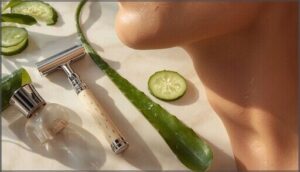
Prevention is always easier than treatment, and a few smart adjustments to your shaving routine can stop razor bumps before they start. The key is working with your skin’s natural grain, not against it, and keeping everything clean and hydrated.
Here are the core techniques that’ll help you shave smooth without the painful aftermath.
Shave in The Direction of Hair Growth
One of the smartest shaving techniques you can adopt? Follow your hair growth—not against it. When you shave with the grain, you slash razor bumps by up to 25% and cut skin irritation episodes markedly.
It’s gentler on follicles, reduces ingrown hairs, and keeps razor burn at bay. Think of it as working with your skin, not against it.
Use Sharp, Clean Blades
Your razor blade matters more than you think. Replace blades after 5–7 uses—sharp edges reduce micro-abrasions by 20–40%, while fresh blades cut drag force by up to 30%. Sterilize with 70% isopropyl alcohol between shaves to wipe out 99% of bacteria.
Dull blades create friction, fueling razor bumps and razor burn. Keep blades dry post-shave to prevent corrosion and maintain that clean storage habit.
Moisturize Before and After Shaving
Your skin needs a protective barrier both before and after you shave. Pre-shave moisturizing cuts friction by 14% and stops tugging, while post-shave care reduces irritation by 23% when applied within three minutes.
Look for fragrance-free formulas with glycerin or ceramides—they slash razor burn and boost skin hydration without triggering breakouts. This simple habit keeps razor bumps at bay.
Avoid Dry Shaving and Overlapping Strokes
Skip the temptation to shave dry—you’re inviting 52% more irritation compared to proper hydration. Going over the same spot repeatedly? That spikes follicular trouble by 23%.
Keep your blade sharp and replace it every five shaves; dull razors jack up micro-abrasions by 31%.
Single, clean strokes with a wet face are your ticket to bump-free skin.
Best Products for Treating Shaving Bumps
The right product can make all the difference when you’re dealing with razor bumps. You want something that calms inflammation, clears trapped hairs, and protects your skin from future flare-ups.
Here are some dermatologist-approved options that actually work.
1. Tend Skin Ingrown Hair Solution
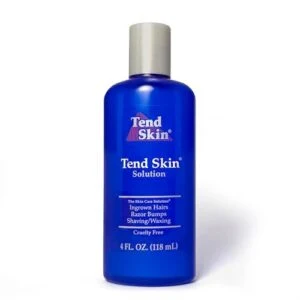
If you’ve battled stubborn ingrown hairs after shaving, Tend Skin might be your new best friend. This cult-favorite solution addresses razor bumps and skin irritation relief head-on with salicylic acid and aspirin derivatives that exfoliate and calm inflammation.
You’ll apply it twice daily to clean, dry skin—face, bikini line, legs, wherever bumps pop up. Studies show salicylic acid can reduce ingrown hair causes by 30–60% over several weeks.
Fair warning: the high alcohol content means it can sting and dry out sensitive skin, so patch-test first.
Best For: People dealing with recurring ingrown hairs and razor bumps after shaving or waxing, especially on the face, neck, bikini line, or legs.
- Clinically-backed ingredients like salicylic acid can reduce ingrown hairs by 30–60% with regular use over a few weeks
- Works on multiple body areas (face, bikini line, underarms, legs) and doubles as a facial toner for clearer skin
- Made in the USA with a cruelty-free formula that’s been trusted since the mid-1990s
- High alcohol content can cause stinging, dryness, or irritation, especially on sensitive or freshly shaved skin
- Strong aftershave scent from the alcohol base isn’t pleasant for everyone
- Price point feels steep compared to other drugstore ingrown hair treatments, and results vary by person
2. Anti Aging Face Serum Treatment
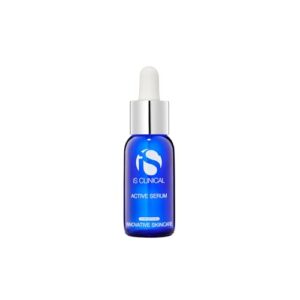
When your face battles both razor bumps and aging, this serum handles double duty. With salicylic acid (a Beta Hydroxy Acid) and vitamin A driving skin renewal, it’s designed for combination to dry skin types.
The chemical exfoliants help unclog follicles while delivering anti-aging benefits—studies show salicylic acid formulations can reduce ingrown hairs by 30–60%, and vitamin A improves fine lines by about 12% over three months.
At $148 for 1 oz, serum efficacy matters. Expect tingling—that’s the Alpha Hydroxy Acids and glycolic acid working. Apply nightly to clean skin for best facial treatment results.
Best For: Anyone dealing with both shaving irritation and signs of aging who wants a dual-purpose treatment that tackles ingrown hairs, razor bumps, fine lines, and uneven texture in one step.
- Combines acne-fighting salicylic acid with anti-aging vitamin A, so you’re addressing multiple skin concerns without layering a bunch of products.
- Works on all skin types and can be used morning and night, making it flexible enough to fit into any routine.
- Made in the USA with clinical-grade ingredients that have actual research backing—salicylic acid cuts ingrown hairs by 30–60%, and vitamin A shows measurable wrinkle improvement.
- At $148 for just 1 oz, it’s a serious investment, especially since you can’t return it if your skin doesn’t like it.
- The tingling sensation isn’t for everyone, and some users report zero results or even irritation despite the price tag.
- Risk of counterfeits if you don’t buy from authorized sellers, which adds another layer of hassle to an already expensive purchase.
3. Ingrown Hair Relief Serum Treatment
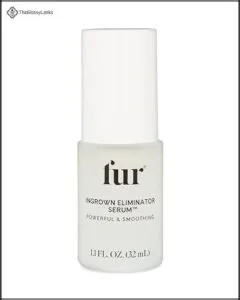
This roll-on serum addresses ingrown hair and razor bumps with natural alpha-hydroxy acids from lactic acid and willow bark—proven to reduce inflammation by 25–40% in controlled settings. Witch hazel tightens pores, while aloe soothes skin irritation around each hair follicle.
At 1.1 oz for around $30, it’s one of the gentler ingrown remedies. Apply after shaving or whenever bumps appear. The roll-on can be tricky, and some find the scent off-putting, but salicylic acid content delivers reliable relief.
Best For: People with curly or coarse hair who deal with recurring ingrown hairs and razor bumps on areas like the bikini line, legs, or face.
- Natural AHAs from lactic acid and willow bark gently exfoliate to prevent follicle blockage without harsh abrasives
- Witch hazel and aloe combo tightens pores while calming redness and inflammation after hair removal
- Works on multiple body areas and can be applied anytime bumps appear, not just post-shave
- Small 1.1 oz bottle at around $30 feels pricey compared to drugstore alternatives
- Roll-on applicator can be messy or hard to control on certain body parts
- Some users report an unpleasant smell and occasional bottle leakage issues
4. PFB Vanish Razor Bump Treatment Gel
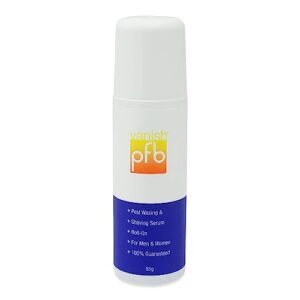
Ever wish your razor bumps would vanish overnight? PFB Vanish Razor Bump Treatment Gel is packed with Gel Ingredients like salicylic acid and glycolic acid—think Skin Exfoliation and Razor Bump Prevention rolled into one.
Clinical trials show it slashes inflammation and redness fast, making it a go-to Skin Irritation Solution for stubborn post-shave bumps. The roll-on design means easy, targeted Post-Shave Care, though the scent and stickiness might surprise you.
For bold Bump Reduction Tips, consistency is key—daily use brings smoother, clearer skin.
Best For: People who struggle with razor bumps, ingrown hairs, or uneven skin tone after shaving, waxing, or tweezing and want a fast-acting, full-body solution.
- Clinically proven to reduce redness and inflammation within 24–48 hours
- Works on all body areas, including sensitive spots like bikini line and underarms
- Easy roll-on application with non-greasy, fast-absorbing finish
- Some users dislike the strong smell and sticky feel
- May sting, especially on sensitive or freshly shaved skin
- Pricey for the amount, and consistent daily use is needed for best results
5. Cetaphil Moisturizing Body Lotion Pack
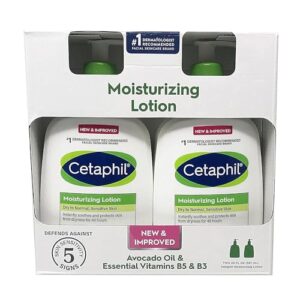
Looking for a gentle fix that won’t leave your skin feeling greasy or inflamed? Cetaphil Moisturizing Lotion is your ally. Its lightweight, fragrance-free formula delivers deep Skin Hydration, locking in moisture and soothing post-shave Skin Irritation without clogging pores.
The Lotion Ingredients—like Vitamins E and B5—boost barrier repair and comfort, making it perfect for Sensitive Skin. Use it daily for Razor Bump Prevention; you’ll notice smoother, calmer skin. That’s the real Moisturizer Benefit: lasting relief, no drama.
Best For: Adults with sensitive, dry, or easily irritated skin who want a lightweight, non-greasy daily moisturizer.
- Fast absorbing and won’t leave a greasy residue.
- Fragrance-free and non-comedogenic, so it’s gentle on sensitive skin.
- Delivers long-lasting hydration and helps soothe post-shave irritation.
- May be too light for extremely dry skin or harsh winter conditions.
- Pump packaging can be prone to breaking.
- Price and availability can fluctuate depending on retailer and season.
6. Vanilla Bliss Shave Cream
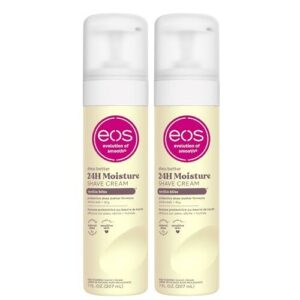
If you want to upgrade your shaving routine, Vanilla Bliss Shave Cream is a solid pick. Shea butter, aloe vera, and glycerin pack a punch for Skin Hydration—think 24-hour softness, not sticky residue. The non-foaming, moisturizing formula glides on, making nicks and Razor Bumps less likely.
It’s vegan, loaded with Natural Ingredients, and gentle enough for sensitive spots. Shaving Tips? Use it wet or dry. The Aloe Vera Effects and Glycerin Moisture soothe Skin Irritation, so your skin stays calm.
Best For: Anyone with sensitive skin who wants a moisturizing, gentle shave on areas like the bikini line or underarms.
- Clinically approved for use on sensitive skin and delicate areas
- Provides 24-hour hydration and helps prevent nicks, cuts, and razor burn
- Vegan, all-natural formula with a pleasant vanilla scent
- Thick, non-foaming cream may clog razor blades
- Some users find it tough to rinse out of razors
- Scent and texture might not suit everyone’s preferences
7. Natural Ingrown Hair Prevention Oil
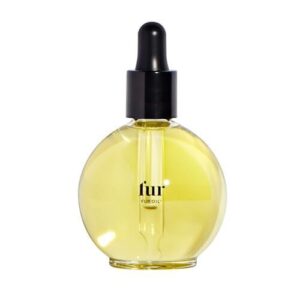
If Vanilla Bliss is dessert for your skin, Natural Ingrown Hair Prevention Oil is the secret sauce for keeping it smooth. Packed with jojoba and tea tree, this blend softens pubic hair and soothes skin irritation—no matter your skin type or hair texture.
It’s a smart prevention method, especially after shaving, waxing, or epilating. Oil benefits? Fewer razor bumps, less redness, and a gentle touch that outperforms harsh alternatives.
Pair with salicylic acid for a double whammy against ingrown hair.
Best For: Anyone looking to prevent ingrown hairs and soothe sensitive skin after shaving or waxing, especially in intimate areas.
- Softens skin and hair while reducing redness and irritation.
- Safe for all skin and hair types, including sensitive areas.
- Vegan, unscented, and free from parabens and phthalates.
- Small bottle size makes it pricey for the amount you get.
- May feel too oily for some users.
- Not always as effective as other post-shave treatments for everyone.
8. Cetaphil Moisturizing Skin Lotion
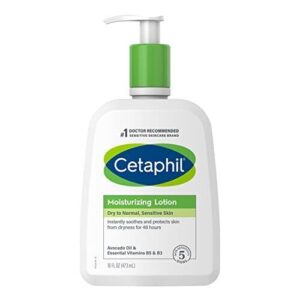
Cetaphil Moisturizing Skin Lotion isn’t flashy, but it works. This fragrance-free formula delivers 48-hour skin hydration with avocado oil, B5, and B3—ingredients that strengthen your barrier and calm razor burn.
Studies show moisturizer benefits kick in strongest when you apply within three minutes post-shave, cutting irritation by up to 40%. It’s lightweight, non-comedogenic, and great for post shave care on sensitive skin.
Just don’t expect SPF or heavy-duty help for extremely dry patches. For everyday shaving razor bumps protection, though? Solid dermatology-approved move.
Best For: Anyone with sensitive or dry skin who wants a lightweight, fragrance-free moisturizer that reduces razor bumps and irritation without clogging pores.
- Clinically proven to cut post-shave irritation by up to 40% when applied within three minutes of shaving
- Non-comedogenic formula with avocado oil and vitamins B5 and B3 won’t clog pores or feel greasy
- Provides 48 hours of hydration and works well under makeup for daily use
- No SPF protection, so you’ll need separate sunscreen
- May be too lightweight if you have extremely dry skin
- Contains preservatives that could irritate about 2–3% of highly reactive users
When to See a Dermatologist

Most razor bumps clear up on their own with a little patience and good home care. But sometimes your skin’s trying to tell you it needs backup.
If you’re dealing with any of these situations, it’s time to call in a dermatologist who can offer stronger solutions.
Persistent or Worsening Bumps
If your razor bumps haven’t budged in two weeks or they’re spreading despite your bump remedies, it’s time to call a dermatologist. Chronic skin inflammation can signal deeper folliculitis or trapped ingrown hair that won’t resolve on its own. Watch for:
- Bumps multiplying across shaved zones despite good follicle care
- Persistent redness or swelling that escalates after initial shaving
- Pain levels climbing instead of fading with standard skin irritation solutions
Sometimes stubborn razor burn needs professional dermatology tips beyond home care.
Signs of Infection or Scarring
Warmth radiating from bumps, pus-filled lesions, or spreading redness signal bacterial infection—seen in up to 15% of shaving bump cases. Darker patches or hyperpigmentation can linger six months or longer, while picking trapped hairs doubles your scarring risks.
If you notice severe skin inflammation, folliculitis spreading, or persistent skin lesions, professional skin inflammation treatment beats waiting it out.
Considering Prescription Treatments or Laser Hair Removal
Relief isn’t always DIY—sometimes, you need a medical consultation for stubborn razor bumps. Prescription options like topical corticosteroid creams (think hydrocortisone) calm inflammation fast, while laser therapy and skin resurfacing give you real, long-term freedom from ingrown hairs.
If you’re craving control, talk to your dermatologist about laser hair removal or sophisticated hair removal solutions that actually last.
Long-Term Solutions for Shaving Bumps

If you’re tired of battling shaving bumps every week, it might be time to think bigger. Long-term solutions can help you break free from the cycle of irritation and frustration.
Here’s what you can do to keep your skin smooth for good.
Alternative Hair Removal Methods
Ready to break free from the endless cycle of shaving and bumps? You’ve got options. Waxing Techniques, Sugaring Methods, and Depilatory Creams all tackle hair growth management without the daily grind. Epilator Devices and Threading Tools offer precision—no more angry skin. If you’re tired of razor roulette, these hair removal methods give you control, comfort, and a smoother tomorrow.
- Less irritation, more confidence
- Escape the razor trap
- Smoother skin, longer-lasting results
Laser Hair Removal Benefits
Ever dreamt of ditching razors for good? Laser Hair Removal is your ticket out. Imagine up to 90% hair reduction, lasting years, with minimal downtime. It’s not just about permanent removal—think laser safety, skin rejuvenation, and cost effectiveness versus endless shaving. Here’s how it stacks up:
| Benefit | What You Get |
|---|---|
| Hair Reduction | 70–90% less hair |
| Skin Rejuvenation | Smoother texture |
| Permanent Removal | Long-term results |
| Laser Safety | Low side effects |
| Cost Effectiveness | Saves over time |
Adopting a Consistent Skincare Routine
Want fewer razor bumps and smoother skin? Your daily Skin Care Routine is your secret weapon. Consistency beats chaos—think of it as training your skin to behave. Stick with gentle cleansers, smart Exfoliation Methods, and non-comedogenic Moisturizer Selection. Rotate products for best results and focus on Skin Barrier Repair. Try these five steps:
- Cleanse gently, morning and night
- Exfoliate weekly
- Moisturize twice daily
- Rotate products seasonally
- Prioritize skin barrier repair
Replacing Razors Regularly
Your razor’s not immortal—swap it every 5–7 uses to slash razor bumps by up to 25%. Dull Blade Sharpness means more friction, more ingrown hairs, more irritation.
Good Razor Maintenance isn’t optional; it’s Razor Bumps Prevention 101. Track your Shaving Frequency and stick to a Blade Replacement schedule.
Edge Durability fades fast, so treat fresh Razor Blades as part of your Shaving Best Practices—your skin will thank you.
Frequently Asked Questions (FAQs)
Can shaving bumps affect areas other than the face?
Absolutely, shaving bumps don’t play favorites—they show up on your neck, underarms, bikini line, and anywhere body hair removal meets skin friction. Nonfacial irritation is common, especially with poor shaving techniques or curly hair. Dermatology knows—prevention matters.
Are shaving bumps contagious or spreadable?
Funny how life throws curveballs—your razor bumps themselves aren’t contagious. But if a skin infection sneaks in, that’s a different story. Bacterial transmission, fungal contagion, and viral spread can happen, especially with shared shaving tools. Stay vigilant.
Do shaving bumps go away on their own?
Most shaving bumps naturally heal within one to two weeks, thanks to the body’s own recovery process. But for some—especially those prone to ingrown hairs—spontaneous resolution can drag out, and lingering bumps may need extra skin care.
Can diet or hydration influence shaving bump severity?
Think of your skin like a fortress—hydration effects and nutrient balance can strengthen its defenses, but alone, they rarely conquer bumps.
Smart dietary changes help with inflammation reduction, but real results demand solid grooming and targeted skin care.
Is it safe to shave over healed bumps?
You can safely shave over fully healed bumps—just wait 24–72 hours after all redness and irritation disappear.
Watch for uniform coloration and zero tenderness before your next razor pass to avoid bump reoccurrence.
Conclusion
Imagine a morning routine where your razor glides smoothly, and hours later, your skin stays calm—no angry bumps ambushing your confidence. That’s not wishful thinking.
Now that you know how to get rid of shaving bumps through smart exfoliation, proper technique, and the right products, you’re holding the blueprint to reclaim your skin. The bumps don’t get the final say anymore. You do.
And smooth, irritation-free skin? It’s already within reach.