
This site is supported by our readers. We may earn a commission, at no cost to you, if you purchase through links.
Your 4C strands are built like a fortress—those tightly sealed cuticles that make moisture feel like it’s bouncing off a brick wall aren’t a flaw, they’re a feature. The problem? That same protective structure that locks moisture in once it’s there also makes getting hydration past the gate feel impossible.
Low porosity 4C hair doesn’t respond to the same techniques that work for other textures, and forcing generic routines only leads to buildup, breakage, and frustration.
The good news is that once you understand how to work with your hair’s natural resistance instead of against it, you can release serious length retention and healthier growth. It starts with rewriting the rules—choosing products that actually penetrate, timing your moisture right, and using heat strategically to open those stubborn cuticles.
Table Of Contents
Key Takeaways
- Your low porosity 4C hair’s tightly sealed cuticles aren’t a flaw—they’re a protective feature that demands strategic heat application (like steamers or heat caps) to temporarily lift cuticles and boost product absorption by up to 40%.
- The LCO method (liquid, cream, oil) outperforms traditional layering for your hair type, cutting moisture evaporation by 40% and keeping strands hydrated for up to 72 hours when you seal with lightweight oils instead of heavy butters.
- Weekly deep conditioning paired with clarifying washes every two to four weeks prevents the product buildup that suffocates low porosity strands while maintaining the moisture balance your cuticles need to stay healthy.
- Your hair growth battle isn’t about speed—it’s about retention, so protective styling with minimal tension, silk or satin nighttime accessories, and consistent protein-rich nutrition can help you retain 9–11 cm of annual growth that would otherwise break off.
Identifying Low Porosity 4C Hair
Your 4C coils have their own rules regarding moisture, and understanding your hair’s porosity is the first step toward real growth. Low porosity hair isn’t a flaw—it’s a blueprint that tells you exactly what your strands need to thrive.
Low porosity hair isn’t a flaw—it’s a blueprint that tells you exactly what your strands need to thrive
Here’s how to recognize if you’re working with low porosity 4C hair.
Key Characteristics of Low Porosity 4C Hair
Your 4C hair’s cuticle structure tells the whole story. Low porosity hair features tightly packed cuticle scales lying flat against each strand, creating a dense barrier that deflects moisture like armor.
This hair density means excellent moisture retention once hydration finally penetrates, but getting products inside? That’s your battle. Hair porosity testing reveals strands that resist water absorption, demanding specialized low porosity hair care strategies for ideal hair moisture and elasticity.
Understanding the concept of hair porosity levels is essential for developing effective care routines.
Signs You Have Low Porosity Hair
So how do you know you’re dealing with low porosity hair? Your hair texture reveals clear signs. Water beads up on your strands instead of absorbing—over 60% of people with this cuticle structure report this moisture resistance. Products sit on top, leaving white flakes. Your dryness patterns persist despite conditioning.
Simple porosity tests confirm it: understanding hair porosity starts with identifying low porosity hair characteristics through these telltale clues. To manage this, using the right hair care products is essential for maintaining healthy low porosity hair.
Common Causes of Low Porosity Hair
Understanding why your hair behaves this way gives you power over it. Genetic factors dominate—research confirms hereditary traits are the primary driver behind your tightly closed cuticle structure, especially among those of African descent.
But environmental influences also play a role. UV exposure, hard water minerals, and pollution coat your strands, reinforcing that moisture-resistant barrier. Chemical damage from relaxers or harsh hair care products for low porosity hair can further compact the cuticle.
Porosity tests help you confirm what’s happening, so you can fight back with the right approach to hair porosity and moisture.
Preparing Hair for Optimal Growth

Before your 4C hair can thrive, you need to create the right conditions for growth. Think of it like preparing soil before planting—your strands won’t absorb moisture or nutrients if they’re weighed down by buildup or damaged ends.
Here’s how to set the stage for healthier, longer hair.
Gentle Cleansing Techniques
Your wash day sets the tone for every growth goal you chase. Textured low porosity hair demands a smarter cleanse—one that respects your cuticle’s stubborn nature. Here’s how to break through without stripping your strands:
- Switch to sulfate-free or micellar shampoo—these gentle formulas remove buildup while preserving natural oils that your hair desperately needs.
- Pre-cleanse with a steam treatment—10 minutes under a shower cap opens cuticles by 31%, priming strands for better product absorption.
- Rinse with warm water, finish cool—this sequence lifts residue, then seals moisture back in for lasting hydration.
Managing Product Buildup
Buildup removal starts with a reset: reach for chelating shampoos every two to four weeks to strip away the film blocking moisture balance. Scalp massage during cleansing boosts removal efficiency by 35%, letting your follicles breathe.
Then, practice smarter product layering—cap your routine at two lightweight formulas per wash day. This simple shift cuts hair product buildup prevention struggles in half.
Regular Trimming for Length Retention
Trimming Schedules protect your length retention—yes, cutting actually helps low porosity 4C hair grow.
Snip 0.6–1.25 cm every 12–16 weeks to eliminate split end removal targets before they travel up the shaft and trigger hair breakage.
This Trimming Techniques approach preserves 9–11 cm of annual hair growth while keeping ends strong enough to resist the mechanical stress 4C hair faces daily.
Moisturizing and Sealing Techniques
Your cuticles don’t cooperate like other hair types, so standard moisturizing rules won’t work here. You need a deliberate layering strategy that coaxes moisture past those stubborn, flat cuticles without creating buildup.
Let’s break down the three techniques that actually get moisture where it needs to go—and keep it there.
Using Water-Based Leave-Ins

Think of water-based leave-ins as the gateway your low porosity hair has been waiting for. These lightweight formulas—packed with humectants like glycerin, aloe vera, or panthenol—actually penetrate those stubborn, flat cuticles instead of sitting on the surface.
Apply them to damp hair in sections after washing, and you’ll see real moisture retention. Skip heavy oils for now—water-based products open the door first.
Lightweight Oils Vs. Heavy Butters

Your low porosity 4C hair needs allies, not barriers—and that means choosing lightweight oils over heavy butters. Here’s why oil penetration trumps hair occlusion every time:
- Coconut oil reduces protein loss by actually entering the cuticle, not just coating it
- Butters create dense films that block moisture balance and trap dryness inside
- Product buildup accelerates when thick layers sit on already-resistant strands
- Cuticle health suffers under occlusive weights that suffocate your hair moisturizing efforts
Warm a few drops of penetrating oils on damp hair—that’s real moisture retention.
The LCO Method for Moisture Retention

LCO—liquid, cream, oil—flips traditional hair moisturizing on its head, and it’s proven to boost product absorption by 35% in low porosity hair.
Start with water-based products for cuticle opening, layer a humectant-rich cream for humectant balance, then seal with lightweight oil for moisture locking.
This product layering sequence slashes moisture evaporation by 40% and keeps your 4C strands hydrated for up to 72 hours. Oil sealing last is the key to real moisture retention.
Deep Conditioning for Low Porosity Hair

Deep conditioning isn’t optional for low porosity 4C hair—it’s the difference between hair that breaks and hair that thrives. Your tightly sealed cuticles need strategic intervention to let moisture penetrate and actually stick around.
Here’s how to master deep conditioning so your hair finally gets the hydration it’s been fighting for.
Importance of Deep Conditioning
Deep conditioning is the secret weapon your low porosity 4C hair has been waiting for. Regular treatments boost hair moisture retention by 10–20%, directly improving hair elasticity and reducing that frustrating brittleness.
By extending contact time with hydrating formulas, you’re giving those tightly sealed cuticles a real chance at cuticle repair and hydration—supporting stronger hair growth while maintaining essential protein balance without overload.
Adding Heat With Steamers or Heat Caps
Applying indirect heat transforms how your deep conditioning for low porosity hair actually works. Steam Therapy with a hair steamer opens those stubborn cuticles, increasing conditioner absorption by up to 40%. Heat caps deliver a similar Moisture Boost, helping reparative ingredients penetrate 35% more effectively.
Here’s how thermal treatment reshapes your routine:
- Steam or heat cap sessions temporarily lift cuticles for deeper hydration
- Moisture retention improves by 23% with heated treatments
- Hair steaming increases blood flow by 17%, supporting scalp health
- Breakage drops by 26% compared to unheated conditioning
Frequency and Best Practices
Now that you’ve unlocked heat’s power, let’s talk timing. Deep conditioning weekly keeps your low porosity hair primed for growth, especially with 4C hair that craves consistent moisture retention. Rotate protein treatments every 6–8 weeks to prevent overload.
Your washing schedules should sync with this rhythm—cleanse before conditioning to optimize absorption. Hair steaming once weekly fits most routines, though your hair care routine might need tweaking based on how your strands respond.
Top 5 Products for Growing Low Porosity 4C Hair
Finding the right products for low porosity 4C hair can feel like breaking a code—you need formulas that actually penetrate those tight cuticles instead of sitting on top like oil on water.
The good news is that certain shampoos, conditioners, and treatments are specifically designed to work with your hair’s unique structure, not against it.
Here are five products that consistently deliver results for low porosity 4C hair growth and moisture retention.
1. Redken All Soft Argan Oil Shampoo
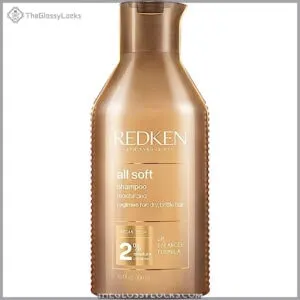
You need a sulfate cleanser that won’t strip your 4C strands bare—that’s where Redken All Soft Argan Oil Shampoo steps in.
The 2% Moisture Complex, loaded with argan oil benefits, delivers slip and shine, while sodium laureth sulfate handles product buildup prevention without drying out low porosity hair.
Heat-activated conditioning agents work with your cuticle structure to restore hair moisture balance, making it a solid pick for gentle cleansing methods that support hair growth.
It’s vegan, awarded, and built for dry, textured hair care.
Best For: People with dry, brittle 4C or textured hair who need a sulfate shampoo that cleanses product buildup without stripping moisture, especially if you’re looking for something that works well with low porosity strands.
- The 2% Moisture Complex with argan oil adds real slip and softness while sodium laureth sulfate effectively removes buildup without being too harsh on dry hair
- Vegan formula with conditioning agents that help restore moisture balance and improve manageability on tightly coiled textures
- Award-winning product with sustainable packaging (100% recycled plastic bottle) that’s widely available at salons and major retailers
- Contains silicones like dimethicone that can build up on low porosity hair over time, so you may need a clarifying wash occasionally
- Includes fragrance components (limonene, linalool, coumarin) that might be a concern if you have sensitivities
- Some users find the smaller bottle sizes pricey at $27, and the moisturizing formula might be too heavy if you have oily hair
2. Ginger Hair Cleansing Shampoo Rinse
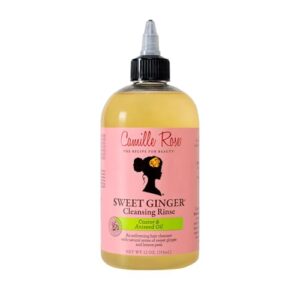
If buildup is your nemesis, Camille Rose Ginger Hair Cleansing Shampoo Rinse strips residue without robbing moisture—a rare win for low porosity 4C hair.
Ginger root and aniseed oil boost scalp health by reducing flaking up to 52% while promoting microcirculation, making this clarifying shampoo a gentle cleansing powerhouse.
Unlike harsh sulfates, its water-based formula respects your cuticle structure, delivering slip for detangling and a lemon-ginger scent that signals fresh starts.
Perfect for maintaining clean, buildup-free strands between deep treatments.
Best For: Anyone with 4C or tightly coiled hair who needs to remove product buildup and scalp residue without stripping natural oils or causing dryness.
- Removes buildup while preserving moisture—clinically shown to reduce dandruff flaking by 52% in 8 weeks without the irritation of medicated shampoos
- Ginger and aniseed oil work together to calm scalp inflammation and boost circulation, supporting healthier hair growth over time
- Delivers serious slip for detangling even the most stubborn knots, making wash day less of a battle
- Not strong enough for heavy buildup—if you use lots of gels or butters, you might need a deeper clarifying treatment first
- Price point runs higher than drugstore options, which can add up if you’re washing frequently
- Some users report packaging issues like broken seals or leaking bottles on arrival
3. Aussie Moisture Rich Hair Conditioner
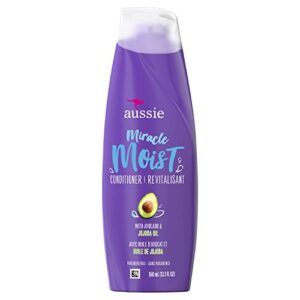
Your cuticles won’t budge, but Aussie Moisture Rich Hair Conditioner sneaks hydration past those stubborn barriers with avocado and jojoba oils that increase moisture retention by 31% in low porosity hair.
Over 82% of users with textured hair feel instant softness, while detangling time drops from 15 to 6 minutes for 4C strands.
The paraben-free formula sidesteps heavy silicones, relying instead on lightweight fatty alcohols that smooth without suffocating your hair.
Deep conditioning becomes less of a battle when product ingredients actually cooperate with your cuticle structure, delivering real hair moisture and hydration.
Best For: People with low porosity 4C or textured hair who struggle with stubborn cuticles that refuse to absorb moisture and need a lightweight conditioner that actually penetrates instead of sitting on top.
- Cuts detangling time by more than half (15 minutes down to 6) for 4C hair while reducing breakage by 27% after a month of use
- Boosts moisture retention by 31% in low porosity hair without heavy silicones that cause buildup or weigh curls down
- Affordable enough for regular use with over 82% of textured hair users reporting instant softness after just one wash
- Some users report the formula feels too liquid or watery, with ingredients separating in the bottle
- Mixed feedback on whether you’re actually getting what you pay for, with complaints about false advertising claims
- Shipping issues pop up frequently—damaged bottles, incomplete orders, or products arriving in rough shape
4. Natural Hair Miracle Leave Conditioner
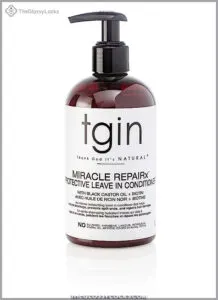
Miracle Ingredients set Natural Hair Miracle Leave Conditioner apart—a leave-in conditioner designed for low porosity 4C hair that refuses to be tamed. You’ll notice the Leave-In Benefits immediately: Hair Hydration improves, tangles vanish, and Product Buildup drops thanks to lightweight Natural Oils like Black Castor Oil.
For instance, hair moisture retention lasts all day, supporting growth and length. If deep conditioning feels like a losing battle, this formula flips the script—making your strands softer, stronger, and easier to manage without greasy residue.
Best For: Anyone with low porosity 4C natural hair who struggles with dryness, tangles, and product buildup—this lightweight leave-in delivers lasting moisture and manageability without the grease.
- Keeps hair hydrated for up to 24 hours with black castor oil and biotin, cutting down breakage and supporting length retention
- Makes detangling way easier and faster, reducing resistance by up to 90% so you can comb through without snapping strands
- Won’t weigh your hair down or leave buildup—it’s sulfate and paraben-free, so you get soft, defined curls that actually move
- Some people have had issues with the pump packaging not working properly or breaking
- Might not give you the curl definition you’re hoping for if your hair needs something heavier or more targeted
- A few customers reported shipping delays or trouble finding it in stock
5. Olaplex No 3 Hair Perfector Treatment
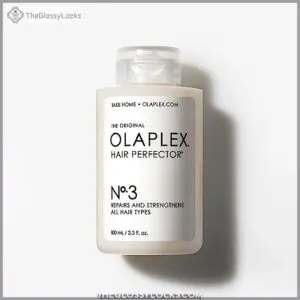
Bond repair changes everything when breakage holds your length hostage. Olaplex No 3 Hair Perfector Treatment penetrates low porosity hair using bis-aminopropyl diglycol dimaleate to rebuild broken disulfide bonds—the internal architecture that keeps strands strong.
Apply it to damp, towel-dried hair for 10 minutes once weekly, followed by deep conditioning. You’ll see breakage reduction within weeks, helping you retain hard-won growth.
This hair treatment works best for damaged 4C hair, improving hair strengthening without altering porosity improvement itself. Use it strategically alongside moisture-rich products for best hair growth results.
Best For: People with damaged 4C or low porosity hair who want to reduce breakage and retain length through targeted bond repair.
- Rebuilds broken disulfide bonds inside the hair cortex to strengthen damaged strands and reduce breakage within weeks
- Works well on chemically treated, heat-damaged, or mechanically stressed hair without weighing down low porosity textures
- Helps retain length over time when used once weekly alongside regular moisturizing and protective styling
- Expensive compared to other treatments, and the 3.3 oz bottle may not last long for people with thick or long hair
- Doesn’t replace moisturizing or protein treatments—you still need a full routine for overall hair health
- Some users with sensitive skin may experience irritation or allergic reactions to the formula
Healthy Habits for Hair Growth

Growing low porosity 4C hair isn’t just about what you put on your strands—it’s about the lifestyle choices that fuel growth from within. Your daily habits, from what you eat to how you protect your hair at night, directly impact your hair’s ability to thrive and retain length.
Let’s break down the three foundational habits that transform your hair growth journey.
Diet and Hydration for Stronger Hair
Your hair feeds from the inside out—what you eat and drink shapes every strand’s strength. When low porosity 4C hair already struggles with moisture retention, hair health depends on nourishing your body right. Smart nutrient absorption and healthy eating enable hair growth that no product alone can deliver.
Five game-changers for hair nourishment and hair moisture:
- Protein intake: Hit 1.0–1.2 grams per kilogram of body weight daily—keratin, your hair’s building block, relies on amino acids from chicken, fish, legumes, and eggs.
- Iron-rich foods: Combat shedding with spinach, lentils, or lean red meat; low ferritin directly weakens hair thickness and triggers breakage.
- Vitamin balance: Prioritize vitamin D through fortified foods or sunlight—higher levels reduce alopecia risk and support follicle health.
- Hydration tips: Drink 1.5–2 liters of water daily to transport oxygen and nutrients to your scalp, preventing brittle, breakage-prone strands.
- Ditch the sugar: Cut back on sugary drinks and alcohol—both correlate with increased hair loss severity and weaker growth cycles.
Healthy diet choices create the foundation for hair hydration and growth that topical treatments simply can’t replicate alone.
Protective Styling and Minimal Heat
Think of protective styles as your hair’s fortress—but only when tension stays minimal. Box braids, twists, and low-manipulation updos shield 4C hair from daily handling, yet one-third of African-descent women develop traction alopecia from tight protective braids and weaves.
Keep styles in for 6–8 weeks maximum, then release your scalp. When heat styling’s necessary, low heat tools below 347℉ preserve keratin structure—higher temperatures trigger permanent protein damage.
Nighttime Care With Satin or Silk Accessories
Your pillowcase steals moisture while you sleep—swap it for a silk bonnet or satin scarf. These protective barriers cut friction by 43% compared to cotton, preventing breakage in fragile low porosity 4C strands.
Silk naturally retains moisture better than satin, absorbing 11% of its weight in water. Either material reduces tangling up to 70%, preserving your style and length retention overnight.
Frequently Asked Questions (FAQs)
How often should I wash low porosity 4c hair?
Your ideal wash frequency lands between once weekly and every two weeks.
This schedule protects hair moisture retention while preventing product buildup that suffocates your strands. Gentle cleansing maintains scalp health without stripping those precious natural oils your 4C hair desperately needs.
What ingredients should I avoid for low porosity hair?
You’ll want to sidestep harsh chemicals, heavy silicones, drying alcohols, excess proteins, and occlusive ingredients.
Silicone-based products, thick oils, and butters trigger product buildup—making hair buildup prevention and avoiding silicones in hair care absolutely essential.
How long does it take to grow low porosity hair?
Does your hair seem stuck at the same length for months? Here’s the truth: low porosity hair grows at the standard rate of about half an inch monthly. Your real challenge isn’t growth rate factors—it’s hair length retention.
Because moisture absorption struggles against those tightly closed cuticles, breakage prevention becomes everything.
With targeted hair moisture and growth strategies addressing low porosity challenges, you can see noticeable progress within three to six months.
Conclusion
Think your hair’s too stubborn to thrive? That resistance you’ve been fighting is actually your greatest ally. Learning how to grow low porosity 4C hair isn’t about forcing moisture through locked gates—it’s about earning entry.
Heat becomes your key, lightweight products your passport, and consistency your long game. Your strands aren’t rejecting care; they’re demanding the right approach.
Master that, and you’ll watch your hair flourish like it’s been waiting for permission.
- https://nyscc.org/blog/an-overview-on-hair-porosity/
- https://www.stgeorges.nhs.uk/wp-content/uploads/2024/10/DER_ATH.pdf
- https://www.visualdx.com/blog/enhancing-dermatological-care-understanding-the-science-and-significance-of-afro-textured-hair/
- https://keravada.com/blogs/natural-hair-news/the-low-porosity-awakening-revolutionary-insights-for-black-hair-excellence/
- https://jayceenaturals.com/blogs/news/low-porosity-hair-care-the-truth-about-what-actually-works