This site is supported by our readers. We may earn a commission, at no cost to you, if you purchase through links.

Your trimmer’s blades are basically two tiny metal surfaces grinding against each other at several thousand strokes per minute. Without proper lubrication, that friction generates enough heat to dull the blades and make every trim feel like you’re pulling hairs instead of cutting them.
Most guys only think about oiling their beard trimmer when it starts tugging or making that grinding noise, but by then you’ve already shaved months off its lifespan. The good news is that maintaining your trimmer takes less than two minutes and requires just a few drops of the right oil. Once you understand when and how to oil your blades properly, you’ll keep your trimmer cutting smoothly for years while avoiding those painful mid-trim snags.
Table Of Contents
- Key Takeaways
- Why Oiling Your Beard Trimmer Matters
- Signs Your Beard Trimmer Needs Oiling
- Choosing The Right Oil for Your Trimmer
- Tools and Preparation Before Oiling
- Step-by-Step Guide to Oiling Beard Trimmer
- How Often to Oil Your Beard Trimmer
- Top Products for Beard Trimmer Maintenance
- Frequently Asked Questions (FAQs)
- What is the best oil for beard trimmers?
- How often should I oil trimmer blades?
- Should I oil my beard trimmer?
- How do you put oil on a beard trimmer?
- What can I use to lubricate my beard trimmer?
- Where to oil beard trimmers?
- Can I use WD-40 instead of clipper oil?
- How do I oil hard-to-reach areas on my trimmer?
- Do cordless trimmers need oiling differently?
- How much oil is too much for my trimmer?
- Conclusion
Key Takeaways
- Oil your beard trimmer every 2-3 uses (or daily for heavy use) by applying 4-5 drops along the blade rail while running the trimmer briefly, then wiping away excess to prevent friction, overheating, and premature blade wear.
- Use only specialized clipper oil or lightweight mineral oil designed for high-speed blades—avoid substitutes like WD-40, coconut oil, or motor oil, which create sticky residue, damage plastic components, or evaporate too quickly.
- Signs your trimmer needs immediate oiling include increased rattling noise, blades pulling hair instead of cutting cleanly, reduced cutting efficiency requiring multiple passes, and the housing feeling warm to the touch during operation.
- Always unplug your trimmer and clean the blades thoroughly with a small brush and isopropyl alcohol before oiling to remove trapped hair and debris, ensuring the oil can properly lubricate metal-on-metal contact points.
Why Oiling Your Beard Trimmer Matters
Your beard trimmer works hard to keep you looking sharp, but it can’t do its job without a little help from you. Regular oiling keeps those blades moving smoothly and prevents the kind of wear that shortens your trimmer’s life.
Just as understanding how beard oil nourishes and conditions facial hair helps you maintain a healthy beard, proper blade maintenance ensures your trimmer delivers consistent, irritation-free results every time.
Here’s why taking a minute to oil your trimmer matters more than you might think.
Importance of Lubrication for Trimmer Performance
Lubrication is the backbone of your trimmer’s performance. When you apply lubricating oil, you’re doing more than routine maintenance—you’re protecting your investment. Here’s why blade lubrication matters:
- Friction reduction keeps blades gliding smoothly instead of grinding together
- Motor efficiency improves as resistance drops, preventing overheating
- Blade wear slows dramatically with proper trimmer oil application
- Performance optimization ensures consistent cuts every time
- Rust prevention shields metal from moisture damage
Proper lubrication plays a vital role in tool maintenance, as explained in this. The importance of oiling can’t be overstated—it’s what separates pros from amateurs.
Effects of Neglecting Trimmer Maintenance
Skipping trimmer maintenance brings consequences you’ll notice fast. Without regular blade oil, you’re looking at motor failure from excess heat and strain.
Blade corrosion sets in when moisture meets unprotected steel, killing cutting performance. Your trimmer durability drops as friction damages internal parts.
User safety becomes questionable with worn blades that tug instead of trim. For more details on best habits and practices, consult this guide on regular trimmer maintenance tips.
| What Fails | Why It Happens |
|---|---|
| Blades | Corrosion from debris buildup |
| Motor | Overheating from added friction |
| Performance | Dull edges pull hair painfully |
Benefits for Blade Longevity and Hygiene
Regular oiling doesn’t just stop those problems—it actively protects your investment. A thin oil film benefits blades by blocking moisture that causes rust prevention nightmares. You’ll see cutting efficiency stay sharp longer between professional services.
Proper trimmer blade care means:
- Blade protection from corrosion and micro-scratches
- Trimmer sanitization by preventing bacterial buildup in blade grooves
- Extended lifespan through reduced friction and heat damage
Signs Your Beard Trimmer Needs Oiling

Your trimmer won’t always tell you it needs oil warning with a flashing warning light, but it will give you clear signals if you know what to listen and feel for.
These signs usually start subtle and get worse over time if you ignore them. Here are the three main indicators that your trimmer is running dry and needs immediate attention.
Increased Blade Noise or Rattling
When your trimmer starts sounding like a tiny chainsaw, it’s screaming for oil. Blade wear analysis shows that rattling causes include dried lubricant and loose parts rubbing metal-on-metal.
These vibrations mean friction is winning the battle against your blades. Proper trimmer oil and a solid trimmer maintenance routine deliver noise reduction fast—usually within seconds of applying lubricating oil to restore smooth, quiet operation.
Reduced Cutting Efficiency
Friction is the silent thief of a clean shave. When blade wear increases, your trimmer pulls hair instead of slicing through it. You’ll notice this drop in cutting speed right away—multiple passes to hit the same spot.
Regular maintenance with clipper oil keeps your best barber clippers slicing cleanly through every pass instead of tugging and dragging.
Fresh trimmer blade lubrication solves motor load issues fast:
- Friction reduction restores smooth blade movement
- Efficiency boost cuts grooming time in half
- Trimmer performance optimization prevents uneven results
- Proper lubricating oil keeps your trimmer maintenance routine simple
Trimmer oil fixes sluggish blades immediately.
Overheating or Uncomfortable Operation
Heat radiating from your trimmer’s housing signals danger. When blades run dry, motor cooling fails and thermal regulation breaks down.
You’ll feel warmth spreading to the grip, hear the motor straining with a higher pitch, or notice sudden shutdowns. Proper lubrication with Wahl Clipper Oil or quality blade oil prevents overheat and keeps trimmer safety in check—protecting both your skin and the device.
Choosing The Right Oil for Your Trimmer
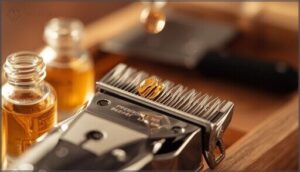
Not all oils are created equal in relation to your beard trimmer. Using the wrong type can damage your blades or gum up the motor, while the right oil keeps everything running smoothly for years.
Here’s what you need to know about choosing oil that protects your investment and keeps your trimmer cutting like new.
Recommended Beard Trimmer Oils
You’ll get the best results with Petroleum-Based Clipper Oil or Hair Clipper Oil designed specifically for Trimmer Maintenance. Wahl Clipper Oil is a solid choice—its low Oil Viscosity ensures smooth Blade Lubricants without gumming up your blades.
Plant-derived options like jojoba or grapeseed work well for Clipper Care too. Some Synthetic Oils include silicone additives that reduce friction and keep your Blade Oil and Trimmer Oil performing consistently.
Alternatives and Oils to Avoid
You might be tempted to grab coconut or baby oil in a pinch, but these create sticky residue that attracts dust and gums up blades.
Avoid motor oils and petroleum jelly—they degrade plastic components and cause Blade Corrosion.
Synthetic Oils with heavy Lubricant Additives leave films that slow your trimmer down.
Stick with Hair Clipper Oil or Wahl Clipper Oil for proper Trimmer Maintenance and lasting Trimmer Safety.
Comparing Trimmer and Clipper Oils
You’ll notice clipper oil flows thinner to cover wider blade surfaces quickly, while trimmer oil has slightly higher Oil Viscosity to cling inside tighter gaps.
Both Lubricant Types protect Blade Materials from rust, but Hair Clipper Oil works across multiple tools if you’re maintaining clippers and trimmers together.
For dedicated Hair Trimmer Lubrication and Trimmer Blade Replacement prevention, stick with trimmer-specific formulas during Oiling Trimmer sessions.
Tools and Preparation Before Oiling

Before you start oiling your beard trimmer, you need to get a few simple items ready and take some safety steps. This isn’t complicated, but doing it right makes the whole process easier and safer.
Let’s walk through what you’ll need and how to prep your trimmer for maintenance.
Gathering Cleaning Supplies
Before you start with oiling trimmer work, you’ll need a few cleaning essentials. Grab microfiber cloths to wipe down surfaces—they’re perfect for beard trimmer maintenance tips since they trap hair and debris without scratching.
Keep a small brush or old toothbrush handy for detail work. Store these grooming tool care items in portable caddies for quick access whenever your clipper maintenance routine calls.
Ensuring Trimmer Safety (Unplugging)
Safety comes first when handling any electrical grooming tool care device. Before you touch those blades, unplug your trimmer completely from the wall outlet—this simple unplugging procedure is your best accident prevention strategy against electrical shock incidents.
For cordless models, remove the battery pack and wait a few seconds. Here’s your beard trimmer maintenance tips checklist:
- Always verify the power switch sits in the off position after disconnecting
- Inspect your power cord for any cracks, fraying, or exposed wires before reconnecting
- Never rely solely on the trimmer’s safety switch—physically disconnect it from power
- If you spot cord damage during your trimmer maintenance routine, replace it with manufacturer-approved parts only
These safety precautions protect you during every beard trimmer repair or routine trimmer care session.
Accessing and Inspecting The Blades
Once your trimmer’s safely unplugged, it’s time to get hands-on with those blades. Most models let you pop off the blade guard by pressing a release tab or unscrewing one or two small screws—check your manual if you’re unsure about the blade removal process.
| Inspection Step | What to Check |
|---|---|
| Screw Inspection | Verify all screws are present and threads aren’t stripped |
| Edge Alignment | Confirm blades sit flat with no visible gaps |
| Debris Cleaning | Remove trapped hair between teeth using a small brush.” |
Look closely at the blade material—stainless steel or titanium-coated surfaces should show no rust or discoloration. Any nicks or rounded teeth mean your trimmer blades need replacing soon. This quick clipper maintenance check ensures your trimmer care routine starts on solid ground.
Step-by-Step Guide to Oiling Beard Trimmer
Now that you’ve got your tools ready and your trimmer unplugged, it’s time to walk through the actual oiling process.
This isn’t complicated, but doing it in the right order makes all the difference. Follow these steps to keep your trimmer running smoothly and your blades cutting clean.
Cleaning The Trimmer and Blades
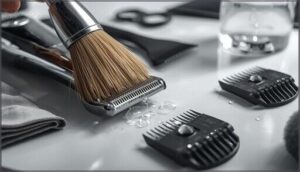
Before oiling, you’ll want a spotless workspace. Detach your trimmer blades following the manufacturer’s guidance for proper trimmer disassembly. Use a soft brush to sweep away loose hair from base to tip, paying attention to blade gaps.
Wipe down with a microfiber cloth dampened with isopropyl alcohol for blade sanitizing. Let everything air dry completely—this rust prevention step protects your investment and sets you up for successful maintenance and oiling.
Applying The Correct Oil Amount
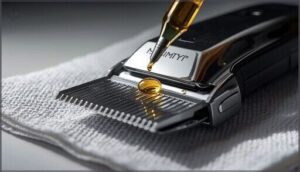
With clean, dry blades in front of you, precision oiling tips become your best friend. Oil volume control prevents gunky buildup and wasted product.
Here’s your ideal oil levels checklist for proper trimer lubrication:
- Position 1–2 drops along the blade spine where metal meets metal
- Target pivot points with a single microdroplet for blade oil distribution
- Avoid cooling vents and power switches entirely
- Less beats more—you can always add, never subtract
Clipper oil spreads farther than you’d think during trimer maintenance.
Distributing Oil and Running The Trimmer

Power on your trimmer for 10–15 seconds after application—this activates blade lubrication tips and spreads clipper oil through every contact point. The trimmer motor care process ensures oil reaches hidden friction zones where running temperatures spike during normal use.
| Oil Distribution Methods | Duration | Result |
|---|---|---|
| Static application | 0 seconds | Incomplete coverage |
| Low-speed operation | 5–10 seconds | Partial penetration |
| Full-speed run | 10–15 seconds | Complete distribution |
| Extended run | 20+ seconds | Wasted oil, excess mess |
This oiling step is essential trimmer maintenance—your maintenance schedules depend on it. Watch clipper maintenance transform trimmer blades from sticky to smooth.
Wiping Away Excess Oil
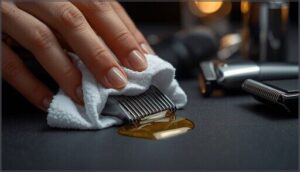
A quick wipe prevents oil from turning your trimmer into a slippery mess. Grab a microfiber cloth and blot away the sheen on your trimmer blades—excess oil dangers include gummed-up motors and stained skin.
This trimmer cleaning step locks in blade lubrication without the residue. Smart grooming tool care means your clipper oil works harder, and your beard trimmer stays sharp longer.
How Often to Oil Your Beard Trimmer

You might think oiling your trimmer is a once-in-a-while task, but keeping up with it matters more than you’d expect.
The right schedule depends on how often you use your trimmer and what conditions it faces. Let’s break down when to reach for that oil bottle so your blades stay sharp and smooth.
Recommended Maintenance Frequency
Your trimmer blades need attention more often than you might think. Like any precision tool, regular lubrication prevents blade wear and extends trimmer longevity.
Here’s your maintenance schedule:
- Daily users: Oil your beard trimmer every 6 to 12 uses to maintain peak performance
- After each cleaning: Reapply oil to restore lubrication and protect moving parts
- Heavy use situations: Increase oiling intervals to every 3 to 4 uses in dusty environments
- Storage periods: Always oil before first use after several weeks of inactivity
Factors Affecting Oil Schedule
Your oiling schedule isn’t one-size-fits-all. Seasonal demand during summer or travel requires more frequent maintenance.
Environmental impact matters too—humidity accelerates corrosion on trimmer blades, while dust clogs mechanisms faster.
Usage patterns tell the real story: daily trimming demands oil every few uses. Different trimmer models like Wahl have specific needs, and storage conditions in damp bathrooms mean your beard trimmer needs extra attention.
Oiling After Storage or Heavy Use
After months on the shelf, your beard trimmer needs immediate attention. Storage risks like condensation introduce moisture that accelerates corrosion prevention needs, while heavy trimming sessions heat up blades fast.
Oil viscosity changes in cold storage, so trimmer restoration starts with thorough cleaning trimmer steps, fresh lubricant selection, and running it briefly. This oiling maintenance combo protects trimmer performance when you need it most.
Top Products for Beard Trimmer Maintenance
You don’t need fancy equipment to keep your trimmer running smoothly. A quality oil, a good cleaning brush, and a reliable trimmer are all it takes.
Here are three products that’ll help you maintain your gear like a pro.
1. Wahl Clipper Blade Lubricating Oil
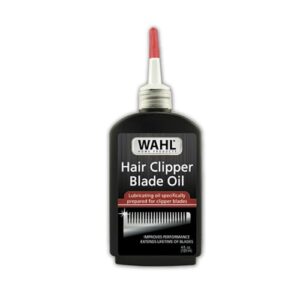
When you’re serious about keeping your blades in top shape, Wahl Clipper Blade Lubricating Oil is the ultimate benchmark. This 100% white mineral oil blend works fast to reduce friction and heat while preventing rust on your trimmer’s steel surfaces.
Just apply a few drops to the moving blades while the trimmer’s running, let it distribute for a few seconds, then wipe away excess. It’s colorless and odorless, so you won’t deal with stains or strong smells during your grooming routine.
| Best For | Anyone who regularly uses electric clippers or trimmers and wants to keep their blades sharp, smooth, and rust-free for longer. |
|---|---|
| Brand | Wahl |
| Primary Use | Blade lubrication |
| Compatibility | Multiple brands |
| Maintenance Required | Wipe after use |
| Weight | 0.1 lbs |
| Material | Synthetic |
| Additional Features |
|
- Prevents rust and extends blade life by cutting down on friction and heat buildup
- Works with Wahl products and most other clipper brands, making it versatile
- Colorless and odorless formula that won’t stain or leave behind strong smells
- Bottle may leak if you’re not careful with storage or handling
- Can leave oily residue on your hands or counter if you don’t wipe it off right away
- No clear info on whether the synthetic oil might cause skin reactions for sensitive users
2. Double End Shaver Cleaning Brushes
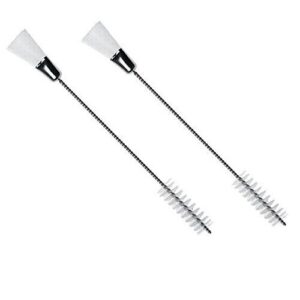
Before you even reach for the cleaning oil, you need a good cleaning brush. These double-end cleaning brushes come with stiff bristles on one end to dislodge stubborn hair clumps from tight gaps, plus finer bristles on the other for dust and debris.
They’re compatible with most hair clipper brands like Remington, Braun, and Wahl. The nylon bristles control moisture without losing shape, and the textured plastic grips give you a solid grip. You get two brushes per pack, making them excellent value for regular maintenance.
| Best For | Anyone who regularly uses electric shavers or hair clippers and wants an affordable, effective way to keep them clean between oil treatments. |
|---|---|
| Brand | Generic |
| Primary Use | Cleaning |
| Compatibility | Multiple brands |
| Maintenance Required | Rinse after use |
| Weight | Not specified |
| Material | Nylon/Plastic |
| Additional Features |
|
- Double-ended design with different bristle types tackles both stubborn hair clumps and fine debris
- Compatible with major brands like Remington, Braun, Norelco, Panasonic, and Wahl
- Great value since you get two brushes in one pack
- Generic branding means quality control might be inconsistent
- May not fit every shaver or trimmer model perfectly
- Durability over long-term use is unclear based on available information
3. Philips Norelco Multi Groomer Kit
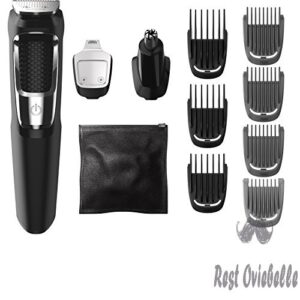
Once your trimmer is clean, you need a tool that keeps maintenance simple. The Philips Norelco Multi Groomer Kit stands out for its self-sharpening stainless steel blades—no oiling required. That’s a real time-saver, especially if you’re after low-fuss upkeep.
With up to 13 attachments, it covers beard, hair, and body grooming. The blades detach easily for rinsing, and the grip feels secure, wet or dry. If you want versatility and less maintenance, this kit checks all the boxes.
| Best For | Anyone who wants an affordable, versatile grooming kit that practically takes care of itself—no oiling, just rinse and go. |
|---|---|
| Brand | Norelco |
| Primary Use | Trimming |
| Compatibility | All hair types |
| Maintenance Required | Oil-free |
| Weight | 0.6 lbs |
| Material | Metal blade |
| Additional Features |
|
- Self-sharpening blades mean zero maintenance beyond rinsing after use
- 13 attachments handle everything from beard shaping to body grooming in one kit
- Detachable heads make cleaning quick and hassle-free
- Entry model skips the 2mm guard, which limits precision for very short trims
- NIMH battery doesn’t last as long as lithium-ion versions in pricier models
- Can’t use it while plugged in, so you’re stuck waiting if the battery dies mid-trim
Frequently Asked Questions (FAQs)
What is the best oil for beard trimmers?
Mineral oil based clipper oil works best because it lubricates metal blades without evaporating quickly.
Food grade mineral oil won’t irritate your skin, and silicone fortified formulas help manage heat during longer trimming sessions.
How often should I oil trimmer blades?
Keeping your blades well-oiled isn’t just expert advice—it’s essential. Oil after every 2-3 uses for weekend groomers, or daily if you’re a frequent trimmer.
Heavy use demands more attention to prevent wear.
Should I oil my beard trimmer?
Yes, you should oil your beard trimmer regularly. Lubrication reduces friction between blades, prevents overheating, and keeps cuts smooth.
Without it, you’ll notice louder noise, uneven trimming, and faster blade wear.
How do you put oil on a beard trimmer?
An ounce of prevention is worth a pound of cure. Apply 4-5 drops along the blade’s cutting rail, turn the trimmer on briefly, then wipe away any excess oil.
What can I use to lubricate my beard trimmer?
You’ll want specially formulated trimmer oil or lightweight mineral oil designed for high-speed blades. Wahl Clipper Blade Lubricating Oil, Panasonic, and Oster Blade Lube all work perfectly for your trimmer.
Where to oil beard trimmers?
Think of your trimmer blades like a hinge—they need oil where metal meets metal.
Apply 4-5 drops directly on the blade surface and along the pivot points where the cutting edges glide together.
Can I use WD-40 instead of clipper oil?
WD-40 isn’t designed for clipper blades. It evaporates too quickly and can’t handle the heat or friction during trimming.
Stick with proper clipper oil to protect your blades and avoid costly damage.
How do I oil hard-to-reach areas on my trimmer?
Hold your trimmer blades downward and apply two to three drops along the top edge where blades slide. Run it briefly so gravity pulls oil into hinge points and joints.
Do cordless trimmers need oiling differently?
Cordless trimmers use the same blade oiling technique as corded models, but their lighter duty cycles mean you can oil after every 2–3 uses instead of after each session.
How much oil is too much for my trimmer?
Like a heavy hand with cologne, more than five drops spells trouble. You’ll see pooling oil, gummy blades, and hair sticking everywhere—clear signs you’ve crossed the line into excess.
Conclusion
Yes, taking two minutes to oil your beard trimmer after every few uses feels like another chore on your list.
But here’s the reality: those two minutes are the difference between blades that glide through your beard effortlessly and ones that tug at every pass. Now that you know how to oil beard trimmer blades properly, you’ve got the one skill that separates guys with reliable gear from those constantly buying replacements.