This site is supported by our readers. We may earn a commission, at no cost to you, if you purchase through links.
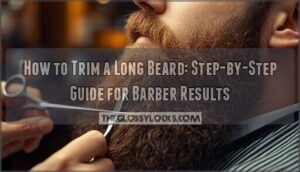
A long beard doesn’t trim itself into shape—it demands the same precision you’d expect from a master barber’s hands. Most men with length past their chin make the same mistake: they treat their beard like hedge clippers treat a bush, hacking away without a plan.
The result? Uneven patches, a scraggly neckline, and months of growth wasted in minutes. The difference between a distinguished beard and an unkempt mess comes down to technique, not luck.
You don’t need a barber’s chair to get barber-quality results. With the right tools and a systematic approach to how to trim a long beard, you can shape your growth into something that commands respect instead of concern.
Table Of Contents
- Key Takeaways
- Essential Tools for Trimming a Long Beard
- Prepping Your Beard for a Trim
- Step-by-Step Guide to Trimming a Long Beard
- Tips for Shaping and Styling a Long Beard
- Maintaining a Healthy, Well-Groomed Beard
- Frequently Asked Questions (FAQs)
- How to trim a long scraggly beard?
- What tools do I need to trim a long beard?
- How often should I trim my long beard?
- How can I reduce the itchiness of my long beard?
- How can I style my long beard?
- How fast does a long beard grow monthly?
- Can diet and exercise improve beard growth?
- Does genetics affect how my beard grows?
- How do I braid or style decorative beards?
- Conclusion
Key Takeaways
- You need the right tools in your arsenal: a quality beard trimmer with adjustable guards, sharp barber-grade scissors for detail work, a wide-tooth comb for detangling, and conditioning products like beard oil and balm to maintain health between trims.
- Proper prep work separates amateurs from professionals—wash and condition your beard first, detangle thoroughly from ends to roots, decide on your exact desired length and shape before cutting, and set up your workspace with good lighting and organized tools.
- Follow a systematic trimming sequence: remove bulk with guarded passes working center outward, define clean cheek and neck lines using natural contours, refine the mustache and lip line with precision cuts, then blend sideburns and edges with graduated fading techniques.
- Maintenance demands consistency—trim every 3 to 6 weeks to control shape and split ends, apply beard oil daily to damp hair for moisture and health, and use strategic styling techniques like length variation and product layering to address patchy growth or uneven areas.
Essential Tools for Trimming a Long Beard
You can’t build a house without the right tools, and the same goes for trimming a long beard. Having quality equipment makes the difference between a clean, professional-looking trim and a patchy disaster.
If you’re new to beard maintenance, this guide on how to trim a big beard walks you through the essential techniques and tools you’ll need.
Quality tools make the difference between a professional-looking beard trim and a patchy disaster
Let’s break down exactly what you need in your arsenal.
Choosing The Right Beard Trimmer
Your beard trimmer sets the baseline for every long beard trimming session, so don’t settle for weak motor types or flimsy ergonomic design. A solid trimmer delivers consistent beard maintenance through precise trimmer settings and durable blade materials, while dependable battery life keeps you in control from start to finish.
For best overall performance and comfort, look for features like adjustments for precise trimming that accommodate various beard styles.
- Adjustable trimmer settings lock in exact lengths for repeatable beard trimming techniques across every session.
- Stainless steel or titanium blade materials cut smoothly through thick growth without tugging or overheating.
- Lithium-ion battery life powers 60 to 120 minutes of cordless trimming so you’re never chained to an outlet.
Scissors Vs. Trimmers: When to Use Each
Once your trimmer establishes a baseline length, you’ll reach for scissors to finish the job.
Trimmers deliver trimming speed and edge control across large surface areas, slicing through dense hair textures with sharp blade maintenance routines. Scissors give you cutting precision for delicate work—mustache curves, stray hairs, and natural transitions—where beard trimming techniques demand a steady hand over motor power.
Choosing between tools should be informed by key differences highlighted in this Trimmer vs. Scissors guide.
| Tool | Best For | Technique |
|---|---|---|
| Trimmer | Bulk removal, clean outlines | Quick passes with guide combs |
| Scissors | Detail work, feathered edges | Gradual snips for soft blends |
Must-Have Beard Combs and Brushes
Your toolkit isn’t complete without the right comb and brush. Beard comb materials like wood, carbon fiber, and metal each handle detangling techniques differently—wide tooth spacing prevents snagging in long growth, while narrow teeth define mustache edges.
A boar bristle beard brush distributes natural oils and trains hairs to lay flat. Proper beard brush maintenance keeps bristles effective for consistent beard care and beard trimming results.
Recommended Beard Oils and Balms
After detangling, proper conditioning separates good beards from great ones. Beard oil benefits include hydration and shine—jojoba and argan carrier oils make up 60 to 90 percent of most formulas.
Beard balm adds structure with shea butter and beeswax, perfect for taming flyaways. Match fragrance options and balm ingredients to your skin type for ideal beard health and beard maintenance between trims.
For longer beards that need both hold and hydration, choosing between beard balm and oil depends on your styling goals and beard length.
Prepping Your Beard for a Trim

You wouldn’t start cutting hair on a dirty head, and the same goes for your beard.
Proper prep work separates a decent trim from a professional-looking result.
Here’s how to set yourself up for success before you make the first cut.
Washing and Conditioning Your Beard
You can’t shape what you can’t see through grime and tangles. Start your beard care with warm water to open the cuticles, then work a small amount of beard wash across your chin, cheeks, and neckline.
Rinse until the water runs clear. Follow with conditioner for beard softening—leave it in for one to three minutes to restore moisture and improve manageability for your beard grooming routine.
Detangling and Combing Techniques
Work a wide-tooth beard comb through damp hair from ends to roots—this gentle styling method prevents breakage while clearing beard knots and hair tangles. Apply light beard oil for slip, then use detangling tips like vertical strokes to lift and separate.
Follow with a boar-bristle beard brush to smooth frizz. Spend two to five minutes on combing methods before you even think about beard scissors.
Deciding on Your Desired Length and Shape
Vision separates the guys who wing it from those who walk out looking sharp. Before you touch that beard trimming tool, measure your chin-to-nose distance and assess your face shape—oval faces handle most beard length options, while round faces need height through shorter sides.
Study your growth patterns, decide between 1.5 or 4 inches, then commit to a styling option:
- Natural fullness with soft edges
- Sculpted taper for definition
- Uniform long beard across the jaw
- Dramatic 3-to-5-inch statement piece
- Blended mustache with clean lip line
Setting Up Your Workspace
Your grooming station can make or break your trim. Set up proper Workspace Lighting with 500 to 1000 lumens to catch every stray hair, then organize your Trimmer and Scissors within arm’s reach on a stable 48-to-60-inch surface.
Wash your hands, wipe down tools with alcohol for Hygiene Practices, and adjust your chair height for an Ergonomic Setup that keeps your wrists steady during Barbering work.
Step-by-Step Guide to Trimming a Long Beard
Now that your beard is prepped and ready, it’s time to get down to business. The actual trimming process follows a specific sequence that prevents mistakes and delivers clean, professional results.
Let’s walk through each step so you can shape your long beard with confidence and precision.
Trimming The Bulk and Length

Start with a guard that removes bulk but keeps your silhouette intact. Trim across the jawline in one smooth pass, working center outward to avoid lopsided results.
This bulk reduction sets the foundation for length control and proper beard shaping. Recheck symmetry in the mirror after each pass—your long beard trimming technique depends on patience, not speed.
Defining The Cheek Line

Your cheek line definition determines whether your facial structure shines or hides—make it count.
Start at the outer eye corner and follow your natural contours toward the ear, using barber grade scissors to define your beard’s outline with precision.
This cheek line shaping creates beard symmetry and clean lines that frame your face. Trimming techniques here control how the world sees your beard shaping work.
Shaping The Neckline

Once your cheeks are locked in, the neckline foundation sets your beard’s foundation—get it wrong and the whole thing crumbles.
Position your neckline height one to two finger widths above your Adam’s apple for proper facial symmetry. This beard trimming move shapes how your jawline reads.
Use these shaping guidelines to nail beard edges that follow your skin contour:
- Mark the line before cutting to prevent uneven mistakes
- Trim straight across for clean, masculine definition
- Fade the edge with shorter guards for natural blending
- Check both sides in the mirror for symmetry
- Clean stray hairs with a precision trimmer for sharp finish
Refining The Mustache and Lip Line

Your mustache and lip line demand precision trimming to avoid that scraggly overhang into your mouth. Position your trimmer just above the upper lip and follow the natural curve with short vertical strokes for clean facial contouring.
This edge refining step separates pros from amateurs. Check symmetry, comb hairs down, then snip stray invaders with sharp scissors for crisp mustache styling definition.
Blending Sideburns and Edges

Sideburn blending connects your hair to your beard with a smooth taper from 1mm to 3mm guards. Follow your jawline’s natural curve—never cut straight across—and work with your growth pattern to avoid gaps.
Edge softening around the cheeks prevents that boxed look, while finishing touches with oil tame flyaways. Check both sides in good lighting for symmetry.
Tips for Shaping and Styling a Long Beard

You’ve cut your beard to the right length—now it’s time to turn that rough shape into something sharp. A great-looking long beard isn’t just about trimming evenly; it’s about creating clean lines, blending transitions, and working with what you’ve got.
Here’s how to polish your beard into a style that looks intentional, not accidental.
Achieving an Even Perimeter
An even perimeter separates a backyard hack job from barber-level beard trimming. Start by establishing Perimeter Symmetry—check both sides in natural light to catch uneven edges early.
Use Edge Precision techniques: trim from center outward on each cheek, maintaining steady passes. Focus on Cheekline Alignment and Neckline Consistency first, then perfect sideburns. Master these Blending Techniques for professional shaping results.
Fading and Blending for a Natural Look
A smooth fade transforms a ragged beard into professional work. Natural Transitions depend on guard progression and blade angle—not luck.
- Start with a longer guard (1–2mm above cheek area) and work down in 0.5mm steps for Flawless Edges
- Hold your trimmer at 15–20 degrees for subtle Beard Contouring
- Use light, feathered passes instead of one heavy cut
- Blend sideburns diagonally toward the mustache with circular motions
Addressing Uneven Growth or Patchiness
Patchiness reveals where follicle density varies most—cheeks and jawline usually lag behind. Don’t panic; smart Beard Trimming compensates for sparse zones.
| Strategy | Action | Result |
|---|---|---|
| Length Management | Keep longer on patchy areas | Creates fuller illusion |
| Product Layering | Apply tinted balm to sparse zones | Darkens lighter patches |
| Blending Technique | Rotate trimmer from dense to thin | Softens visible gaps |
Your Patchy Beard Care starts with Beard Density Boosters like daily oil, which hydrates follicles and aids Beard Growth. Blend from full areas toward Sparse Area Fixes using upward strokes—Uneven Trimming worsens contrast. Patience wins: expect visible improvement in four to eight weeks with consistent Facial Hair Maintenance and strategic Shaping.
Maintaining Popular Long Beard Styles
Each Popular Long Beard Style demands its own playbook. The Viking flows wild with minimum Beard Trimming—just clean edges every month. Hipster handlebar mustaches need daily wax and weekly scissor work. Long Goatees require precise chin shaping biweekly to preserve the rebellious drop.
- Viking: Natural flow, trim perimeter every 4 weeks, daily oil for untamed fullness
- Hipster: Sharp cheek lines, mustache wax daily, blend sideburns weekly for definition
- Long Goatee: Isolated chin focus, remove cheek growth, define point every 14 days
Maintaining a Healthy, Well-Groomed Beard

Getting the trim right is only half the battle. A long beard demands consistent care to stay healthy, shaped, and sharp-looking day after day.
Here’s how to build a maintenance routine that keeps your beard in top condition without turning it into a second job.
Daily and Weekly Beard Care Routines
Your beard care routine separates the legendary from the lackluster. Start with daily cleansing using lukewarm water and gentle beard shampoo, massaging for 15-30 seconds. Follow with oil application on damp hair—jojoba or argan work best.
Weekly conditioning treatments hydrate length while detangling methods using a wide-tooth comb prevent breakage. Check the skin beneath for dryness, applying beard balm as needed for complete beard grooming and maintenance.
Regular Trimming Schedule
Lock in your trimming frequency every 2 to 4 weeks to hold the line on shape and split ends. Track your growth rate weekly—most guys gain about half an inch per month—so you can dial in the perfect trimming cadence.
Adjust your hair trimming schedule with seasonal changes and lifestyle shifts, keeping length management tight. Regular trimming isn’t optional; it’s your beard maintenance routine backbone.
Best Practices for Beard Oil and Balm Application
Think of product application as feeding your beard from the roots out. Apply beard oil to damp hair after showering—3 to 6 drops for short beards, a full dropper for longer growth—massaging into skin first for beard oil benefits.
Warm beard balm between palms, then work through for hold. Daily maintenance routines demand consistency: brush after every application to distribute product and lock in moisture for long beard care.
Troubleshooting Common Long Beard Issues
Even with careful long beard care, problems arise. Beard dandruff signals dry skin beneath—apply lightweight oil daily and wash 2–3 times weekly for itch relief. Patchy growth improves with consistent grooming: comb hairs to cover thin spots and avoid over-trimming. Dry ends and split hairs demand immediate trimming and conditioning to prevent further damage during beard maintenance.
- Rinse with lukewarm water to reduce irritation
- Brush after oiling to distribute moisture evenly
- Keep nails short to minimize scratching
- Revisit shaping every 2–3 weeks for growth adjustments
Frequently Asked Questions (FAQs)
How to trim a long scraggly beard?
Start with a quality beard trimmer using guards to establish even length across your face.
Sharp scissors handle stray hairs, while a wide-tooth comb detangles.
Once your tools are ready, this step-by-step beard trimming guide walks you through shaping the beard to suit your unique face shape.
Define your neckline and cheek lines for clean edges.
What tools do I need to trim a long beard?
Assembling your barber arsenal is like prepping for surgery—each tool has its role.
You’ll need a beard trimmer with guards, barber grade scissors, a detangling comb, and a sturdy beard brush for precision work.
How often should I trim my long beard?
Trim every 3 to 6 weeks to maintain shape and control split ends.
In between trims, try tying or pinning back growing-out bangs to keep them looking neat while you wait for length.
Faster Growth Rate Factors push Trimming Intervals to 3 weeks, while slower beards stretch Maintenance Schedules to 8 weeks depending on Beard Length goals.
How can I reduce the itchiness of my long beard?
Wash your long beard daily with a gentle cleanser, then lock in skin hydration using beard oil with jojoba or argan.
These beard grooming essentials tackle itch prevention while supporting healthy beard maintenance and care.
How can I style my long beard?
Many bearded men think styling ends with trimming, but mastering beard texturing and facial hair shaping through specialized styling products, long braids, or strategic beard dyeing transforms your look into something uniquely yours.
How fast does a long beard grow monthly?
Your beard gains about half an inch per month on average. Genetics and hormone influence determine your actual growth rate.
Beard density and monthly progress vary widely between individuals.
Can diet and exercise improve beard growth?
Yes. Proper nutrition benefits follicles through protein supplements and vitamin intake.
Exercise routines boost hormone balance and testosterone, supporting facial hair development. Combined with beard growth tips, these habits improve your hair growth rate naturally.
Does genetics affect how my beard grows?
Absolutely. Genetic influence sets your beard density and growth patterns from the start.
Hormone levels, especially testosterone and DHT, interact with family traits you’ve inherited to shape how thick and fast your facial hair comes in.
How do I braid or style decorative beards?
Decorative beards come alive with braid patterns that showcase beard textures. Use braiding tools, styling products, and beard grooming techniques for facial framing.
Long beard styling transforms your look through strategic weaving and beard styling techniques.
Conclusion
A blade in the hands of a sculptor doesn’t just remove marble—it reveals the form hidden beneath. The same truth applies when you learn how to trim a long beard with intention.
Every deliberate cut brings you closer to the vision you’ve carried. The tools are simple. The technique is learnable.
What separates a commanding presence from wasted potential isn’t time or genetics—it’s the discipline to shape what you’ve grown into something worth keeping.