This site is supported by our readers. We may earn a commission, at no cost to you, if you purchase through links.
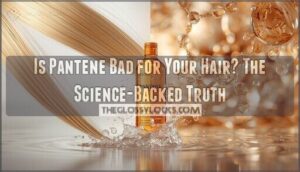
Pantene has been at the center of heated debates across beauty forums, with some users swearing their hair fell out in clumps while others call it their holy grail. The reality is more nuanced than either extreme suggests.
Most concerns about Pantene trace back to its ingredient list—sulfates that strip natural oils, silicones that coat each strand, and preservatives that raise eyebrows among clean beauty advocates. Your hair’s response depends largely on your specific hair type, scalp sensitivity, and how you use the product.
Understanding what’s actually in that familiar orange bottle, and how those ingredients interact with different hair textures, helps you make an informed choice rather than relying on internet horror stories or marketing promises.
Table Of Contents
- Key Takeaways
- Is Pantene Bad for Your Hair?
- Which Pantene Ingredients Raise Concerns?
- How Does Pantene Affect Different Hair Types?
- Can Pantene Cause Hair Damage or Loss?
- What Does Scientific Research Say About Pantene?
- Are There Safer Alternatives to Pantene?
- How to Choose The Best Shampoo for Your Hair?
- Frequently Asked Questions (FAQs)
- Conclusion
Key Takeaways
- Pantene’s sulfates and silicones work differently depending on your hair type—fine hair gets weighed down by buildup while curly hair loses moisture from aggressive stripping, so what ruins one person’s hair might work perfectly for another.
- The hair loss claims circulating online aren’t backed by any peer-reviewed studies; what people actually experience is breakage from dryness or temporary shedding from scalp irritation, both of which stop once you switch products.
- Sulfates strip your hair’s natural oils and disrupt your scalp barrier with measurable increases in water loss, while non-water-soluble silicones create a film that blocks moisture and flattens your hair over time without regular clarifying washes.
- Your best move is reading ingredient labels and watching how your specific hair responds rather than trusting internet horror stories, since factors like porosity, texture, and scalp sensitivity determine whether Pantene helps or harms your strands.
Is Pantene Bad for Your Hair?
You’ve probably heard conflicting opinions about Pantene—some people swear by it, while others claim it ruined their hair. The truth is more nuanced than a simple yes or no answer.
Let’s separate the myths from the science, look at what’s actually in the bottle, and figure out who might want to think twice before reaching for Pantene.
Addressing Common Myths and Claims
Why do so many people believe Pantene causes hair damage? The truth is, most claims stem from anecdotal complaints rather than controlled studies. Here’s what’s actually happening:
- Sulfate myths – They strip oils, but no more than other drugstore brands
- Silicone buildup – Causes greasy hair only without proper rinsing
- Hair-loss allegations – Debunked by consumer safety investigations
- Misconception spread – Social media amplifies unverified experiences
- 2021 benzene recall – Involved dry shampoos, unrelated to damage claims
Consumer behavior shifted toward “safer” alternatives based on these myths, not science. Understanding the hair care facts is essential to making informed decisions about hair products.
Overview of Pantene’s Ingredient Profile
Now that you’ve seen the myths debunked, let’s break down what’s actually in Pantene shampoo. The Pro-V Blend features Panthenol (0.1%–0.5%) with antioxidants that strengthen hair.
Surfactant Effects come from 8%–15% sodium laureth sulfate, which cleanses effectively. The shampoo also contains cocamidopropyl betaine, a surfactant derived from coconut oil.
Silicone Benefits appear through dimethicone (0.5%–2%), reducing frizz by 70%. Preservative Safety stays within regulatory limits, while Fragrance Impact remains minimal at 0.1%–0.5%.
Who is Most at Risk for Negative Effects?
While most people tolerate Pantene without issue, certain groups face higher risk. If you have sensitive scalps or pre-existing diseases like eczema or rosacea, sulfates and fragrances can trigger scalp irritation.
People with cosmetic allergies—particularly to preservatives like methylisothiazolinone—may experience reactions.
Frequent users with damaged hair may notice increased dryness, though direct links to hair loss or hair thinning remain unsupported by evidence.
Which Pantene Ingredients Raise Concerns?
Not all ingredients in Pantene are created equal, and a few have sparked legitimate questions about their long-term effects on your hair and scalp. Understanding which components raise red flags can help you make informed choices about whether Pantene fits your hair care routine.
Let’s break down the four main ingredients that tend to stir up concern among consumers and cosmetic chemists alike.
Sulfates and Their Impact on Hair
Sulfates like sodium lauryl sulfate and sodium laureth sulfate are the workhorses in Pantene shampoos—they create that satisfying lather and strip away oil and dirt. The problem? They’re powerful enough to disrupt your scalp’s natural barrier, leading to measurable dryness and irritation, especially with daily use.
- Cleansing strength comes at a cost: Lauryl sulfates remove sebum more effectively than gentler surfactants, but they also strip away protective lipids your hair needs.
- Scalp damage is real and measurable: Studies show sulfate exposure increases water loss through your scalp, signaling barrier disruption that can worsen with repeated washing.
- Hair dryness follows naturally: When sulfates remove your hair’s natural coating, strands become rough, static-prone, and prone to breakage—particularly if your hair is already chemically treated.
Not everyone reacts the same way. If you’re over 40 or male, research suggests you’re statistically more likely to experience sulfate irritation. People with rosacea, eczema, or sensitive skin should be especially cautious, since sulfates can aggravate existing inflammation.
That said, sulfate alternatives do exist, and many brands now offer milder surfactant blends that clean effectively without the harsh side effects.
Parabens and Potential Health Risks

Parabens in Pantene—methylparaben, propylparaben, and sometimes butylparaben—preserve your shampoo from microbial contamination, but they come with documented health concerns. Biomonitoring data show these chemicals appear in over 95% of U.S. adults’ urine, and research links paraben exposure to endocrine disruption, altered hormone levels, and potential reproductive toxicity.
While regulatory limits keep concentrations low in rinse-off products, cumulative exposure from multiple sources remains a key consideration if you’re minimizing long-term risk.
Silicones and Product Buildup

When you layer Pantene conditioner onto your strands day after day, non-water-soluble silicones—dimethicone, amodimethicone, dimethiconol—form a hydrophobic film that resists removal by mild shampoos. Over time, this buildup weighs hair down, blocks moisture penetration, and can flatten fine textures or blur curl definition.
Three signs you’re overdue for a clarifying wash:
- Limp, lifeless roots despite conditioning
- Dull surface and reduced shine
- Frizz or loss of natural curl pattern
Fragrances and Allergic Reactions

Among the top allergens in hair products, fragrance chemicals trigger contact dermatitis in 1% to 3% of the general population—and up to 14.8% of dermatology patients already struggling with skin irritation.
You might notice eczematous eruptions on your scalp, face, or neck within hours of shampooing.
If you have sensitive skin or preservative allergy, hypoallergenic shampoos offer safer relief.
How Does Pantene Affect Different Hair Types?
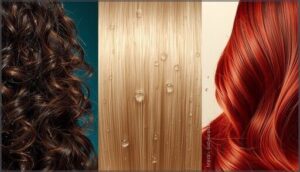
Not all hair reacts to Pantene the same way, and that’s where things get interesting. The sulfates, silicones, and other ingredients we’ve covered hit different hair types in very different ways.
Let’s break down how Pantene’s formula plays out for curly hair, fine strands, and color-treated locks.
Effects on Curly and Textured Hair
Curly hair faces unique challenges with Pantene’s formula. Your tightly coiled strands already struggle to distribute natural oils, and sulfates strip away what little moisture reaches the ends, leaving you with curl dryness and breakage.
- Co-washing with silicone-heavy conditioners traps buildup on your porous curls
- Fragrance sensitivity triggers scalp irritation in textured hair types
- Heavy silicone buildup weighs down your natural curl pattern
- Preservative safety remains regulated, but formulas weren’t designed for your hair texture
Impact on Fine and Thin Hair
Fine hair walks a tightrope with Pantene. Your strands carry roughly 50% less protein than thicker hair, making them collapse faster under silicone buildup from conditioners—even when you’re using their volumizing lines. Sulfates strip oils that flatten roots within hours, which explains why some users report initial volume before experiencing weighed-down hair.
User experiences vary: breakage complaints surface alongside positive reviews, though dermatologists note your fine hair shows damage more visibly than mechanical styling alone causes.
Considerations for Color-Treated Hair
Color-treating lifts your hair’s cuticle scales, leaving strands fragile and vulnerable to sulfate effects on hair that accelerate color fading by up to 40%. Pantene’s sulfates strip pigment molecules during cleansing, while parabens and fragrances can irritate already-compromised scalps.
Environmental exposure—UV rays, chlorine—compounds hair damage when combined with heat interaction from styling tools, creating a cycle of dryness and rapid color loss.
Can Pantene Cause Hair Damage or Loss?

You’ve probably heard people blame Pantene for everything from dry, brittle strands to actual hair loss. Some of these concerns have a kernel of truth, while others are blown way out of proportion.
Let’s break down what Pantene can actually do to your hair, separating the real risks from the internet myths.
Dryness, Brittleness, and Breakage
When sulfate stripping removes too much natural oil, your hair can turn dry and brittle, especially if you’re working with textured or chemically treated strands.
Silicone buildup from Pantene conditioners may weigh hair down over time, masking underlying damage and increasing hair breakage during styling.
That said, panthenol benefits in Pantene’s repair lines can improve flexibility and reduce snapping when you match the formula to your hair’s needs and wash frequency.
Scalp Irritation and Dandruff
Beyond the breakage itself, scalp dermatitis from shampoo allergens like cocamidopropyl betaine or methylisothiazolinone can trigger pruritus and flaking exacerbation that mimics dandruff. Pantene’s preservatives and fragrances use irritant mechanisms that sometimes provoke skin irritation—especially in vulnerable populations such as middle-aged women or those with atopic backgrounds—leading to chronic scalp discomfort even without visible lesions.
- Cocamidopropyl betaine in Pantene formulas accounted for nearly 6% of hair-care–product patch test reactions, causing scalp and periauricular dermatitis in sensitized users.
- Methylisothiazolinone preservatives together represented about 18% of positive reactions, often presenting as chronic scalp pruritus and persistent scaling.
- Fragrance allergens drove roughly 13% of scalp contact dermatitis cases, with symptoms that patients frequently mistake for treatment-resistant dandruff.
- Subclinical inflammation can produce itching and flaking without visible redness, so your scalp may feel irritated even when it looks normal.
- Women and atopic individuals face higher relative risk for these reactions, particularly after years of cumulative exposure to surfactants and fragrances in daily shampoos.
Evidence Behind Hair Loss Claims
Despite widespread consumer reports linking Pantene shampoo ingredients to hair loss, no peer-reviewed clinical trial data demonstrate direct causation.
No peer-reviewed studies prove Pantene causes hair loss, despite widespread consumer complaints linking its ingredients to shedding
Irritation and shedding can occur when severe scalp dermatitis triggers telogen effluvium—inflammation pushes hair follicles into a resting phase—but timelines and patterns show this secondary mechanism resolves within six months once you stop the irritant.
Scientific studies on hair care confirm that typical hair damage from Pantene involves breakage, not follicular destruction.
What Does Scientific Research Say About Pantene?

When you’re trying to figure out if Pantene is actually bad for your hair, the science matters more than rumors. The brand has funded research studies, cosmetic chemists have weighed in on the ingredient debates, and regulatory bodies set strict safety limits for what can go in your shampoo bottle.
Let’s look at what the actual research, expert opinions, and official guidelines tell us about Pantene’s safety and effectiveness.
Peer-Reviewed Studies on Pantene Products
When you dig into scientific research, you’ll find that formal, peer-reviewed studies specifically on Pantene products are limited.
A 2018 Saudi pharmaceutical study evaluated Pantene’s formulation analysis alongside other commercial shampoos, measuring pH stability, viscosity, and foam performance—all within acceptable cosmetic standards.
The research confirmed Pantene product safety through physicochemical testing, though it didn’t examine clinical outcomes like hair strength or long-term scalp health directly.
Expert Opinions on Key Ingredients
According to cosmetic chemist Erica Douglas, a shampoo’s efficacy isn’t determined by silicones alone—the entire formulation matters. Hairstylist Shab Caspara echoes this, noting that sulfate alternatives like cocamidopropyl betaine offer gentler cleansing without stripping hair.
On paraben safety, dermatologists report that allergic reactions in rinse-off products remain uncommon, though fragrance allergens still trigger scalp sensitivity in about 5–10% of patch-tested patients.
Regulatory Safety Guidelines
In the U.S., the FDA’s MoCRA requires cosmetic companies like Pantene to maintain safety substantiation data and register their facilities. The EU’s Cosmetics Regulation takes a different approach, banning over 1,600 substances and imposing strict limits on preservatives to minimize toxic chemical exposure.
California’s Safe Cosmetics Act strengthens regulatory compliance by mandating ingredient disclosure for reproductive toxicants and fragrance allergens above 0.01% in rinse-off products, further enhancing product safety frameworks.
Are There Safer Alternatives to Pantene?

If you’re looking to move away from Pantene or simply want to explore gentler options, there are plenty of formulations designed to reduce potential irritation and buildup.
The key is understanding which ingredient swaps actually matter for your hair and scalp health. Let’s look at some alternatives that address common concerns without sacrificing cleansing effectiveness.
Sulfate-Free and Paraben-Free Options
If you’re looking to skip sulfates and parabens, you’ve got options—even within Pantene itself. The brand’s “Free From” and Gold Series lines strip out these ingredients, replacing harsh sulfates with milder surfactants like sodium lauroyl methyl isethionate. Parabens get swapped for alternative preservatives that still keep your shampoo stable.
These formulas target dry or damaged hair, offering gentler cleansing without the protein loss tied to traditional sulfate shampoos.
Natural and Botanical-Based Shampoos
Botanical-based shampoos promise gentler hair care, but “natural” on a label isn’t a safety guarantee. Plant extracts like aloe vera, hibiscus, and coconut oil can condition hair and reduce protein loss in studies, but the FDA doesn’t legally define “natural” for cosmetics.
To navigate the organic market, look for these certifications:
- USDA Organic – requires 95% organic ingredients
- ECOCERT – sets natural-content thresholds
- NSF/ANSI 305 – verifies organic claims
- Non-irritant testing – reduces scalp irritation profiles
- Complete ingredient disclosure – helps you spot allergens
Remember, botanical doesn’t always mean risk-free. Some essential oils trigger contact dermatitis, and regulatory aspects leave manufacturers responsible for proving their formulas work. Choose based on your hair type and watch for reactions.
Recommendations for Sensitive Scalps
Your scalp pH sits naturally around 5.5, so matching that number matters more than you might think. If you deal with sensitive skin, here’s your starting point:
| Priority | What to Choose | Why It Works |
|---|---|---|
| Formula base | Sulfate-free, fragrance-free | Prevents drying in 60% of irritation cases |
| Washing rhythm | 5-6 times weekly with lukewarm water | Reduces flare-ups versus hot water |
| Safety check | Patch Testing (wait 72 hours) | Catches reactions before full application |
Pantene and similar drugstore brands can trigger buildup and inflammation, especially on sensitive skin. Look for gentle ingredients like oat milk or coconut oil in your shampoo ingredient analysis, and always match products to your hair type product recommendations—your scalp will thank you.
How to Choose The Best Shampoo for Your Hair?
Choosing the right shampoo isn’t about fancy marketing claims, it’s about understanding what your hair actually needs and how ingredients interact with your specific hair type. The key is matching the formulation to your hair’s characteristics while avoiding unnecessary buildup that can weigh it down or irritate your scalp.
Here’s what you need to know to make a smart choice.
Matching Shampoo to Hair Type and Needs
You wouldn’t wear the same shoes for hiking and formal events—your hair deserves the same targeted approach. Matching shampoo to your specific hair type and scalp condition is the cornerstone of effective hair care product selection.
- Oily hair? More than a quarter of men prioritize shampoos that manage sebum, so look for clarifying formulas with zinc pyrithione or salicylic acid for individual formulation success.
- Hair fall concerns? Nearly half of women select shampoos specifically to address thinning, making biotin-enriched or fortifying targeted solutions worth exploring.
- Sensitive scalp? One in five women with scalp sensitivity choose specialized gentle formulas, highlighting the importance of ingredient sensitivity in hair type product recommendations.
Your scalp’s tolerance and hair’s texture—not marketing claims—should drive your choice for hair type and product effectiveness.
Tips to Minimize Product Buildup
Even with the right shampoo, product buildup sneaks up on you. Use a clarifying shampoo every 1–2 weeks to dissolve silicone hair effects and styling products that regular washing misses.
Adjust your wash schedule based on your scalp’s oiliness, limit heavy styling products at the roots, and clean your brushes weekly—tool hygiene matters more than you’d think for product build up prevention.
Frequently Asked Questions (FAQs)
How often should I wash my hair with Pantene?
Your washing frequency depends on your hair type and scalp condition. Fine hair usually needs washing every other day, while curly or thick hair thrives when washed every 2-3 days to retain natural oils.
Can Pantene help with split ends repair?
Think of split ends like frayed rope—you can’t truly re-weave the fibers. Pantene’s Pro-V sealants temporarily smooth and bond damaged ends, reducing breakage while delivering cosmetic repair, but trimming remains essential for genuine split ends removal.
Does Pantene work for oily scalp conditions?
Pantene shampoos with sodium laureth sulfate effectively lift excess sebum from oily scalps, with 77% of users reporting a refreshed feel.
Cleansing agent efficacy balances oil removal without over-stripping, making weekly clarifying treatments ideal for managing greasy roots.
Whats the difference between Pantene Pro-V lines?
Pro-V technology powers Pantene’s portfolio, yet product effectiveness varies by formulation focus.
Moisture lines prioritize hydration, volume formulas lift fine hair types, curl definition products accentuate wave patterns, and color protection conditioners preserve dye vibrancy.
Should I rotate Pantene with other shampoos?
Yes, you should rotate Pantene with other shampoos every 1-2 weeks to prevent buildup, maintain scalp health, and guarantee effectiveness.
Alternating between formulas provides ingredient diversity while addressing your hair’s changing needs throughout the year.
Conclusion
Your hair’s reaction to Pantene isn’t random—it’s chemistry meeting biology. Whether you experience breakage or bounce depends on your unique hair structure, porosity, and scalp sensitivity interacting with sulfates and silicones.
The question “is Pantene bad for your hair“ has no universal answer because hair responds differently across textures and conditions.
Read ingredient labels, monitor how your strands behave after each wash, and adjust accordingly. Your hair will tell you everything you need to know.
- https://pmc.ncbi.nlm.nih.gov/articles/PMC12240587/
- https://english.factcrescendo.com/2025/05/02/does-pantene-only-coat-hair-with-silicones-and-provide-no-real-nourishment/
- https://pantene.com/en-us/articles/is-pantene-good-for-your-hair
- https://www.tiktok.com/@labmuffinbeautyscience/video/7574959819237362952
- https://www.instagram.com/sisterscientist/?hl=en