This site is supported by our readers. We may earn a commission, at no cost to you, if you purchase through links. This content is for general informational and educational purposes only and is not a substitute for professional medical, dermatological, or nutritional advice.

The morning after your first microneedling session, you glance in the mirror and stop. Your face is red, tight, slightly swollen—and nothing your provider said quite prepared you for how alarming it looks. That reaction is completely normal. But knowing where normal ends and something serious begins? That’s where most people have no idea.
Microneedling side effects range from predictable, short-lived irritation to rare but genuine medical risks—and the difference matters. A little redness fades. An infection doesn’t fix itself. Tram-track scarring from improper technique affects roughly 1 in 10 roller treatments, a number most clinics won’t volunteer before you book.
What follows is an honest, clinically grounded breakdown of what your skin is actually going through—and what deserves your attention.
Table Of Contents
- Key Takeaways
- What Are Microneedling Side Effects?
- How Long Do Side Effects Last?
- What Microneedling Risks Are Serious?
- Is At-Home Microneedling Safe?
- How Can You Reduce Side Effects?
- Frequently Asked Questions (FAQs)
- Is microneedling 100% safe?
- What happens if you stop microneedling?
- What is microneedling?
- What are the pros and cons of microneedling?
- How much does microneedling cost?
- Who makes a good candidate?
- What does microneedling do for your skin?
- What happens during a microneedling treatment?
- How often should you do microneedling?
- How long does microneedling take to heal?
- Conclusion
Key Takeaways
- Redness, swelling, tightness, and peeling after microneedling are normal biological responses, but spreading redness, pus, fever, or worsening pain signal a real infection that won’t resolve on its own.
- Tram-track scarring affects roughly 1 in 10 roller treatments, and post-inflammatory hyperpigmentation accounts for nearly 1 in 5 RF microneedling complications—risks most providers don’t volunteer upfront.
- At-home microneedling carries serious risks—uneven needle pressure, bacterial contamination, and incorrect depth—that clinical settings prevent through sterile protocols, single-use cartridges, and trained technique.
- Skin needs 4 to 6 weeks between sessions to fully rebuild its barrier; rushing treatments doesn’t accelerate results—it compounds irritation and can delay healing indefinitely.
What Are Microneedling Side Effects?

Microneedling works by creating controlled micro-injuries in the skin, and your body’s response to that process is predictable and well-documented. Most people experience a cluster of short-lived reactions in the hours and days that follow. Here’s what you can usually expect after treatment.
These reactions are part of a broader skin renewal process, detailed thoroughly in this guide on anti-aging microneedling benefits for women.
Redness and Irritation
Redness is your skin’s immediate signal that healing has started. Micro-injuries trigger increased blood flow, creating warmth and visible flushing—often most intense on the cheeks.
Five redness triggers to know:
- Inflammatory heat response
- Barrier disruption
- Sun and heat exposure
- Hot showers
- Strong skincare actives
Expect flushing to settle within 12 hours to five days. It is important to distinguish this from common skin conditions that may require different care.
Swelling and Puffiness
Close behind the flush comes the puff. Microneedling triggers inflammatory fluid buildup by increasing vascular permeability, pushing fluid into interstitial spaces beneath your skin.
Periorbital edema—swelling around the eyes—is especially noticeable because that tissue is looser. Peak puffiness usually arrives within the first 12 hours. Your downtime window is short; most swelling clears within a few days.
Tightness and Itching
Once the swelling settles, a different discomfort takes over. Skin tightness happens because microneedling disrupts your barrier, triggering water loss and reducing surface hydration.
Itching follows a similar path—nerve irritation and histamine release from the inflammatory response fire itch signals you can’t ignore.
Three things that make it worse:
- Heat and hot showers
- Friction from towels
- Dry, barrier-compromised skin
Peeling and Flaking
Tightness fades, then the skin starts to shed.
Barrier disruption from micro-injuries forces your epidermis to reorganize damaged surface cells, releasing dry flakes as new skin forms underneath. Hot showers, dry indoor air, and stripping cleansers all accelerate moisture loss, making peeling more visible.
| Trigger | Effect on Skin | Recommended Action |
|---|---|---|
| Dry indoor air | Worsens surface flaking | Use a humidifier nearby |
| Hot water exposure | Strips barrier moisture | Switch to lukewarm water |
| Retinoids post-treatment | Intensifies shedding visibly | Avoid until fully healed |
| Oil-stripping cleansers | Removes protective lipids | Use a gentle, fragrance-free wash |
| Rubbing or friction | Tears newly forming cells | Pat dry only |
Fine flaking is normal. Large, uneven patches aren’t.
If persistent irritation accompanies the flaking, you may be dealing with something more serious — shaving with a dull blade can trigger razor burn, ingrown hairs, and micro-cut infections that worsen skin texture over time.
Minor Bleeding or Bruising
Seeing small blood spots on your skin mid-treatment is startling — but it’s expected. Each needle creates a microinjury to capillaries, triggering a controlled wound healing response. Those pinpoint bleeds follow needle tracks, not broad patches.
Bruising may shift from red to purple, then yellow as your body clears leaked blood. Skin tone affects visibility a lot, so darker skin may show less obvious discoloration.
How Long Do Side Effects Last?

The good news is that most of what you’re feeling right now is temporary. Your skin is working through a predictable sequence of changes, and knowing where you are in that timeline makes all the difference. Here’s what to expect at each stage of recovery.
First 24 Hours
The first 24 hours after microneedling are your skin’s most reactive window. Your wound healing response kicks in immediately, triggering redness, warmth, and mild swelling as inflammation peaks.
- Managing immediate redness means avoiding heat and friction
- Soothing skin tightness starts with a gentle, fragrance-free moisturizer
- Minimizing post-treatment bruising requires skipping exercise
- Preventing skin irritation means leaving your skin barrier alone
Days Two to Five
By day two, skin inflammation quiets — but the wound healing process isn’t done.
| Day | Common Side Effects | Priority |
|---|---|---|
| 2–3 | Erythema fading, tightness | Hydration recovery |
| 3–4 | Peeling, itching begins | Gentle barrier repair |
| 4–5 | Texture changes, dryness | Monitor hyperpigmentation |
Managing skin peeling means leaving it alone. Your skin barrier is actively rebuilding — picking at flakes disrupts that repair and raises the risk of postinflammatory hyperpigmentation.
Normal Healing Timeline
Most skin recovers within five to seven days after microneedling. The inflammatory phase — redness, swelling, heat — usually resolves in the first 48 hours. After that, skin regeneration takes over: peeling fades, texture smooths, and sensitivity drops noticeably.
Think of it as a predictable relay. Each stage hands off to the next. Disrupting any phase with harsh products or picking delays the finish line.
Skin healing runs like a relay race — disrupt one stage with harsh products or picking, and the whole finish line shifts
Lingering Sensitivity
Some people expect sensitivity to vanish by day three. It doesn’t always cooperate.
Touch hypersensitivity can persist beyond the visible healing phase because micro-injuries affect nerve endings, not just the surface. Water triggers burning when your skin barrier remains partially compromised. Heat, wind, and exercise worsen it. Even fragrance-free sunscreen stings some people. Cool air, minimal product layering, and gentle handling keep lingering reactions manageable.
Delayed Skin Reactions
Not every reaction announces itself on day one. Some symptoms emerge later, as your skin works through its repair cycle:
- Redness that reappears or intensifies after heat, friction, or sun exposure
- Itching driven by barrier disruption and dryness as nerves recover
- Peeling that surfaces when damaged outer layers finally shed
Worsening redness — rather than gradual fading — is your cue to seek professional evaluation.
What Microneedling Risks Are Serious?
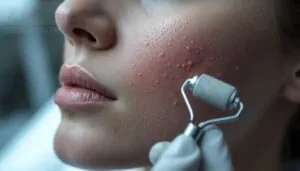
Most side effects from microneedling are temporary and manageable — but some reactions signal something more serious. Knowing the difference between normal healing and a genuine complication can protect your skin and your health. These are the risks that warrant real attention.
Infection Warning Signs
Not every reaction after microneedling is routine healing. When redness spreads beyond the treated area, grows hotter, or is joined by increasing localized pain that throbs rather than fades — that’s your body signaling something deeper.
Watch for pus or cloudy drainage, red streaking along the skin, fever, chills, or fatigue. These systemic illness symptoms mean the infection has moved beyond the surface. Seek medical evaluation promptly.
Burns From RF Devices
Radiofrequency microneedling adds heat to every puncture — and that’s where burn risk lives. When thermal energy concentrates at a single contact point, or electrode insulation fails mid-treatment, the surrounding tissue absorbs more heat than it can safely dissipate.
Electrical arcing and unintended current paths can push injury from superficial redness into genuine dermal damage — ranging from first-degree irritation to full-thickness burns requiring reconstructive care.
Scarring and Track Marks
Burns aren’t the only lasting damage microneedling can leave behind.
Tram-track scarring affects roughly 10.5% of roller treatments — linear puncture patterns that form when overlapping needle paths don’t heal evenly. Aggressive depth triggers abnormal collagen production, creating raised or atrophic texture changes rather than smooth repair. Cumulative tissue trauma between sessions, especially with wound disruption from picking scabs, compounds the risk a lot.
Hyperpigmentation and Discoloration
Scarring isn’t the only way microneedling leaves a visible mark.
Post-inflammatory hyperpigmentation accounts for roughly 18.3% of RF microneedling complications — your skin’s response to injury is simply more melanin.
Watch for:
- Brown or grayish patches on cheeks or forehead
- Melasma flares triggered by UV exposure post-treatment
- Deeper dermal pigment shifting toward bluish-gray tones
- Darker patches on melanin-rich skin tones
- Discoloration that outlasts any temporary redness by weeks
Sun exposure after treatment is particularly dangerous — stimulated melanocytes produce excess pigment rapidly.
Numbness or Facial Weakness
Needles that penetrate too deep can irritate facial nerve branches, leaving you with reduced sensation or asymmetric weakness — a drooping mouth corner, uneven smile, or slurred words.
These aren’t typical post-treatment quirks. Sudden facial numbness paired with arm weakness, vision changes, or severe headache signals stroke. Bell’s palsy can also mimic routine irritation. Either way, don’t wait. Seek emergency evaluation immediately.
Is At-Home Microneedling Safe?
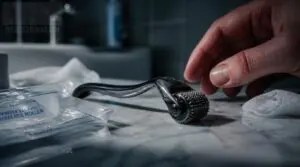
At-home microneedling kits are more accessible than ever, but accessibility doesn’t equal safety. Without clinical training, proper equipment, and sterilization protocols, the risks can quietly outweigh any potential benefit. Here’s what makes DIY microneedling genuinely dangerous.
Uneven Needle Pressure
At home, there’s no way to guarantee consistent needle penetration across every pass. Your hand grip tension shifts, your arm fatigues, and curved facial contours mean the same applied force produces different microtrauma depths between the cheeks and jawline.
Even slight device angle changes concentrate pressure unevenly across the array — setting the stage for patchy skin texture or worse, tram-track scarring.
Skin Dragging and Tearing
Pulling the device across your face without proper skin tautness creates mechanical shear forces that separate the outer epidermal layers from the dermis beneath. Microneedling already disrupts the Langerhans layer, leaving skin vulnerable — any dragging compounds damage through friction-induced tearing.
Dry or sensitized skin tears even more easily, since reduced elasticity means the surface can’t absorb traction without splitting.
Bacterial Contamination Risks
Every microchannel your device creates is an open door. Without sterile needle protocols, bacteria transfer directly into the dermis — bypassing your skin’s first line of defense entirely.
Dipping fingers into product jars after treatment contaminates the container. Unwashed pillowcases, shared tools, and unclean surfaces all introduce microbes onto compromised skin integrity. Active skin infections can spread fast when sterilization protocols aren’t followed precisely.
Incorrect Needle Depth
Depth isn’t just a device setting — it’s the difference between results and damage. Getting it wrong changes everything:
- Too shallow: patchy treatment results from weak dermal signaling efficacy
- Too deep: subcutaneous injury and tissue trauma
- Uneven pressure creates depth variability across zones
- Skin thickness affects how far needles actually travel
- Repeated depth errors risk tram-track scarring and skin integrity loss
Professional Device Safety
Professional-grade devices operate within a system of controls you simply can’t replicate at home. Clinics use sterile, single-use cartridges discarded after every session, perform needle alignment checks before treatment, and follow strict sharps disposal protocols.
That infrastructure — clean fields, maintained handpieces, evaluated equipment — is what separates a controlled clinical outcome from an unpredictable one.
How Can You Reduce Side Effects?
Reducing side effects comes down to a handful of deliberate choices — before, during, and after treatment. Most of the damage people experience is preventable with the right preparation and aftercare habits. Here’s what actually helps.
Choose a Qualified Provider
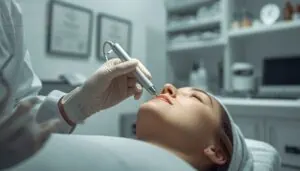
Who treats your skin is as critical as the treatment itself. Seek a board-certified dermatologist or licensed medical provider who can verify credentials, follows strict sterilization protocols, and adjusts device calibration based on your consultation findings.
Before booking, confirm:
- Credentials and licenses publicly listed
- Single-use or sterilized components used
- Written informed consent clearly documented
- Clear adverse event protocol in place
Avoid Active Ingredients

Your provider choice matters — so does what you apply afterward.
Microneedling temporarily increases skin permeability, letting ingredients penetrate far deeper than usual. Topical retinoids, alpha-hydroxy acids, and strong exfoliants can trigger burning and inflammation on healing skin.
| Avoid Post-Treatment | Why It’s Harmful |
|---|---|
| Retinoids | Increase stinging and irritation |
| AHAs/BHAs | Worsen redness, disrupt barrier |
Botanicals and fragrance compounds can provoke allergic contact reactions. Stick to fragrance-free, barrier-safe skincare only.
Use Barrier Repair Moisturizer
Avoiding harsh actives protects healing skin — but protection alone isn’t enough. Your skin also needs active rebuilding.
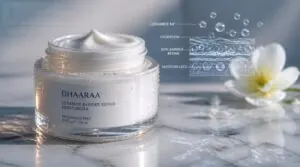
A barrier repair moisturizer works by replenishing ceramides, cholesterol, and fatty acids that microneedling temporarily disrupts. These physiological lipids reduce transepidermal water loss, while humectants draw moisture back into compromised layers. Choose a fragrance-free formula — occlusives seal, ceramides restore, and nothing irritates sensitized skin further.
Skip Makeup and Sun

Your skin’s micro-channels stay open for hours after treatment — foundation pushed into them creates friction, clogs follicles, and worsens inflammation. Skip makeup entirely until redness settles.
Sun is equally disruptive. UV exposure during healing raises your hyperpigmentation risk a lot, and SPF in makeup rarely applies evenly enough to protect reactive skin. Wear a hat. Stay in shade. Let skin close before going back outside.
Space Treatments Properly

Rushing back for another session too soon is one of the most common mistakes. Your skin needs 4 to 6 weeks between treatments — that interval isn’t arbitrary. It’s the minimum required for the barrier to fully rebuild.
Push sessions closer together and you risk cumulative irritation, prolonged redness, and a skin exhaustion cycle that actually delays results rather than accelerating them.
Frequently Asked Questions (FAQs)
Is microneedling 100% safe?
No procedure is 100% safe. Microneedling carries real, documented risks — from minor redness to serious complications like scarring or infection. Your individual health profile, device type, and provider skill all shape your outcome.
What happens if you stop microneedling?
Stopping microneedling doesn’t erase results overnight. Collagen built during treatment remains temporarily, but gradual remodelling slows without new sessions. Texture improvements and firmness quietly fade back toward your skin’s natural baseline over time.
What is microneedling?
Think of it as a controlled reset. Microneedling uses fine needles to create precise micro-injuries, triggering your skin’s natural repair response — ramping up collagen and elastin production to resurface and rejuvenate from within.
What are the pros and cons of microneedling?
Microneedling trades short-term discomfort for long-term skin renewal. Collagen induction therapy improves texture and tone, but redness, peeling, and pigmentation risks are real trade-offs your skin — and schedule — need to absorb.
How much does microneedling cost?
Like most things in aesthetic medicine, you get what you pay for. Professional microneedling in Germany usually runs 199 to 349 euros per session, though session package savings can reduce that cost a lot.
Who makes a good candidate?
Good candidates are healthy adults with realistic expectations and a specific skin concern — like acne scars or texture — who can commit to proper aftercare and choose a trained provider for treatment.
What does microneedling do for your skin?
Tiny needles pierce the skin in rapid, precise columns — triggering your body’s wound healing response. That controlled damage drives collagen and elastin production, gradually tightening, smoothing, and resurfacing skin from within.
What happens during a microneedling treatment?
A clinician cleanses your skin, then applies topical numbing cream for up to an hour. A sterile, pen-style device then creates controlled microchannels, triggering your skin’s natural repair response in about 30 minutes.
How often should you do microneedling?
Professional sessions run every 4 to 6 weeks. At-home devices with shallow needles allow every 1 to 2 weeks. Deeper treatments need longer gaps. Your skin’s recovery cycle, not your schedule, sets the pace.
How long does microneedling take to heal?
Most people heal within 3 to 7 days. Redness and swelling settle first, around day three, while peeling and sensitivity linger slightly longer. Deeper treatments can push recovery closer to ten days.
Conclusion
Thousands of people walk out of microneedling sessions completely unprepared for what follows. That gap between expectation and reality is where unnecessary panic—and genuine harm—both live.
Understanding microneedling side effects means knowing redness is biology, not betrayal. It means recognizing when tightness is healing and when pus is an emergency. Your skin is resilient, but it isn’t forgiving of neglect. Treat the recovery with the same seriousness you gave the treatment itself.
- https://www.dermatologytimes.com/view/fda-alerts-clinicians-to-serious-complications-with-radiofrequency-microneedling-devices
- https://rendoncenter.com/are-there-risks-associated-with-microneedling
- https://www.fda.gov/consumers/consumer-updates/microneedling-devices-getting-point-benefits-risks-and-safety