This site is supported by our readers. We may earn a commission, at no cost to you, if you purchase through links. This content is for general informational and educational purposes only and is not a substitute for professional medical, dermatological, or nutritional advice.
Most people treat their hair like a problem to solve rather than a system to understand. That single shift in thinking separates a routine that frustrates you from one that actually works.
Your curl pattern, porosity, and density aren’t just beauty trivia—they’re the blueprint your hair is already following, with or without you.
Natural hair care routines fail when they’re borrowed from someone else’s hair. What locks in moisture for coily, high-porosity strands can suffocate fine, low-porosity ones. The science behind your hair’s behavior is surprisingly specific—and once you know it, every product choice and technique starts making sense.
Table Of Contents
- Key Takeaways
- Natural Hair Care Basics
- Daily and Weekly Hair Care Practices
- Nourishing and Moisturizing Your Hair
- Detangling, Styling, and Hair Protection
- Supporting Healthy Hair Growth
- Frequently Asked Questions (FAQs)
- How do you treat Vata hair loss?
- What is a good hair care routine for natural hair?
- What should be a healthy hair care routine?
- What should I do to my natural hair daily?
- What is the best natural hair care routine?
- How can I take care of my natural hair naturally?
- How to take care of your hair naturally?
- What is the best routine for healthy hair?
- How can I prevent hair shrinkage naturally?
- What are effective remedies for scalp itchiness?
- Conclusion
Key Takeaways
- Your curl pattern, porosity, and density are the blueprint your hair already follows — learn them first, and every product choice starts to make sense.
- Borrowing someone else’s routine almost always backfires, because what locks in moisture for high-porosity hair can suffocate fine, low-porosity strands.
- Moisture isn’t just about adding water — sealing it in with the right oils and butters (matched to your porosity) is what actually keeps your hair hydrated between wash days.
- Healthy hair growth starts from the inside out, with protein intake, hydration, sleep, and scalp massage playing just as big a role as the products you apply.
Natural Hair Care Basics

Before anything else, you need to know what you’re working with. Your hair has its own personality — and understanding it’s the first step to treating it right.
Start by figuring out your hair type, then use that knowledge to choose the right styling products for your specific texture and needs.
the basics that every natural hair journey starts with.
Identifying Your Hair Type and Texture
Your hair’s behavior starts with one thing: knowing what you’re working with. Hair type comes down to your curl pattern — straight, wavy, curly, or coily — while hair texture management begins with strand thickness evaluation on individual strands, not just how your hair looks overall. Roll a single strand between your fingers. Fine, medium, or coarse? That tells you a lot.
For dry texture analysis, wash without products and let your hair air dry completely. Then compare it to a curl pattern chart to find your type. Don’t forget shrinkage assessment — curls often look shorter dry than wet. Run a hair elasticity test by gently stretching a strand. This simple process is your starting point for understanding hair type and porosity.
- Straight hair falls flat with no bends
- Wavy hair forms loose, flowing "S" curves
- Coily hair springs into tight zigzag coils
A quick hair density assessment can reveal how many strands you have per square inch.
Understanding Hair Porosity and Density
Now that you know your curl pattern and texture, let’s talk about two things that quietly run the show: hair porosity and density.
Porosity assessment comes down to cuticle architecture — how open or closed your cuticle layer is. Low porosity hair has tightly sealed cuticles that resist water. High porosity hair has lifted ones that absorb fast but lose moisture just as quickly. That absorption process explains why the same product works differently on different heads.
Strand density mapping — counting strands per square centimeter — affects product compatibility and volume. Together, they shape moisture balance and sealing practices that support real hair growth.
Why Choose a Natural Hair Care Routine
Porosity and density tell you how your hair behaves — but they don’t tell you what to feed it. That’s where a natural hair care routine changes everything.
Switching to plant-based ingredients gives your scalp a real break. Here’s what you actually gain:
- Gentle Ingredient Benefits — Aloe vera, coconut oil, and botanical extracts nourish without stripping your scalp’s natural oils.
- Reduced Product Buildup — Lighter, cleaner formulas rinse easily, so moisture retention actually improves between washes.
- Scalp Comfort Balance — Fewer harsh chemicals mean less irritation, supporting natural hair growth from a calmer foundation.
Routine Consistency is what makes it stick long-term.
Daily and Weekly Hair Care Practices
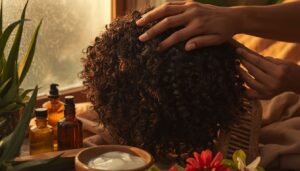
Getting your wash day rhythm right is half the battle with natural hair. Once you figure out the timing and technique that works for your hair, everything else starts to fall into place.
Here’s what you need to know to build a consistent weekly routine.
Start with the basics—like always finishing with a cold rinse, a tip covered in detail in this guide to locking in color with proper rinsing and conditioning.
How Often to Wash Natural Hair
Most natural hair thrives on a weekly wash — and that’s not a coincidence. Dermatologists recommend washing every 7–14 days to protect your scalp’s oil buildup balance and keep moisture intact. A low-maintenance weekly hair washing routine works well for most curl types.
| Your Situation | Wash Frequency |
|---|---|
| Balanced scalp, coily hair | Every 7–14 days |
| Active lifestyle, sweat management needed | Every 3–5 days |
| Protective style timing in place | Every 7–10 days |
| Product buildup reset required | Every 3–4 weeks (clarify) |
| Seasonal wash adjustments (summer heat) | Increase by 1–2 days |
Coarser textures** especially benefit from stretching washes — they preserve your natural oils without sacrificing scalp health.
Cleansing Techniques for Long, Straight Hair
Washing long, straight (type 1 straight) hair well starts with one smart habit: Scalp Sectioning. Split your hair into two to four parts before you even turn on the tap. This keeps tangles manageable and helps you actually reach your roots.
- Apply your sulfate-free shampoo or herbal cleanser between your palms first, then work it into the scalp only.
- Use Warm Water Temperature — around 35–38°C — for Low Pressure Rinsing that won’t strip your natural oils.
- Reset buildup every three to four weeks with an apple cider vinegar rinse or clarifying wash.
Shampoo Distribution matters. Let the lather do the work on your lengths — no scrubbing needed.
Using Dry Shampoo and Braiding Between Washes
Think of dry shampoo as your scalp’s reset button — not a replacement for washing, but a smart tool for stretching your low maintenance weekly hair washing routine. For Root Grip Enhancement, apply it before hair turns visibly oily. That timing makes all the difference.
- Target roots only for Scalp Oil Absorption without overloading lengths
- Allow product to sit, then brush out for Powder Residue Management
- Use the Braiding Refresh Technique to refresh part lines between wash days
- Follow Non‑Consecutive Application to avoid buildup, itching, or dandruff
- Combine with protective styles like knotless braids to support hair growth
Braids reduce daily friction and support Moisture retention and hair shine. Together, these habits keep your hair looking fresh without compromising scalp health.
Nourishing and Moisturizing Your Hair

Moisture is the foundation of healthy natural hair — without it, even the best routine falls flat.
Nourishing your hair goes beyond just adding water; it’s about keeping that hydration locked in and your scalp thriving.
Here’s what actually matters.
Benefits of Vegetable Oil Scalp Massage
A good scalp massage isn’t just relaxing — it’s doing real work under the surface. When you work vegetable oils into your scalp with your fingertips, you get a blood flow boost that delivers oxygen and nutrients directly to your hair follicles. That promotes stronger, healthier growth over time.
The oil also provides friction reduction, so your fingers glide instead of tug. You’ll notice anti-itch relief, better moisture retention, and real shine enhancement — all from one simple step in your natural hair routine.
This same oil-first principle is exactly why double cleansing your face works so well, letting oil dissolve oil before your regular cleanser finishes the job.
Choosing Oils for Growth and Shine
Not every oil pulls double duty — some are built for growth, others for shine. Matching oil viscosity to your hair’s needs is what separates a so-so routine from one that actually works.
Here’s how fatty acid benefits break down by oil type:
- Coconut oil — lauric acid penetrates the shaft to reduce protein loss and prevent breakage
- Jojoba oil — mirrors your scalp oil balance, making it ideal for lightweight daily use
- Olive oil — rich in oleic acid, it improves slip and deeply conditions thirsty strands
- Rosemary-infused carrier oil — promotes hair growth stimulation when used with carrier oil dilution to avoid irritation
Heat activation techniques — like warming oils between your palms — improve spreadability and absorption. Natural oils work best when you choose them with intention.
Moisturizing and Sealing Methods
Moisturizing and sealing go hand in hand — skip one, and your hair stays thirsty. Start with water prep: lightly dampen your hair, then apply a leave-in conditioner.
Follow up with a rich cream to lock in that moisture, then finish with a light oil — a technique that pairs beautifully with these twist-out styling tips for 4c hair when you’re ready to define your curls.
This is the foundation of the LOC Method — Liquid, Oil, Cream. The oil sealing step traps moisture in, and the butter seal locks everything down.
High porosity hair sealing technique calls for heavier butters; your low porosity hair moisture strategy needs lighter layers to avoid buildup.
Moisture balance and sealing practices, done consistently, can boost retention by up to 30%.
Cold Water Rinsing and Its Advantages
Cold water rinsing is the finishing step most people skip — and it’s costing them shine. Right after rinsing out your conditioner, a quick cold rinse works hard for your hair:
- Cuticle Smoothing – Flattens the outer layer for visible Shine Enhancement
- Hair Moisture Retention – Reduces water loss by 10–15%, locking in hydration
- Frizz Reduction – Lowers static charge up to 20% for smoother drying
- Scalp Cooling – Soothes irritation and helps color longevity for treated hair
Make it your natural haircare routine’s final move. Cold water rinse benefits are real — and simple.
Detangling, Styling, and Hair Protection
How handle your hair day to day makes a bigger difference than most people realize. The right tools and habits can cut breakage, tame frizz, and keep your strands strong over time.
Small tweaks to your routine—like choosing the right brush or sleeping on silk—can go a long way, and proven tips to prevent hair breakage can help you figure out exactly where to start.
Here’s what to focus on regarding detangling, styling, and protecting your hair.
Proper Detangling Tools and Techniques
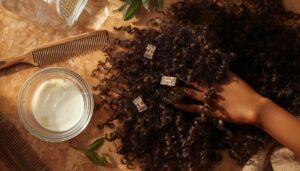
The right tools make all the difference when detangling natural hair.
A wide-tooth comb creates 30% less tensile stress than fine-tooth combs — your strands will thank you.
Pair it with a rubber-bristled brush for thick or coarse sections.
Always load hair with a slip-enhancing conditioner first, then work in upward gentle strokes from ends to roots.
Sectioned detangling — dividing hair into four parts — cuts tangles by 40%.
These detangling methods without causing breakage aren’t complicated; they just require the right approach.
Air Drying Vs. Blow Drying

How you dry your hair matters just as much as how you detangle it. Air drying feels gentle, but long wet time weakens the hair shaft — increasing your heat damage risk through swelling, not heat.
Surprisingly, blow drying at 47°C from 15 cm away causes less damage than letting hair air dry for hours.
Keep the dryer moving to maintain frizz control and moisture retention.
Use low heat drying techniques, apply a heat protectant, and finish with cool air for styling precision.
Protective Styles for Long Hair

Protective styling is your best tool for hair length retention. Loose braids, twists, and knotless updos reduce breakage by up to 35% — especially when worn four to eight weeks with a smart style rotation schedule.
Tension-free parting protects your edges, while scalp access techniques let you cleanse without removing the style. Pair your look with friction-reducing fabrics like satin at night, and your strands stay protected around the clock.
Minimizing Breakage and Frizz

Protective styling keeps your strands tucked away — but what you do on wash day matters just as much. Breakage and frizz both trace back to the same roots: moisture loss and mechanical stress.
Start with the microfiber drying technique. Squeeze gently, never rub. Then build your protein-moisture balance — alternating strengthening treatments with deep conditioner keeps strands flexible, not brittle.
Here’s your frizz control and breakage prevention toolkit:
- heat protectant sprays before any low-heat styling — they shield the cuticle from damage
- humidity barrier products on damp hair to lock moisture out of reach of humid air
- Detangle in small sections, ends first, using low manipulation methods to prevent snapping
Simple habits. Real results.
Supporting Healthy Hair Growth

Great hair doesn’t just come from what you put on it — it starts from the inside out. Your scalp health, daily habits, and even how well you sleep all play a bigger role than most people realize.
Here’s what actually moves the needle regarding long-term growth.
Scalp Health and Massage Benefits
Think of your scalp as the foundation everything else depends on. Regular scalp massage delivers a real blood flow boost to your follicles, helping carry oxygen and nutrients directly to the root.
This early coiling and shrinkage is completely normal, and understanding how long it takes for dreads to fully mature can help you stay patient through the process.
It also works on cortisol lowering, easing the stress hormones that quietly trigger shedding. While you massage, oils like rosemary aid follicle nourishment and scalp sebum balance.
You’ll notice dead skin loosening too, and that scalp tension relief makes styling sessions feel so much easier.
Diet, Hydration, and Sleep for Hair Health
what you eat and how you rest shape your hair from the inside out. Protein intake fuels keratin production — aim for protein at most meals. Iron absorption improves when you pair iron-rich foods with vitamin C. Omega-3 intake from salmon or flaxseed keeps your scalp hydrated and follicles strong. Water consumption matters too; staying hydrated prevents brittle, dull strands.
Sleep hygiene rounds it all out — consistent 7–9‑hour nights support overnight follicle repair and reduce shedding substantially.
Adapting Your Routine for Changing Hair Needs
Your hair isn’t static — it shifts with seasons, hormones, chemical services, and even your zip code’s humidity. That’s why seasonal moisture shifts demand honest reassessment every few months rather than blind loyalty to the same products.
Your hair evolves constantly, so your routine must evolve with it
- Seasonal hair care adjustments: Swap heavier butters for lightweight jojoba or grapeseed during humid months to prevent buildup and definition loss.
- Post-Color Porosity Management: Chemically processed strands lose moisture faster — rotate protein and hydrating masks weekly to restore tensile strength.
- Length-Based Detangling Frequency: Longer ends tangle and dry out sooner, so increase detangling sessions gradually as your hair grows.
- Scalp Sensitivity Monitoring: Watch for itching or flaking when switching products; humidity-driven product tweaks and chelating rinses monthly remove mineral buildup without stripping your scalp.
Frequently Asked Questions (FAQs)
How do you treat Vata hair loss?
Vata hair loss responds well to Warm Oil Therapy, gentle scalp massage, deep conditioning, and stress reduction practices.
Herbal Scalp Rinses and Aromatherapy Calm support moisture balance, while consistent Gentle Heat Conditioning and sealing keep strands strong.
What is a good hair care routine for natural hair?
Your hair’s type, porosity, and density shape everything — from how you cleanse to how you seal in moisture.
Know these first, and the right natural hair care routine practically builds itself.
What should be a healthy hair care routine?
Like roots before branches, your scalp sets the foundation.
A healthy hair care routine balances moisture balance and sealing practices, deep conditioning treatments, and scalp microbiome care—adjusted seasonally, so your hair grows strong from the inside out.
What should I do to my natural hair daily?
Your daily natural hair maintenance routine starts with a quick scalp oiliness assessment.
Section your hair, run fingers through each part, then finger-comb detangling any knots. Mist-dry ends with a moisture spray refresh, seal with lightweight oil, and finish with overnight silk protection.
What is the best natural hair care routine?
The best natural hair care routine is one that’s designed for your curl pattern, porosity management needs, and scalp microbiome health — balancing moisturizing and sealing, protective styling, seasonal adjustments, and ingredient transparency for lasting hair growth.
How can I take care of my natural hair naturally?
Your scalp is the foundation. A gentle scalp exfoliation clears buildup so oils and herbal rinses can actually reach your follicles.
Add a quick massage with coconut or jojoba oil to boost circulation naturally.
How to take care of your hair naturally?
Taking care of your hair naturally starts with knowing what it actually needs.
Use gentle cleansing, herbal rinses, DIY hair masks, and moisture balance and sealing practices to support real, lasting hair growth.
What is the best routine for healthy hair?
There’s no single perfect routine — but the right one starts with knowing your hair. Consistent cleansing, sealing moisture, and gentle handling build the foundation your strands actually need.
How can I prevent hair shrinkage naturally?
Shrinkage is natural, but you can manage it.
Use a glycerin humectant to draw in moisture, a honey moisture boost to keep curls elongated, and flaxseed gel stretch to hold shape as hair dries.
What are effective remedies for scalp itchiness?
An itchy scalp usually signals dryness, dandruff, or product buildup.
Anti-dandruff shampoos with ketoconazole or zinc pyrithione calm flaking fast.
Aloe soothing gel, tea tree oil, and herbal rinses ease irritation naturally.
Scalp massage and oil benefits circulation too.
Conclusion
Think about every stylist, influencer, or friend whose routine you’ve tried—and why it never quite worked. The truth is, no one’s hair behaves exactly like yours.
Your natural hair care routines only click when they’re built around specific porosity, density, and curl pattern. Once you stop borrowing someone else’s blueprint and start reading your own hair’s signals, growth and health stop feeling like luck. They become the natural result.