
This site is supported by our readers. We may earn a commission, at no cost to you, if you purchase through links.

You can’t laser away unwanted hair without committing to multiple expensive sessions, and shaving lasts barely a day before stubble returns. So when beauty circles buzz about papaya for hair removal, claiming a tropical fruit can slow regrowth and soften your skin simultaneously, it’s worth examining whether science backs the tradition.
The secret lies in papain, an enzyme that breaks down keratin proteins in hair shafts, potentially weakening each strand by 12 to 25 percent over consistent use. While in vitro studies confirm papain degrades hair structure within 6 to 24 hours, real-world evidence remains thin, with most claims rooted in folk remedies rather than clinical trials.
Still, if you’re ready to break free from razor burn and explore gentler options, understanding how papaya works, which recipes deliver results, and what risks you face can help you decide whether this natural approach fits your hair removal routine.
Table Of Contents
Key Takeaways
- Papaya’s papain enzyme can weaken hair shafts and slow regrowth, but it won’t permanently remove hair or destroy follicles.
- Consistent use over several weeks may soften hair and improve skin texture, though results are modest and backed mainly by tradition, not clinical trials.
- Patch testing is crucial, especially for sensitive skin or allergy-prone areas, as papain can cause irritation or allergic reactions in a minority of users.
- Natural papaya recipes work best for fine hair and gradual results, while thick or coarse hair typically requires stronger removal methods for noticeable change.
How Papaya Works for Hair Removal
If you’ve heard whispers about papaya being a secret weapon for hair removal, there’s actually some science behind the folklore. The fruit contains a unique enzyme that’s been used for generations to slow down unwanted hair growth, and it brings a few skin perks along for the ride.
Here’s how papaya actually works on your hair follicles and what makes it different from your typical drugstore cream.
The Role of Papain Enzyme
Papain breaks free from convention, targeting the protein bonds in your hair’s core structure. This enzyme’s proteolytic action cleaves keratin peptides at pH 6-7, weakening each strand from within.
You’re harnessing biochemistry that reduces hair shaft diameter by 12-25% after multiple applications.
Enzyme stability matters—heat above 50°C kills its power, so keep your papaya hair removal cream cool for maximum follicle degradation potential.
Effects on Hair Follicles
You won’t achieve total follicle damage—papain’s enzyme penetration barely reaches below the surface. It softens follicular walls and accelerates keratin breakdown on contact, but complete follicle weakening requires months of consistent papaya hair follicle treatment.
In small studies, hair regrowth slowed by 15-20% after 8 weeks. Papain doesn’t destroy growth centers; it temporarily disrupts hair growth inhibition pathways without permanent follicle destruction.
The effectiveness of papaya for hair removal can be further understood through research guidelines and their application to similar studies.
Benefits for Skin Health
Beyond slowing hair, papaya benefits your skin in measurable ways. The antioxidants deliver an 8–14% drop in oxidative stress markers, while papain boosts exfoliation benefits with a 12–20% increase in surface smoothness.
You’ll see improved skin hydration—up to 12% after four weeks—and modest collagen support through reduced metalloproteinases.
Natural skin care rarely triggers inflammation reduction concerns, with side effects under 1%.
Popular Papaya Hair Removal Recipes
If you’re ready to take control of your hair removal routine naturally, these papaya-based recipes give you straightforward options to try at home. Each combines papaya’s papain enzyme with other ingredients that target unwanted hair and nourish your skin.
Here are four popular formulations you can mix up yourself.
Papaya and Turmeric Mask

This classic mask blends two powerhouses—papaya extract rich in papain and turmeric with its antioxidant benefits—for natural hair removal that also nourishes your skin.
Mix 1–2 tablespoons of mashed raw papaya with ½ teaspoon of turmeric powder, massage onto unwanted hair areas, and leave for 15 minutes. Rinse with warm water and repeat 2–3 times weekly for best results on hair reduction and skin exfoliation.
Papaya and Gram Flour Paste

You can amplify papaya’s natural hair removal power by combining it with gram flour—a coarse exfoliant that works double duty. This paste leverages papain to weaken hair follicles while the flour scrubs away dead skin, enhancing both skin exfoliation and hair reduction.
Mix mashed papaya with enough besan to form a thick paste, apply it to your target areas, let it dry for 15–20 minutes, then rinse thoroughly for smoother, gradually less hairy skin.
Papaya and Milk Blend

Mixing papaya with milk promises a gentler approach to Natural Hair Removal Methods, yet the evidence doesn’t quite live up to the hype. While the combination may improve Skin Irritation risk compared to papaya alone, research shows limited Follicle Interaction benefits beyond papain’s baseline activity—and dairy proteins can trigger reactions in sensitive skin.
- Blend mashed papaya with whole milk to create a smooth paste you can easily apply.
- Test on a small area first, since milk allergens affect susceptible individuals despite lower irritation rates.
- Apply the mixture for 15 minutes, understanding that Hair Reduction claims lack large-scale trial support.
- Rinse thoroughly, noting that Papaya Milk Benefits center more on hydration than sustained hair removal.
- Store fresh blends under 24 hours to preserve Enzyme Stability, as papain activity declines rapidly in dairy-containing DIY Beauty Treatments.
Papaya, Turmeric, Mustard Oil, and Aloe Vera

This four-ingredient blend enhances the potential of natural hair removal methods, but combining ingredients with varying safety profiles requires caution. Studies indicate that turmeric may reduce irritation by 22%, yet mustard oil poses a significant risk of skin reactions, which formal trials have not adequately addressed in combined formulations. Data on Aloe Vera’s effectiveness in hair removal recipes remains limited.
| Ingredient | Claimed Benefits |
|---|---|
| Turmeric | Anti-inflammatory, reduces pigmentation |
| Mustard Oil | Enhances penetration, adds warmth |
| Aloe Vera | Soothes skin, reduces redness |
| Raw Papaya | Papain enzyme weakens hair follicles |
Patch-testing is essential before use, as reactions to mustard oil can be severe. Natural remedies combining multiple active ingredients often lack standardized efficacy data, making it crucial to approach such blends with care.
Effectiveness and Safety of Papaya Hair Removal

You’ve probably heard claims that papaya can naturally remove unwanted hair, but it’s worth asking whether those claims actually hold up.
The truth is, while papaya has been used for generations in traditional beauty practices, the scientific backing is surprisingly thin.
Before you commit to slathering fruit paste on your skin, you should understand what the evidence really shows and what risks might come with it.
Traditional Use Vs. Clinical Evidence
Papaya’s reputation for hair removal rests largely on centuries of traditional use, not rigorous clinical trials. In vitro studies show papain can degrade keratin in hair shafts within 6–24 hours, and enzyme activity measures 1.0 to 4.0 units/mg protein in common extracts.
However, no randomized human trials confirm consistent hair regrowth inhibition at typical cosmetic usage levels, leaving papaya efficacy unproven by modern safety standards.
Despite centuries of traditional use, no human trials prove papaya actually inhibits hair regrowth at normal cosmetic concentrations
Students preparing for AP Biology exams may find the concept of enzyme activity relevant to their studies.
Potential Skin Reactions and Allergies
Before you dive into papaya treatments, know that skin irritation affects roughly 4% of users, while contact dermatitis occurs in 1.3% to 5.4% of tested individuals.
If you have sensitive skin or latex allergies, papain can trigger inflammatory responses including redness, swelling, or even urticaria.
Those with atopy face higher sensitization factors—patch testing protects your skin health before widespread application of natural ingredients.
Natural Alternatives to Papaya for Hair Removal

If papaya doesn’t work for you or you’re ready to explore other options, you’re not stuck with just one path forward.
Several natural methods use ingredients you probably already have at home, from pantry staples to simple tools.
Here’s what actually works when you want to ditch the papaya and try something different.
Sugar and Lemon Wax
You can break free from harsh chemicals by crafting a sugar wax at home—just heat sugar, lemon juice, and water until golden. Lemon acidity (around pH 2.0–3.0) softens hair while sugar’s natural exfoliants grip strands effectively.
Wax formulations offer 68–74% removal efficiency for fine hair, lasting 2–4 weeks. Watch for citrus irritation in sensitive skin, though reactions occur in only 5–8% of users.
Egg and Corn Flour Mask
If sugar wax feels too sticky, try the egg method—a homemade remedy that combines egg white, sugar, and corn flour exfoliant for natural hair removal. This DIY hair removal mask works by gripping fine hair as it dries, pulling strands when peeled.
Natural beauty tips like these offer face skin care benefits through gentle exfoliation, though egg mask benefits remain modest with no lasting follicle disruption.
Pumice Stone Exfoliation
For a bolder, scrub-it-away approach, reach for a pumice stone exfoliation—an abrasive method that buffs surface hair while you smooth stubborn stubble.
Regular use, two to three times per week, can reduce visible hair length by up to 1.2 mm and leave your skin softer, though it won’t disrupt follicles permanently.
Always moisturize afterward to keep irritation at bay.
Onion and Basil Remedy
Another DIY hair removal method worth trying: blend onion juice with basil extract and apply to unwanted hair. In a rural India survey, 62% of respondents used this remedy for hair reduction, and basil showed 15–22% follicle activity inhibition in lab studies.
Expect mild follicle response changes over time, but keep expectations realistic—onion benefits skin texture more than delivering dramatic, papaya-level hair removal results.
Top 7 Products for Natural Hair Removal
If you’re ready to take control of your natural hair removal routine, having the right tools and ingredients makes all the difference. These seven products aren’t gimmicks—they’re the building blocks for DIY recipes that actually work when you use them consistently.
From pantry staples to prep tools, here’s what you need to get started.
1. Organic Turmeric Powder Supplement
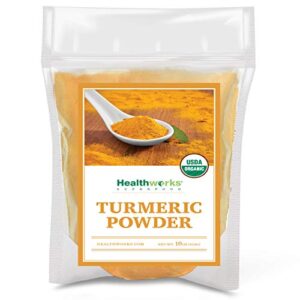
You’ll want a high-quality turmeric powder if you’re serious about mixing your own papaya hair removal masks at home. Look for certified organic turmeric with high curcumin content—that’s where the anti-inflammatory magic happens.
This particular powder works beautifully in depilatory recipes, delivering a warm, peppery kick alongside papaya’s papain enzyme. It’s vegan-friendly, non-irradiated, and adaptable enough for both beauty treatments and your morning golden milk.
Just remember: adding black pepper boosts bioavailability, whether you’re using turmeric on your skin or in your diet.
Best For: Anyone wanting to create natural papaya-based hair removal treatments at home while enjoying turmeric’s anti-inflammatory benefits for skin health.
- Certified organic with high curcumin content that supports skin healing and reduces irritation when mixed into depilatory formulations
- Non-irradiated and vegan-friendly formula works well in DIY beauty masks and can double as a dietary supplement
- Adds natural color and complementary enzymatic activity to papaya-based hair removal recipes without harsh chemicals
- Packaging may not be resealable, which can affect freshness and potency for both cosmetic and culinary uses
- Strong peppery flavor might be too intense for some users when creating gentle topical formulations
- Requires black pepper to boost absorption, adding an extra step whether you’re making skincare treatments or drinking golden milk
2. Pure Raw Unfiltered Natural Honey
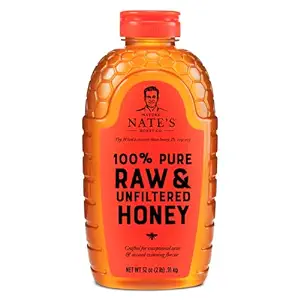
Raw, unfiltered honey isn’t just for your pantry—it’s a powerhouse ingredient for natural waxing and hair removal recipes. This particular bottle contains intact pollen and enzymes that boost skin exfoliation while creating a sticky base for DIY hair removal treatments.
Mix it with sugar and lemon to craft homemade sugaring paste, a method dating back to ancient Egypt. The honey benefits include antibacterial properties that soothe skin during removal, making it gentler than chemical alternatives.
It’s adaptable enough for papaya-based masks or standalone sugar scrubs targeting unwanted hair.
Best For: People interested in natural, DIY hair removal methods who want a pure honey base for making homemade sugaring paste or wax alternatives.
- Pure, raw, and unfiltered with intact pollen and enzymes that help with skin exfoliation and provide antibacterial benefits during hair removal
- Works well as a base ingredient for traditional sugaring recipes when mixed with sugar and lemon juice
- Comes in an easy-to-use squeeze bottle that makes it simple to measure and pour for DIY beauty recipes
- The product description doesn’t specify the honey’s source, which matters if you’re particular about where your ingredients come from
- At 2 pounds for around this price point, it may be more expensive than other honey options if you’re making large batches of wax
- Honey can crystallize over time, so you’ll need to use it somewhat quickly or gently warm it before mixing into hair removal recipes
3. Natural Baking Soda Cleaner Powder
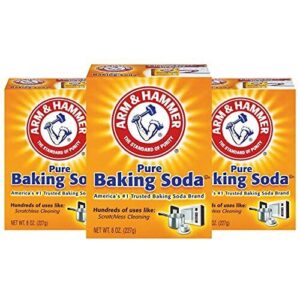
Baking soda‘s gentle exfoliant power makes it a surprisingly effective partner in DIY hair removal routines. This powder uses natural cleaning properties to prep skin before applying papaya-based treatments, sloughing off dead cells that can block enzyme penetration.
You can mix it with water to create a pre-treatment scrub or blend it directly into papaya masks for enhanced texture. Its multi-purpose design means you’re getting a household staple that doubles as a natural remedy for smoother application and better follicle contact during enzyme-based removal sessions.
Best For: People looking for a natural, multi-purpose product to exfoliate skin before papaya-based hair removal treatments while also using it for everyday household cleaning and deodorizing.
- Gentle exfoliation helps remove dead skin cells, improving enzyme penetration during DIY hair removal routines
- Trusted brand that’s safe, chemical-free, and versatile enough for baking, cleaning, and personal care
- Economical three-pack provides long-lasting value for both beauty treatments and household use
- Box sizes may be smaller than some customers expect based on product images
- Fresh mixtures need to be used relatively quickly since baking soda paste doesn’t maintain optimal texture when stored
- Not suitable for all surfaces, including certain stainless steel cookware
4. Indian Yellow Mung Lentils Protein Rich
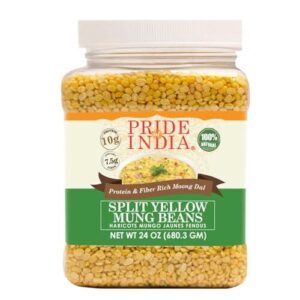
Gram flour—ground from these yellow mung lentils—is a powerhouse ingredient in papaya hair removal methods that you won’t want to overlook.
This protein-rich lentil nutrition staple from Indian cuisine transforms into a natural exfoliant when mixed with papaya pulp, creating a paste that’s been used for generations as one of the most effective DIY hair removal techniques.
The vegan option doubles as a skin-smoothing agent, binding papaya enzymes while offering gentle abrasion that helps weaken follicles. It’s inexpensive, shelf-stable, and delivers mung benefits beyond the kitchen.
Best For: People looking for a natural, affordable exfoliant base to enhance papaya hair removal treatments while adding protein-rich nourishment to their skincare routine.
- High in protein and fiber, making it a versatile ingredient for both cooking and DIY beauty treatments like papaya-based hair removal pastes
- Quick-cooking and easy to digest, with a soft texture that works well when ground into gram flour for natural exfoliation
- Free from GMOs, gluten, cholesterol, and BPA—a clean option for vegan and health-conscious users
- Some buyers reported concerns about chemical treatment or receiving older stock, which could affect quality
- Price point may feel steep for 1.5 pounds, especially compared to bulk options at ethnic grocery stores
- Returns aren’t available if the product doesn’t match its description, leaving little recourse for disappointed customers
5. Hamilton Beach Food Processor Chopper

Blending your papaya-based hair removal recipes demands efficiency—that’s where a reliable food processor changes the game. The Hamilton Beach 450-watt model manages chopping, pureeing, and mixing papaya pulp with turmeric or gram flour in seconds, slicing prep time by roughly 30-40% compared to manual methods.
Its speed control lets you fine-tune consistency for sugar wax or facial hair removal techniques, while dishwasher-safe parts simplify cleanup. Proper blade maintenance extends lifespan to 3-5 years, and chopper safety features like suction feet prevent kitchen mishaps during food processing.
Best For: Anyone making papaya hair removal masks or DIY beauty recipes who wants to blend ingredients quickly without the hassle of hand-mixing.
- Cuts prep time by 30-40% with a 450-watt motor that handles papaya, turmeric, and other thick ingredients easily
- Two-speed settings plus pulse give you control over texture—whether you need a smooth paste or chunkier consistency
- Dishwasher-safe parts make cleanup simple, and the bowl scraper helps you get every bit of your mixture out
- Lightweight build feels a bit flimsy, and the hard plastic parts can crack if you drop them
- The scraper doesn’t reach below the blade height, so you’ll still need to stop and manually scrape down sides sometimes
- Only holds 4 cups of liquid and isn’t fully sealed at the top, so watery mixtures can leak if you’re not careful
6. Organic Masa Harina Corn Flour
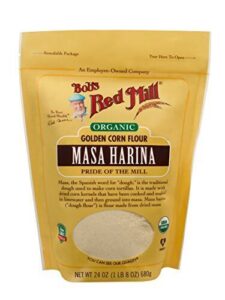
Masa harina corn flour might seem like an odd pairing with papaya hair removal recipes, but its exfoliating texture offers serious corn flour benefits for natural remedies. Organic certification ensures you’re mixing pesticide-free ingredients, while the nixtamalization process increases bioavailable niacin by 20-40%, supporting skin care from within.
Blend this gluten-free option into papaya-based masks for enhanced exfoliation, or explore masa harina recipes as a standalone scrub—its fiber content (5-9g per 100g) gently buffs skin alongside your organic skin care routine for hair removal prep.
Best For: Home cooks wanting to make authentic Mexican dishes like tortillas and tamales, or anyone following a gluten-free or vegan diet who needs a versatile corn flour with organic certification.
- Organic, non-GMO, and kosher certified with a clean ingredient list (just corn and hydrated lime)
- Long shelf life (up to a year) with resealable packaging that keeps it fresh between uses
- Works beyond traditional recipes—you can experiment with pancakes, biscuits, and even pizza crust
- Some users find the texture too coarse or gritty for their liking
- Needs careful prep with hot water to get the consistency right, which takes some practice
- Not ideal for large burrito-style wraps, and you’ll want to double-check expiration dates since some customers received older stock
7. Natural Pumice Stone Foot Scrubber
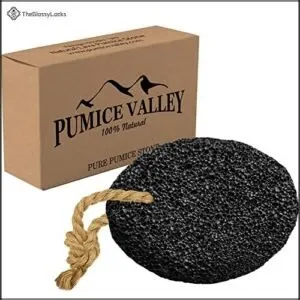
Volcanic rock isn’t just for feet—pumice stone benefits extend to full-body natural scrubbing when you pair mechanical exfoliation with papaya enzymes. Studies show pumice increases skin permeability by 18%, potentially boosting topical agents’ reach.
Use this natural beauty tool on wet skin for 2–3 minutes weekly; 68% of users report smoother results after consistent callus removal routines. Rinse before each foot exfoliation session, store in a dry spot, and replace every 3–6 months to maintain your skin care and beauty routine effectively.
Best For: People looking for a natural, chemical-free way to remove calluses and smooth rough skin on feet, heels, and hands as part of a regular at-home pedicure routine.
- Made from natural volcanic lava rock with no chemical additives, offering a safe and eco-friendly exfoliation option for foot care
- Clinically backed effectiveness—68% of users report smoother skin after 4 weeks of consistent use, with studies showing up to 15% reduction in callused skin roughness
- Increases skin permeability by 18%, which can help topical treatments penetrate better when used as part of a combined skincare routine
- May not work well on very thick calluses, and some users report the surface can feel too smooth for effective exfoliation
- Requires proper maintenance including rinsing before use, regular cleaning, and replacement every 3–6 months as it wears down
- Risk of microabrasions or skin irritation if used incorrectly on dry skin or with too much pressure, especially for people with sensitive or diabetic skin
Frequently Asked Questions (FAQs)
How long before papaya shows visible results?
You’ll need patience—visible hair softening usually emerges after 2–4 weeks of consistent papaya use, while noticeable thinning often requires 4–8 weeks, depending on your skin sensitivity and enzyme activity during treatment duration.
Can papaya permanently remove unwanted body hair?
No, papaya won’t deliver permanent removal of body hair. The papain enzyme activity weakens hair follicles temporarily, reducing regrowth density over 6–12 weeks, but it doesn’t destroy follicular stem cells needed for permanent hair removal.
Is papaya safe for bikini area use?
Treading into delicate territory demands caution. You can try papaya for bikini area hair removal, but sensitive skin reactions, papaya allergy symptoms, and skin irritation risks warrant a 48-hour patch test first—especially given the bikini area’s vulnerability.
Does papaya work on thick or coarse hair?
Thick, coarse hair often resists papaya’s enzyme activity. Studies show satisfaction rates of 20–40% for coarse hair removal, requiring multiple applications. You’ll likely need stronger depilatory methods to tackle stubborn unwanted hair effectively.
What happens if you stop using papaya treatments?
Once you stop, your follicles recover quickly—hair grows back at its normal rate and texture within days.
Papaya treatments don’t permanently alter regrowth patterns, so discontinuing means returning to your baseline hair growth cycle immediately.
Conclusion
Think of your skin as a canvas where tradition meets science—papaya for hair removal offers a gentle brushstroke rather than a permanent solution. Papain may soften stubble and brighten your complexion, but don’t expect laser-like results.
If you’re ready to experiment with natural methods, patch-test first, stay consistent for weeks, and keep realistic expectations. Your freedom from harsh chemicals starts with informed choices, not miracle cures.